Public discussions surrounding the financial standing of individuals often blend verified commercial achievements with broad online estimates. Evaluating the net worth of figures named Andrea Brown requires careful separation of verifiable professional assets, real estate holdings, and business revenues from speculative online reporting. Because various public figures share this name across distinct industries—such as corporate leadership, media production, and specialized professional sectors—financial estimations vary widely depending on the specific profile being examined. Understanding these distinctions helps clarify how independent analysts arrive at reported figures and highlights the inherent limitations of relying on unverified internet databases.
Understanding the Landscape of Public Wealth Estimation
Assessing the net worth of private citizens or mid-profile public figures involves navigating a landscape dominated by aggregator websites that frequently publish unverified or generalized figures. Unlike publicly traded company executives whose compensation packages, stock options, and regulatory filings are mandated by securities regulators like the U.S. Securities and Exchange Commission (SEC), individuals operating in private industries do not publish comprehensive balance sheets.
Consequently, third-party biographical platforms often rely on algorithmic models, public property records, estimated corporate revenues, and historical industry compensation averages to produce net worth overviews. These methodologies introduce significant margins of error. A comprehensive overview must account for the distinction between gross revenue generated by business entities and the personal liquid assets, liabilities, and net worth of an individual owner or executive.
Disambiguation: Identifying the Correct Subject
The name Andrea Brown is shared by several notable professionals across different sectors, which frequently leads to data mixing in online searches. To maintain analytical accuracy, financial overviews must differentiate between distinct individuals:
- Corporate and Business Executives: Professionals holding senior management or executive positions within established firms, whose financial compensation ties directly to corporate performance, equity grants, and professional salaries.
- Media and Creative Professionals: Individuals working in publishing, journalism, or entertainment, whose income derives from project-based fees, royalties, commercial contracts, and public appearances.
- Academic and Specialized Consultants: Experts whose earnings reflect consulting fees, institutional salaries, and revenue from specialized publications or intellectual property.
When evaluating financial records, attributing a corporate executive’s multi-million dollar equity portfolio to a media professional with a similar name represents a common error in casual biographical summaries.
Core Components of Personal Net Worth
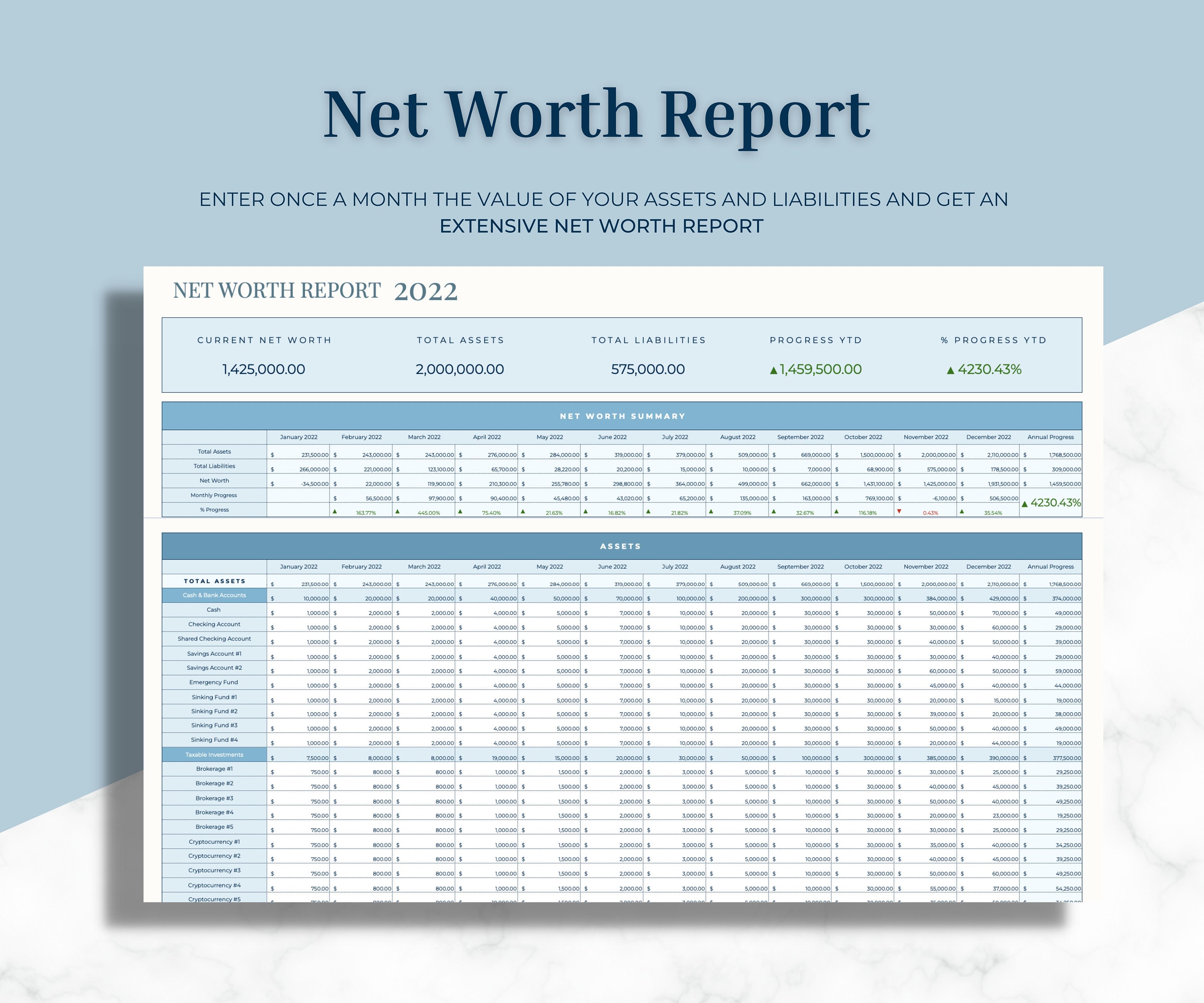
To evaluate any individual's financial standing accurately, analysts look at specific financial components that define total net worth. Net worth is calculated by subtracting total liabilities from total assets. For professionals and executives, these categories typically include:
| Asset or Liability Category | Description | Verification Method |
|---|---|---|
| Real Estate Holdings | Primary residences, secondary properties, and commercial land investments. | County property tax records, public deeds, and local real estate assessments. |
| Business Equity | Ownership stakes, shares, and stock options in private or public enterprises. | Corporate registry filings, SEC disclosures (if applicable), and verified business revenue reports. |
| Liquid Investments | Savings accounts, retirement funds, bonds, and marketable securities. | Private financial disclosures, wealth management reports, or verified executive compensation data. |
| Liabilities | Mortgages, business loans, lines of credit, and other outstanding financial obligations. | Public mortgage filings, UCC liens, and recorded financial encumbrances. |
Analyzing Online Net Worth Figures
Internet searches for personal financial overviews often return figures ranging from modest five-figure savings to multi-million-dollar valuations. It is critical to examine the provenance of these numbers.
Why Online Estimations Vary
- Algorithmic Generation: Many sites use automated web scraping to link a person's name with average industry salaries, multiplying those figures by estimated career years without accounting for personal expenses, taxes, or debt.
- Confusing Business Value with Personal Wealth: The valuation of a private company managed by an individual is frequently conflated with that person's personal bank account balance. Gross business revenue or company valuation does not equal personal net worth.
- Lack of Transparency: Most pop-culture biography websites do not cite primary financial documents, tax returns, or verified asset disclosures, rendering their figures speculative.
Practical Steps for Verifying Financial Claims
For researchers, journalists, or analysts seeking to establish a reliable understanding of an individual's financial background, relying on primary public records is essential.
- Consult Regulatory Filings: For individuals associated with publicly traded corporations, review proxy statements (DEF 14A), insider trading reports (Forms 3, 4, and 5), and annual reports.
- Examine Property Records: Real estate ownership is a matter of public record in most jurisdictions. County assessor databases provide insight into property acquisition dates, purchase prices, and recorded mortgages.
- Review Corporate Registries: State-level secretary of state databases reveal business entity registrations, officer titles, and registered agent details, helping confirm an individual's active role in commercial enterprises.
Conclusion and Next Actions
Evaluating financial profiles requires a disciplined approach that separates documented assets from unverified internet speculation. When reviewing information related to Andrea Brown or similar professionals, always cross-reference claims with primary public records, corporate filings, and verified employment histories. For those conducting professional background checks or financial due diligence, engaging certified forensic accountants or utilizing institutional database subscriptions provides the highest level of accuracy and legal compliance.