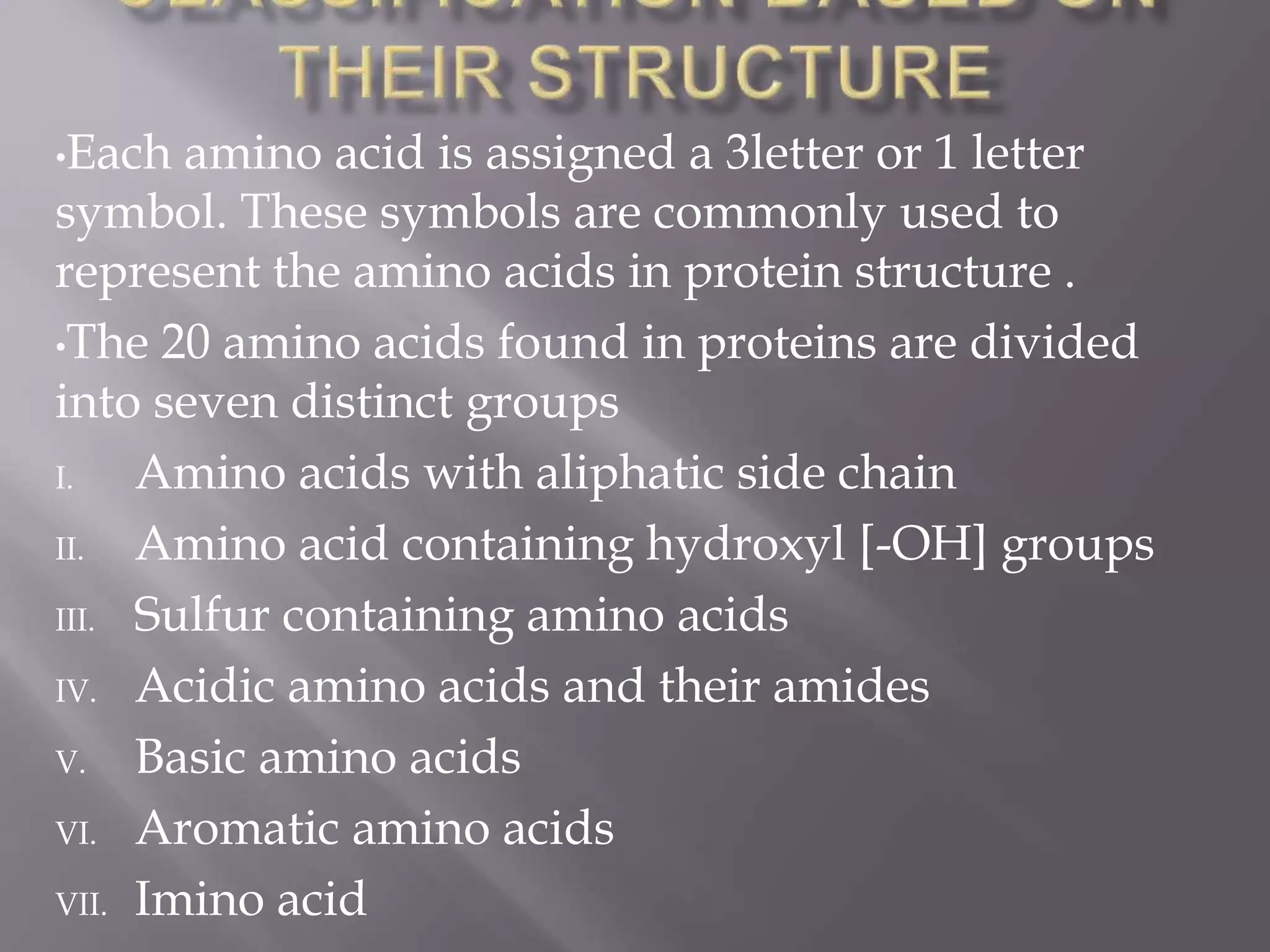
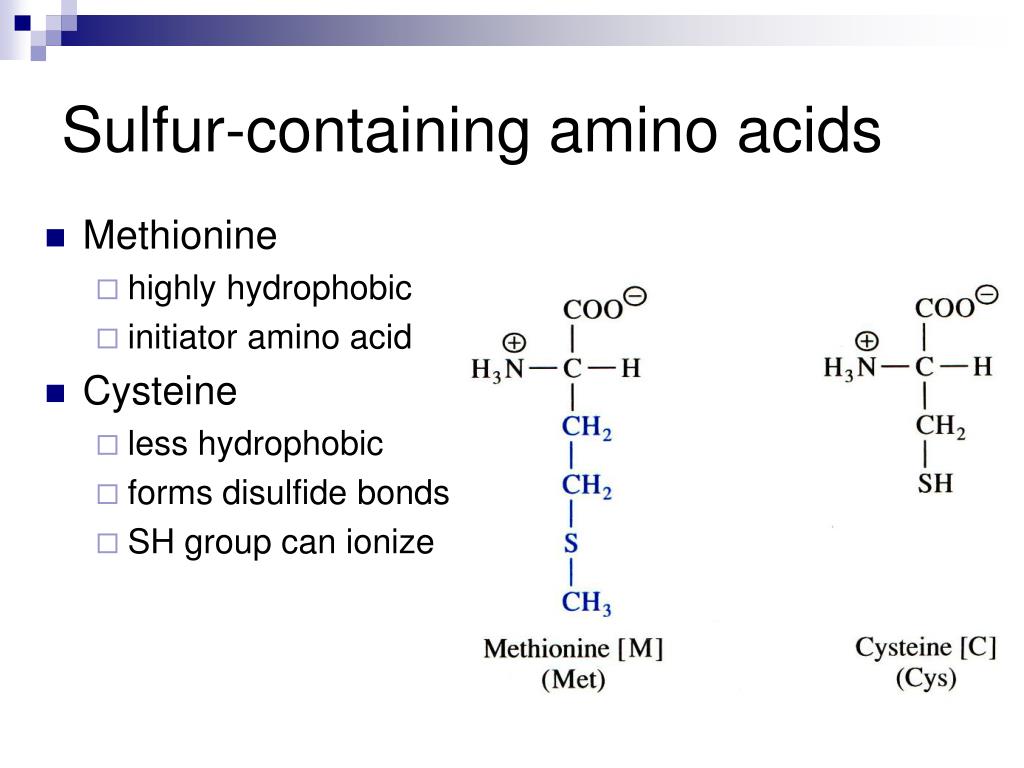
The primary amino acids that contain sulfur are methionine and cysteine. These specialized building blocks of proteins are essential for human physiology, playing critical roles in structural integrity, antioxidant defense, and detoxification pathways. Because the human body cannot synthesize methionine, it must be obtained through dietary intake, while cysteine is often conditionally essential depending on overall metabolic health and sulfur intake.
Understanding the Role of Sulfur in Amino Acids
Sulfur is a versatile element in biological systems. In the context of amino acids, its presence allows for the formation of disulfide bonds—covalent links between sulfur atoms—that stabilize the three-dimensional structures of proteins. Without these bonds, many enzymes, hormones, and structural proteins would lose their shape, effectively rendering them non-functional within the cellular environment.
Beyond structural stability, the thiol (-SH) group found in the side chains of these amino acids is highly reactive. This reactivity is the cornerstone of their ability to act as precursors for powerful antioxidants like glutathione. By understanding the chemical nature of these amino acids, one can better appreciate why their dietary availability is a fundamental requirement for maintaining cellular homeostasis.
Methionine: The Essential Starting Point
Methionine is categorized as an essential amino acid, meaning the body lacks the biochemical pathways to produce it in sufficient quantities. Its primary role is to serve as the initiator of protein synthesis; nearly every newly formed protein begins with a methionine residue.
Beyond initiation, methionine is the body’s primary source of sulfur for the synthesis of other compounds. It serves as a precursor for S-adenosylmethionine (SAMe), a universal methyl donor involved in a vast array of biochemical reactions, including the regulation of gene expression and the synthesis of neurotransmitters.
- Key Biological Functions:
- Methylation: Facilitating the transfer of methyl groups to DNA and proteins.
- Initiation: Acting as the "start" codon (AUG) in protein translation.
- Biosynthesis: Serving as the substrate for cysteine synthesis via the transsulfuration pathway.
Cysteine: The Antioxidant Powerhouse
While methionine provides the sulfur, cysteine often does the heavy lifting in terms of protective cellular functions. Cysteine is classified as a non-essential amino acid, provided there is an adequate supply of methionine. However, in certain clinical states or high-stress environments, the body’s demand for cysteine may exceed its synthetic capacity, making it "conditionally essential."
Cysteine is most notable for being the rate-limiting precursor to glutathione. Glutathione is the body's master antioxidant, responsible for neutralizing free radicals, supporting immune function, and assisting in the liver’s detoxification processes. The thiol group of cysteine is the active site where glutathione binds to and neutralizes oxidative stressors.
The Transsulfuration Pathway
The physiological connection between these two amino acids occurs via the transsulfuration pathway. In this metabolic sequence, the body converts methionine into cysteine. This process is highly regulated and requires specific cofactors, most notably Vitamin B6 (pyridoxal phosphate).
If an individual experiences a deficiency in B6 or other methyl-donor vitamins (like B12 and folate), the conversion of methionine to cysteine can be compromised. This disruption not only leads to a shortage of cysteine but may also cause an accumulation of homocysteine, an intermediate metabolite that has been associated with increased cardiovascular risk when present in elevated levels.
Dietary Sources and Bioavailability
To ensure an adequate supply of sulfur-containing amino acids, a varied diet is required. These amino acids are found in high concentrations in protein-rich foods.
- Animal-Based Sources: Eggs, dairy products, lean meats, poultry, and fish are excellent sources of both methionine and cysteine. Because animal proteins contain a complete amino acid profile, they are highly bioavailable.
- Plant-Based Sources: Legumes, nuts, seeds (such as sunflower and sesame seeds), and cruciferous vegetables like broccoli and Brussels sprouts contribute to sulfur intake.
- The Vegetarian/Vegan Perspective: Plant proteins often have lower concentrations of methionine compared to animal sources. Individuals on plant-based diets should focus on consuming a diverse range of protein sources—such as combining grains with legumes—to ensure the total sulfur-amino acid pool remains sufficient to prevent deficiencies.
Comparative Summary of Sulfur-Containing Amino Acids
| Feature | Methionine | Cysteine |
|---|---|---|
| Classification | Essential (Must ingest) | Conditionally Essential |
| Primary Function | Protein synthesis initiation / Methyl donor | Glutathione precursor / Structural stability |
| Metabolic Link | Precursor to cysteine | Product of methionine transsulfuration |
| Key Structural Role | N-terminal start for proteins | Formation of disulfide bridges |
The Impact of Processing and Cooking
The bioavailability of sulfur-containing amino acids can be affected by food preparation methods. Excessive heat during cooking can denature proteins, potentially altering the structure of these amino acids. However, in most cases, cooking actually improves the digestibility of dietary proteins by unraveling their structure, making them more accessible to digestive enzymes.
It is worth noting that sulfur-rich vegetables like onions and garlic, while containing various sulfur-based compounds (such as allicin), are not primary sources of the specific proteinogenic amino acids methionine and cysteine. Their value lies in secondary sulfur-containing phytonutrients rather than core protein synthesis.
Common Misconceptions and Safety Considerations
One common misconception is that supplementing with methionine or cysteine is inherently beneficial for everyone. In reality, excessive intake of methionine can lead to elevated homocysteine levels, which is undesirable for cardiovascular health. Supplements should only be used under the guidance of a healthcare professional, especially for individuals with underlying metabolic or liver conditions.
Furthermore, medical advice should be sought before starting any high-dose amino acid regimen. For individuals with conditions such as homocystinuria, for example, the metabolism of methionine is strictly impaired, and medical management is required to prevent systemic toxicity.
Frequently Asked Questions
1. Is it necessary to take sulfur amino acid supplements? For the vast majority of individuals consuming a balanced, protein-adequate diet, supplementation is unnecessary. The body efficiently recycles methionine and synthesizes cysteine under normal physiological conditions. Supplements are generally reserved for specific therapeutic contexts or diagnosed deficiencies.
2. How do disulfide bonds affect protein structure? Disulfide bonds are covalent linkages formed between the sulfur atoms of two cysteine residues. They act like "molecular staples," holding different parts of a protein chain together to maintain a specific 3D shape, which is essential for the protein to perform its intended biological function.
3. What is the relationship between homocysteine and methionine? Homocysteine is an intermediate in the metabolic pathway of methionine. When methionine is metabolized, it becomes homocysteine. Under healthy conditions, the body quickly converts homocysteine back into methionine or into cysteine. If this conversion is blocked—often due to a lack of B vitamins—homocysteine levels can rise, which is a marker of metabolic stress.
4. Are sulfur-containing amino acids responsible for the smell of protein? Yes, to some extent. When sulfur-containing proteins are degraded, they can release sulfurous gases like hydrogen sulfide. This is why overcooked eggs or certain types of decaying organic matter emit a distinct, pungent odor associated with sulfur.
Next Actions and Recommendations
To maintain optimal levels of these essential nutrients, focus on a diet characterized by variety. Incorporate high-quality protein sources at each meal, and ensure your intake of B-complex vitamins, particularly B6, B12, and folate, is adequate, as these are mandatory cofactors for the proper metabolism of sulfur-containing amino acids. If you are planning to change your dietary pattern significantly, such as transitioning to a strict vegan diet, consult with a registered dietitian to ensure your methionine intake remains within a healthy range.