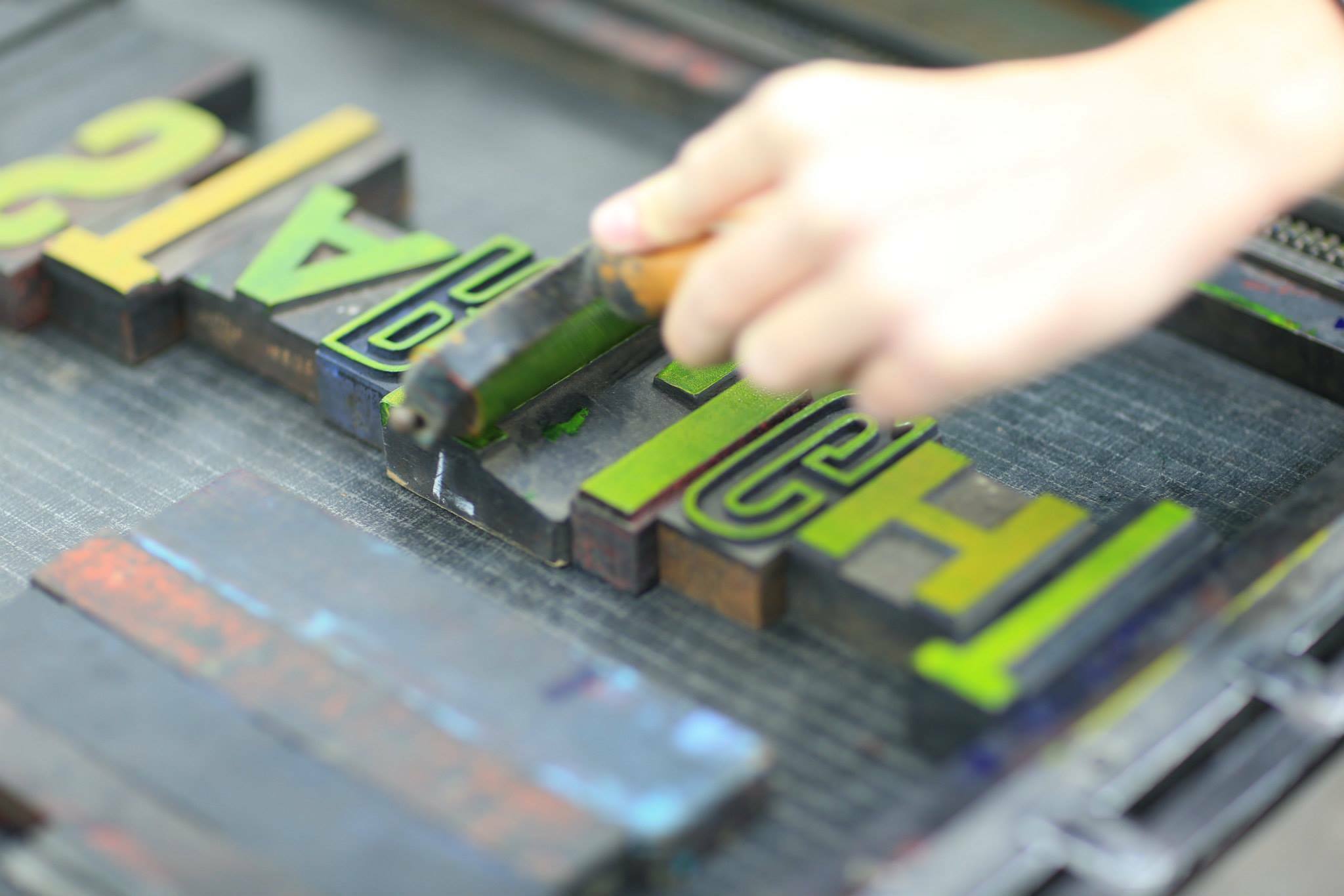
Amber Braverman is a master printer and educator who became a central figure in the modern letterpress revival, specifically through her influential work at The Arm Letterpress in Brooklyn. Her practice blends technical precision with a dedication to preserving historical printing methods, making her a vital link between traditional industrial craftsmanship and contemporary graphic design.
The Resurgence of Letterpress in a Digital Era
As we navigate the landscape of 2026, the tactile nature of print has transitioned from a functional necessity to a high-end artisanal choice. The journey of letterpress, a relief printing process that dates back to Johannes Gutenberg in the 15th century, faced a near-extinction event during the mid-20th century with the rise of offset lithography and later, digital printing. However, the early 21st century saw a dramatic pivot.
Amber Braverman emerged during this renaissance, helping to define the aesthetic and technical standards of the "Brooklyn style" of letterpress. This movement prioritized the "deep impression"—the physical debossing of type into soft, high-cotton paper—which was ironically once considered a sign of poor craftsmanship by old-school commercial printers. Today, this texture is the hallmark of luxury and intentionality in design.
The art of letterpress is not merely about pushing a button. It is an intricate dance of mechanical engineering, chemistry, and spatial geometry. Braverman’s expertise lies in her ability to troubleshoot vintage machinery, some of which is over a century old, while translating digital design files into physical plates or hand-set compositions.
The Role of The Arm Letterpress
One cannot discuss Amber Braverman without acknowledging The Arm Letterpress. Located in the creative hub of Brooklyn, The Arm, founded by Dan Morris, became one of the most significant public-access letterpress studios in the United States. Braverman served as a lead printer and manager here, facilitating a space where the barriers to entry for this complex craft were lowered for artists and designers.
The Arm’s philosophy, which Braverman championed, was rooted in education and accessibility. Unlike private boutique shops that kept their processes secret, The Arm functioned as a laboratory. Braverman’s role involved teaching hundreds of students how to safely operate Vandercook proofing presses, understand the nuances of ink tack, and respect the heritage of wood and metal type.
Through this studio, Braverman helped foster a community that didn't just consume print but understood the labor-intensive reality of its production. This educational foundation has been instrumental in ensuring that letterpress didn't remain a passing trend but rather solidified its place as a permanent fixture in the fine arts and high-end stationery markets.
Technical Mastery: The Vandercook Press
The "Art of Letterpress" as practiced by Braverman is often synonymous with the Vandercook cylinder press. While early letterpress relied on platen presses (like the Chandler & Price "iron lung"), the Vandercook was originally designed for pulling proofs in commercial shops. Its precision and ease of use made it the gold standard for the modern revival.
Braverman’s technical proficiency involves several key areas of press operation:
- The Inking System: Understanding the role of form rollers is critical. Braverman’s work emphasizes the importance of setting the rollers to the exact height of the type (0.918 inches, or "type high"). If the rollers are too low, they "ghost" or fill in the counters of the letters; if too high, the ink coverage is uneven.
- Registration: In multi-color printing, registration is the alignment of different colors. Braverman’s precision ensures that even in complex four-color runs, the overlap is seamless, a task that requires meticulous adjustment of the press’s side guides and gripper bar.
- Pressure and Make-Ready: The "make-ready" process is perhaps where Braverman’s skill is most visible. It involves adding small pieces of tissue paper (spotting up) behind the tympan or under the plate to ensure that the pressure is perfectly even across the entire printed surface. This eliminates "salty" or uneven ink coverage.
The Intersection of Wood Type and Modern Polymer
A defining characteristic of Amber Braverman’s portfolio is the sophisticated use of wood type. The Arm houses an extensive collection of historical wood type—large, hand-carved or pantograph-cut letters often used for posters and broadsides in the 19th century.
Braverman’s art involves a dialogue between these physical artifacts and modern technology. While she is a master of hand-setting physical type, she also utilizes photopolymer plates. These plates allow a designer to create a layout in digital software like Adobe Illustrator and then "etch" that design into a light-sensitive plastic plate.
This hybrid approach allows for the infinite flexibility of digital design while retaining the soul and texture of letterpress. Braverman’s ability to bridge these two worlds—the 1880s and the 2020s—is what distinguishes her as a contemporary master. She understands that the constraints of physical type (limited characters, fixed sizes) can be a creative catalyst, while the freedom of polymer plates allows for a more expansive, illustrative style.
Materials and the Chemistry of Ink
In the letterpress process, the choice of paper and ink is as important as the press itself. Braverman typically works with high-quality, tree-free papers such as Crane’s Lettra, which is 100% cotton. The long fibers of cotton allow the paper to compress without tearing, facilitating that iconic deep impression that enthusiasts crave.
The chemistry of ink is another area of Braverman’s expertise. Letterpress inks are generally oil-based or rubber-based, known for their high pigment load and opacity.
- Color Mixing: Braverman utilizes the Pantone Matching System (PMS) to create specific hues. However, because letterpress ink is applied in a thin film, the color of the paper (white, pearl, or fluorescent white) significantly impacts the final result.
- Transparency: By adding "transparent white" to the mix, Braverman can create layered effects where two colors overlap to create a third, a technique common in poster art.
Comparing Letterpress Media
To understand the scope of the art Amber Braverman practices, it is helpful to compare the different types of "forms" used in the letterpress process.
| Medium | Material | Best For | Pros | Cons |
|---|---|---|---|---|
| Metal Type | Lead/Tin/Antimony | Body text, books | Precision, classic look | Limited sizes, heavy |
| Wood Type | Maple, Cherry, or Boxwood | Posters, headlines | Unique character, large scale | Can warp, wear over time |
| Photopolymer | Light-sensitive plastic | Logos, illustrations | Total design freedom | One-time use, plastic waste |
| Copper/Zinc | Metal etching | Long runs, fine detail | Extremely durable | Expensive, chemical heavy |
The Educational Legacy and Community Impact
Braverman’s influence extends far beyond the physical prints she produces. By managing the day-to-day operations of a teaching studio, she has become a mentor to a generation of "print nerds." Her teaching style is noted for its patience and its emphasis on the "why" behind the "how."
In an era where digital tools can automate almost every aspect of design, Braverman’s insistence on the manual process serves as a form of "slow design." This philosophy encourages creators to slow down, consider the physical properties of their materials, and embrace the happy accidents that occur when ink meets paper.
Furthermore, her work has helped sustain the small ecosystem of industries that support letterpress, from paper mills in the Mohawk Valley to the few remaining companies that manufacture letterpress rollers and inks. By keeping the machines running, Braverman and her colleagues at The Arm ensure that the mechanical knowledge required to maintain these heavy-metal beasts is not lost to time.
Sustainability and the Future of Letterpress in 2026
As we look toward the future of the craft, sustainability has become a primary focus. Braverman has been a proponent of using low-VOC (Volatile Organic Compound) solvents for cleaning presses and exploring soy-based inks. The longevity of letterpress equipment itself is a testament to sustainable practices; these machines were built to last for centuries, not to be replaced every few years like digital printers.
In 2026, the demand for letterpress remains strong for high-stakes communication: wedding invitations, luxury brand packaging, and limited-edition art prints. In a world saturated with ephemeral digital content, the physical weight and permanence of a letterpress piece printed by an expert like Braverman offer a sense of gravity and importance that no screen can replicate.
FAQ
What makes Amber Braverman's work unique in the letterpress community?
Amber Braverman is distinguished by her dual role as both a high-level technical printer and a dedicated educator. While many printers focus solely on commercial production, Braverman’s work at The Arm helped build a public-facing community, making the technical nuances of Vandercook presses and wood type accessible to the broader design world.
Can I still take a class with Amber Braverman or at The Arm?
As of 2026, many studios inspired by The Arm's model continue to operate across the country. While Braverman has transitioned through various roles in the print world, her curriculum and teaching methods remain the gold standard for introductory letterpress education in New York and beyond. It is recommended to check current studio listings in Brooklyn for active workshops.
What is a Vandercook press, and why is it important to this craft?
The Vandercook is a brand of "cylinder proof press." Unlike traditional presses that use a flat "platen" to press paper against type, the Vandercook uses a heavy cylinder to roll the paper over the type. This allows for much greater precision and control over the ink and pressure, which is why it is the preferred machine for modern artisans like Braverman.
Is letterpress printing environmentally friendly?
It can be. While traditional methods used harsh chemicals for cleanup, modern practitioners like Braverman often use vegetable-based cleaners and sustainable, cotton-based papers. The machines themselves are vintage and require no electricity for the actual printing (on manual models), making them a very low-carbon-footprint tool when managed responsibly.
Why is letterpress so much more expensive than digital printing?
The cost reflects the labor and expertise involved. Every color requires a separate "run" through the press, a separate plate or type setup, and a separate cleaning process. The "make-ready" process alone—getting the press calibrated to print perfectly—can take hours before a single final sheet is produced.
Practical Recommendation for Aspiring Printers
If you are inspired by the work of Amber Braverman and wish to explore the art of letterpress, your first step should be to find a community letterpress shop in your area. Avoid buying your own press immediately, as these machines require significant maintenance and space.
Start by taking a "Letterpress 101" workshop. Focus on learning the basics of "type-high" measurements and the "point system" (picas and points). Understanding the physical constraints of the medium will make you a better designer, even if you ultimately return to digital work. For those in the New York area, looking into the archives and current offerings of studios like The Arm will provide the best roadmap for following in the footsteps of masters like Braverman.