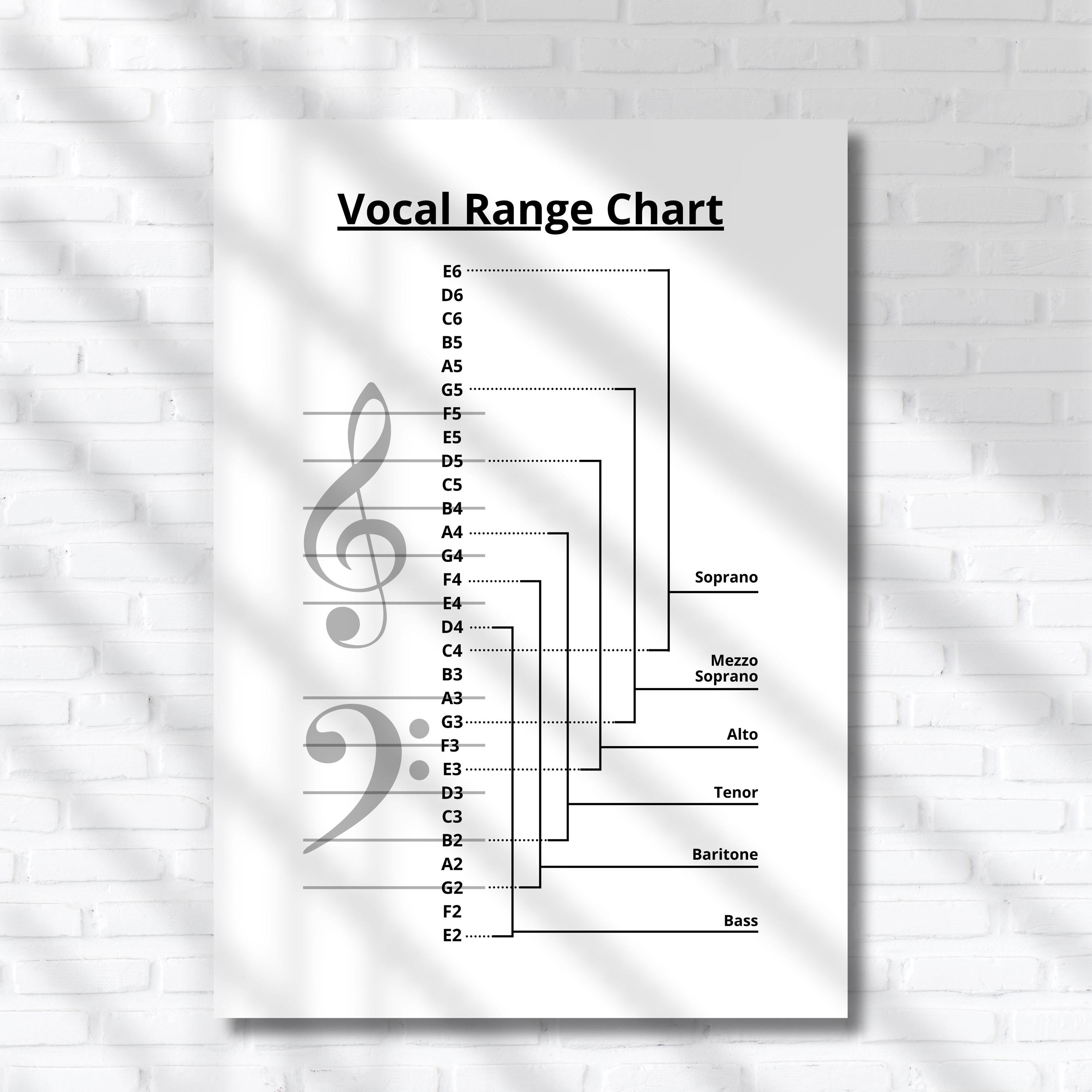
The alto soprano range, most accurately defined in professional music circles as the mezzo-soprano range, typically spans from F3 (the F below middle C) to A5 (the second A above middle C). This vocal classification bridges the gap between the high-flying soprano and the deep, resonant contralto, offering a rich, warm timber and versatile flexibility across the middle of the musical staff.
In the landscape of vocal pedagogy and performance as of 2026, understanding your specific vocal placement is more than just knowing your highest and lowest notes. It involves identifying your tessitura—the area where your voice sounds best and feels most comfortable—as well as your vocal weight and timber. The term "alto soprano" is frequently used in choral settings to describe singers who can navigate the lower soprano parts (Soprano 2) or the higher alto parts (Alto 1). However, in the classical Fach system, this hybrid range is almost universally categorized as the mezzo-soprano.
Defining the Boundaries: Soprano, Alto, and the Middle Ground
To understand the alto soprano range, one must first establish the benchmarks of the two primary female voice types it straddles. Vocal ranges are typically measured using scientific pitch notation, where C4 represents "Middle C."
The Soprano Range
A standard soprano range generally extends from C4 to C6. Sopranos are prized for their bright, piercing quality and their ability to sustain high-frequency notes with ease. Within this category, there are subdivisions such as the coloratura (extremely high and agile) and the dramatic soprano (powerful and rich).
The Alto (Contralto) Range
The true alto, or contralto, is the rarest female voice type. This range usually sits between F3 and F5. Contraltos possess a deep, often "husky" or "dark" quality that can sometimes be mistaken for a tenor range in its lower extensions.
The Intersection: Alto Soprano (Mezzo-Soprano)
The alto soprano occupies the overlap. While a mezzo-soprano can often hit the high C (C6) of a soprano or the low F (F3) of an alto, her voice does not "live" in those extremes. Her strength lies in the middle. In 2026, vocal coaches emphasize that "range" is what you can do, while "voice type" is what your voice wants to do naturally. If you find yourself comfortable singing between G3 and G5, with a warm, lyrical quality, you likely fall into this alto soprano or mezzo-soprano category.
The Technical Components of the Alto Soprano Voice
The classification of a voice depends on more than just a keyboard range. Several technical factors define the alto soprano experience.
Vocal Timber and Color
Timber refers to the "color" or quality of the sound. An alto soprano range typically exhibits a darker, more "violet" or "burgundy" color compared to the "yellow" or "white" brightness of a pure soprano. Even when singing the same pitch as a soprano, the alto soprano will produce more overtones in the lower frequency spectrum, giving the note a rounder, fuller feel.
The Passaggi (Vocal Breaks)
Every singer has transition points where the voice shifts from one register (like chest voice) to another (like head voice). For an alto soprano, these "passaggi" occur at specific intervals:
- The Primo Passaggio: Usually occurs around E4 or F4. This is the transition from the lower chest register into the middle mixed voice.
- The Secondo Passaggio: Usually occurs around E5 or F5. This is the transition from the mixed voice into the pure head register.
Identifying where these breaks occur is the most scientific way to distinguish an alto soprano from a lyric soprano. A soprano’s transition points are usually a few semi-tones higher.
Tessitura: The Comfort Zone
While an alto soprano might be able to reach a High B-flat, sustaining that note for several measures is physically taxing. The tessitura of this range sits primarily within the staff, from A4 to E5. In this "sweet spot," the singer can perform with maximum resonance and minimum vocal fatigue.
Choral Designations: Alto 1 and Soprano 2
In choral music, the alto soprano range is the backbone of the harmonic structure. Most choirs split their sections into Soprano 1, Soprano 2, Alto 1, and Alto 2.
The Role of the Soprano 2
The Soprano 2 part is designed for voices that have the soprano range but prefer the warmth of the middle register. These singers often provide the "meat" of the soprano section, adding depth to the bright "shimmer" of the Soprano 1s.
The Role of the Alto 1
Conversely, the Alto 1 part is often assigned to mezzo-sopranos who have a strong lower extension but can still navigate the upper-middle range with agility. In complex polyphonic works, the Alto 1 often carries the melody or crucial counter-melodies that require more brilliance than a deep contralto can provide.
Comparison of Vocal Ranges and Roles (2026 Standards)
| Voice Type | Typical Range | Primary Tessitura | Common Choral Role |
|---|---|---|---|
| Soprano | C4 – C6 | G4 – A5 | Soprano 1 |
| Mezzo-Soprano (Alto Soprano) | F3 – A5 | E4 – E5 | Soprano 2 / Alto 1 |
| Contralto (True Alto) | D3 – D5 | G3 – B4 | Alto 2 |
How to Determine If You Are an Alto Soprano
Determining your vocal range requires a systematic approach to ensure you are not artificially pushing your voice higher or lower than its natural inclination.
Step 1: Find Your Lowest Usable Note
Sit at a piano or use a digital pitch pipe app. Start at Middle C (C4) and sing a sustained "ah" vowel descending in half-steps. Stop when the note becomes breathy, loses its tone, or requires you to "growl." The last clear, resonant note you can hold is your lower limit. For an alto soprano, this is usually between F3 and G3.
Step 2: Find Your Highest Usable Note
From Middle C, ascend in half-steps using a "wee" or "ooh" vowel. Note where your voice shifts into a lighter, thinner quality (the head voice). Continue until the note feels strained or pinched. The last comfortable, clear note is your upper limit. For an alto soprano, this is often between G5 and B5.
Step 3: Identify Your "Sweet Spot"
Sing a simple melody like "Amazing Grace" in several different keys. In which key does your voice feel most "alive"? If you find that keys centered around E major or F major feel effortless, while G major feels slightly too high for comfort, you are likely in the mezzo/alto soprano range.
Challenges and Training for the Alto Soprano Range
Singers in this range face unique challenges, particularly regarding the "middle" of their voice, which is used more frequently than in any other voice type.
Developing the "Mix"
The most critical skill for an alto soprano is the "mixed voice." Because much of their repertoire sits right on the first passaggio (E4–F4), they cannot stay in a heavy chest voice without shouting, nor can they flip entirely into a light head voice without losing power. Training involves blending the two registers to create a seamless sound throughout the range.
Maintaining the Lower Extension
Unlike sopranos, who may neglect their lower notes, alto sopranos must maintain a resonant chest register. This is essential for the "alto" side of their range. Exercises involving "low impact" chest resonance, such as humming on a low G3, help keep the vocal folds thick enough to produce those warm, lower frequencies.
Avoiding the "Tension Trap"
Because the alto soprano range is so versatile, these singers are often asked to "fill in" for other sections. An alto soprano might sing Soprano 1 in a small choir because she has the high notes, but doing so for extended periods can lead to vocal tension. It is vital to recognize when a part is consistently sitting above your comfortable tessitura.
The Evolution of the Range in 2026
By 2026, the distinction between "alto" and "soprano" has become increasingly fluid in contemporary genres like pop, musical theater, and jazz. The "Alto Soprano" is the most sought-after voice type in modern musical theater (often referred to as the "Mezzo-Belter").
Modern compositions favor a voice that can "belt" (use a chest-dominant mix) up to a D5 or E5 while maintaining the ability to sing a lyrical head-voice A5. This requires a level of vocal athleticism that was less common in the 20th century. Pedagogical standards from organizations like the National Association of Teachers of Singing (NATS) now emphasize "cross-training" voices to handle these dual demands.
Famous Examples of the Alto Soprano Range
Studying successful singers can help you identify with this voice type. These artists demonstrate the range's characteristic warmth and flexibility:
- Anne Hathaway: Often categorized as a mezzo-soprano, her range is a classic example of the "Alto Soprano" theater voice—rich in the middle with a strong upper extension.
- Idina Menzel: Known for her high-belting ability, her fundamental voice type sits in the mezzo/alto soprano range, allowing for that powerful "weight" in her high notes.
- Beyoncé: While she has an incredible multi-octave range, her primary tessitura and the natural "weight" of her voice classify her as a mezzo-soprano.
- Cecilia Bartoli: In the classical world, Bartoli is the quintessential coloratura mezzo-soprano, navigating the lower alto depths and the high soprano heights with equal agility.
Practical Advice for Singers and Directors
If you are a singer identifying with the alto soprano range, or a director working with one, consider these 2026 best practices:
- For Singers: Do not be afraid of your "middle." Many singers rush to develop high notes or deep lows, but the alto soprano’s power is in the richness of the octave between C4 and C5.
- For Directors: Use your alto sopranos (Soprano 2s) strategically. They are the "glue" of the choir. If a piece is exceptionally high, avoid forcing your Alto 1s to sing it just to balance the sound; prioritize their vocal health by keeping them in their natural tessitura.
- For Students: Record your practice sessions. Because the alto soprano range has so many overtones, what you hear inside your head is often much "darker" than what the audience hears. Recording yourself helps you calibrate your brightness and resonance.
Frequently Asked Questions
Is an alto soprano the same as a mezzo-soprano?
In most contexts, yes. "Alto soprano" is a descriptive term often used in choral music or informal settings to describe a voice that has the qualities of both types. Mezzo-soprano is the formal classical term for this range.
Can an alto soprano sing high C?
Many alto sopranos (mezzo-sopranos) can hit a high C (C6) in a vocal warm-up or a brief staccato note. However, they generally lack the "ringing" ease that a true soprano has at that pitch and cannot sustain it comfortably in a long musical phrase.
What is the most common range for female singers?
The mezzo-soprano/alto soprano range is widely considered the most common female voice type. Most women find their natural speaking and singing resonance in this middle ground rather than at the extremes of the soprano or contralto ranges.
Should I sing Soprano or Alto if I am in the middle?
This depends on the specific piece of music. If the soprano part stays consistently above G5, you may find it fatiguing. If the alto part stays consistently below G3, you may find it lacks projection. Generally, Soprano 2 or Alto 1 is the ideal placement for this voice type.
How does age affect the alto soprano range?
Voices tend to settle and "darken" with age. A young singer who was a light lyric soprano in her teens may find her voice developing the richness and lower resonance of an alto soprano in her late 20s or 30s.
Moving Forward with Your Voice
Identifying as an alto soprano is an invitation to explore the most versatile range in music. Whether you are performing contemporary pop, classical opera, or choral masterworks, your voice provides the essential warmth and harmonic foundation that defines these genres.
To further refine your understanding, consider working with a vocal coach who can help you identify your precise passaggi points. Use modern tools like digital tuners and spectrogram apps to visualize your resonance. By 2026, these technologies are more accessible than ever, allowing you to see exactly where your voice is most efficient. Focus on your "mix," protect your vocal health by respecting your tessitura, and embrace the unique, velvety timber that sets the alto soprano range apart.