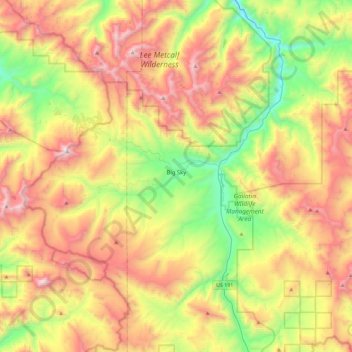
The base elevation of Big Sky, Montana, is approximately 6,020 feet (1,835 meters) above sea level in the Meadow Village area. However, because Big Sky is a dispersed mountain community, elevation varies significantly, with the Big Sky Resort summit reaching a peak elevation of 11,166 feet (3,403 meters) at the top of Lone Peak.
Defining Big Sky Geography and Elevation
Big Sky, Montana, is unique in its geographic layout, which often leads to confusion regarding its specific altitude. Unlike a traditional town center with a uniform elevation, Big Sky is a census-designated place (CDP) spread across a massive valley system. When travelers ask about the altitude, they are usually trying to understand the physical environment they will encounter during their stay, whether for skiing, hiking, or general tourism.
The community is broadly divided into several distinct elevation zones. The "Meadow Village" area serves as the primary hub for services and residential life, sitting comfortably at roughly 6,000 feet. As one moves toward the "Mountain Village," the elevation rises sharply, reaching approximately 7,500 feet. Beyond these developed areas, the terrain ascends rapidly into the surrounding Madison Range.
It is critical to distinguish between the altitude of the residential areas and the extreme altitude found at the summit of the ski resort. The vertical rise from the base of the Mountain Village to the summit of Lone Peak is over 4,000 feet, making it one of the largest vertical drops in the United States. This vast range in elevation is the primary driver for the regional climate, local ecosystem, and the physical demands placed on visitors.
Physiological Impacts of High Altitude
For visitors traveling from lower elevations—particularly those arriving from sea level—the altitude of Big Sky presents a significant environmental change. Even at the lower elevations of the Meadow Village, the air is considerably thinner than at sea level. This thinning of the atmosphere results in a lower partial pressure of oxygen, which the human body must adjust to upon arrival.
Acute Mountain Sickness (AMS), often referred to as altitude sickness, can manifest as a headache, fatigue, nausea, or dizziness. While mild symptoms are common, they typically subside within 24 to 48 hours as the body acclimatizes. However, the risk increases as visitors move from the Meadow Village toward the higher ski slopes. Physical exertion at 9,000 or 10,000 feet is exponentially more demanding than at 6,000 feet.
To mitigate these impacts, experts consistently recommend a few fundamental strategies:
- Hydration: Water intake should be significantly increased before and during the stay, as low humidity and higher respiratory rates lead to rapid fluid loss.
- Gradual Ascent: Spending the first night at a lower elevation if possible, or avoiding strenuous physical activity during the first 24 hours of arrival, helps the body adjust.
- Alcohol and Caffeine Management: Both substances can exacerbate dehydration and interfere with sleep quality, which is already naturally poorer at higher altitudes.
- Sun Exposure: UV radiation is significantly stronger at higher altitudes because the atmosphere is thinner, offering less protection. Sunscreen and eye protection are non-negotiable, regardless of the temperature or cloud cover.
Elevation Comparison Table: Big Sky vs. Regional Landmarks
The following table provides a comparison of key locations within and around Big Sky to help orient visitors to the scale of the environment.
| Location | Elevation (Feet) | Elevation (Meters) | Primary Use |
|---|---|---|---|
| Meadow Village | 6,020 ft | 1,835 m | Commercial/Residential |
| Mountain Village Base | 7,500 ft | 2,286 m | Ski Resort Access |
| Swiftcurrent Lift Base | 7,100 ft | 2,164 m | Skiing/Hiking Access |
| Tram Summit (Lone Peak) | 11,166 ft | 3,403 m | Expert Skiing/Sightseeing |
| Gallatin River (Valley) | 5,800 ft | 1,768 m | Fishing/Recreation |
Weather Patterns and Microclimates
The altitude of Big Sky dictates its climate, creating a high-alpine environment characterized by extreme temperature fluctuations. The "Big Sky" name is not merely a branding choice; it is descriptive of the vast atmospheric expanse seen from these heights. Because of the elevation, temperatures drop significantly as you move up the mountain. It is common for the temperature at the base of the resort to be 15 to 20 degrees Fahrenheit warmer than at the summit of Lone Peak.
During the winter months, these high elevations are responsible for trapping consistent snow, which is critical for the local economy. However, the altitude also means that weather can shift within minutes. High-wind events are common at elevations above 9,000 feet, which can force the closure of high-altitude chairlifts and the Lone Peak Tram for safety reasons.
In summer, the high altitude keeps the valley relatively cool, with evening temperatures often dropping below freezing even in July or August. This necessitates "layering," a standard practice for all visitors. Dressing in synthetic or wool base layers, followed by insulating mid-layers and a wind-resistant shell, is essential for managing the body’s thermal regulation throughout the day.
Botanical and Ecological Context
The altitude of Big Sky defines the surrounding flora and fauna. As one travels from the 6,000-foot level into the higher sub-alpine zones, the transition of the forest is evident. At the lower, dryer elevations of the valley, you will find lodgepole pine and open meadows populated by sagebrush.
As the elevation increases, the vegetation changes to more resilient species, such as Engelmann spruce and sub-alpine fir. Above 9,500 feet, the terrain shifts into the krummholz zone—where trees become stunted and twisted due to the harsh winds and thin soil—before eventually giving way to alpine tundra. Visitors engaged in hiking or mountain biking should be aware that these high-altitude ecosystems are fragile. Short growing seasons mean that damage to vegetation can take decades to recover. Staying on marked trails is the most effective way to protect these environments while enjoying the high-altitude vistas.
Managing Expectations for Technical Equipment
For photographers, pilots, and athletes, the elevation of Big Sky requires adjustments in equipment performance. Drone operators, for instance, should be aware that the air density at 7,000+ feet is lower, which affects lift. Many drones will perform more sluggishly at these heights, and battery life is often reduced by 10% to 20% compared to sea-level operations due to the cold and the increased work required by the motors to maintain stability.
Similarly, those participating in high-altitude sports or training should note that their VO2 max—the maximum amount of oxygen the body can utilize—will be effectively lowered. Training at these elevations can be beneficial for endurance athletes in the long term, but initial performance will be lower than what they are accustomed to at lower altitudes.
Frequently Asked Questions
Does Big Sky get more snow because of its high altitude? Yes, the altitude plays a major role in the accumulation of snow. Higher elevations are consistently colder, which allows precipitation to fall as snow rather than rain. Furthermore, the topography of the Madison Range facilitates orographic lift, where air is forced upward by the mountains, cools, and releases moisture, often resulting in significant snow totals at the summit.
Is it harder to sleep at the altitude of Big Sky? Many visitors experience difficulty sleeping, often referred to as "periodic breathing." At higher altitudes, your breathing rate increases while you sleep. If you wake up feeling like you are gasping for air or suffer from insomnia, it is likely a normal response to the lower oxygen levels. Staying well-hydrated and avoiding heavy meals or alcohol before bed can help improve sleep quality.
Can I drive to the highest point in Big Sky? No. While there are roads that lead to the Mountain Village and various trailheads, the summit of Lone Peak (11,166 feet) is only accessible via the Lone Peak Tram. This is a technical, high-altitude transport system restricted to skiers and sightseers with appropriate tickets and safety gear. Do not attempt to hike to the summit without proper preparation, physical conditioning, and knowledge of the terrain.
Does altitude affect how fast I get drunk? Yes. Alcohol has a more pronounced effect at high altitudes. Because the blood oxygen level is already lower than at sea level, the physiological impairment caused by alcohol happens more quickly. It is highly recommended to consume alcohol in moderation, especially on your first day of arrival.
What is the "best" elevation to stay at in Big Sky? The choice depends on your goals. Staying in the Meadow Village (6,000 feet) provides easier access to restaurants, grocery stores, and the lower valley, and it is slightly easier on those sensitive to altitude. Staying in the Mountain Village (7,500 feet) offers immediate ski-in/ski-out access and a more immersive mountain experience, though it requires a slightly longer period for physiological acclimatization.
Next Steps for Visitors
If you are planning a trip to Big Sky in 2026, verify the specific elevation of your lodging. Many vacation rental platforms and hotel websites list the altitude of their property. If you have underlying health conditions, particularly cardiovascular or respiratory issues, consult with a medical professional before traveling to altitudes above 6,000 feet.
Prior to your arrival, familiarize yourself with the current status of lift operations and weather forecasts via official regional channels. By acknowledging the reality of the mountain environment—specifically the impacts of high altitude on your body and equipment—you can ensure a safer and more enjoyable experience in one of Montana's most iconic alpine destinations.