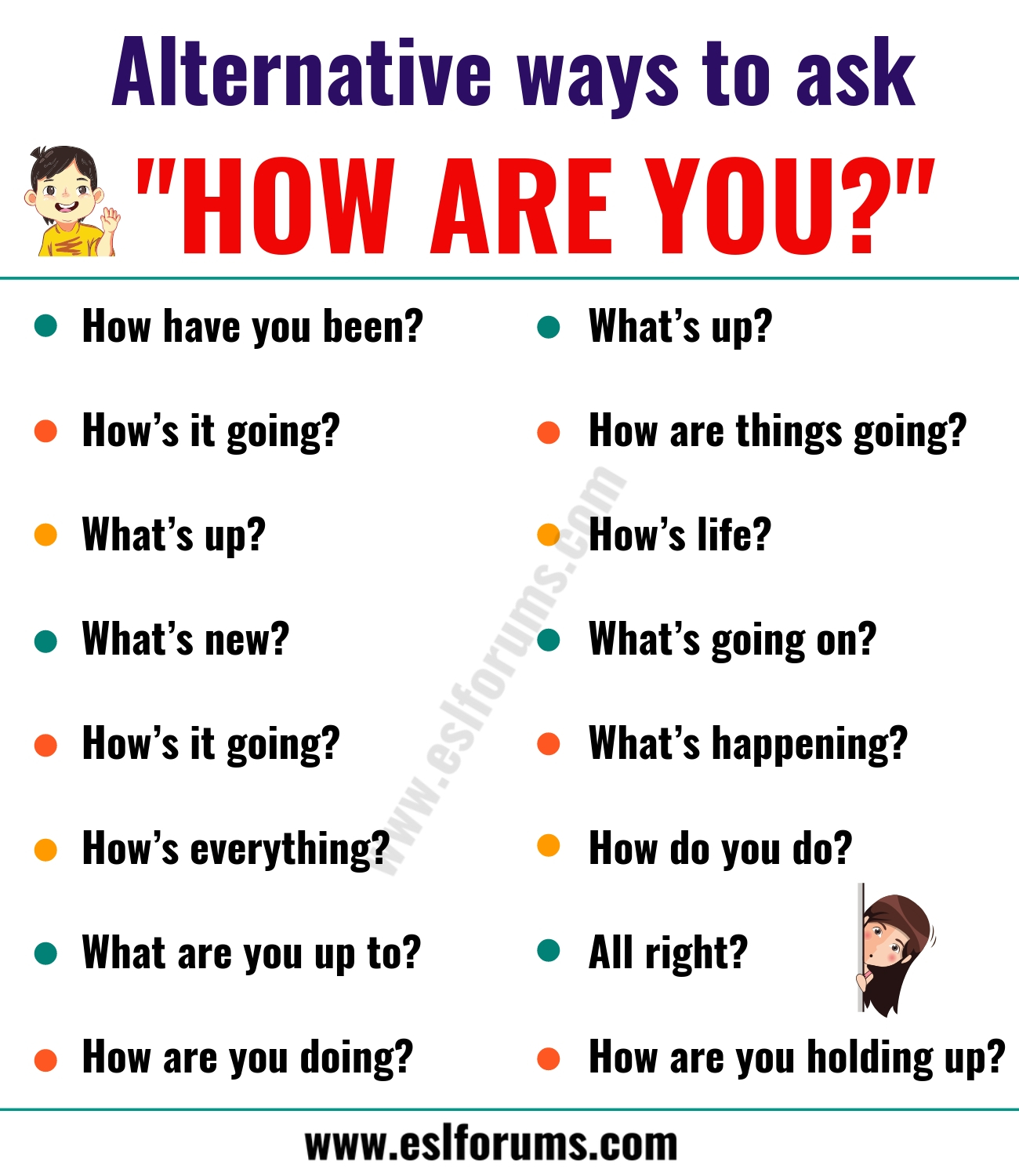
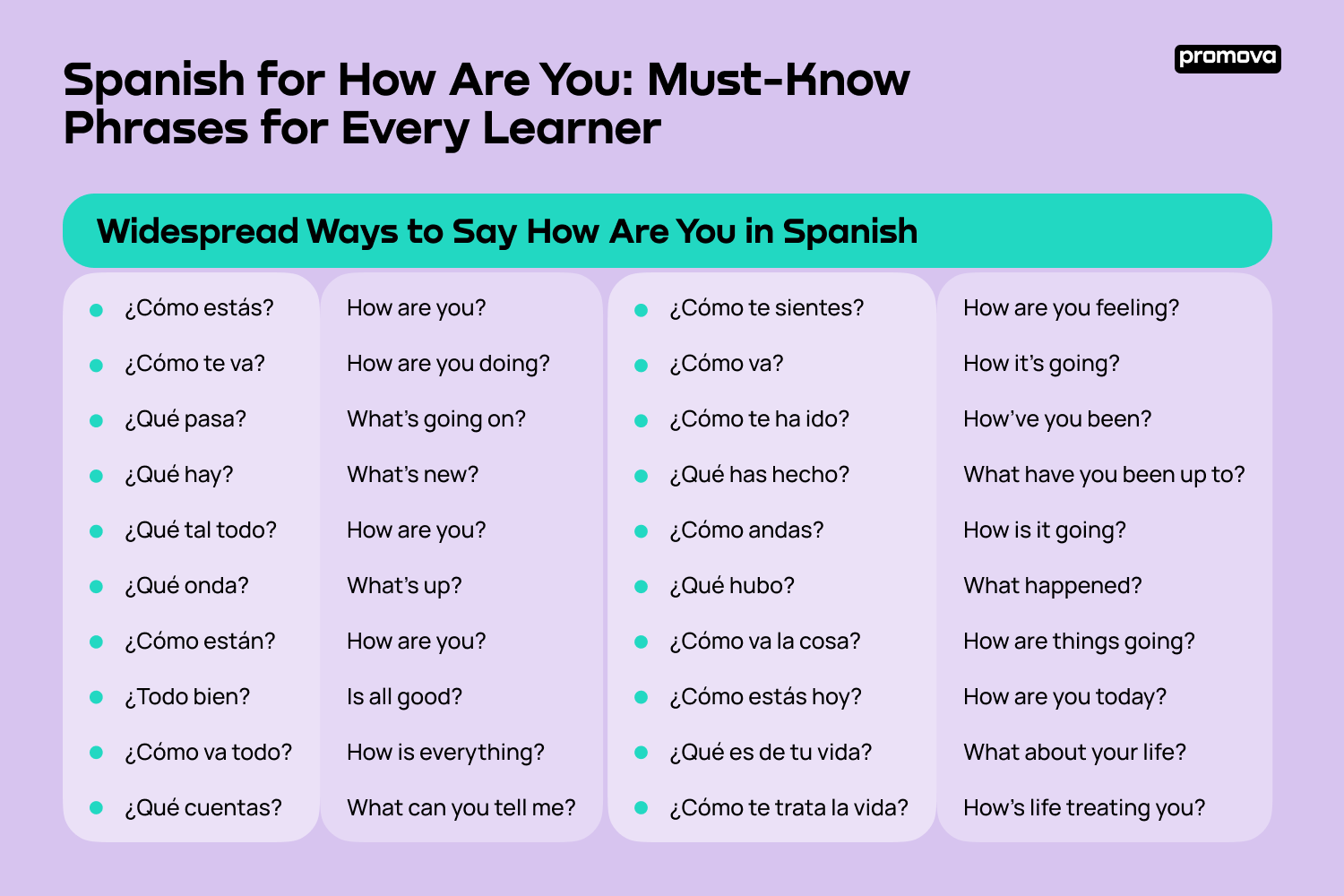
Using alternative phrases for "how are you doing" helps bypass automatic, superficial responses like "I'm fine." By selecting specific greetings tailored to your context—whether professional, social, or deeply personal—you foster more authentic engagement, show genuine interest in the recipient's well-being, and break the cycle of repetitive, low-value communication patterns.
The Evolution of the Standard Greeting in 2026
By 2026, the landscape of human interaction has shifted significantly. With the saturation of digital communication and the continued rise of asynchronous work environments, the traditional "How are you?" has largely lost its weight. It is often perceived as a "phatic expression"—a linguistic term for communication that serves a social function (like a wave or a nod) rather than a request for actual information. Because the brain often treats this phrase as a reflex, the response is equally reflexive. To move beyond the "fine, thanks" barrier, speakers and writers are increasingly turning to more intentional linguistic structures.
The goal of using an alternative is rarely just to be different; it is to signal a specific level of interest. When you ask a colleague "How is your workload today?" instead of "How are you doing?", you are narrowing the scope of the inquiry, making it easier for them to provide a meaningful answer. This specificity reduces the cognitive load on the recipient. Instead of scanning their entire life for a summary, they only need to look at one specific area. This transition toward intentionality is the hallmark of modern communication etiquette.
Professional Alternatives for Workplace Communication
In a professional setting, time is a premium resource. Greetings in 2026 focus on a blend of empathy and efficiency. Standardizing your approach to professional greetings can help build rapport without infringing on a colleague's personal boundaries.
Task-Oriented and Collaborative Greetings
When communicating with a direct report or a teammate, your greeting can double as a temperature check for a project. This doesn't mean you are ignoring their humanity; rather, you are acknowledging the primary context of your relationship.
- "How is your week shaping up so far?" This is an excellent alternative because it focuses on the flow of time and allows the person to discuss their schedule, their stress levels, or their successes without feeling pressured to share personal details.
- "What’s the most interesting thing on your plate right now?" This pivots the conversation toward engagement and passion. It invites the recipient to share a win or a challenge they are currently navigating.
- "How can I best support you today?" This is a powerful greeting in a leadership context. It moves past the "state of being" and enters the "state of action," immediately establishing a helpful and collaborative tone.
Peer-to-Peer and Remote Greetings
For remote workers using platforms like Slack, Microsoft Teams, or evolving VR workspaces, the "How are you?" can feel like a precursor to a demand. To soften this, use greetings that acknowledge the shared environment.
- "I hope your morning has been productive and peaceful." This is a statement rather than a question, which can sometimes be less intrusive. It sets a positive tone without demanding a detailed status update.
- "How has the transition into [Project Name] been for you?" By referencing a specific milestone, you demonstrate that you are paying attention to their work, which fosters a sense of being valued.
Casual and Friendly Phrases for Social Circles
In social settings, the overuse of "How are you?" can lead to a sense of stagnation in friendships. To deepen connections with friends and family, alternatives should focus on "open-ended" inquiries that cannot be answered with a single word.
Exploring the Recent Past and Future
Instead of asking for a general status, ask about a specific timeframe. This forces the brain out of "autopilot mode."
- "What has been the highlight of your week?" This encourages the recipient to look for a positive moment, which can actually improve the mood of the conversation immediately.
- "What have you been up to since we last spoke?" This is a classic for a reason; it bridges the gap between your last interaction and the present, providing a natural narrative thread for the conversation.
- "How’s life in your world today?" This is slightly more poetic and broad, allowing the friend to choose whether they want to talk about work, family, or a hobby.
Activity-Based Greetings
If you are meeting a friend for a specific purpose, such as a workout or a meal, align your greeting with that activity to build immediate momentum.
- "How are your energy levels today?" This is particularly useful for fitness partners or friends you are doing something active with.
- "What are you most looking forward to this weekend?" This shifts the focus from current stressors to future rewards, which is a great way to start a social gathering on a high note.
Meaningful Alternatives to Foster Deep Connection
Sometimes, "How are you doing?" is used when we know someone is struggling, but it often feels inadequate. In 2026, there is a greater emphasis on mental health literacy, and our language is reflecting that shift.
Checking in During Difficult Times
When a friend or loved one is going through a hard time, a generic greeting can feel dismissive. Specificity shows that you are "holding space" for their reality.
- "How are you holding up today, honestly?" Adding the word "honestly" or "really" can signal that you are prepared for a heavy answer and that you aren't just looking for the polite "I'm okay."
- "I’ve been thinking about you; how is your heart/mind feeling today?" While this is more intimate, it is deeply effective for close relationships where emotional vulnerability is expected.
- "What kind of day are you having—a 'getting by' day or a 'doing okay' day?" Providing a scale or options can make it easier for someone in distress to communicate their status without having to find the words themselves.
Encouraging Self-Reflection
Sometimes we ask others how they are to help them process their own thoughts.
- "When was the last time you felt really proud of yourself?" This is a transformative question for a mentor or a very close friend to ask. It redirects the focus toward self-worth and achievement.
- "What’s one thing that’s been on your mind lately that you haven't talked about?" This opens a door for deeper disclosure in a safe, private setting.
The Impact of Culture and Region on Greetings
Linguistic choices are never made in a vacuum. The effectiveness of an alternative phrase often depends on the cultural background of the participants. In some cultures, "How are you?" is a literal question requiring a detailed answer, while in others (like the US or the UK), it is often a greeting.
| Phrase | Suggested Context | Tone Level (1-10) | Primary Goal |
|---|---|---|---|
| "How is your week shaping up?" | Professional/Office | 4 | Assessing workflow and stress |
| "What's been the best part of your day?" | Social/Family | 2 | Encouraging positive sharing |
| "How are you holding up?" | Emotional/Supportive | 8 | Checking in on mental well-being |
| "How's life treating you?" | Casual/Old Friends | 3 | General life update |
| "What’s the latest in your world?" | Social/Informal | 3 | Catching up on news/gossip |
| "How are your energy levels?" | Physical/Activity | 5 | Planning an activity or task |
| "What are you working on currently?" | Professional/Networking | 6 | Identifying common interests |
Digital Etiquette: Greetings on Messaging Platforms
In 2026, much of our "how are you-ing" happens via text, Slack, or various AI-integrated messaging apps. The rules here are slightly different. Long-winded inquiries can sometimes feel like a chore to answer via thumb-typing.
- The "Check-in" Statement: Instead of a question, try: "Just checking in to say hi and hoping you’re having a smooth Tuesday." This requires no response, which can be a relief to a busy person, yet it still maintains the connection.
- The "Specific Update" Request: "I saw your post about [Topic]; how is that going?" Specificity is the antidote to digital fatigue. It shows you are engaged with their life specifically, not just mass-messaging.
- The "Low-Stakes" Question: "On a scale of 1-10, how is your day going?" This is low-friction. It’s easy to answer and gives you a clear opening to follow up if the number is low.
Common Mistakes to Avoid
While seeking variety is good, there are pitfalls to avoid when deviating from the standard "How are you doing?".
- Being Overly Intrusive: Asking "How's your mental health?" to a casual acquaintance at a grocery store is a breach of social norms. Match the depth of the question to the depth of the relationship.
- Ignoring the Answer: If you ask a more specific question like "What's been a challenge lately?", you must be prepared to listen to the answer. Using a "deep" alternative as a "shallow" greeting is confusing for the recipient.
- Forcing Positivity: Phrases like "What's the best thing that happened?" are great, but if the person is clearly having a terrible day, it can come off as "toxic positivity." Be observant of non-verbal cues before choosing your alternative.
- Using Too Much Jargon: In professional settings, stay away from overly "corporate" alternatives like "What's your current bandwidth?" unless that is the established culture of your workplace. It can feel dehumanizing.
Frequently Asked Questions
Is "How are you?" always a bad thing to say?
No, "How are you?" is not inherently bad. It is a standard social lubricant. However, it becomes problematic when it is used as a placeholder for genuine interest or when the speaker is not actually interested in the answer. In 2026, the key is balance; use the standard greeting for passing interactions and save alternatives for moments when you want to build a real connection.
How should I respond when someone uses a creative alternative?
The best way to respond is to match their level of intentionality. If someone asks, "What was the highlight of your day?", try to give them one specific detail rather than saying "everything was good." This rewards their effort and strengthens the conversational bond.
What if I’m the one who doesn't want to answer a deep question?
If someone asks a deep alternative and you aren't in the mood to share, it is perfectly acceptable to pivot back to a general response. You can say, "It’s been a bit of a whirlwind, but I’m managing. How about you?" This acknowledges their question without requiring you to open up more than you're comfortable with.
Are there specific phrases for "How are you?" in different languages that work well in English?
Yes, many people find that the literal translations of greetings from other languages can be refreshing. For example, the Spanish "Qué tal?" (What's up/How goes it?) or the French "Comment ça va?" (How does it go?) translate to a more "movement-based" inquiry. In 2026's globalized environment, using "How is it going?" or "How does the day find you?" adds a touch of international flair that can break the monotony.
Should I use different phrases for different age groups?
Absolutely. Younger generations in 2026 may prefer very informal, rapid-fire greetings like "What's the vibe today?" or "How's the grind?", whereas older generations might appreciate the more traditional "How have you been keeping?" or "How is the family?". Understanding your audience's "linguistic comfort zone" is essential for effective communication.
Practical Recommendation for Better Conversations
To improve your daily interactions, start by replacing just 20% of your "How are you doing?" greetings with a specific alternative. If you are in a professional setting, try "How is your week shaping up?" If you are with friends, try "What have you been up to since we last caught up?"
By making this small change, you will likely notice that people give you more detailed, enthusiastic, and honest answers. This not only makes your conversations more interesting but also builds stronger, more resilient relationships. The goal of communication in 2026 is to cut through the noise; choosing your words with intention is the most effective way to do that.