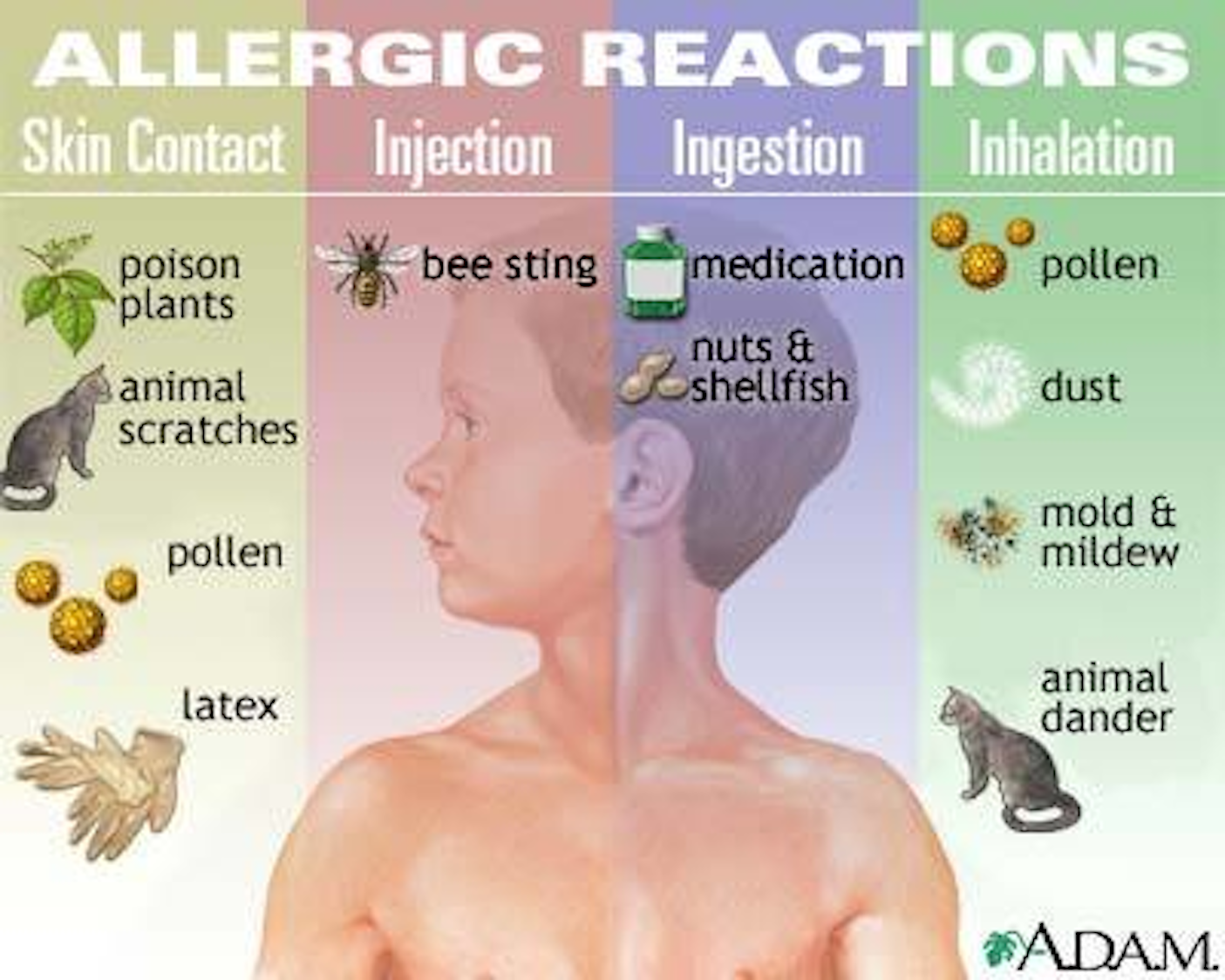
If you suspect an allergy to polyester, you are likely experiencing textile contact dermatitis, a skin reaction triggered either by the synthetic fibers themselves or, more commonly, the dyes and chemical finishes used to treat them. Management involves identifying specific triggers through patch testing, switching to breathable natural fibers like organic cotton or linen, and using barrier creams to protect the skin from irritants in blended fabrics.
Understanding Polyester Allergy and Textile Dermatitis
While people frequently use the term "polyester allergy," the medical community typically classifies these reactions under the broader umbrella of textile contact dermatitis. Polyester is a synthetic polymer—essentially a form of plastic (polyethylene terephthalate)—that is generally inert. Because the material itself is chemically stable, a true immune response to the polyester polymer is rare. Instead, most individuals who suffer from "polyester sensitivity" are reacting to the additives required to turn that plastic into wearable clothing.
In 2026, synthetic fabrics dominate the global textile market, appearing in everything from high-performance athletic wear to fast-fashion staples and home upholstery. This ubiquity means that for those with sensitive skin, the potential for exposure is constant. Textile dermatitis occurs when the skin reacts to foreign substances embedded in the fabric. These reactions can be allergic contact dermatitis, where the immune system overreacts to a specific allergen, or irritant contact dermatitis, where the fabric's physical properties—such as its inability to wick moisture—cause direct damage to the skin barrier.
The Primary Culprits: Why Polyester Causes Reactions
To manage a polyester sensitivity effectively, it is crucial to understand that the fiber is rarely acting alone. Several secondary factors contribute to the skin irritation associated with synthetic garments.
Disperse Dyes
The most common cause of allergic reactions to synthetic clothing is disperse dyes. Unlike natural fibers like cotton, which can be dyed using water-soluble pigments, polyester is hydrophobic (water-repelling). It requires disperse dyes, which are partially soluble in water and applied at high temperatures. These dyes are known allergens. When a person sweats, the moisture and heat can cause the dye to leach out of the fabric and onto the skin. The American Contact Dermatitis Society has frequently highlighted Disperse Blue 106 and Disperse Blue 124 as significant allergens in synthetic blends.
Formaldehyde Resins and Finishing Agents
To make polyester garments "wrinkle-free," "stain-resistant," or "permanent press," manufacturers often treat them with finishing resins. Many of these resins release trace amounts of formaldehyde, a potent skin irritant and known allergen. Even if the garment is 100% polyester, the chemical "cocktail" used to ensure it looks crisp after a wash may be the actual source of the itching and redness.
The Moisture and Heat Factor
Polyester is notoriously poor at "breathing." While modern 2026 moisture-wicking technology has improved the performance of athletic gear, standard polyester still tends to trap heat and perspiration against the skin. This creates a warm, humid environment that can lead to miliaria (heat rash) or exacerbate existing conditions like eczema. Furthermore, the trapped sweat can dissolve chemical residues in the fabric, making it easier for them to penetrate the skin barrier.
Heavy Metals and Catalysts
During the production of polyester, catalysts such as antimony trioxide are often used. While most of these chemicals are removed during the manufacturing process, trace amounts can remain in the fibers. For individuals with extreme sensitivities to heavy metals, these microscopic remnants can trigger localized skin reactions.
Recognizing the Symptoms of Polyester Sensitivity
Symptoms of a polyester-related reaction usually appear within hours of contact, though delayed hypersensitivity can take up to 72 hours to manifest. The reaction is typically localized to the area where the fabric was in direct, tight contact with the skin.
- Redness and Inflammation: The skin may appear flushed or angry, often following the pattern of the garment (e.g., a red band around the waist or armpits).
- Intense Itching (Pruritus): This is the most common symptom and can be severe enough to disrupt sleep.
- Skin Lesions or Blisters: In acute cases, small fluid-filled bumps may form.
- Dry, Scaly Patches: Chronic exposure often leads to thickened, "leathery" skin (lichenification) or persistent dryness.
- Tenderness or Burning: The affected area may feel hot to the touch or painful when brushed against.
In very rare cases, individuals may experience systemic symptoms if they are highly allergic to the chemicals used in the fabric. This can include "textile-related rhinitis," characterized by sneezing or a runny nose when handling new synthetic garments, though this is significantly less common than skin-based reactions.
Diagnostic Steps: How to Confirm the Allergy
If you suspect your clothing is making you sick, a systematic approach to diagnosis is necessary. Because "polyester allergy" is often a reaction to dyes or resins, a simple elimination diet for your wardrobe is the first step, followed by professional medical evaluation.
The Elimination Process
Start by identifying the garments that correlate with your flares. Are they tight-fitting? Do the symptoms worsen when you sweat? Switch to 100% organic, undyed cotton for two weeks. If the symptoms clear up, you have confirmed that a textile component is likely the cause.
Professional Patch Testing
A dermatologist or allergist can perform a patch test. This is different from a skin prick test used for food allergies. During a patch test, various common textile allergens—including specific disperse dyes, formaldehyde, and various resins—are applied to the back in small chambers. These remain in place for 48 hours, and the skin is evaluated at 48, 72, and sometimes 96 hours. This is the only definitive way to know if you are allergic to the polyester dyes or the chemicals used in the finishing process.
Fabric Comparison: Finding Safe Alternatives
Choosing the right fabrics is the cornerstone of managing polyester sensitivity. While 100% natural fibers are generally the safest, the way they are processed also matters.
| Fabric Type | Origin | Breathability | Allergy Risk | Best Use Case |
|---|---|---|---|---|
| Organic Cotton | Plant-based | High | Very Low | Everyday wear, underwear, bedding. |
| Linen | Flax plant | Excellent | Very Low | Summer clothing, high-humidity environments. |
| Silk | Protein-based | Moderate | Low | Formal wear, luxury bedding (ensure no synthetic dyes). |
| Merino Wool | Animal-based | High | Low (unless lanolin sensitive) | Cold weather, base layers. |
| Tencel (Lyocell) | Wood pulp | High | Low | Sustainable fashion, sensitive skin "soft" wear. |
| Polyester | Synthetic | Low | High (due to dyes/heat) | Outerwear, heavy-duty industrial use. |
| Nylon | Synthetic | Moderate | Moderate | Hosiery, swimwear (use with caution). |
Living with Polyester Sensitivity: Practical Management
In 2026, it is almost impossible to avoid polyester entirely, as it is often blended with natural fibers to provide stretch and durability. However, several strategies can minimize your risk of a reaction.
1. The "First Wash" Rule
Never wear a new polyester or synthetic-blend garment straight from the store. New clothes are often coated in "sizing" agents and surplus dyes. Washing the garment multiple times in hot water (if the label allows) can help strip away loose disperse dyes and formaldehyde residues. Use a "clear and free" detergent that is devoid of fragrances and optical brighteners, which are themselves common skin irritants.
2. Look for Certifications
When shopping, look for labels that guarantee the absence of harmful chemicals. The OEKO-TEX Standard 100 and GOTS (Global Organic Textile Standard) are two of the most reliable certifications. They ensure that the finished product has been tested for a wide range of toxic substances, including the disperse dyes that typically cause polyester-related dermatitis.
3. Identify "Hidden" Polyester
Polyester isn't just in your shirts. If you have persistent skin issues, check the following:
- Bed Linens: Many "microfiber" sheets are 100% polyester.
- Upholstery: Your sofa or car seats may be treated with stain-resistant chemicals and synthetic blends.
- Medical Supplies: Bandages and surgical masks often contain synthetic polymers.
- Footwear: Synthetic linings in shoes can trap sweat and lead to "foot dermatitis."
4. Barrier Protection
If you must wear a synthetic garment (such as a required work uniform), consider wearing a thin, 100% silk or organic cotton liner underneath. This prevents the synthetic fibers and dyes from making direct contact with your skin. Additionally, applying a thick emollient or barrier cream containing ceramides can help reinforce your skin’s natural defense against chemical irritants.
Treatment Options for Flare-Ups
When a reaction occurs, the priority is to soothe the inflammation and stop the itch-scratch cycle, which can lead to secondary infections.
- Topical Steroids: Over-the-counter hydrocortisone (1%) can reduce mild inflammation. For more severe reactions, a dermatologist may prescribe a stronger topical corticosteroid.
- Calmative Compresses: Applying a cool, damp cloth to the affected area for 15 minutes can constrict blood vessels and reduce itching.
- Oral Antihistamines: While they don't stop the contact reaction, antihistamines like cetirizine or fexofenadine can help reduce the sensation of itching, especially at night.
- Topical Calcineurin Inhibitors: For sensitive areas like the face or groin where steroids may be too harsh, medications like tacrolimus ointment are often effective for managing textile dermatitis.
FAQs: Allergic to Polyester What to Know
Can you wash the allergy out of polyester clothes?
You cannot wash away the polyester fiber itself, but you can significantly reduce the risk of a reaction by washing out excess disperse dyes and formaldehyde resins. Washing a new garment two to three times before the first wear is a standard recommendation for those with sensitive skin. However, if you are truly allergic to a specific dye that is well-bonded to the fiber, washing may not be enough.
Is recycled polyester better for sensitive skin?
Actually, recycled polyester (rPET) may sometimes be worse. While it is better for the environment, the recycling process can introduce a wider variety of trace contaminants and plastic types into the yarn. If you have a known polyester sensitivity, it is safer to stick to virgin, certified organic natural fibers rather than relying on recycled synthetics.
Why do I only react to polyester when I exercise?
This is due to the combination of heat, friction, and moisture. Sweat acts as a solvent, leaching dyes and chemicals out of the fabric and onto your skin. Furthermore, physical activity increases skin temperature and opens pores, making it easier for irritants to penetrate the skin barrier. For exercise, look for "Tencel" or "high-micron Merino wool" as breathable, natural alternatives.
Does "100% Polyester" mean there are no other chemicals?
No. The label only refers to the primary fiber content. It does not account for the dyes, flame retardants, antimicrobial treatments, or moisture-wicking coatings applied to the fabric. Often, it is these "invisible" additions that cause the most severe skin reactions.
Can a polyester allergy develop suddenly in adulthood?
Yes. Sensitization to chemicals and dyes can happen at any time. You may wear polyester for years without issue, only for your immune system to suddenly identify a specific dye or resin as a "threat." Once sensitized, your body will likely react every time it encounters that specific substance.
Recommendation for Next Steps
If you are struggling with unexplained skin rashes, your first action should be a "wardrobe detox." Replace your most frequently worn synthetic items—specifically underwear and sleepwear—with 100% organic cotton for a period of 14 days. Monitor your skin closely for improvements. If the irritation persists or is severe, schedule a consultation with an allergist specifically for patch testing. Document the brand and material composition of garments that cause the worst reactions to help your doctor narrow down the potential chemical culprits.