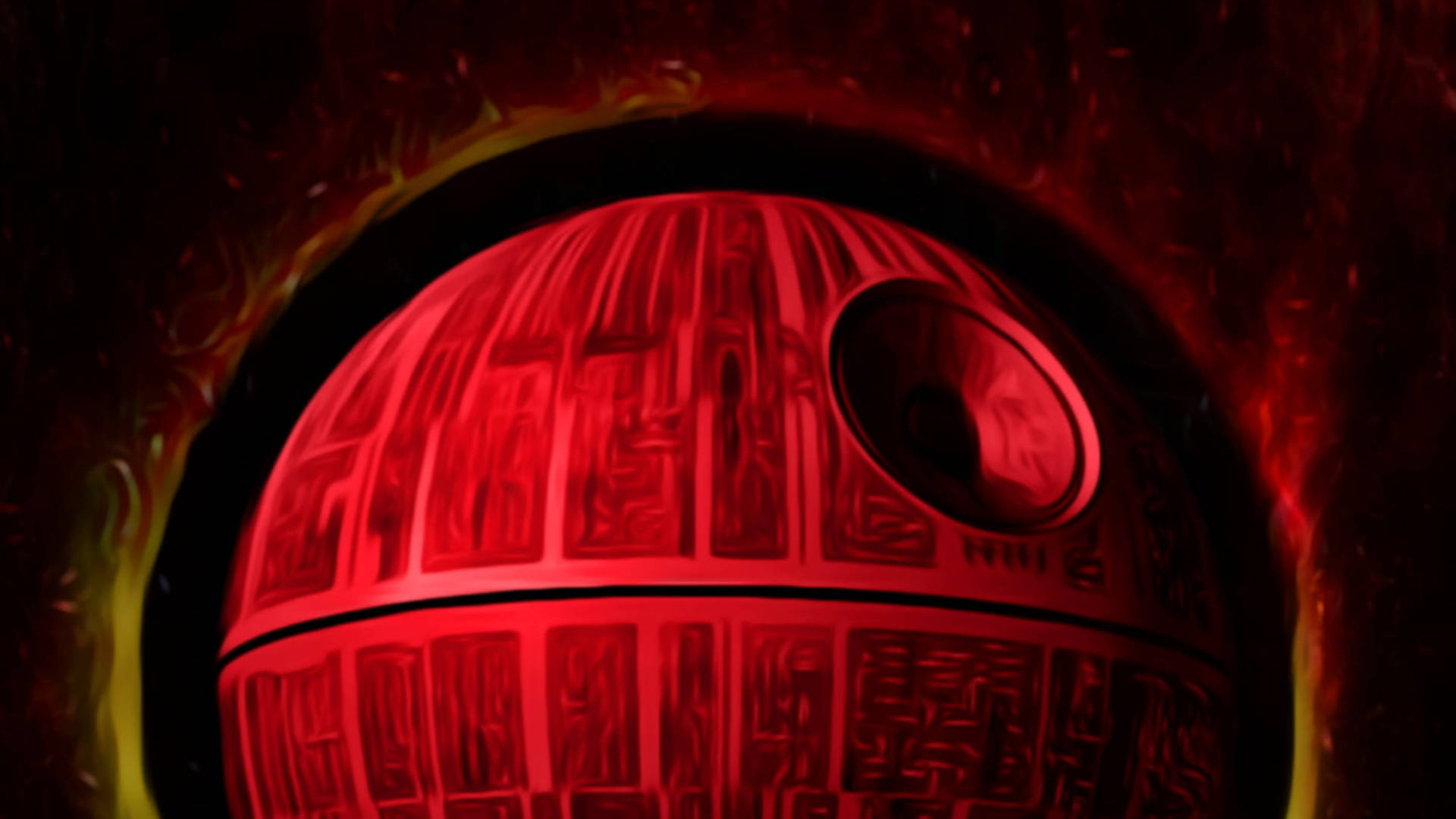
In the Star Wars canon and expanded lore, there are two primary completed Death Star orbital battle stations: the DS-1 Orbital Battle Station (destroyed at the Battle of Yavin) and the DS-2 Orbital Battle Station (destroyed at the Battle of Endor). Additionally, several prototypes, spiritual successors like Starkiller Base, and miniaturized superlaser technologies exist across the timeline.
The Evolution of the Ultimate Weapon
The concept of the Death Star was not a singular moment of inspiration but a multi-decade engineering project that spanned the fall of the Republic and the height of the Galactic Empire. At its core, the Death Star represents the pinnacle of the Tarkin Doctrine—the philosophy of ruling through the fear of overwhelming force rather than force itself. By creating a weapon capable of destroying an entire planet, the Empire sought to render conventional rebellion impossible.
To understand the scope of "all Death Stars," one must look beyond the two famous spheres seen in the original trilogy. The project involved secret research facilities, slave labor on a galactic scale, and the exploitation of rare kyber crystals, the same stones that power Jedi lightsabers. As of 2026, our understanding of these stations is informed by both the primary film records and the deep-lore documentation provided by historical archives like the Star Wars Databank.
The DS-1 Orbital Battle Station (The First Death Star)
The first Death Star, officially designated as the DS-1 Orbital Battle Station, is the most iconic of the series. Its construction began in secret during the final years of the Clone Wars. Originally designed by Geonosian engineers under the direction of Count Dooku and Poggle the Lesser, the project was seized by the Republic (and subsequently the Empire) following the Battle of Geonosis.
Technical Specifications and Scale
The DS-1 measured approximately 160 kilometers in diameter. It was organized into two hemispheres, further subdivided into 24 zones. The station was powered by a massive hypermatter reactor, which fueled the primary weapon: a concave superlaser disk. This weapon utilized eight separate tributary beams that converged into a single, planet-killing blast.
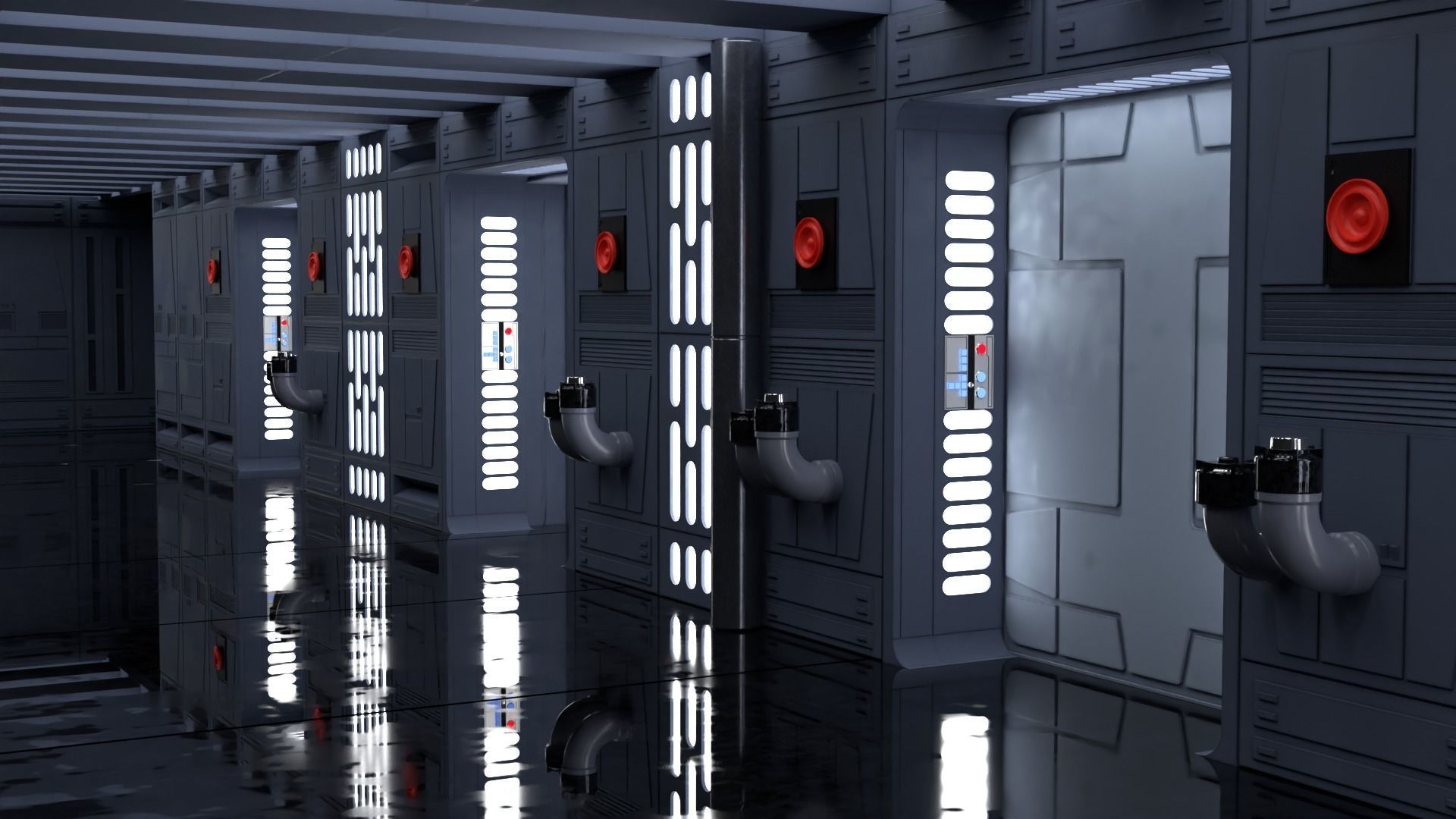
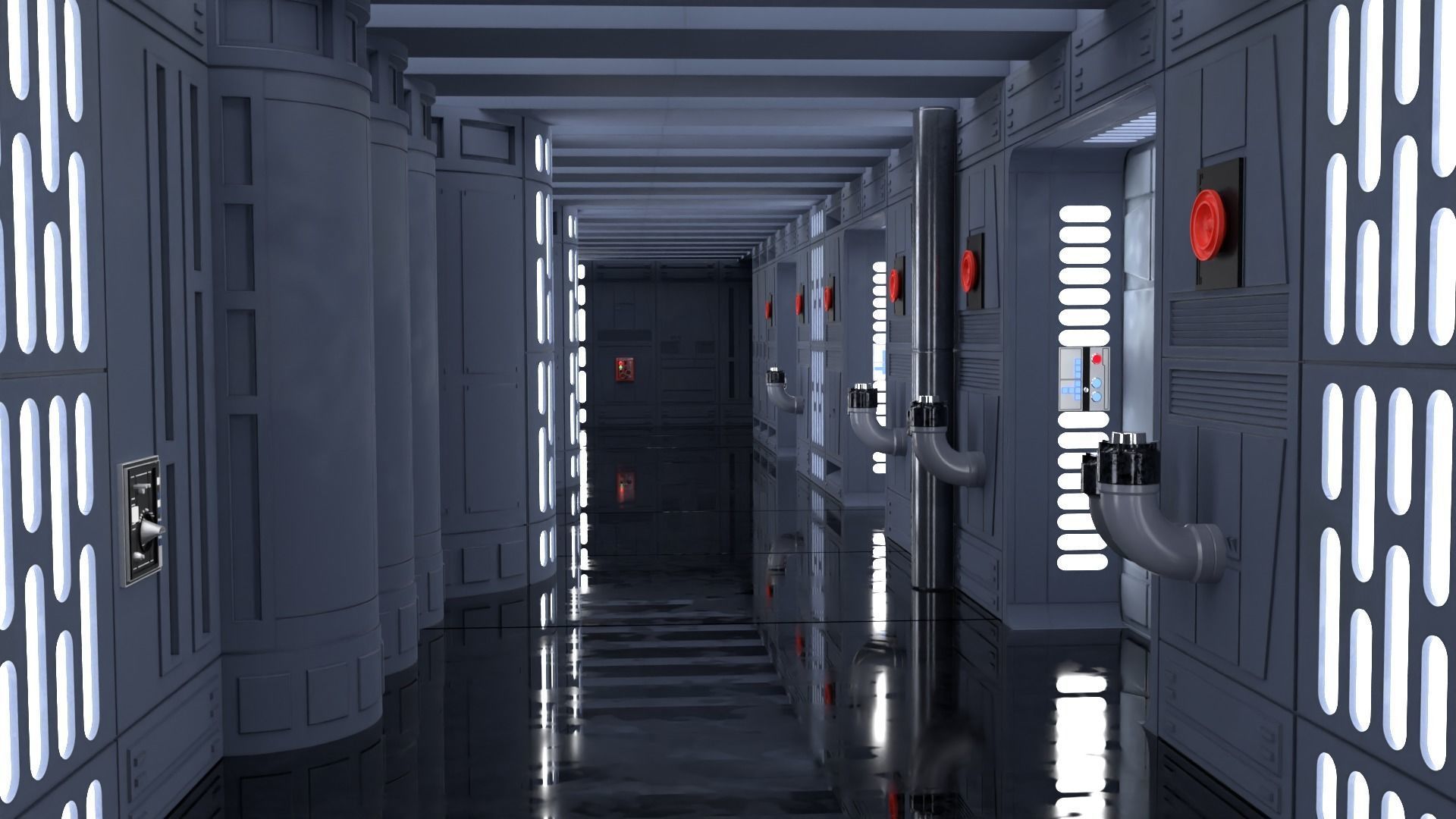
The station's crew was immense, consisting of over 1.1 million personnel, including Imperial Navy officers, Stormtroopers, and technical droids. It functioned as a mobile world, complete with parks, shopping areas, and canteens, all designed to keep the crew operational during long deployments in deep space.
The Erso Sabotage
A critical component of the first Death Star’s history is the "flaw" located in its thermal exhaust port. As revealed in historical records regarding the Battle of Scarif, scientist Galen Erso intentionally designed a localized instability in the reactor system. He ensured that a direct hit to the exhaust port would trigger a chain reaction, leading to the station's total destruction. This vulnerability was exploited by Luke Skywalker during the Battle of Yavin, resulting in the Empire’s first major defeat.
The DS-2 Orbital Battle Station (The Second Death Star)
Following the destruction of the first station, Emperor Palpatine immediately commissioned a second, even more formidable version. The DS-2 was constructed in orbit around the forest moon of Endor. It was significantly larger than its predecessor, estimated at roughly 200 kilometers in diameter, providing it with vastly more internal space for weapons systems and troop housing.
Improved Lethality and Defense
The DS-2 addressed many of the shortcomings of the first station. Most notably, the superlaser was modified to have a significantly shorter recharge time. While the first Death Star required 24 hours to prime a full-power blast, the second could fire every few minutes with enough precision to target individual capital ships.
Furthermore, instead of a single vulnerable exhaust port, the DS-2 utilized millions of millimeter-wide heat-dispersion tubes. This made a "one-in-a-million" shot impossible. The station was also protected by a powerful shield generator located on the nearby moon of Endor, making it invulnerable to space-based attacks until the ground-based generator was disabled.
The End of the Empire
The DS-2 was never fully completed. The Emperor utilized the station as a lure to draw the Rebel Alliance into a final, decisive battle. Despite its operational superlaser, the station was destroyed when Lando Calrissian and Wedge Antilles flew into the incomplete superstructure and detonated the main reactor after the planetary shield was brought down by Han Solo’s strike team.
Precursors, Prototypes, and the "Death Star" Legacy
Beyond the two main stations, the Star Wars universe contains several other entities that fall under the "Death Star" umbrella, whether through design lineage or shared technology.
The Prototype Death Star (Legends Lore)
In the Expanded Universe (now classified as Legends), a Prototype Death Star existed within the Maw Installation, a secret research facility hidden near black holes. This version was essentially a skeletal frame housing the core reactor and the superlaser. It lacked the armored hull and city-like infrastructure of the DS-1 but proved that the technology could function.
Starkiller Base: The Spiritual Successor
While not technically a "Death Star" in name, Starkiller Base (seen in the sequel era) represents the ultimate evolution of the concept. Rather than a manufactured station, the First Order converted the planet Ilum into a mobile weapon. Starkiller Base was 660 kilometers in diameter—significantly larger than the DS-2—and used "quintessence" energy harvested from stars to destroy entire star systems simultaneously.
The Xyston-class Star Destroyers
The final iteration of Death Star technology appeared during the rise of the Final Order. Instead of a single massive station, the Empire’s remnants outfitted a fleet of thousands of Xyston-class Star Destroyers with axial superlasers. Each ship possessed the power to destroy a planet, effectively decentralizing the Death Star’s power and making it much harder to eliminate the threat with a single strike.
Comparative Overview of All Death Star Iterations
The following table compares the primary characteristics of the major planet-killing assets developed by the Empire and its successor states.
| Feature | DS-1 (First Death Star) | DS-2 (Second Death Star) | Starkiller Base | Xyston-class Fleet |
|---|---|---|---|---|
| Diameter | 160 km | 200 km | 660 km | 2.4 km (Ship Length) |
| Primary Power | Hypermatter Reactor | Hypermatter Reactor | Solar Quintessence | Miniature Reactor |
| Weapon Recharge | 24 Hours | Minutes | Hours (Requires Star) | Minutes |
| Vulnerability | Thermal Exhaust Port | Internal Reactor Core | Thermal Oscillator | Axial Superlaser Port |
| Era | Imperial (Rise) | Imperial (Height) | First Order | Final Order |
| Construction | 20+ Years | ~4 Years | 30+ Years | Decades (Secret) |
The Operational Logic of a Moon-Sized Station
Why did the Empire commit such vast resources to these stations? The answer lies in the logistics of galactic control. In a galaxy with millions of inhabited worlds, a conventional navy—no matter how large—cannot be everywhere at once. The Death Star was intended to be a psychological deterrent.
Kyber Crystal Technology
The secret to the Death Star's power was the use of kyber crystals. For millennia, these crystals were used by the Jedi to focus energy into blades. The Empire’s Project Celestial Power, led by Director Orson Krennic, found a way to use giant, synthesized, and looted crystals to focus the energy of a hypermatter reactor into a beam capable of overcoming a planet's gravitational binding energy.
The Cost of Construction
The economic impact of building these stations was staggering. The Empire diverted resources from thousands of worlds, leading to localized famines and industrial collapses. However, the Emperor viewed these costs as necessary. The Death Star was not just a weapon; it was a statement that the era of the Senate and local autonomy was over.
Common Misconceptions About Death Stars
Despite their fame, several details about these stations are frequently misunderstood by casual observers of galactic history.
- There were not hundreds of them: Some believe the Empire had a fleet of Death Stars. In canon, only two were built to near-completion as stations. The later fleet of Star Destroyers carried the weapon, but they were not "Death Stars" in the structural sense.
- They were not invincible: Both stations relied on the assumption that small, one-man fighters posed no threat. This "hubris of scale" was the primary reason for their downfall.
- The DS-2 was not a "rebuild": It is often called a rebuild of the first, but the DS-2 was a completely new design with significantly upgraded power systems and defenses.
FAQs
How many Death Stars were actually built?
In the official Star Wars canon, two spherical Death Star stations were built. The first was fully operational and destroyed at Yavin. The second was partially completed but functionally operational when it was destroyed at Endor. If you include spiritual successors, Starkiller Base and the Xyston fleet also utilize the same planet-killing technology.
Who designed the original Death Star?
The initial conceptual designs were created by Geonosian industries under Poggle the Lesser. However, the project was vastly refined and brought to fruition by Imperial scientists, most notably Galen Erso, who was responsible for the energy conversion systems, and overseen by Director Orson Krennic and Grand Moff Tarkin.
How big is a Death Star compared to the Moon?
The first Death Star was 160 kilometers in diameter. For comparison, Earth's Moon is approximately 3,474 kilometers in diameter. This means the Death Star was much smaller than a natural moon but still large enough to be mistaken for one from a distance, as famously noted by Obi-Wan Kenobi.
Why did the Second Death Star look unfinished?
The DS-2 was "unfinished" by design to lure the Rebel Alliance into a trap. While the outer hull was incomplete, the internal weapons systems and the main reactor were already functional. The Emperor wanted the Rebels to believe it was a helpless target.
Can a Death Star move through hyperspace?
Yes. Both the DS-1 and DS-2 were equipped with massive hyperdrive banks. Despite their size, they could travel between star systems, allowing the Empire to threaten any world in the galaxy on short notice.
Strategic Recommendations for Future Analysis
For those studying the history of the Galactic Civil War or the engineering of superweapons, the Death Star remains the primary case study in "centralized power failure." When analyzing these stations, researchers should focus on the following next steps:
- Review "Rogue One" Records: To understand the specific engineering of the DS-1 and the sacrifice of the Erso family.
- Study the Tarkin Doctrine: To understand the political motivation behind why a government would choose a single massive target over a distributed fleet.
- Examine Kyber Physics: For those interested in the technical hurdles of energy focusing at a planetary scale.
As we look back from 2026, the Death Stars serve as a reminder of the dangers of unchecked technological ambition and the resilience of those who oppose total control.