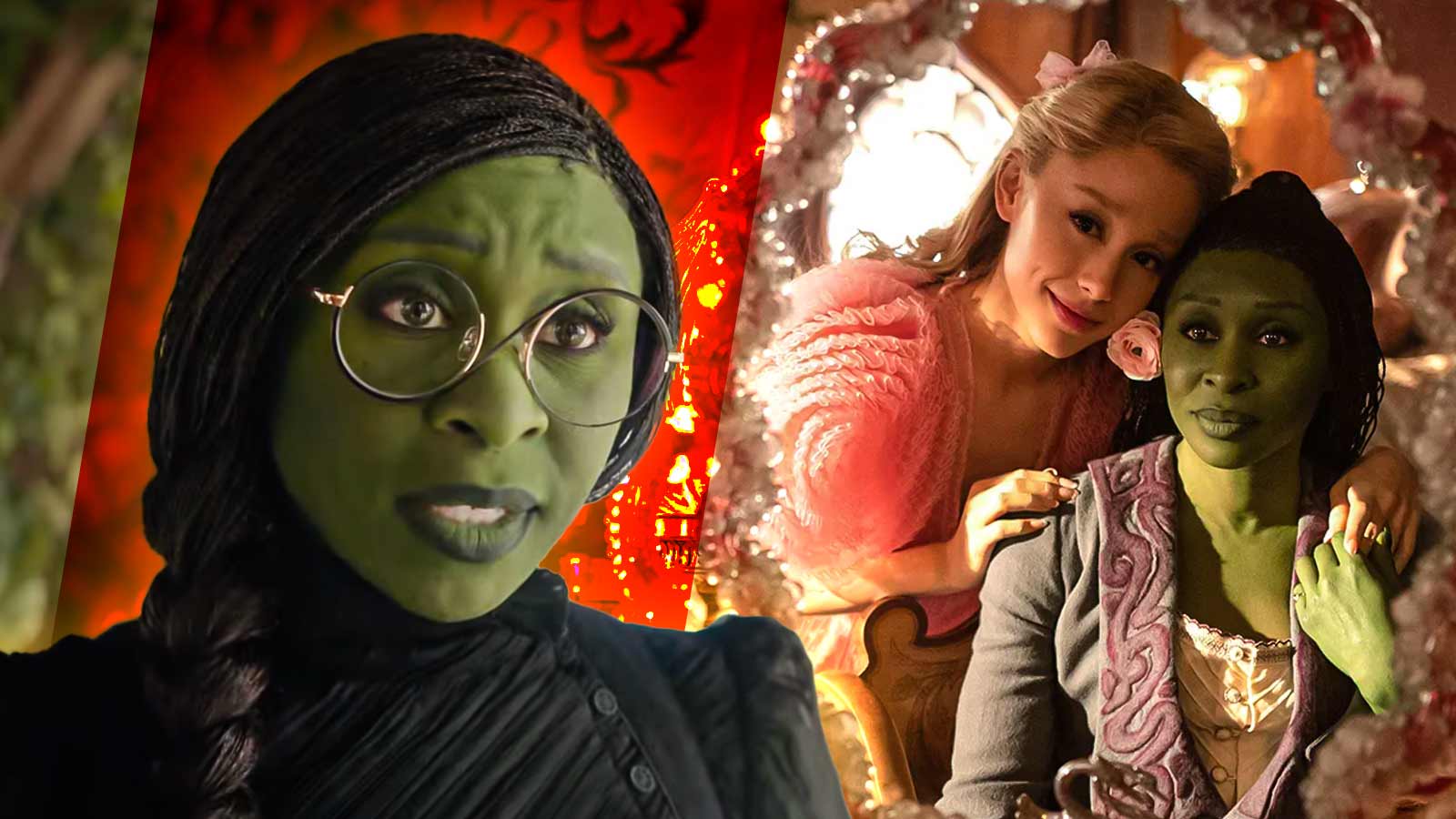
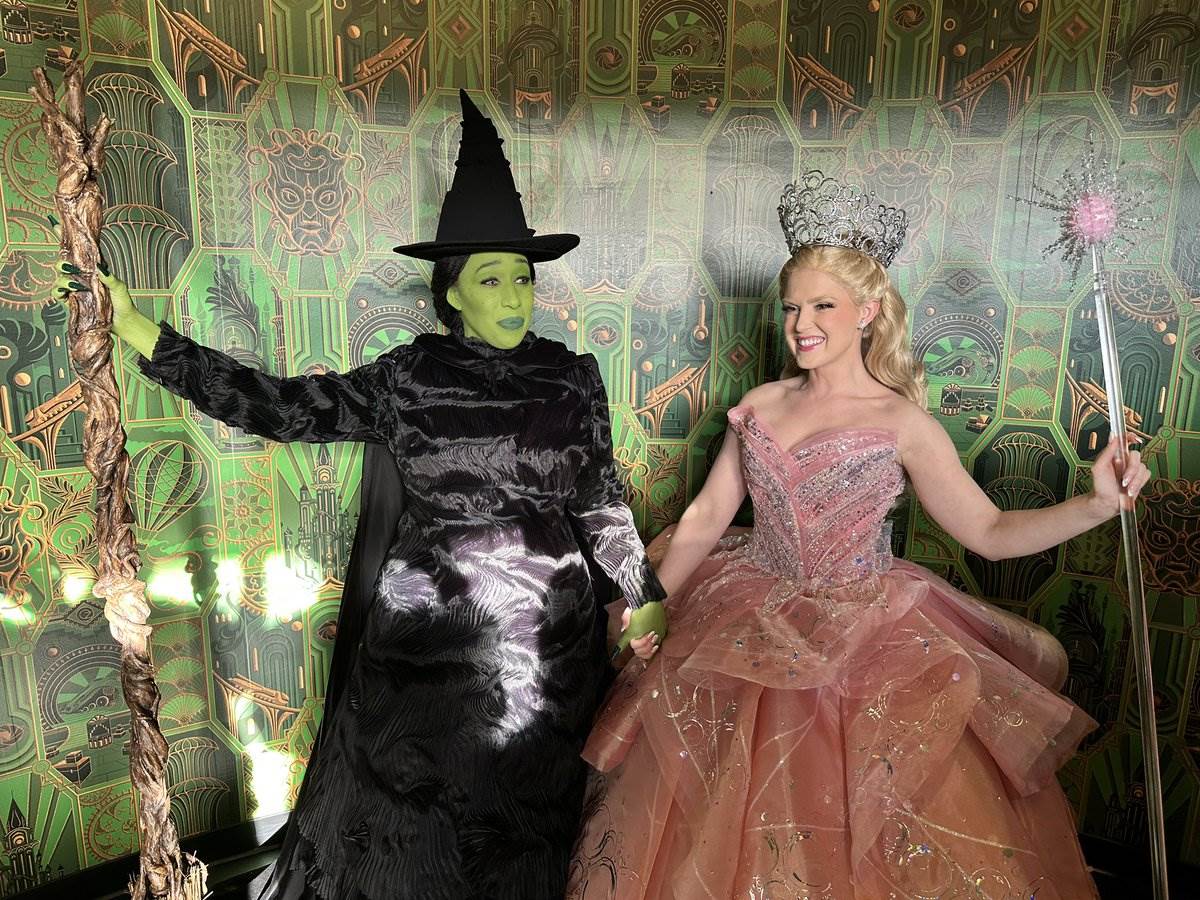
The characters in Wicked: The Musical provide a complex, revisionist look at the Land of Oz, transforming familiar figures from L. Frank Baum’s 1900 novel into multi-dimensional individuals with intricate backstories. From the misunderstood Elphaba to the ambitiously "popular" Glinda, the musical explores themes of friendship, political corruption, and the subjective nature of "wickedness."
Whether you are preparing to see the production for the first time in 2026 or are a long-time "Ozzian" looking to deepen your understanding of the cast, this guide explores every significant character, their narrative arcs, vocal requirements, and their eventual roles in the broader Oz mythology.
The Protagonists: A Study in Contrast
The heart of Wicked is the unlikely friendship between two women who meet at Shiz University. Their relationship serves as the emotional anchor of the show, and their character development represents the core of the narrative.
Elphaba Thropp (The Wicked Witch of the West)
Elphaba is the primary protagonist of the musical. Born with emerald-green skin due to a mysterious elixir her mother drank, she is an outcast from birth. Elphaba is fiercely intelligent, socially awkward, and possesses a strong sense of justice. Unlike the cackling villain of the 1939 film, the musical’s Elphaba is a revolutionary and an animal rights activist.
Her journey is one of self-discovery and disillusionment. She begins the story hoping to work alongside the Wizard to "do good," but she soon realizes that the Wizard’s regime is built on the oppression of Oz’s Talking Animals. Her decision to "defy gravity" is not an act of evil, but an act of rebellion against a corrupt government.
- Vocal Range: Mezzo-Soprano with a high belt (F3–F5, Bb5).
- Key Songs: "The Wizard and I," "I'm Not That Girl," "Defying Gravity," "No Good Deed," "For Good."
Glinda the Good (Formerly Galinda Upland)
Glinda starts the musical as Galinda, a wealthy, popular, and somewhat shallow blonde from the Upper Uplands. She is initially Elphaba’s rival, driven by a desire for admiration and social status. However, beneath her bubbly exterior lies a capacity for genuine compassion and a sharp political mind.
Throughout the show, Glinda learns that being "good" is often a matter of public perception rather than private morality. By the end of the musical, she assumes the role of the "Good Witch" not because she is perfect, but because she recognizes that Oz needs a leader who can offer hope, even if it is based on a curated image. Her character arc from a self-absorbed student to a burdened public figure is one of the most profound in modern musical theater.
- Vocal Range: Soprano with a strong coloratura (G3–C6, E6).
- Key Songs: "Popular," "Dancing Through Life," "Thank Goodness," "For Good."
Supporting Characters and Love Interests
The supporting cast of Wicked provides the necessary catalysts for the protagonists' growth, often representing the collateral damage of the political upheaval in Oz.
Fiyero Tigelaar
Fiyero is a Winkie prince who arrives at Shiz University with a reputation for being a "scandalous" party boy. He introduces the philosophy of "Dancing Through Life," advocating for a surface-level existence to avoid the pain of deeper thought.
His character undergoes a significant transformation when he falls in love with Elphaba. He realizes that his shallow persona was a mask for his own insecurities and lack of purpose. Fiyero eventually sacrifices his status and safety to protect Elphaba, leading to his transformation into the Scarecrow—a creative reimagining of the character from the original Oz lore.
- Vocal Range: Tenor (F3–G4).
- Key Songs: "Dancing Through Life," "As Long As You're Mine."
Nessarose Thropp (The Wicked Witch of the East)
Nessarose is Elphaba’s younger sister. She uses a wheelchair and is initially portrayed as delicate and beautiful, the "favorite" child of their father. However, her story is a tragedy of bitterness and unrequited love.
After her father gives her a pair of jeweled (silver/ruby) slippers, and Elphaba later enchants them to allow her to walk, Nessarose becomes a tyrannical ruler of Munchkinland. Her desperation to keep Boq by her side leads her to use magic she doesn't fully understand, cementing her path toward becoming the Wicked Witch of the East.
- Vocal Range: Mezzo-Soprano (Ab3–Ab5).
- Key Songs: "The Wicked Witch of the East," "Dancing Through Life" (reprise).
Boq
Boq is a Munchkin student at Shiz who is hopelessly in love with Glinda. In an attempt to impress her, he agrees to escort Nessarose to the Ozdust Ballroom, a decision that traps him in a life of servitude to the Thropp sisters. His narrative concludes with a horrific transformation: when Nessarose accidentally shrinks his heart with a spell, Elphaba saves him by turning him into a man made of tin, who can live without a biological heart.
- Vocal Range: Tenor (G3–G4).
- Key Songs: "Dancing Through Life," "March of the Witch Hunters."
The Antagonists and Authority Figures
In Wicked, the line between hero and villain is blurred. The antagonists are often motivated by a desire for order, power, or a "common enemy" to unite the people of Oz.
The Wonderful Wizard of Oz
The Wizard is not a magical being but a "humbug" from Omaha who arrived in Oz in a hot air balloon. In the musical, he is a charismatic but morally bankrupt leader who maintains power by scapegoating the Animals. He represents the "banality of evil"—he isn't necessarily a monster, but a man who values his own popularity and comfort over the rights of others.
- Vocal Range: Baritone (D3–F4).
- Key Songs: "A Sentimental Man," "Wonderful."
Madame Morrible
The Headmistress of Shiz University and later the Wizard’s Press Secretary. Madame Morrible is a formidable sorceress and a master of propaganda. She is the true architect of Elphaba’s downfall, using her control over the weather and the media to brand Elphaba as "wicked" once the young witch refuses to cooperate with the Wizard’s agenda. She represents the danger of institutional power.
- Vocal Range: Contralto (G3–Bb4).
- Key Songs: "The Wizard and I" (intro), "Thank Goodness."
Doctor Dillamond
The only Animal professor at Shiz University, Doctor Dillamond is a Goat who teaches history. He is the first to notice the systemic discrimination against Animals in Oz. His eventual "silencing"—where he loses the ability to speak like a human—is the turning point that drives Elphaba to seek an audience with the Wizard. He serves as the moral conscience of the first act.
- Vocal Range: Baritone (G2–A4).
- Key Songs: "Something Bad."
Minor Characters and Ensemble Roles
The world of Oz is populated by various figures who flesh out the backstory of the main characters and the political climate of the land.
- Chistery: A young monkey who is transformed by Elphaba and the Wizard’s spell into a Flying Monkey. He represents the unintended consequences of Elphaba’s early attempts at magic.
- Frexpar Thropp (The Governor of Munchkinland): Elphaba and Nessarose’s father. He is cold and distant toward Elphaba, blaming her for her mother's death and her own green skin.
- Melena Thropp: Elphaba’s mother. Her affair with a mysterious traveler (later revealed to be the Wizard) resulted in Elphaba’s birth.
- The Midwife: Appears in the opening "Prologue" to announce the birth of the green baby.
- Pfannee and ShenShen: Glinda’s sycophantic friends at Shiz University.
Summary of Character Attributes and Vocal Ranges
For those involved in theater production or academic study, the following table summarizes the key technical requirements and narrative roles for the primary cast as of 2026.
| Character | Role Type | Vocal Range | Primary Motivation |
|---|---|---|---|
| Elphaba | Protagonist | Mezzo (F3–F5, Bb5) | Justice and Truth |
| Glinda | Protagonist | Soprano (G3–C6) | Popularity and Leadership |
| Fiyero | Love Interest | Tenor (F3–G4) | Authenticity and Love |
| The Wizard | Antagonist | Baritone (D3–F4) | Power and Acceptance |
| Madame Morrible | Antagonist | Contralto (G3–Bb4) | Political Influence |
| Nessarose | Supporting | Mezzo (Ab3–Ab5) | Affection and Control |
| Boq | Supporting | Tenor (G3–G4) | Unrequited Love |
| Dr. Dillamond | Supporting | Baritone (G2–A4) | Animal Rights |
Character Dynamics: The "Unlimited" Theme
One of the most important aspects of the characters in Wicked is how they interact through the musical’s "Unlimited" motif. This musical theme, which borrows the first seven notes of "Over the Rainbow," appears when characters are experiencing a moment of profound realization or power.
- Elphaba and Glinda: Their relationship moves from hatred to a reluctant alliance, then to a deep, platonic love. Their final duet, "For Good," acknowledges that they have been permanently altered by knowing each other.
- Elphaba and the Wizard: Their relationship is a "father-daughter" dynamic that is tragically subverted. In a twist original to the musical (and Maguire’s book), it is revealed that the Wizard is Elphaba’s biological father, making their political enmity a familial tragedy.
- The Love Triangle: Fiyero, Elphaba, and Glinda form a complex triangle where the "popular" couple (Fiyero and Glinda) is dismantled by the soul-deep connection between the two outcasts (Fiyero and Elphaba).
The Legacy of Character Casting
Since its debut in 2003, Wicked has been a star-making vehicle. The original Broadway cast featured Idina Menzel as Elphaba and Kristin Chenoweth as Glinda. Menzel’s powerhouse vocals and Chenoweth’s operatic range set the technical standard for the roles.
As we move through 2026, the characters have been interpreted by hundreds of actors globally. The recent cinematic adaptations have also introduced these characters to a new generation, emphasizing the cinematic scale of the "Flying Monkeys" and the intricate clockwork of the Time Dragon Clock, which overlooks the stage and serves as a silent "character" representing fate.
More information on current and historical casting can be found on the official Wicked the Musical website or through Playbill’s vault.
Frequently Asked Questions
Is the Scarecrow really Fiyero?
Yes, in the context of the musical. After Fiyero is captured by the Wizard’s guards and tortured at the cornfield, Elphaba performs a spell to save his life, promising that he will not feel pain. This spell transforms his skin into cloth and his bones into straw, effectively making him the Scarecrow. This allows him to survive and eventually reunite with Elphaba in secret.
Why is Elphaba green?
In the musical, Elphaba’s green skin is the result of her mother, Melena, drinking a green elixir provided by her lover (the Wizard) during their affair. This elixir acted as a catalyst that permanently altered Elphaba’s pigmentation before birth.
Does Glinda know the Wizard is Elphaba’s father?
No. By the end of the musical, the audience and Elphaba (implied) understand the connection, but Glinda remains unaware. She banishes the Wizard from Oz without knowing his biological link to her best friend.
What happens to Nessarose and Boq?
Nessarose becomes the "Wicked Witch of the East" and is eventually killed when Dorothy’s house lands on her. Boq, transformed into the Tin Man by Elphaba’s attempt to save him, survives but is led to believe that Elphaba is the one who took his heart and humanity, leading to his participation in the "Witch Hunt."
Are there any characters from the book not in the musical?
Several. The book by Gregory Maguire features a much darker tone and characters like Turtle Heart (a Quadling) and Sarima (Fiyero’s wife), who are omitted from the musical to focus on the central friendship between Elphaba and Glinda.
Final Recommendation for Fans
To fully appreciate the depth of these characters, it is recommended to listen to the Original Broadway Cast Recording while reading the lyrics. The lyrical motifs created by Stephen Schwartz provide subtle clues into the characters' inner lives that are often missed on a first viewing. If you are attending a performance in 2026, pay close attention to the ensemble; many actors play multiple citizens of Oz, representing the "mob mentality" that ultimately defines the political landscape of the show.