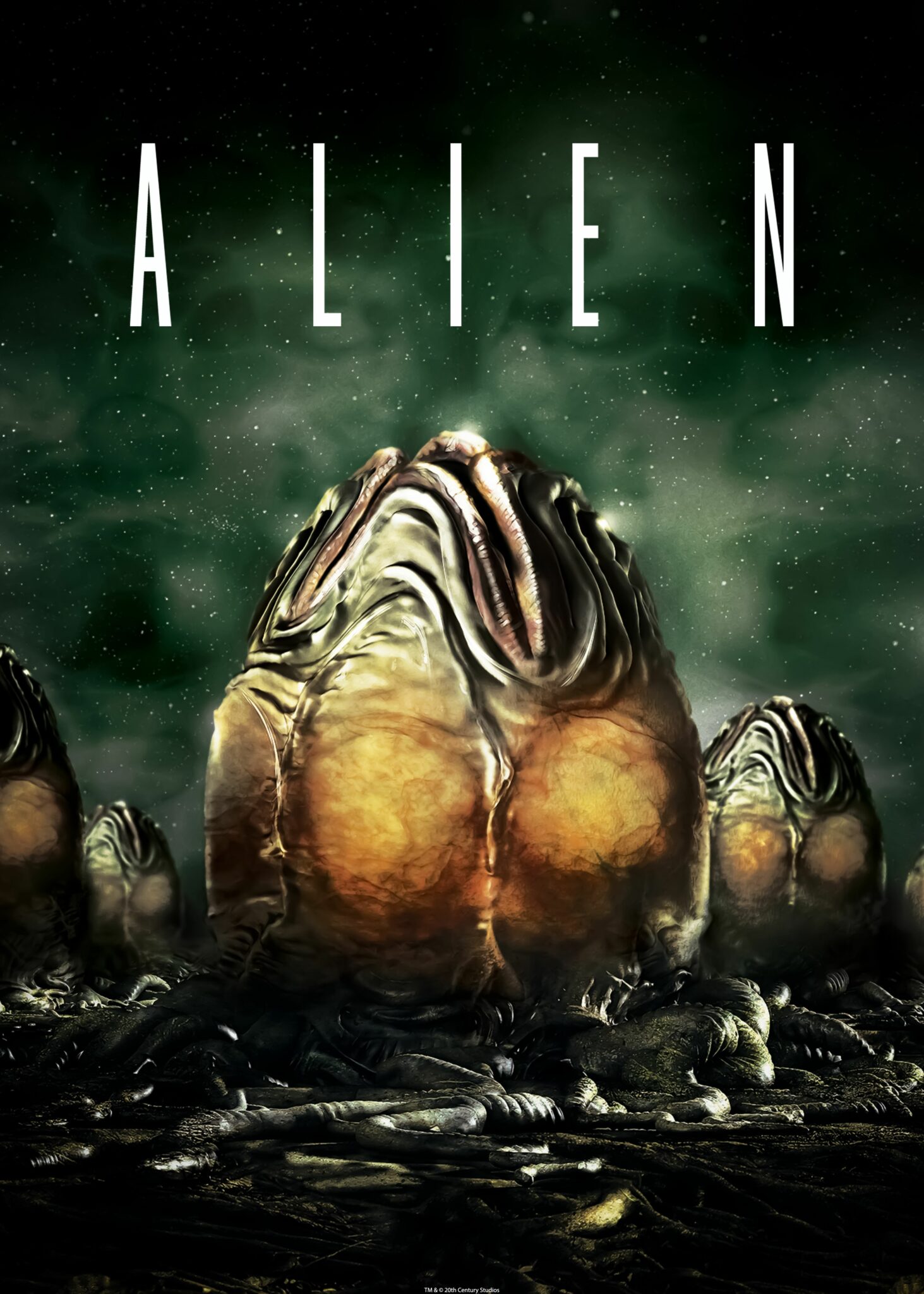
Navigating the expansive Alien and Predator cinematic universe can be complex, as the franchise includes solo entries, prequels, and crossover films that operate across different timelines. This guide organizes the films into chronological order to clarify the shared history and explains the distinct nature of the Predator creature to resolve confusion regarding how these two iconic science fiction entities interact.
Understanding the Cinematic Timelines
To watch these films in order, one must distinguish between the Alien series, the Predator series, and the Alien vs. Predator (AvP) crossovers. The Alien franchise primarily focuses on the life cycle of the Xenomorph, a parasitic extraterrestrial organism, while the Predator franchise focuses on the Yautja, an advanced, extraterrestrial warrior species that treats hunting sentient beings as a rite of passage.
The chronological order of the combined universe is often debated by fans due to the divergence of Prometheus and Alien: Covenant from the original Alien aesthetic. However, by strictly following the timeline of events depicted on screen, you can experience the progression of humanity’s encounters with these extraterrestrial threats.
Chronological Viewing Order of the Combined Universe
When viewing the films chronologically, it is helpful to place them according to the date of the events depicted within the story rather than their theatrical release dates.
| Film Title | Release Year | Narrative Timeline Placement |
|---|---|---|
| Prey | 2022 | Early 18th Century |
| Predator | 1987 | 1987 |
| Predator 2 | 1990 | 1997 |
| Alien vs. Predator | 2004 | 2004 |
| Aliens vs. Predator: Requiem | 2007 | 2004 |
| Predators | 2010 | 2010 |
| The Predator | 2018 | 2018 |
| Prometheus | 2012 | 2093 |
| Alien: Covenant | 2017 | 2104 |
| Alien | 1979 | 2122 |
| Alien: Romulus | 2024 | 2142 |
| Aliens | 1986 | 2179 |
| Alien 3 | 1992 | 2179 |
| Alien: Resurrection | 1997 | 2381 |
Predator Explained: Identity and Motivation
The "Predator" is the common name for the Yautja, a highly advanced extraterrestrial species characterized by their technological sophistication, such as cloaking devices and plasma weaponry, and their obsession with hunting dangerous prey for sport. Unlike the Xenomorph, which acts as a biological organism driven by survival and propagation, the Yautja are sentient, possess a rigid warrior culture, and operate under a complex honor code.
They travel to Earth, and other planets, specifically to track and kill formidable adversaries. They value trophies—typically the skulls of their prey—as symbols of prestige. While they are antagonists in their respective films, they are not mindless monsters. In Predator 2 and the Alien vs. Predator films, the Yautja demonstrate a sense of "honor" by sparing humans who are unarmed or who have proven themselves to be worthy warriors.
The Xenomorph: The Counterpart
In contrast, the Xenomorph is a masterclass in biological horror. First introduced in the 1979 film Alien, the creature evolves through a specific life cycle: the Facehugger, the Chestburster, and the adult Xenomorph. It is a hive-based predator designed for efficiency. It lacks the complex motivation or weaponry of the Yautja, instead relying on immense physical strength, acidic blood, and a predatory intelligence that makes it nearly impossible to contain. When these two entities meet in the AvP series, the conflict is often categorized as a "hunting ground" scenario, where the Yautja utilize the Xenomorph as the ultimate prey to test their young warriors.
Critical Differences in Narrative Structure
- Environmental Threat vs. Targeted Hunter: Alien films are typically claustrophobic survival horror. The characters are trapped in a confined space—a ship, a space station, or a colony—with a creature that is actively dismantling them. Predator films are generally action-thrillers where the protagonists are usually military-trained specialists fighting an equal or superior intelligent force in an outdoor or semi-enclosed environment.
- Technological vs. Biological: The Predator’s threat comes from its intelligence and gear. You can often see, outsmart, or negotiate with a Predator if you understand its code. The Xenomorph is a biological machine. It cannot be reasoned with; it can only be delayed or destroyed through superior firepower or environmental manipulation.
Navigating the Prequel Paradox
The release of Prometheus in 2012 shifted the focus of the Alien franchise from the creature itself to the origin of humanity and the "Engineers" who created the black goo (pathogen) that eventually leads to the birth of the Xenomorph. If your goal is to understand the "Alien" timeline, these films are essential, though they change the tone from "haunted house in space" to "philosophical science fiction." When watching these in order, acknowledge that the lore shifts significantly, focusing on the android David and his obsession with creating the perfect biological organism.
Troubleshooting Common Viewing Confusion
- Why is Aliens vs. Predator ignored in the main Alien timeline? The AvP films are often viewed as a "side-universe." The events of the Alien prequels (Prometheus and Covenant) generally conflict with the history established in AvP. Most fans treat the AvP films as a separate continuity that bridges the two brands but does not strictly govern the established Alien canon.
- Should I watch Prey? Prey is a highly regarded installment that acts as a prequel to the entire Predator series. It establishes the Yautja’s presence on Earth long before modern times, demonstrating that their ritual hunts have been ongoing for centuries.
- What about the Alien sequels? Aliens, Alien 3, and Alien: Resurrection follow a linear progression of Ellen Ripley’s struggle against the Xenomorphs. After the events of Alien: Resurrection, the timeline essentially ends, leaving the series to be picked up by the prequel films.
Practical Recommendations for a Franchise Marathon
If you are planning to experience the full scope of these stories, consider the following approach:
- The Action-First Approach: Start with Predator (1987) and move through the Predator films, finishing with Prey. This establishes the Yautja culture.
- The Horror-Focused Approach: Start with Alien (1979) and continue through Aliens and Alien 3. If you enjoy the atmosphere, move backward into the Prometheus prequels.
- The Crossover Experiment: Only engage with the AvP films if you are interested in seeing how the two iconic species interact in a shared environment. Do not treat them as foundational to the core Alien narrative.
For the most immersive experience, prioritize high-quality sound and visual settings, as both franchises rely heavily on lighting—specifically the use of deep shadows in the Alien films and the thermal/cloaking visuals of the Predator films. If you are using a streaming service in 2026, verify if the "Director’s Cut" or "Extended Editions" are available, as these versions often contain critical scenes that flesh out the motivations of both the Yautja and the corporate entities (like Weyland-Yutani) that drive the conflicts in the Alien films.
Frequently Asked Questions
Does the Predator have its own version of the Xenomorph? The Predators do not possess the Xenomorph, but they do "farm" them. They use the Xenomorphs as a right of passage for young Predators to prove their hunting prowess. This is why the Xenomorph is often seen as a challenging, high-value target for a Yautja hunter.
Are the Engineers related to the Predators? No. The Engineers (from Prometheus) and the Predators (from Predator) are entirely different species. The Engineers are human-like architects of biological weapons, while the Predators are warrior-culture hunters. There is no canonical link between the two species.
Where does Alien: Romulus fit in? Alien: Romulus takes place between Alien (2122) and Aliens (2179), specifically in the year 2142. It serves as an interquel, providing a bridge between the atmosphere of the original 1979 film and the more aggressive military action seen in the 1986 sequel.
Is it necessary to watch the Predator movies to understand Alien? Not at all. The Alien films stand perfectly well on their own as a horror-survival franchise. The Predator lore only adds context if you are specifically interested in the crossover films or the AvP expanded universe.
Why is there so much confusion about the timeline? The confusion stems from the fact that the franchise spans several decades of filmmaking, multiple directors with different visions, and the introduction of "reboot-style" prequels. Ridley Scott, who directed the original Alien, has a specific vision for the origins of the creature that often supersedes the "fun" crossover logic used in AvP.
Final Recommendation
To fully grasp the hierarchy of these creatures, start with the 1987 Predator to understand the Yautja and the 1979 Alien to understand the Xenomorph. Once you are familiar with the distinct "rules" of each monster, watch the Alien series in the chronological order provided in the table above to appreciate the evolution of the Xenomorph as a biological threat, then branch into the Predator films if you enjoy the high-stakes, tactical hunt format.