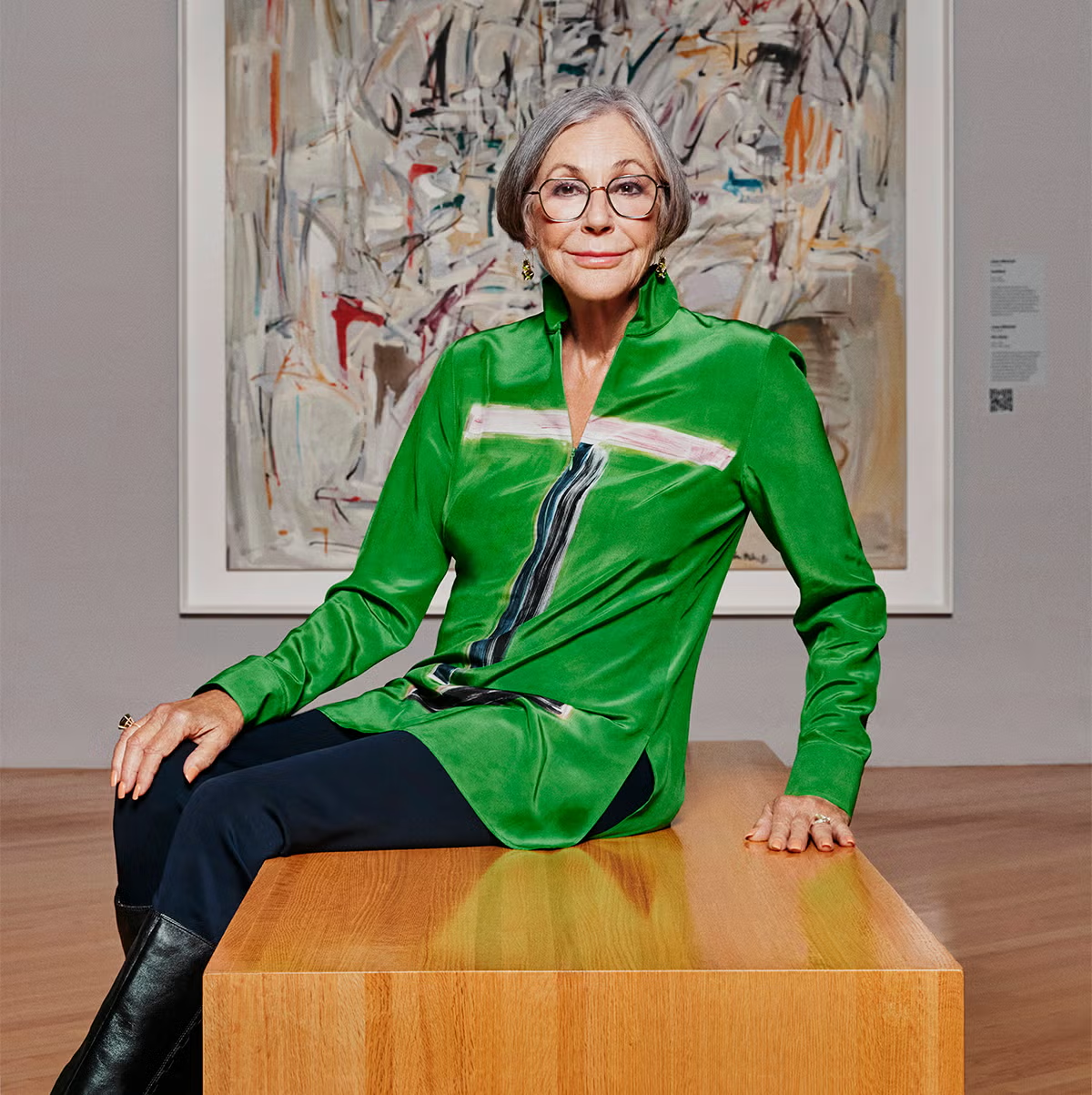
Alice Walton’s net worth is primarily derived from her significant equity stake in Walmart Inc., the multinational retail corporation founded by her father, Sam Walton. As of 2026, her fortune is managed through complex holding companies and trusts, supplemented by a world-class art collection and strategic diversified investments.
Understanding the source of Alice Walton’s wealth requires more than a glance at a stock ticker. While she is best known as an heiress to the Walmart fortune, the structure of her wealth, the historical growth of her equity, and her pivot toward cultural philanthropy provide a blueprint for how generational wealth is preserved and expanded in the 21st century. Unlike her brothers, Rob and Jim Walton, Alice has largely remained outside the day-to-day operations of the retail giant, focusing instead on curation and investment, yet her financial standing remains inextricably linked to the performance of the world’s largest retailer.
The Foundation of Wealth: The Walmart Equity Structure
The undisputed cornerstone of Alice Walton’s net worth is her ownership in Walmart Inc. (WMT). This wealth was not merely "given" in a single sum but has been carefully cultivated through various legal entities designed to manage the Walton family’s massive interest in the company.
Walton Enterprises LLC
The majority of the Walton family’s shares are held through Walton Enterprises LLC. This private entity serves as the primary vehicle for the family’s controlling interest in Walmart. By holding shares through an LLC, the family maintains a unified voting block, ensuring that the vision of Sam Walton continues to influence the company’s trajectory even decades after his passing. Alice, as a partner in Walton Enterprises, owns a proportionate share of these holdings, which fluctuate in value based on Walmart’s market capitalization.
The Walton Family Holdings Trust
In addition to the LLC, a significant portion of Alice’s wealth is managed via the Walton Family Holdings Trust. This trust is frequently used for the systematic sale of shares to fund philanthropic endeavors and to diversify the family’s assets without relinquishing overall control of the company. For investors and analysts, filings with the U.S. Securities and Exchange Commission (SEC) provide a transparent view of how these shares are moved and liquidated.
By 2026, Walmart’s expansion into integrated healthcare, advanced e-commerce logistics, and AI-driven supply chain management has solidified the company’s stock value, directly bolstering Alice’s net worth. Even as the retail landscape shifts, the sheer scale of Walmart’s physical and digital footprint ensures that her primary source of wealth remains resilient against market volatility.
Dividend Income: The Engine of Liquidity
While the "paper wealth" of Alice Walton is tied to stock price, her actual liquidity—the cash used for her lifestyle, art acquisitions, and philanthropy—comes largely from dividends. Walmart has a long-standing history of increasing its dividend payments, a trend that has continued into the mid-2020s.
As one of the largest individual shareholders, Alice receives hundreds of millions of dollars in annual dividend payouts. This "passive" income stream allows her to accumulate vast sums of capital without needing to sell her core equity. This strategy is a hallmark of billionaire wealth management: living off the yield while the principal asset continues to appreciate.
| Wealth Component | Primary Source | Management Vehicle | Role in Net Worth |
|---|---|---|---|
| Core Equity | Walmart Inc. (WMT) | Walton Enterprises LLC | Major growth driver; represents ~90% of total wealth. |
| Liquid Capital | Corporate Dividends | Personal Brokerage | Provides cash flow for acquisitions and philanthropy. |
| Cultural Assets | Fine Art Collection | Crystal Bridges Museum | High-value tangible assets; historical appreciation. |
| Real Estate | Ranching/Luxury Properties | Private Holdings | Diversified physical assets and lifestyle holdings. |
| Diversified Portfolios | Private Equity/Venture Capital | Walton Investment Team | Hedging against retail sector downturns. |
The Role of Art as a Financial Asset
Alice Walton is unique among the Walton heirs for her transition from retail heiress to one of the world's preeminent art collectors. Her "source" of wealth in 2026 includes a collection valued in the billions of dollars. This is not merely a hobby; it is a sophisticated asset class.
Crystal Bridges Museum of American Art
In 2011, she founded the Crystal Bridges Museum of American Art in Bentonville, Arkansas. While the museum is a non-profit entity, the personal collection Alice has amassed over decades—including works by Andy Warhol, Norman Rockwell, and Georgia O'Keeffe—represents a massive concentration of value. Art of this caliber often appreciates at a rate that outpaces traditional market indices, serving as a hedge against inflation and currency devaluation.
Her acquisitions, such as the 2014 purchase of Georgia O'Keeffe's "Jimson Weed/White Flower No. 1" for $44.4 million, demonstrate a strategic approach to high-value assets. By 2026, the valuation of her private and donated collections has become a significant talking point for wealth managers who study the intersection of philanthropy and asset preservation.
Diversification Beyond Walmart
While Walmart remains the primary source, Alice Walton has strategically diversified her interests. In the late 1980s, she founded Llama Company, an investment bank. Although the firm eventually closed, it marked the beginning of her independent financial path.
Real Estate and Equine Interests
For many years, Alice was heavily involved in the cutting horse industry, owning significant ranching properties in Texas, such as the Rocking W Ranch. While she eventually sold much of her ranching interests to focus on the Crystal Bridges museum, the proceeds from these sales were reinvested into other diversified portfolios.
In 2026, her real estate portfolio includes luxury residences and strategic land holdings that provide a secondary layer of wealth. These assets are managed through private family offices that employ a "wealth-tech" approach, utilizing data analytics to maximize the yield on non-retail investments.
The Impact of Tax Strategy and Estate Planning
A significant reason Alice Walton’s net worth remains at the top of global rankings is the family’s mastery of estate planning and tax mitigation. The use of Charitable Lead Annuity Trusts (CLATs) and other sophisticated financial instruments has allowed the Walton family to transfer wealth across generations while minimizing the impact of estate taxes.
By structuring her wealth through these vehicles, Alice ensures that the "source" of her net worth—Walmart equity—remains largely intact. This prevents the "dilution" of wealth that often plagues other billionaire families over several generations. The 2026 fiscal environment has seen several shifts in capital gains and inheritance laws, but the Walton's proactive legal structures have historically shielded their core assets from significant erosion.
Comparative Analysis: Alice Walton vs. Global Peers
To understand the scale of Alice Walton's wealth source, it is helpful to compare it to other high-net-worth individuals whose wealth is derived from similar sectors.
- Francoise Bettencourt Meyers: Like Walton, her wealth is sourced from a family-founded giant (L'Oréal). Both women represent the "heiress-professional" model where wealth is maintained through holding companies (Tethys for Bettencourt Meyers, Walton Enterprises for Walton).
- Jeff Bezos: Unlike Walton, his wealth is "self-made" from Amazon. However, both rely on the dominance of e-commerce and retail logistics.
- Warren Buffett: Buffett’s wealth is sourced from diversified insurance and conglomerate holdings (Berkshire Hathaway). Walton's wealth is more concentrated, though Walmart itself has become a conglomerate in its own right by 2026.
Challenges and Volatility in 2026
No wealth source is entirely without risk. In 2026, Alice Walton’s net worth faces specific headwinds:
- Regulatory Scrutiny: Increased antitrust look-backs into Walmart’s market dominance can lead to stock volatility.
- Retail Evolution: The shift toward decentralized finance (DeFi) and direct-to-consumer (DTC) models requires Walmart to constantly reinvent itself to maintain its share price.
- Economic Cycles: As a retail-based fortune, her net worth is sensitive to consumer spending habits and global supply chain stability.
Despite these factors, the "Walton Moat"—the combination of massive scale, physical infrastructure, and brand loyalty—continues to protect her primary source of income.
Frequently Asked Questions
Does Alice Walton still work at Walmart?
No, Alice Walton does not hold an active role in the day-to-day management or the board of directors of Walmart. Unlike her brothers, she has chosen to focus her professional life on the arts, philanthropy, and personal investments. Her wealth is a result of her ownership stake rather than a corporate salary.
How much of Walmart does Alice Walton own?
While exact percentages fluctuate due to trust distributions and share buybacks, Alice Walton, along with her brothers, owns approximately 50% of Walmart’s total shares. This collective ownership is managed through Walton Enterprises LLC and the Walton Family Holdings Trust, making them the most powerful voting block in the company.
What is the single largest purchase Alice Walton has made?
Beyond business investments, her most significant financial outlays are in the art world. Her purchase of "Jimson Weed/White Flower No. 1" for $44.4 million set a record for a female artist at the time, but her cumulative investment in the Crystal Bridges Museum of American Art, which exceeds $1.2 billion in endowment and construction, represents her largest capital allocation.
How does her wealth compare to her brothers?
Alice, Jim, and Rob Walton generally have very similar net worths because their wealth is derived from the same source: their equal split of the family’s Walmart stake. Minor differences arise from their individual private investments, real estate holdings, and philanthropic spending.
Is her wealth entirely inherited?
The foundation of her wealth is the inheritance of Walmart stock from her father, Sam Walton. However, the growth of that wealth from a few billion to the massive sum it is in 2026 is due to the company's expansion under the family’s stewardship and her own strategic management of dividends and diversified assets.
Summary of Next Actions for Researchers
For those looking to track the precise movements of Alice Walton's wealth source, the following steps are recommended:
- Monitor SEC Form 4 Filings: These documents record any time a Walton family member or their associated trusts sell Walmart shares.
- Analyze Walmart’s Quarterly Earnings: Since her wealth is 90% correlated with WMT stock, the company’s performance in the e-commerce and grocery sectors is the best indicator of her net worth trajectory.
- Follow Art Market Indices: Significant shifts in the valuation of American Art will impact the "hidden" billions within her private collection.
Alice Walton’s net worth is a testament to the power of equity in a dominant global enterprise. By 2026, she has transitioned from a simple heiress to a sophisticated steward of a multi-dimensional fortune, proving that the source of one’s wealth is only the beginning of the story; how that wealth is managed, diversified, and utilized defines its true legacy.