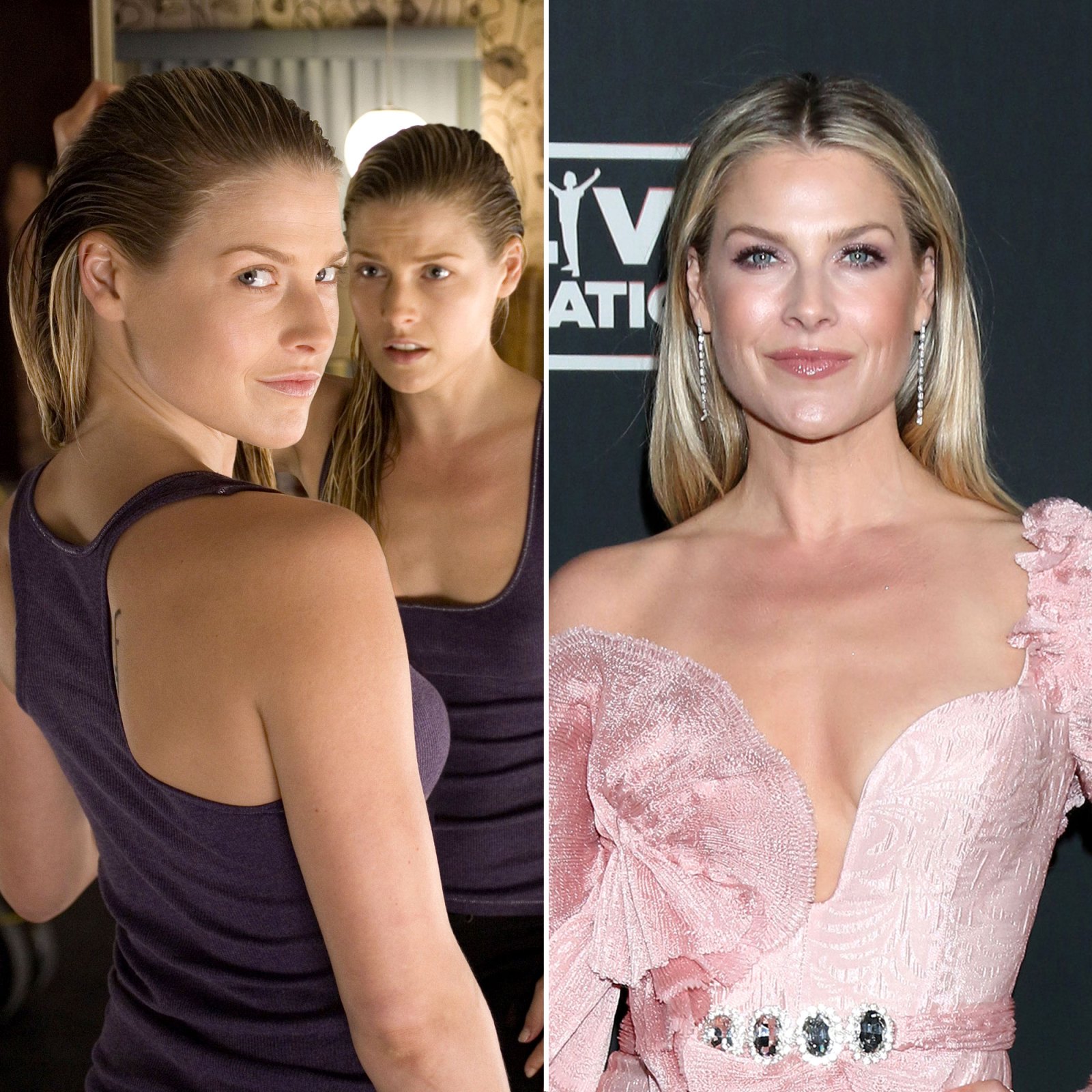
Ali Larter is a prominent American actress and former model, widely recognized for her dynamic performances in blockbuster horror franchises, iconic science fiction television series, and diverse independent dramas. Throughout her career, she has established a reputation for balancing high-octane physical roles with nuanced character work, marking her as a staple of early 2000s genre cinema and modern television.
Early Life and Transition to Acting
Born Alison Elizabeth Larter on February 28, 1976, in Cherry Hill, New Jersey, Ali Larter’s journey into the entertainment industry began in the fashion world. At the age of 13, she was scouted by the Ford Modeling Agency, leading to a prolific period of international travel and editorial work. Living in major cultural hubs such as New York, Milan, and Tokyo during her teenage years provided Larter with early exposure to diverse environments, which she often cites as a formative period for her eventual transition into performance arts.
By the late 1990s, Larter shifted her focus from the runway to the screen. Her entry into acting was characterized by guest appearances in popular television programs such as Suddenly Susan and Chicago Sons. These early roles served as the foundational training ground for her comedic timing and on-camera presence, setting the stage for her breakthrough in the film industry.
Breakthrough in Horror and Cult Cinema
Larter’s career trajectory shifted dramatically toward the end of the 1990s, when she secured roles that would define her early cinematic identity. Her performance in the 1999 ensemble comedy Varsity Blues, portraying Darcy Sears, provided her with significant mainstream exposure. However, it was her subsequent move into the horror genre that cemented her status in Hollywood.
The Final Destination Impact
In 2000, Larter starred as Clear Rivers in the supernatural horror film Final Destination. The film’s premise—a group of teenagers escaping a plane crash only to be hunted by death—became a cultural phenomenon. Larter’s portrayal of a character who survives the initial catastrophe and attempts to decipher the rules of fate established her as a "scream queen" with depth. She reprised the role in Final Destination 2 (2003), a rarity in horror sequels that helped sustain the franchise's continuity and popularity among audiences.
Television Success: The Heroes Era
Perhaps the most significant chapter in Larter’s professional biography is her tenure on the NBC science fiction drama Heroes, which premiered in 2006. In the series, she took on the complex dual role of Niki Sanders and Tracy Strauss.
The character of Niki Sanders was a woman struggling with dissociative identity disorder, manifesting as a super-powered alter ego named Jessica. This role required Larter to portray two distinct psychological profiles, shifting between a vulnerable mother and a lethal, strength-endowed fighter. The physical demands of the role, combined with the psychological weight of the performance, showcased her range as an actress capable of handling serialized, long-form character development. Her participation in the show during its peak popularity from 2006 to 2010 introduced her to a massive global audience and solidified her status as a lead performer in high-concept television.
Filmography Analysis: Key Roles and Genres
Larter’s filmography is marked by a clear preference for projects that require physical commitment and intense emotional stakes. Beyond her horror work, she has explored various genres, including action, thriller, and romantic comedy.
The Resident Evil Franchise
Joining the Resident Evil film series in 2007, Larter portrayed Claire Redfield, a pivotal character based on the original Capcom video game series. Appearing in Resident Evil: Extinction, Resident Evil: Afterlife, and Resident Evil: The Final Chapter, she worked extensively with stunt choreography and practical effects. Her involvement in this franchise highlights her ability to maintain character consistency across long-running action series while performing in heavy-production environments.
Comparative Look at Notable Roles
The following table outlines key performances that define Larter’s career trajectory and the specific requirements of those roles.
| Film/Show | Role | Genre | Primary Performance Demand |
|---|---|---|---|
| Varsity Blues | Darcy Sears | Comedy/Drama | Relatability and comedic timing |
| Final Destination | Clear Rivers | Horror | Tension and survival psychology |
| Heroes | Niki/Tracy | Sci-Fi/Drama | Split personality and stunt work |
| Resident Evil | Claire Redfield | Action/Horror | Physical combat and franchise legacy |
| The Rookie | Dr. Grace Sawyer | Police Drama | Professionalism and emotional grounding |
Technical Proficiency and Acting Methodology
To understand Ali Larter’s longevity, one must look at the technical aspects of her approach to the camera. Unlike actors who limit themselves to method-based character studies, Larter has consistently demonstrated a "technical acting" approach—a style that prioritizes hitting marks, managing lighting and framing, and maintaining consistency in stunt-heavy environments.
This technical discipline is essential in CGI-heavy productions like Heroes or the Resident Evil franchise. When an actor is required to interact with non-existent entities (green screen work) or coordinate intricate physical movements with camera operators, the ability to maintain a performance under technical pressure is a highly valued skill. Larter’s ability to remain "on-track" during these demanding technical sequences has made her a reliable lead for studios managing large-scale, high-budget visual effects projects.
Personal Interests and Brand Representation
Outside of acting, Larter has been vocal about her interests in culinary arts and lifestyle branding. She published a cookbook titled Kitchen Revelry: A Year of Festive Menus and Favorites in 2013, which provided a look at her approach to hosting and home entertainment. This effort highlighted a pivot toward lifestyle content, demonstrating an ability to cultivate a personal brand that aligns with her public image—polished, organized, and creative.
Her professional choices have often reflected this duality: the high-intensity, dark roles of horror cinema contrasting with a refined, domestic presence in her public life. This bifurcation has allowed her to remain relevant in multiple spheres, from entertainment news to lifestyle media.
Navigating the Industry: Challenges and Adaptations
Maintaining a multi-decade career in Hollywood requires constant adaptation. The entertainment industry in the mid-2020s has shifted toward a streaming-first model, and Larter has transitioned alongside it, moving from network television staples to projects on platforms such as Hulu and ABC’s digital distribution ecosystem.
One of the challenges faced by actresses in genre cinema is the risk of typecasting. Larter managed this by consciously alternating between horror-thriller roles and character-driven drama. By securing roles in series like The Rookie, she demonstrated that she could pivot into procedural drama, moving away from the fantastical elements of her earlier career to find footing in grounded, contemporary storytelling.
Frequently Asked Questions
1. What was Ali Larter’s first major film role?
Larter’s breakthrough in film is widely considered to be the 1999 film Varsity Blues. While she had smaller credits before this, her role as Darcy Sears brought her significant mainstream attention and served as the catalyst for her subsequent casting in major studio productions.
2. Is Ali Larter still acting as of 2026?
Yes, Ali Larter remains an active actress. She continues to take on roles in both television and independent film, focusing on projects that align with her experience in character-driven narratives and action-oriented drama.
3. Did Ali Larter do her own stunts in Resident Evil?
While professional stunt performers handle high-risk maneuvers, Larter is known for her physical involvement in her roles. She underwent extensive training for her combat sequences in the Resident Evil franchise to ensure that the character of Claire Redfield appeared authentic during choreographed action scenes.
4. What is Ali Larter’s connection to the fashion industry?
Before her acting career, Larter worked as a professional model. She was signed to the Ford Modeling Agency and traveled extensively to work in fashion capitals including Milan and Paris. This background played a significant role in her comfort with the camera and her public appearance.
5. Why did Ali Larter play two roles in the show Heroes?
In Heroes, Larter portrayed Niki Sanders, who struggled with a dissociative identity disorder. The second persona, Jessica, had distinct personality traits and physical capabilities. Portraying both allowed the narrative to explore the character's internal conflict through a visual, performance-based medium rather than relying solely on dialogue.
Recommendation for Further Exploration
For those interested in studying Ali Larter's evolution as a performer, it is recommended to contrast her earlier work in Final Destination with her later performance in Heroes. By comparing these two distinct phases, viewers can observe the growth in her ability to handle complex narrative arcs versus the high-tension, limited-timeframe performance required in horror cinema. Observing her transition into procedural television, such as her appearances in The Rookie, offers further insight into her adaptability in the modern media landscape.