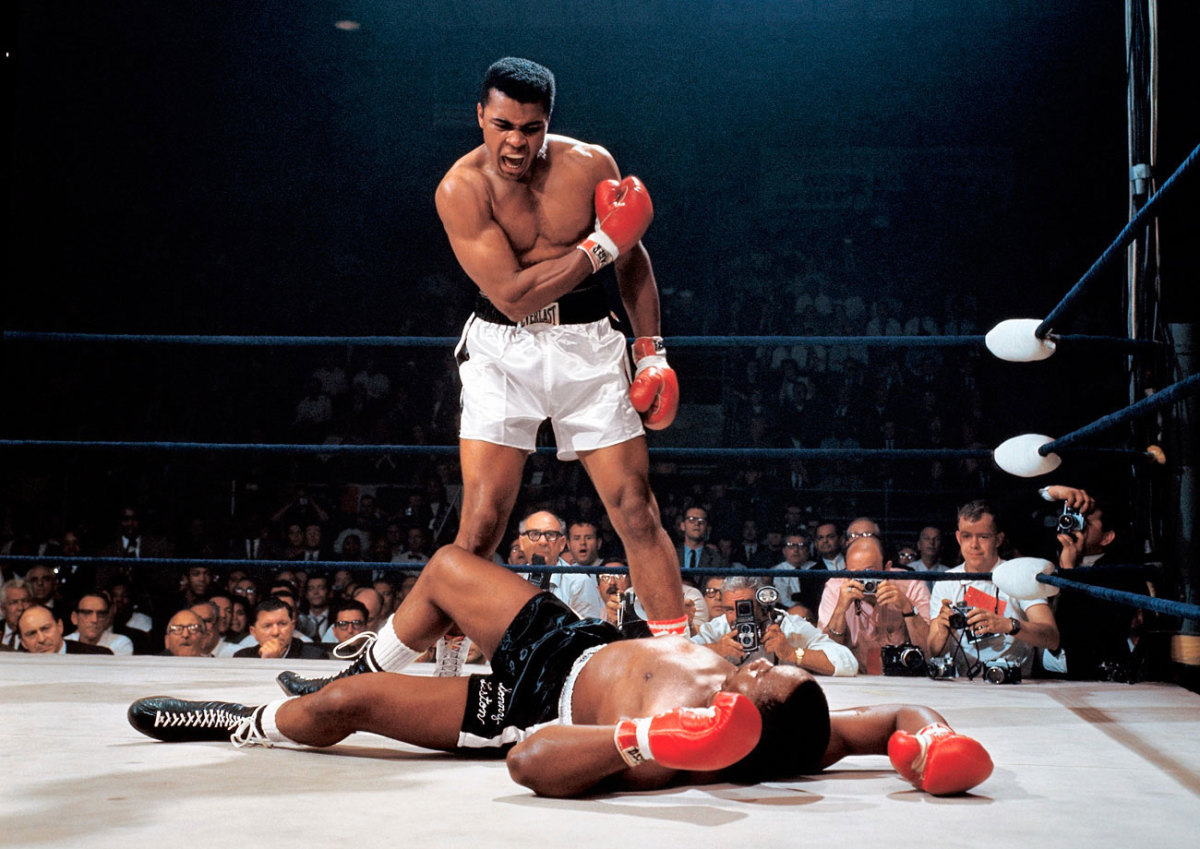
The return of Muhammad Ali to the boxing ring in Atlanta on October 26, 1970, against Jerry Quarry stands as one of the most significant and culturally complex moments in sports history. Banned from boxing for over three years due to his refusal to be inducted into the U.S. Army, Ali’s comeback in the segregated American South was not merely a athletic event, but a profound political, social, and legal milestone that permanently altered the landscape of modern athletics.
The Context of Exile: Why Atlanta?
To understand the weight of the Ali fight in Atlanta revisited, one must examine the circumstances that led to his nearly four-year absence from the sport. In April 1967, Muhammad Ali—then heavyweight champion of the world—refused military induction, citing his religious beliefs as a minister of the Nation of Islam and his opposition to the Vietnam War. The consequences were immediate and severe: his boxing license was revoked across all states, his passport was confiscated, and he was stripped of his championship title.
For 43 months, Ali was kept out of the ring during the physical peak of his career. While public opinion slowly shifted against the Vietnam War, finding a jurisdiction willing to grant him a boxing license proved exceedingly difficult. New York denied him, and most major boxing commissions followed suit.
Georgia, however, presented a unique loophole. At the time, the state of Georgia had no active state athletic commission to deny him a license. Instead, regulation fell to municipal entities, specifically the City of Atlanta Athletic Commission, which was heavily influenced by civil rights leaders, Black politicians, and local businessmen who recognized the immense economic and cultural value of hosting the former champion. Atlanta mayor Sam Massell and influential state senator Leroy Johnson played pivotal roles in navigating the political landscape to ensure the fight could proceed. Senator Johnson, the first African American elected to the Georgia State Senate since Reconstruction, used his political influence to secure the venue and protect the event from state-level interference.
The Cultural and Political Atmosphere of Atlanta in 1970
Atlanta in 1970 styled itself as "Too Busy to Hate," a moniker crafted by civic leaders to project an image of racial progress and economic modernization compared to other Deep South cities. However, the city was still deeply segregated and navigating the turbulent aftermath of the Civil Rights Movement.
When Ali arrived in Atlanta, he did not enter a neutral arena; he entered a crucible of Black political empowerment and white establishment anxiety. The city had become a burgeoning hub for Black wealth, education, and political organization, anchored by institutions like the Atlanta University Center and the Southern Christian Leadership Conference (SCLC).
Yet, the prospect of a high-profile Black athlete who had openly defied the federal government and criticized white America fighting in the heart of the South electrified the local population. Wealthy Black businessmen, celebrities, and civil rights icons flocked to the city. Stars like Diana Ross, Sidney Poitier, and Hank Aaron were ringside, turning the event into a massive social gathering that transcended sports. The fight served as an early indicator of Atlanta's emerging status as the capital of Black political and cultural life in America.
The Athletic Matchup: Muhammad Ali vs. Jerry Quarry
From a purely sporting perspective, the matchup against Jerry Quarry was an immense risk for Ali. Quarry was a top-tier, heavy-punching white heavyweight contender known for his toughness and technical prowess. Boxing experts and trainers openly questioned whether a fighter who had been inactive for over three years could withstand the pressure and conditioning required against a prime contender.
Ali’s camp, led by trainer Angelo Dundee, had to rebuild the fighter's timing, reflexes, and stamina. During his exile, Ali had maintained a degree of physical fitness through public speaking engagements, exhibitions, and non-strenuous training, but nothing could replicate the rigors of a professional heavyweight bout.
When the bell rang on October 26, 1970, at the Atlanta Municipal Auditorium, the atmosphere was electric. Ali showed flashes of his former self—the blurring hand speed, the lateral movement, and the psychological mastery—though he was noticeably heavier and slightly slower than he had been in 1967.
| Match Detail | Muhammad Ali | Jerry Quarry |
|---|---|---|
| Pre-Fight Status | Exiled for 3.5 years, former champion | Active, top-ranked heavyweight contender |
| Fighting Style | Out-boxer, speed, footwork, counter-puncher | Aggressive brawler, heavy hooks, relentless pressure |
| Outcome | TKO (Doctor Stoppage), Round 3 | Defeated due to severe laceration |
| Post-Fight Trajectory | Stepping stone toward Frazier and the "Fight of the Century" | Continued elite contender career in the 1970s |
The fight ended in the third round when a severe cut over Quarry’s left eye, caused by a sharp right hand from Ali, forced the ringside physician to stop the bout. Ali was declared the winner by technical knockout (TKO), validating his return and setting the stage for his subsequent battles with Oscar Bonavena and, ultimately, Joe Frazier.
The Legal and Societal Precedent Set by the Atlanta Bout
The significance of the Atlanta fight extends far beyond the canvas. The legal battles that forced states to reconsider licensing Ali laid the groundwork for his ultimate victory in the U.S. Supreme Court. In Clay v. United States (1971), the Supreme Court unanimously overturned his conviction for draft evasion, ruling that the Selective Service had improperly denied his conscientious objector claim.
The Atlanta bout proved that public sentiment and commercial viability could bypass political ostracization. Promoters realized that Ali was a global phenomenon whose drawing power transcended patriotic orthodoxies. By staging the fight in Atlanta, Ali and his legal/promotional team—including Herbert Muhammad—demonstrated that Black economic power and Southern political maneuvering could create a safe harbor for dissent.
Comparing the Atlanta Return to Ali's Later Historic Bouts
To fully appreciate the Atlanta fight in the arc of Ali’s career, it must be compared to his other landmark promotional moments.
- [Exile Era (1967-1970)]
- [Atlanta Comeback vs. Quarry (1970)] — Establishes viability, legal pressure
- [Fight of the Century vs. Frazier (1971)] — First defeat, global sporting peak
- [Rumble in the Jungle & Thrilla in Manila] — Apex of global cultural impact
- [Fight of the Century vs. Frazier (1971)] — First defeat, global sporting peak
- [Atlanta Comeback vs. Quarry (1970)] — Establishes viability, legal pressure
While the Rumble in the Jungle in Zaire (1974) and the Thrilla in Manila in the Philippines (1975) showcased Ali on the international geopolitical stage, the Atlanta fight was his domestic resurrection. It was the crucial first step that bridged the gap between his punished past and his legendary future. Without the logistical and political success of the Atlanta event, the subsequent mega-fights would not have been financially or logistically possible.
Common Misconceptions Regarding the Atlanta Fight
Several myths persist regarding Ali's return to the ring in Atlanta.
- Myth 1: It was his first fight back anywhere. Many casual observers assume Atlanta was his absolute first appearance, but legal hurdles actually delayed his return until Georgia provided the opening. A planned bout in Detroit earlier in 1970 had fallen through due to licensing complications.
- Myth 2: The fight was held at a major outdoor stadium. In contrast to his later bouts in massive outdoor arenas, the Atlanta fight took place indoors at the Atlanta Municipal Auditorium (now part of Georgia State University's campus), which held roughly 5,000 to 6,000 spectators, creating an intensely loud, claustrophobic environment.
- Myth 3: Atlanta city officials were universally supportive. While the mayor and select council members supported the event, parts of the white establishment and traditional civic organizations opposed it, viewing Ali as a radical and draft resistor who would bring unwanted civil unrest to the city.
Frequently Asked Questions
Why was Muhammad Ali banned from boxing prior to the Atlanta fight?
Ali was banned in April 1967 after refusing induction into the United States Armed Forces during the Vietnam War. State athletic commissions revoked his boxing license, and the New York State Athletic Commission stripped him of his heavyweight title, halting his career at its peak.
Who promoted the Ali vs. Quarry fight in Atlanta?
The fight was brought to fruition through a unique coalition, most notably backed by local Black businessman and state senator Leroy Johnson, along with national promoters who recognized the immense financial and cultural demand for Ali's return.
How did the fight against Jerry Quarry end?
The fight ended in the third round via technical knockout (TKO). Ali landed a series of punishing blows that opened a deep, severe cut over Jerry Quarry’s left eye, prompting the ringside physician to stop the match to protect the fighter's health.
What was the long-term impact of the Atlanta bout on Ali's career?
The Atlanta fight proved that Ali could still draw massive crowds and perform at an elite level. It generated the financial capital and momentum required for his subsequent bout against Oscar Bonavena and his historic first championship match against Joe Frazier in 1971.
Final Recommendations for Further Exploration
For historians, sports enthusiasts, and sociologists examining the intersection of athletics and civil rights, revisiting the Ali fight in Atlanta offers a masterclass in resilience. Researchers should consult primary archival materials from the City of Atlanta archives, contemporary reporting from The Atlanta Constitution and Jet magazine, and legal transcripts from the Supreme Court case Clay v. United States. Understanding this pivotal night requires looking past the sports page to see how one athlete leveraged his platform to challenge the legal and cultural boundaries of mid-century America.