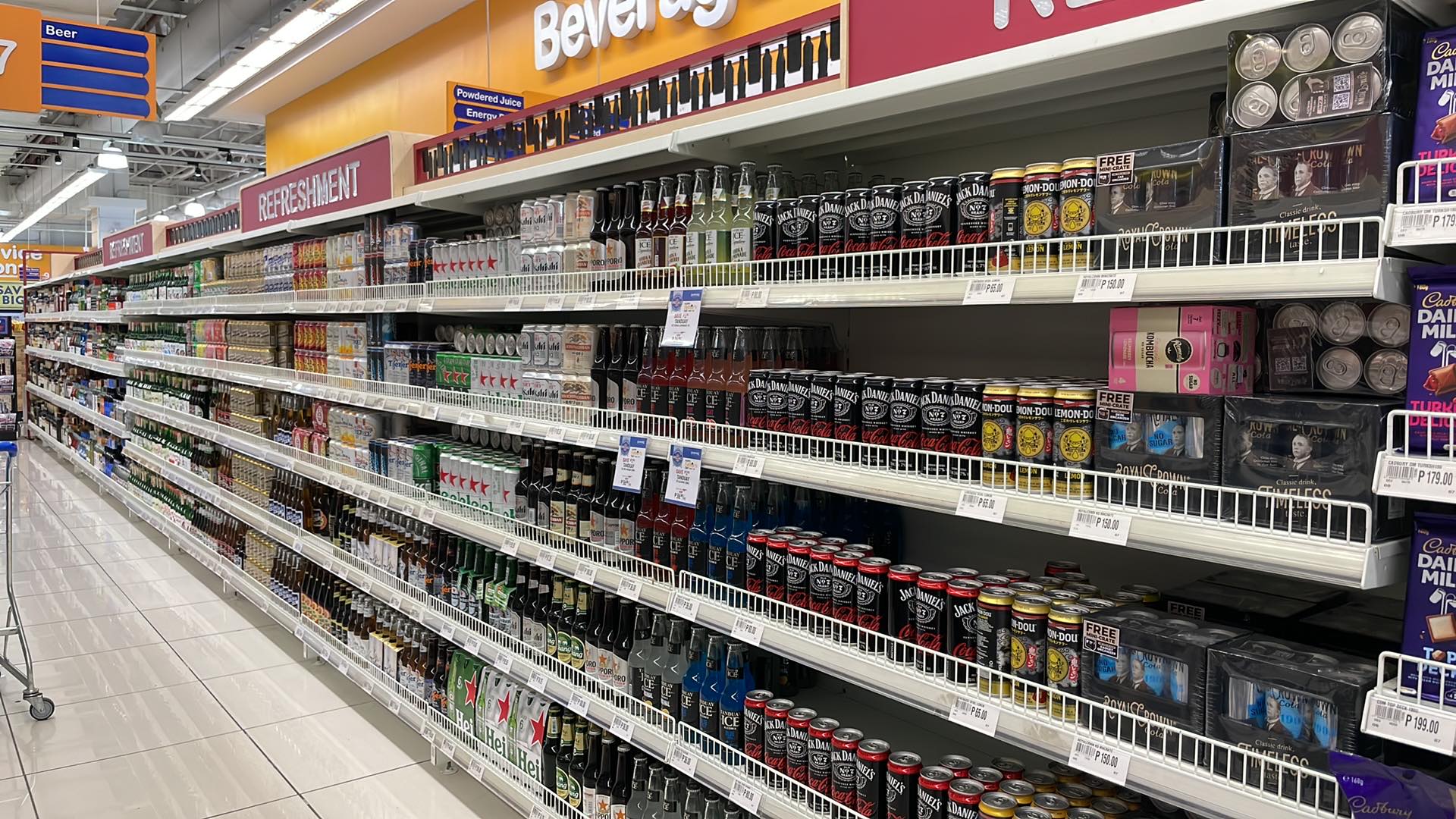
Alcohol days in corporate strategy refers to the deliberate planning and management of alcohol consumption during company-sanctioned events. In 2026, this involves transitioning from traditional "open bar" cultures toward inclusive, wellness-aligned frameworks. Modern strategies prioritize risk mitigation, psychological safety, and social inclusion to ensure networking opportunities do not compromise employee health or organizational liability.
The Evolution of Alcohol in Corporate Culture
The role of alcohol in business has undergone a radical transformation over the past decade. Historically, "alcohol days"—ranging from Friday afternoon beers to elaborate cocktail hours with clients—were considered essential for building rapport and closing deals. However, entering 2026, the corporate landscape treats alcohol not as a default social lubricant, but as a strategic variable that must be managed with the same rigor as any other operational risk.
This shift is driven largely by a changing workforce demographic. Gen Z and younger Millennials, who now comprise a significant portion of leadership roles, often prioritize "sober-curiosity" or total abstinence. Consequently, a corporate strategy that relies heavily on alcohol for team bonding risks alienating top talent. Companies are now implementing "Alcohol-Free Days" (AFD) or "Dry Networking" as core components of their engagement calendars to ensure that social capital is accessible to everyone, regardless of their relationship with alcohol.
Strategic Drivers for Alcohol Management in 2026
When developing a corporate strategy that addresses alcohol, leadership must look beyond simple HR policies. In 2026, several key drivers necessitate a formal, high-level approach to how and when alcohol is permitted in professional settings.
Diversity, Equity, and Inclusion (DEI)
Alcohol-centric events can inadvertently create barriers for various employee groups. This includes individuals whose religions prohibit alcohol (such as Islam or certain sects of Christianity and Buddhism), those in recovery, and those with health conditions. By making "alcohol days" the primary form of social interaction, companies fail to foster an inclusive environment. A strategic shift toward inclusive socializing ensures that "the room where it happens" is a room where everyone feels comfortable participating.
Psychological Safety and Workplace Harassment
There is a direct correlation between excessive alcohol consumption at corporate events and an increase in workplace harassment claims. Strategic management of alcohol involves recognizing that impaired judgment can lead to behavior that violates company conduct codes. In 2026, "Duty of Care" extends to the social sphere; companies that fail to regulate alcohol at their events are increasingly held liable for the toxic environments that may result.
Employee Wellness and Productivity
The modern ESG (Environmental, Social, and Governance) framework places heavy emphasis on employee well-being. Excessive corporate drinking cultures contribute to "presenteeism"—where employees show up for work but are not fully functional due to hangovers or poor sleep—and long-term health issues. Strategic alcohol policies are now viewed as a health intervention that lowers insurance premiums and boosts overall cognitive performance across the team.
Implementing an Alcohol-Free Day (AFD) Strategy
Transitioning to a more mindful approach requires more than just removing beer from the fridge. It requires a structured implementation plan that shifts the company's social DNA.
- Audit Current Social Norms: Before implementing changes, leadership must assess how much of the current "bonding" happens around alcohol. Surveys can reveal if employees feel pressured to drink to fit in.
- Define Clear Objectives: Is the goal to reduce liability, improve inclusion, or support wellness? Defining the "Why" helps in communicating the strategy to the workforce.
- Curate High-Quality Alternatives: Replacing an open bar with lukewarm tap water is a recipe for low morale. Strategy in 2026 focuses on "premium non-alcoholic experiences," utilizing sophisticated mocktails, functional beverages (like adaptogen-infused drinks), and activity-based networking that doesn't center on a bar.
- Leadership Modeling: A strategy will fail if executives continue to host alcohol-heavy "inner circle" dinners while the rest of the company is told to go dry. Leaders must champion alcohol-free networking to validate its importance.
Risk Management and Social Host Liability
From a legal perspective, "alcohol days" are a significant liability. In many jurisdictions, the concept of Social Host Liability has expanded. If an employee is served excessive alcohol at a company event and subsequently causes a motor vehicle accident or causes injury to others, the corporation can be held legally responsible.
Mitigation Tactics in 2026
- Drink Token Systems: Moving away from open bars to a limited number of tokens per person.
- Professional Third-Party Servers: Hiring certified bartenders who are trained in "TIPS" (Training for Intervention ProcedureS) to recognize and cut off intoxicated guests.
- Mandatory Transportation Provisions: Strategic event planning now includes pre-paid ride-share codes or shuttle services as a non-negotiable line item in the budget.
- Time Limitation: Shortening the window during which alcohol is served and ensuring food is always available concurrently.
Economic and Productivity Impacts
The financial argument for managing alcohol in corporate strategy is compelling. While the "happy hour" might seem like a low-cost perk, the hidden costs are substantial.
| Factor | Traditional Alcohol-Heavy Strategy | Modern Managed-Alcohol Strategy |
|---|---|---|
| Direct Costs | High spend on liquor and liability insurance premiums. | Lower beverage costs; potential for wellness-based insurance discounts. |
| Productivity | Risk of "Hangover Fridays" and decreased focus. | Consistent performance levels and improved sleep quality for staff. |
| Retention | High for "party culture" fit; low for diverse/sober talent. | Higher overall retention through inclusive environment. |
| Legal Risk | High exposure to harassment and personal injury lawsuits. | Low exposure through controlled environments and clear policies. |
| Brand Reputation | Risk of being seen as "frat-like" or unprofessional. | Seen as a modern, inclusive, and health-conscious employer. |
Regional and Regulatory Considerations
Corporate strategy must also account for the legalities of the regions in which a company operates. For global corporations, "Alcohol Days" must be adjusted for local "Dry Days"—specific dates where alcohol sales are prohibited by law.
In regions like parts of India, the Middle East, or even specific counties in the United States, failing to align corporate entertainment with local alcohol regulations can result in heavy fines or the revocation of business licenses. A sophisticated corporate strategy involves a localized calendar that respects these legal and cultural boundaries, ensuring that client entertainment remains compliant and respectful.
Creating a Formal Alcohol Policy
To move from an informal "vibe" to a strategic asset, the company’s stance on alcohol should be codified in a formal policy. This document should be separate from the general "drug-free workplace" policy to address the specific nuances of social consumption.
Key Elements of a 2026 Alcohol Policy:
- The "Golden Rule" of Events: At least 50% of the beverage menu must be non-alcoholic and of equal "quality" or "craft" as the alcoholic options.
- Standard of Conduct: Explicitly stating that the company's code of conduct applies regardless of the setting or the presence of alcohol.
- Support Systems: Providing resources for employees struggling with substance use, integrated with the company's Employee Assistance Program (EAP).
- The "Opt-Out" Culture: Ensuring that choosing not to drink is treated as a neutral, non-noteworthy choice, preventing the "Why aren't you drinking?" interrogation.
Addressing the "Client Entertainment" Challenge
One of the hardest areas to reform is client-facing strategy. The fear that "clients expect to drink" often keeps companies stuck in old patterns. However, even in client entertainment, the tide is turning.
Strategic client engagement in 2026 focuses on "experiential networking." Instead of a three-hour dinner with multiple bottles of wine, companies are hosting golf simulators, cooking classes, or high-end coffee tastings. These activities provide more opportunities for meaningful conversation and "sober closing," where agreements are made with full clarity and remembered the next morning.
Frequently Asked Questions
Does removing alcohol from corporate events hurt morale?
Initially, there may be resistance from employees who view alcohol as a primary perk. However, data from 2025 and 2026 suggests that when alcohol is replaced with high-quality alternatives (better food, unique activities, or improved work-life balance), overall morale and engagement scores actually increase because the environment feels safer and more inclusive.
How can we transition a "party culture" company to an AFD strategy?
The transition should be incremental. Start by introducing "Dry Thursdays" or ensuring every other event is alcohol-free. Collect feedback and highlight the positive outcomes, such as better team communication and the absence of "event regret."
What is the best way to handle alcohol at international conferences?
The strategy should prioritize the "lowest common denominator" of comfort. If a conference is global, it is best to err on the side of caution with alcohol, as cultural sensitivities vary wildly. Use a "choice-based" model where alcohol is available but not the centerpiece of the event.
Are there tax implications for corporate alcohol spend?
In many jurisdictions, including the U.S. and UK, the deductibility of "entertainment" expenses—which often include alcohol—has been significantly curtailed over recent years. Consult with a tax professional, but generally, spending on "wellness-focused" events may have more favorable tax treatments or at least lower audit risks than lavish liquor-heavy parties.
How do we support employees who have an alcohol use disorder?
A robust corporate strategy includes a "no-questions-asked" path to recovery. This includes robust EAP benefits and a culture that doesn't penalize employees for taking a leave of absence for treatment. The goal is to move from a culture of "enabling" to a culture of "support."
Next Actions for Leadership
To successfully integrate alcohol management into your 2026 corporate strategy, begin with these three steps:
- Review Insurance Policies: Speak with your provider about how your current alcohol practices affect your liability and workers' compensation premiums.
- Update the Employee Handbook: Ensure your social media and harassment policies explicitly cover off-site events where alcohol is served.
- Pilot a "Dry Networking" Event: Organize your next departmental mixer as an entirely alcohol-free "experience" and measure the participation rates and feedback compared to previous events.
By treating "alcohol days" as a strategic choice rather than a corporate default, organizations can build a more resilient, inclusive, and productive workforce for the future.