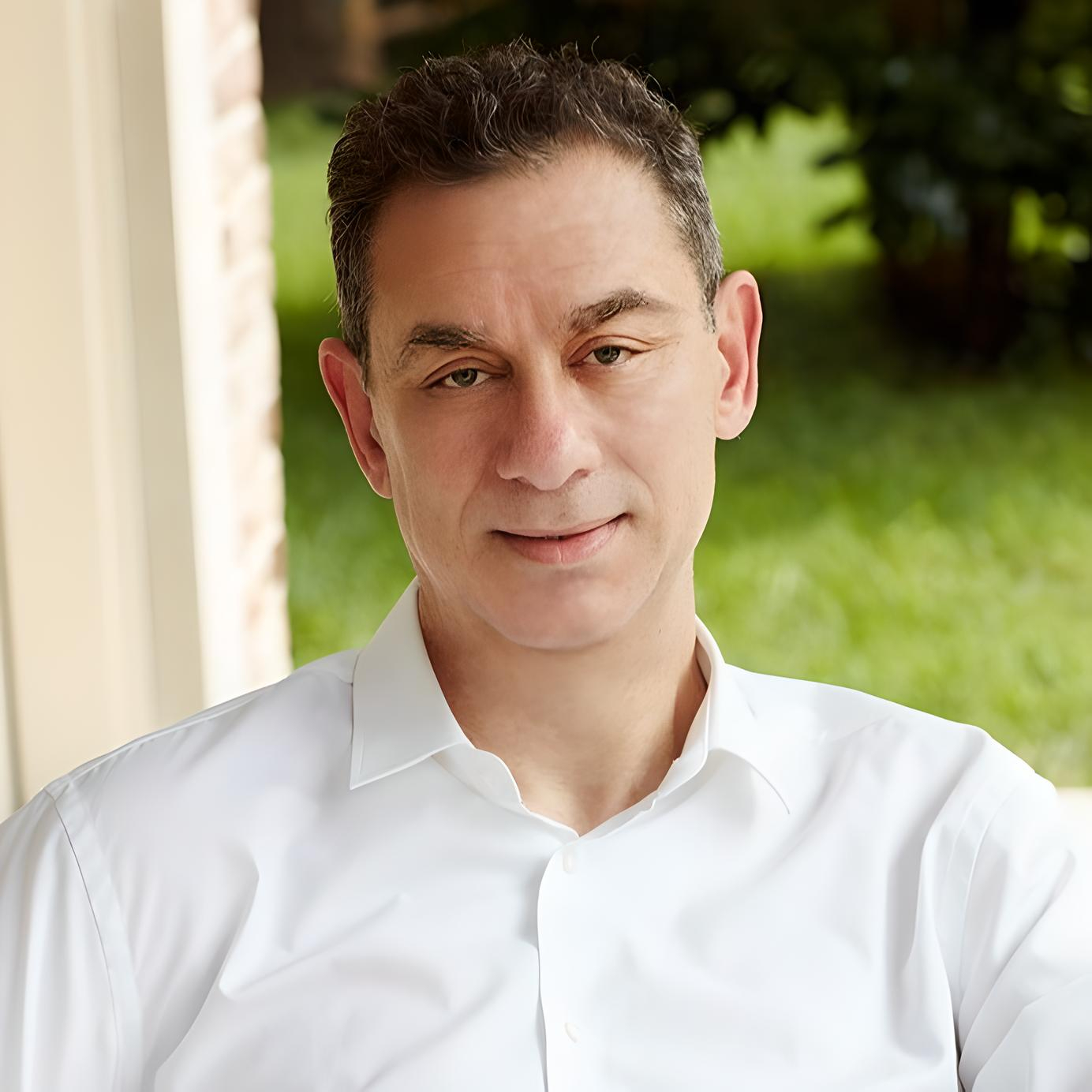
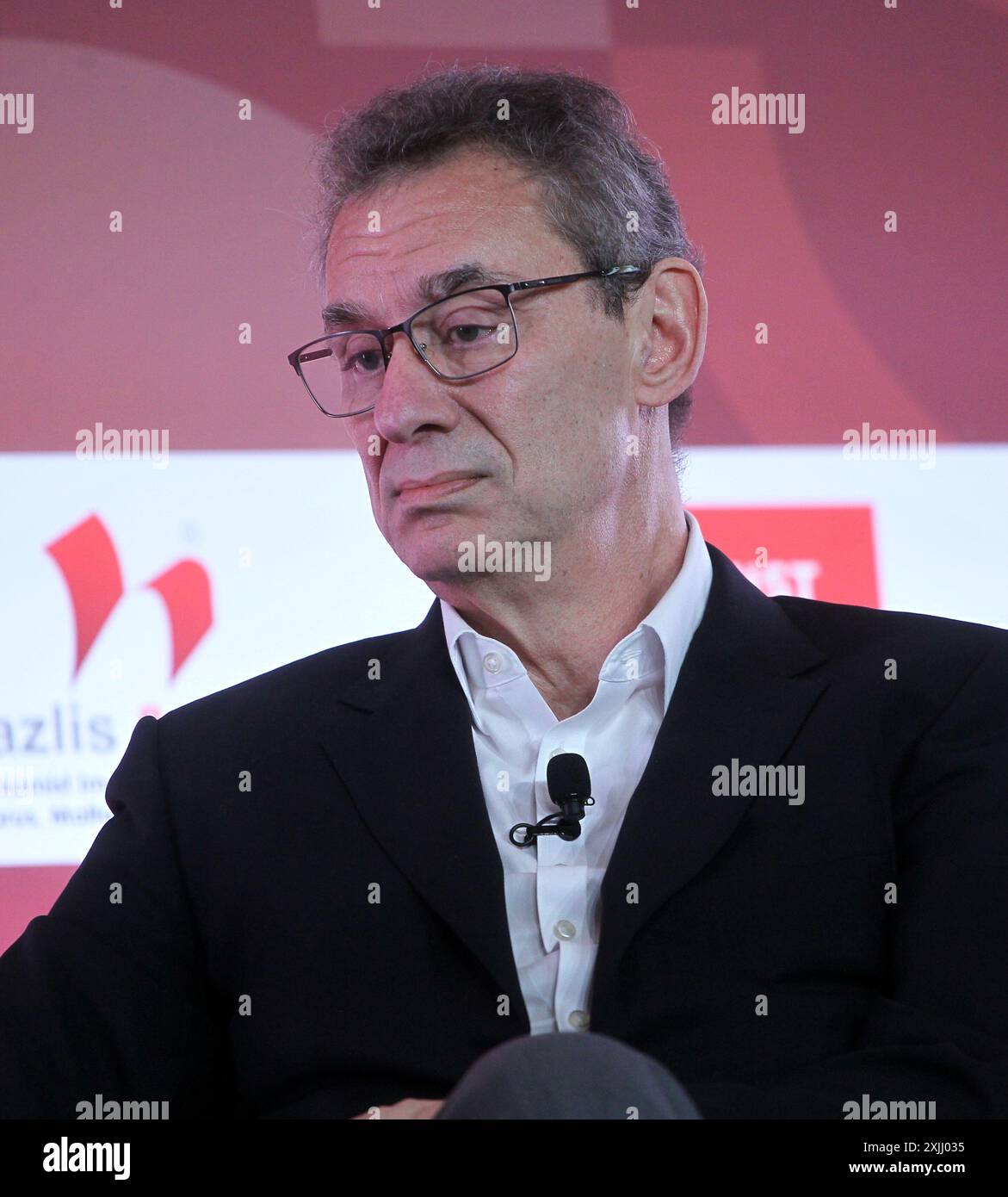
Albert Bourla is a Greek-American citizen, holding dual nationality that reflects his journey from a historic Sephardic Jewish community in Greece to the highest echelons of corporate leadership in the United States. Born and raised in Thessaloniki, Greece, he moved to the U.S. in 2001, eventually becoming a naturalized American citizen while maintaining deep cultural and personal ties to his Mediterranean roots.
The Greek Origins of Albert Bourla
To understand the nationality and identity of Albert Bourla, one must first look at the city of his birth: Thessaloniki, Greece. Born on October 21, 1961, Bourla grew up in a city that was once known as the "Jerusalem of the Balkans." His identity is inextricably linked to the history of the Sephardic Jewish community in Greece, a group that faced near-extinction during the mid-20th century.
Bourla’s parents, Moiss and Sara Bourla, were among the few survivors of the Holocaust in Thessaloniki. Before World War II, the city was home to a vibrant Jewish population of approximately 50,000. By the end of the war, nearly 96% of that population had been murdered by the Nazi regime. The fact that Bourla was born into this survivor community in the 1960s deeply influenced his perspective on resilience and global responsibility.
Growing up in Greece, Bourla was fully integrated into Greek society while maintaining his religious and cultural heritage. He attended local schools and eventually enrolled at the Aristotle University of Thessaloniki. It was here that he laid the academic foundation for his future career, earning a Doctor of Veterinary Medicine and a PhD in Reproductive Biotechnology. His nationality during this period was exclusively Greek, and his early professional life was spent within the borders of the Hellenic Republic.
Transition to the United States and Naturalization
Albert Bourla’s transition from a Greek professional to an American executive was a gradual process that began with his career at Pfizer. He joined the company’s Greek office in 1993 as a Technical Director for the animal health division. His talent for management and scientific strategy quickly led to international assignments.
Between 1993 and 2001, Bourla lived and worked in several different countries, including Poland and Belgium. However, it was his move to New York City in 2001 that marked the beginning of his journey toward American nationality. Moving to the United States is a common path for high-level executives in multinational corporations, but for Bourla, it became a permanent home.
The process of becoming a naturalized United States citizen typically involves several years of permanent residency (holding a Green Card), demonstrating a "good moral character," and passing an English and civics examination. Bourla followed this path, integrating into American corporate culture while rising through the ranks of Pfizer. By the time he was named Chief Operating Officer in 2018 and subsequently CEO in 2019, he was firmly established as a Greek-American, embodying the "immigrant success story" that is central to the American identity.
The Dual Identity: Greek and American
As of 2026, Albert Bourla remains a prominent figure who balances two distinct national identities. He does not view these identities as being in conflict; rather, they are complementary.
The American Executive
In his role as the Chairman and CEO of Pfizer, Bourla is a representative of American innovation and industrial might. Under his leadership, the company—headquartered in Manhattan—became a global leader in the development of mRNA technology. His American nationality is essential to his role, as he frequently interfaces with the U.S. government, regulatory bodies like the FDA, and Wall Street investors. He has often spoken about the "American Dream" and the opportunities the United States provides to those who work hard and innovate.
The Greek Diaspora Icon
Conversely, Bourla is perhaps the most famous living member of the Greek diaspora. In Greece, he is celebrated as a national hero. The Greek government and various Hellenic organizations frequently honor him for his contributions to science and humanity. He has received the Empress Theophano Prize in Thessaloniki and has been recognized by the Greek state for his role in navigating the global pandemic.
His ties to Greece are not merely symbolic. Bourla maintains a residence in Greece and frequently spends his summers there. He has been a vocal supporter of the "Brain Gain" initiative, which encourages talented Greek professionals who moved abroad during the economic crisis to contribute back to their home country. Under his guidance, Pfizer established a major global digital innovation center in Thessaloniki, directly creating hundreds of high-tech jobs in his hometown.
Historical Timeline of Albert Bourla’s Residency and Status
The following table outlines the key phases of Albert Bourla’s life and the evolution of his national and professional status.
| Time Period | Primary Location | Legal/National Status | Professional Focus |
|---|---|---|---|
| 1961 – 1980 | Thessaloniki, Greece | Greek Citizen | Early Education |
| 1980 – 1991 | Thessaloniki, Greece | Greek Citizen | Veterinary Medicine & PhD Studies |
| 1993 – 2001 | Europe (Various) | Greek Citizen | Pfizer Animal Health (Regional) |
| 2001 – Present | New York, USA | Naturalized US Citizen | Pfizer Corporate Leadership |
| 2019 – Present | USA / Global | Greek-American | Chairman & CEO of Pfizer |
Cultural and Religious Heritage
While nationality is a legal designation, Bourla’s identity is also shaped by his Sephardic Jewish heritage. This provides a third layer to his persona. In many interviews, he has discussed how the values of his parents—specifically their stories of survival and their insistence on the importance of education—guided his career.
Being a Sephardic Jew from Greece is a specific cultural niche. Unlike the Ashkenazi Jewish tradition more common in the United States, the Sephardic tradition in Greece has its own liturgical customs, cuisine, and history (rooted in the expulsion of Jews from Spain in 1492). Bourla’s ability to navigate these diverse cultural landscapes—Greek, Jewish, and American—is often cited by colleagues as a key factor in his success as a global leader.
The Impact of His Nationality on Pfizer's Strategy
Bourla’s international background and Greek-American nationality have had practical implications for how Pfizer operates. Unlike CEOs who have spent their entire lives within a single national framework, Bourla’s experience living in multiple countries has fostered a "global-first" mentality.
- Global Supply Chains: His understanding of European logistics and American regulatory requirements allowed Pfizer to manage a complex international supply chain during the 2020-2023 period.
- Investment in Greece: As mentioned, the decision to invest heavily in Thessaloniki was a direct result of his familiarity with the Greek talent pool and his desire to support the Greek economy.
- Diplomatic Engagement: Bourla’s comfort level with European heads of state, often speaking to them as a fellow European, helped facilitate international agreements on healthcare.
Legal Considerations of Dual Citizenship
For individuals like Albert Bourla, dual citizenship between Greece and the United States is legally recognized by both nations.
- Greek Law: Greece follows the principle of jus sanguinis (right of blood), meaning anyone born to at least one Greek parent is a Greek citizen. Furthermore, Greece allows its citizens to acquire foreign nationality without losing their original Greek citizenship.
- U.S. Law: The United States does not formally "encourage" dual nationality as a matter of policy, but it does not prohibit it. When Bourla took the Oath of Allegiance to become a U.S. citizen, he gained all the rights and responsibilities of an American, while the Greek government continued to recognize him as a Greek national.
This status allows him to travel freely between the two regions, vote in both jurisdictions (subject to local residency laws), and represent both cultures on the world stage.
Frequently Asked Questions
Is Albert Bourla still a Greek citizen?
Yes, Albert Bourla maintains his Greek citizenship. Greece allows for dual nationality, and he remains deeply involved in Greek civic and cultural life. He often participates in events in Thessaloniki and maintains a strong relationship with the Greek government.
When did Albert Bourla become an American citizen?
While the exact date of his naturalization ceremony is not a matter of public record, Bourla moved to the United States in 2001. Under U.S. law, naturalization typically occurs after five years of permanent residency. By the time he reached the executive level at Pfizer, he had fully transitioned to being a Greek-American citizen.
Does Albert Bourla speak Greek?
Yes, Greek is Albert Bourla’s native language. He frequently gives interviews to Greek media outlets in his mother tongue and has been praised for his eloquent command of the language, despite having lived in the United States for over two decades.
Where does Albert Bourla live now?
As of 2026, Albert Bourla primarily resides in the New York City area, close to Pfizer’s global headquarters. However, he maintains a home in Greece and spends significant time there, particularly during the summer months and for official corporate engagements at Pfizer’s Thessaloniki hub.
What is Albert Bourla's ethnic background?
Albert Bourla is a Sephardic Jew. His ancestors were part of the Jewish community that settled in Greece after being expelled from Spain in the 15th century. His parents were survivors of the Holocaust in Thessaloniki, a fact that Bourla often highlights when discussing his family history and personal values.
Practical Implications and Next Actions
For those looking to understand the significance of Albert Bourla’s nationality, it serves as a case study in modern global leadership. His identity is not defined by a single border but by a blend of Mediterranean heritage and American corporate excellence.
If you are researching Bourla for academic or professional reasons, consider the following next steps:
- Explore the History of Thessaloniki: To understand his roots, research the "Jerusalem of the Balkans" and the history of the Sephardic Jews in Greece.
- Study Pfizer's Global Footprint: Look into how Pfizer’s investments in Greece, specifically the Digital Innovation Center, serve as a model for "diaspora investment."
- Review Naturalization Paths: If you are interested in the legalities of his journey, review the U.S. Citizenship and Immigration Services (USCIS) guidelines for naturalization through employment and residency.
Albert Bourla’s story is a reminder that in the 21st century, nationality is often a multifaceted tapestry of where one comes from and where one chooses to build a career.