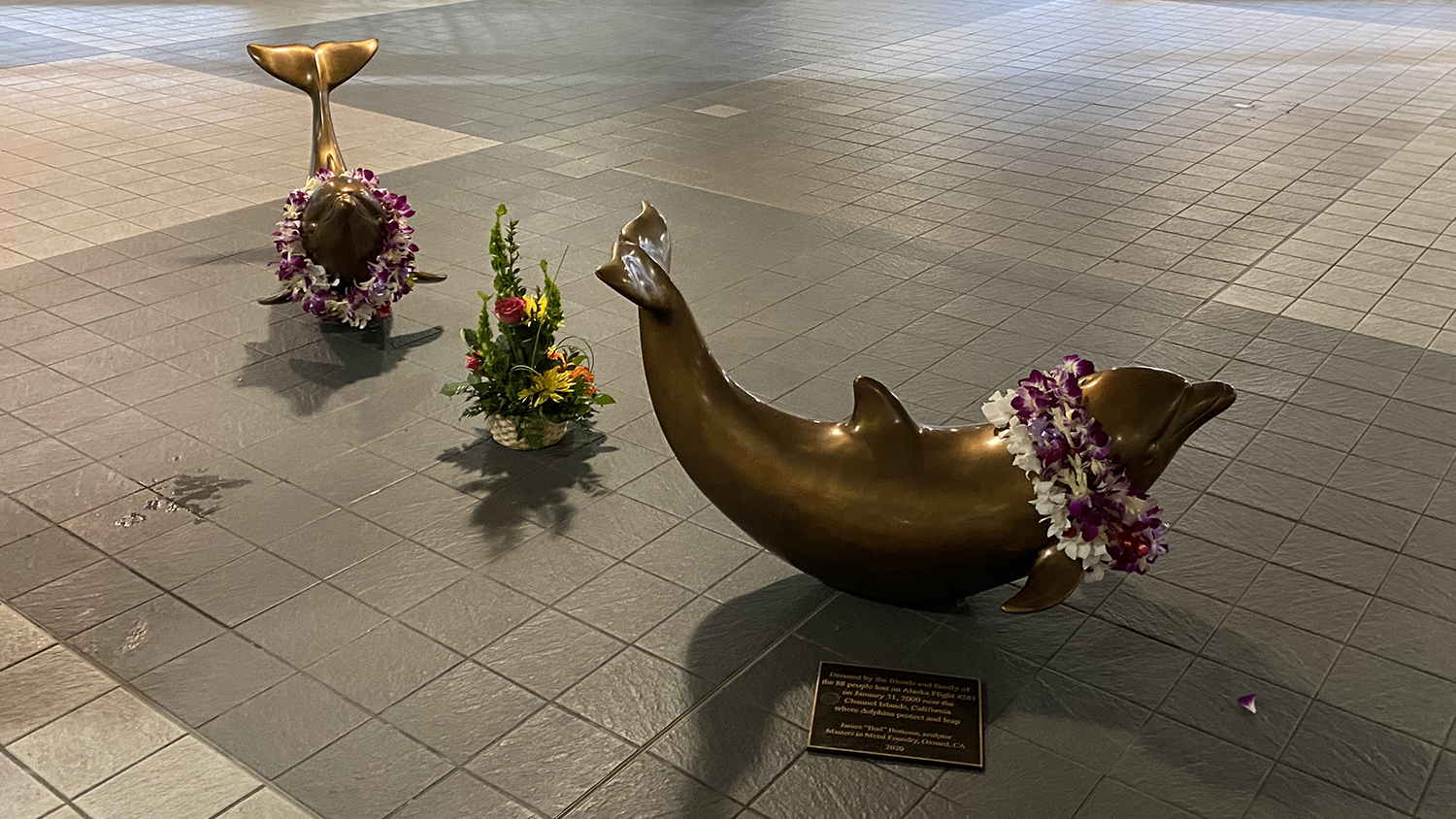
The Alaska Airlines Flight 261 memorial is a dedicated site in Port Hueneme, California, honoring the 88 passengers and crew who perished on January 31, 2000. It features a striking 20-foot sundial designed by Bud Bottoms, which casts a shadow on a memorial plaque every anniversary at the exact moment of the crash.
The loss of Alaska Airlines Flight 261 remains one of the most poignant moments in modern aviation history. It was a tragedy born of technical failure and maintenance oversight, but it resulted in a profound shift in safety regulations and the creation of lasting tributes to those who were lost. As we look back from the perspective of 2026, twenty-six years after the event, the memorials in California, Washington, and online continue to serve as vital touchstones for grieving families and a reminder to the aviation industry of the human cost of negligence.
The Legacy of Flight 261: History and Context
To understand the significance of the memorials, one must first understand the events of January 31, 2000. Alaska Airlines Flight 261 was a scheduled international flight from Puerto Vallarta, Mexico, to Seattle, Washington, with an intermediate stop at San Francisco International Airport. The aircraft, a McDonnell Douglas MD-83, experienced a catastrophic failure of its horizontal stabilizer trim system while over the Pacific Ocean near Anacapa Island.
The pilots, Captain Ted Thompson and First Officer William Tansky, fought heroically to maintain control of the aircraft for over 30 minutes as the horizontal stabilizer jammed and eventually broke free. Despite their efforts to divert to Los Angeles International Airport, the "jackscrew" mechanism—a critical component that controls the pitch of the plane—failed completely. The aircraft plunged into the ocean, inverted, killing all 88 people on board.
The National Transportation Safety Board (NTSB) investigation concluded that the crash was caused by a lack of lubrication on the jackscrew assembly, which led to excessive wear and the eventual stripping of the Acme nut threads. This failure was attributed to Alaska Airlines' extended maintenance intervals and the Federal Aviation Administration’s (FAA) approval of those extensions. The memorial at Port Hueneme stands not just as a site of mourning, but as a silent sentinel for aviation safety standards.
The Sundial Memorial at Port Hueneme
The primary and most recognizable memorial to Flight 261 is located at Port Hueneme Beach Park in Ventura County, California. This location was chosen due to its proximity to the crash site off the coast of Anacapa Island. The memorial is a masterpiece of symbolic architecture and serves as the focal point for annual anniversary gatherings.
Design and Symbolism
Designed by the late Santa Barbara sculptor Bud Bottoms, the memorial is a 20-foot-diameter bronze sundial. Bottoms was renowned for his sculptures of marine life, and he incorporated three leaping dolphins into the design, which support the gnomon (the part of the sundial that casts the shadow).
The choice of dolphins is deeply symbolic. In many cultures, dolphins are seen as protectors of mariners and guides for souls. For the families of Flight 261, the dolphins represent the spirits of their loved ones rising from the ocean. The sundial itself serves as a permanent bridge between the terrestrial world and the time of the accident.
The Anniversary Shadow
The most profound feature of the Port Hueneme memorial is its temporal precision. On January 31st each year, the gnomon is positioned so that at 4:22 PM PST—the exact moment the aircraft disappeared from radar—the shadow of the sundial falls directly across a bronze plaque at the base of the monument. This plaque lists the names of the 83 passengers and 5 crew members. This design ensures that time, in a literal sense, honors the fallen every year.
The Memorial Wall
Surrounding the sundial is a semi-circular granite wall. It provides a space for reflection, where visitors often leave flowers, sea shells, or personal notes. The names of the victims are etched in a way that allows for "rubbings," a common practice for family members to take a physical memory of the site home with them.
Other Memorial Sites: San Francisco and Seattle
While the Port Hueneme site is the largest, Flight 261 was a journey connecting several communities. Consequently, secondary memorials exist to provide space for those in the flight's intended destinations to pay their respects.
San Francisco International Airport (SFO)
As the scheduled intermediate stop, SFO holds a significant connection to the victims. A memorial plaque is located within the airport, providing a quiet space for airport employees and travelers to reflect. Many of the passengers on Flight 261 were returning from vacations in Mexico to their homes in the Bay Area, making SFO a site of deep communal loss.
Seattle-Tacoma International Airport (SEA)
Seattle was the final intended destination for Flight 261 and the headquarters of Alaska Airlines. The memorial at SEA is often more private, focused on the airline’s internal community and the families based in the Pacific Northwest. Over the years, Alaska Airlines has maintained various internal tributes, including a memorial garden and a dedicated space in their corporate flight operations center. These sites emphasize the "family" culture of the airline and the lasting impact the tragedy had on its employees.
Maintenance Reforms and Aviation Safety Impact
The Alaska 261 memorial represents more than just loss; it represents a turning point in how the world maintains commercial aircraft. The NTSB's "Probable Cause" report for Flight 261 is one of the most cited documents in aviation maintenance training.
- Jackscrew Inspections: Following the crash, the FAA issued Airworthiness Directives (ADs) mandating much more frequent and rigorous inspections of the horizontal stabilizer trim system on all MD-80 series, DC-9, and Boeing 717 aircraft.
- Lubrication Protocols: The investigation revealed that the grease used on the jackscrew was insufficient or improperly applied. Modern maintenance protocols now require specific chemical "end-to-end" verification of lubricants.
- End-Play Check Procedures: The "end-play check"—a measurement of the wear on the jackscrew threads—was standardized and made more stringent. Technicians are now required to use specialized tools to ensure measurements are accurate to within thousandths of an inch.
- Regulatory Oversight: The crash prompted a massive overhaul of how the FAA monitors "Continuous Airworthiness Maintenance Programs" (CAMP). It ended the era where airlines could easily extend maintenance intervals without exhaustive, data-driven proof of safety.
As of 2026, these regulations have contributed to a quarter-century of significantly improved safety for T-tail aircraft designs. The memorial serves as a physical reminder for engineers and mechanics of why these "tedious" checks are a matter of life and death.
Practical Guide for Visiting the Port Hueneme Memorial
If you are planning to visit the memorial in 2026, it is important to understand the logistics of the site to ensure a respectful experience.
| Feature | Details |
|---|---|
| Location | Port Hueneme Beach Park, 550 E. Surfside Dr, Port Hueneme, CA |
| Hours | Open daily from 6:00 AM to 10:00 PM |
| Parking | Public parking lot available (fees may apply during peak hours) |
| Best Time to Visit | Late afternoon for the best sundial shadows; Jan 31st for the ceremony |
| Accessibility | Fully ADA compliant with paved walkways to the monument |
| Nearby Landmarks | Point Hueneme Lighthouse, Ventura County Naval Base |
Visiting Protocols
The memorial is located in a public park, but it is treated with the solemnity of a cemetery by the local community. Visitors are encouraged to:
- Maintain a quiet demeanor.
- Avoid climbing on the sundial or the dolphins.
- Dispose of any floral tributes in accordance with park rules once they have wilted.
- Take photos respectfully, ensuring they do not disrupt grieving family members who may be present.
The Families of Flight 261
The creation of the Port Hueneme memorial was largely driven by the Alaska Flight 261 Family Group. This collective of grieving relatives worked tirelessly to ensure that their loved ones were not forgotten. They collaborated with the City of Port Hueneme, Alaska Airlines, and sculptor Bud Bottoms to fund and design the site.
Their advocacy extended beyond the memorial. The family group was instrumental in pushing for the NTSB's transparent investigation and for the subsequent changes in FAA regulations. They transformed their private grief into a public service, ensuring that no other family would have to suffer a similar loss due to preventable maintenance failures. Their efforts are a testament to the power of organized advocacy in the face of corporate and regulatory negligence.
Summary of Memorial Locations and Types
| Location | Type | Accessibility | Significance |
|---|---|---|---|
| Port Hueneme, CA | Bronze Sundial & Granite Wall | Public Park | Closest land point to the crash site; primary memorial. |
| San Francisco, CA | Memorial Plaque (SFO) | Airport Terminal | Honoring the flight's scheduled stop and local victims. |
| Seattle, WA | Memorial Garden (SEA) | Airport/Private | Honoring the final destination and airline staff. |
| National Air and Space Museum | Digital/Archive Records | Public/Online | Technical and historical record of the event's impact on aviation. |
Frequently Asked Questions
Where exactly is the Alaska 261 memorial located?
The primary memorial is located at Port Hueneme Beach Park in Port Hueneme, California. It is situated near the entrance of the park, overlooking the Pacific Ocean where the accident occurred. The physical address is 550 East Surfside Drive, Port Hueneme, CA 93041.
Can anyone attend the annual anniversary ceremony?
Yes, the ceremony held every January 31st is generally open to the public. However, it is a deeply personal event for the families of the victims. Attendees should remain respectful, stay on the periphery of the family gathering, and follow the lead of the organizers. The ceremony typically includes a reading of the names and a moment of silence at 4:22 PM.
Who designed the Alaska 261 memorial?
The sundial memorial was designed by Bud Bottoms, a famous California sculptor known for his marine-themed bronze works. He was chosen for his ability to blend natural beauty with profound symbolism. His sculpture "Anacapa" (the dolphins) is the centerpiece of the Port Hueneme site.
What happened to the wreckage of Flight 261?
After the NTSB investigation was completed, most of the wreckage was moved to a secure facility. Unlike some aircraft that are reconstructed for permanent display, the wreckage of Flight 261 was eventually disposed of, though certain components like the jackscrew assembly remain part of the NTSB’s training materials to educate future investigators on mechanical failure patterns.
Why is the memorial a sundial?
The sundial was chosen to represent the permanence of the victims' lives in the context of time. Because the shadow aligns with the names at the exact time of the crash, it serves as a "living" monument that reacts to the movement of the earth and the sun, ensuring that the specific moment of loss is never forgotten.
Final Recommendation
For those seeking to honor the memory of the 88 souls lost on Alaska Airlines Flight 261, a visit to the Port Hueneme Sundial Memorial is the most comprehensive way to do so. The site offers a unique blend of artistic beauty, historical significance, and a peaceful environment for reflection. If you are an aviation professional, visiting the site serves as a powerful reminder of the importance of rigorous maintenance and safety standards.
Beyond visiting the physical site, consider supporting aviation safety organizations such as the Flight Safety Foundation or the National Air and Space Museum, which keep the technical lessons of Flight 261 alive for future generations. Understanding the "Why" behind the tragedy is the best way to ensure that such an event never happens again.