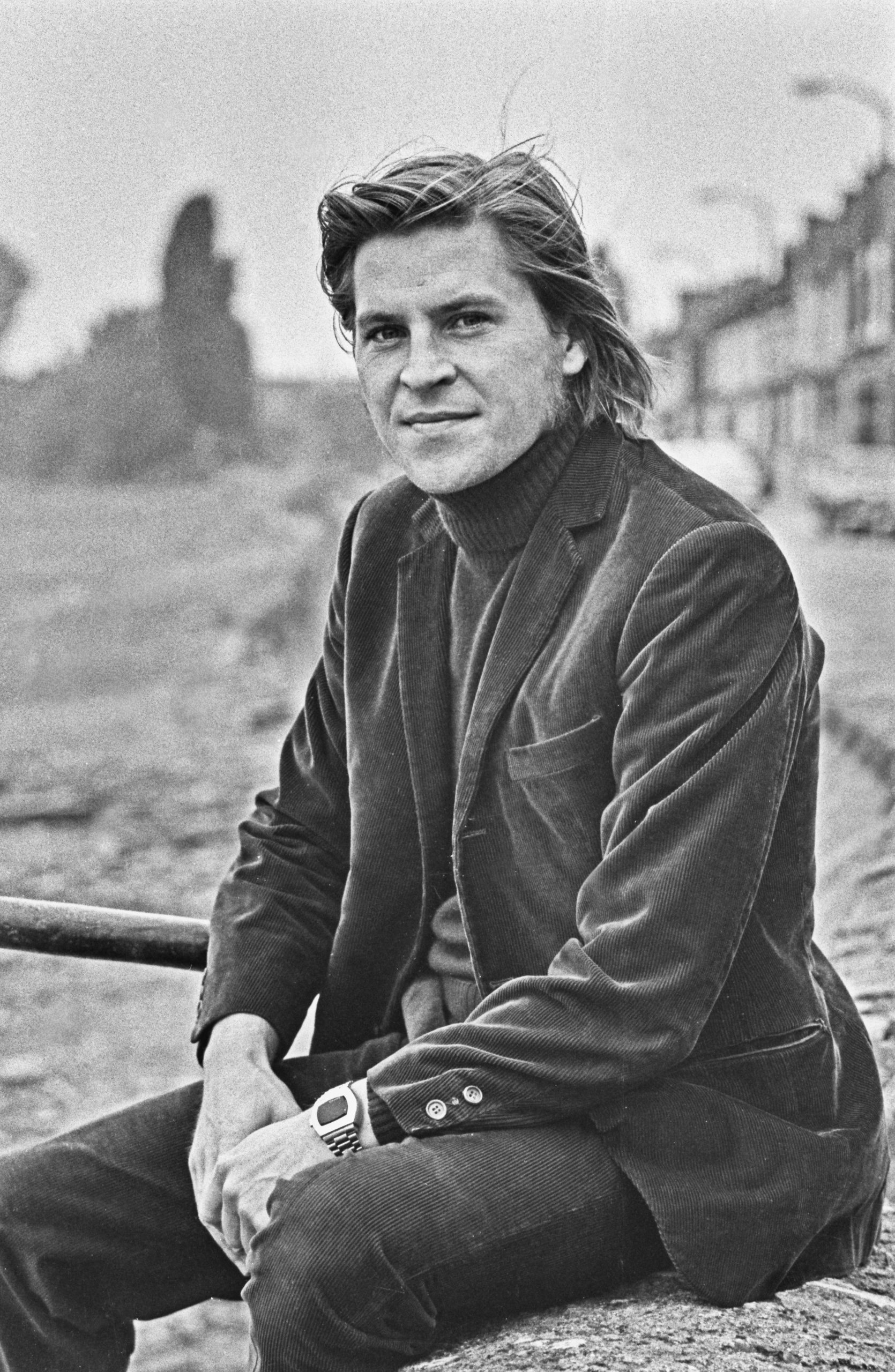
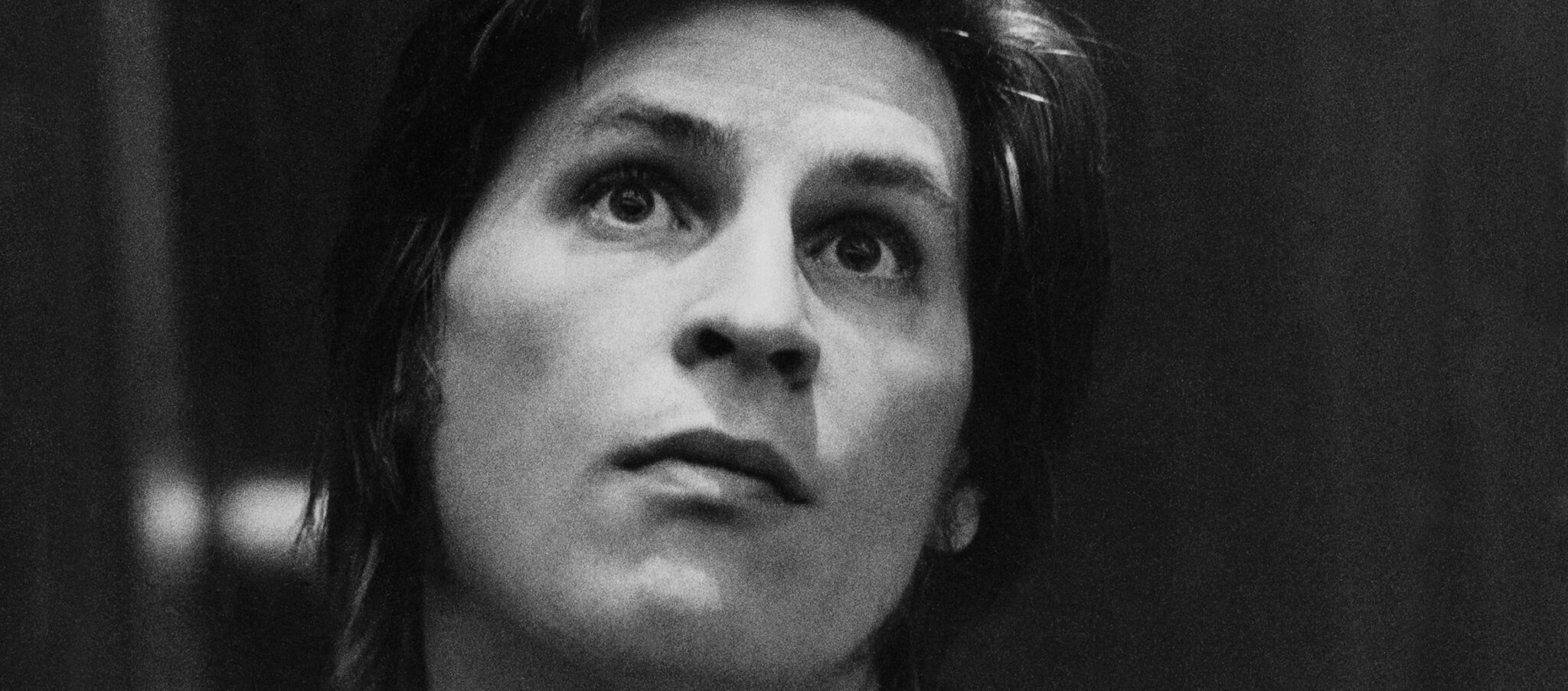
Alan Price remains one of the most influential yet complex figures in the history of British rock and rhythm and blues. As of 2026, his legacy is defined by his virtuosic keyboard work with The Animals, a pioneering solo career that bridged the gap between pop and musical theater, and his BAFTA-winning cinematic contributions.
The Architect of the Animals’ Sound (1962–1965)
To understand the legacy of Alan Price, one must first look at the foundational years of the British Invasion. While Eric Burdon provided the raw, guttural vocal power that defined The Animals, it was Alan Price who provided the musical sophistication. As the band's founding keyboardist, Price was instrumental in moving the group beyond simple blues covers into a territory that felt both ancient and modern.
The definitive moment of this era—and perhaps Price’s entire career—is the 1964 arrangement of "The House of the Rising Sun." While the song was a traditional folk piece, Price’s haunting, circular organ riff on the Vox Continental transformed it into a global phenomenon. His arrangement was so distinct that it became the template for countless covers thereafter. However, this success also sowed the seeds of his departure. Because the song was a traditional arrangement, the royalties were credited to a single person rather than the whole band; Price was the name listed. This created internal friction that, combined with Price's documented fear of flying, led to his exit from the group in May 1965 at the height of their international fame.
Price’s contribution to The Animals wasn't limited to a single hit. In tracks like "Don't Let Me Be Misunderstood" and "Bring It On Home to Me," his jazz-inflected keyboard runs provided a counterpoint to the grit of the North East English R&B scene. He brought a sense of musicality that was often missing from the more guitar-centric bands of the era, utilizing the organ not just as a rhythm instrument but as a lead voice capable of carrying the emotional weight of a song.
The Alan Price Set and the Transition to Sophisticated Pop
Following his departure from The Animals, Price did not fade into obscurity. Instead, he formed the Alan Price Set, a group that showcased his desire to move toward a more "cabaret" or "sophisticated pop" style. This period marked his evolution from a band member into a bandleader and a storyteller.
His 1966 hit, a cover of Screamin' Jay Hawkins' "I Put a Spell on You," added a brass-heavy, sophisticated arrangement that reached number nine on the UK charts. It was during this time that Price began to display his affinity for the work of Randy Newman. Price was one of the first British artists to recognize Newman's genius, recording "Simon Smith and the Amazing Dancing Bear" in 1967. This track, which hit number four in the UK, signaled a major shift in his legacy. He was no longer just a blues-rocker; he was a purveyor of "theatrical pop," blending social commentary with whimsical, often brass-led arrangements.
This era of his career is characterized by:
- Eclecticism: A refusal to be pigeonholed into a single genre.
- Theatricality: A vocal delivery that often felt like a performance in a high-end club or a West End stage.
- Arrangement Skills: An ability to take obscure or idiosyncratic songs and make them palatable for a mainstream audience without losing their edge.
O Lucky Man! and the Intersections of Cinema and Song
In the 1970s, Price’s legacy took a turn toward the cinematic, resulting in what many critics consider his masterpiece: the soundtrack to Lindsay Anderson’s 1973 film "O Lucky Man!" This project was revolutionary in its execution. Rather than providing a standard background score, Price and his band appeared on-screen throughout the film, acting as a kind of modern Greek chorus that commented on the narrative's surrealist journey.
The songs from this film, including the title track, "Justice," "Sell, Sell," and "Changes," are biting satires of capitalism, corruption, and the human condition. Price’s music provided the emotional and philosophical spine of the movie. The soundtrack earned him a BAFTA Award for Best Film Music, cementing his status as a composer of significant depth.
The legacy of "O Lucky Man!" persists in 2026 as a prime example of how music can be integrated into film narrative. Price didn't just write songs for the movie; he inhabited the world of the film. The soundtrack remains a cult favorite, praised for its blend of soulful rock and cynical, intelligent lyricism. It proved that Price was a thinker as much as a musician, capable of tackling complex social themes with a catchy melody and a sardonic grin.
Collaborative Ventures and the Georgie Fame Era
A significant part of Price's enduring appeal lies in his ability to collaborate. His partnership with fellow keyboardist and singer Georgie Fame in the early 1970s is a highlight of this period. The duo, often appearing on their own television specials, brought a sense of "relaxed excellence" to the screen.
Their hit single "Rosetta" (1971) showcased a playful, jazz-influenced chemistry. This era solidified Price's image as a versatile entertainer. He was comfortable in the rough-and-tumble world of 60s rock clubs, the high-concept world of art-house cinema, and the family-friendly environment of BBC light entertainment. This versatility, while sometimes making it difficult for purists to categorize him, is precisely what has allowed his work to remain relevant across multiple generations.
Technical Mastery and Stylistic Evolution
Examining the technical aspects of Price’s work reveals why he is held in such high regard by fellow musicians. In 2026, keyboardists still study his recordings to understand the transition from the Vox Continental to the Hammond B3 organ.
Keyboard Technique
Price’s style was heavily influenced by jazz and boogie-woogie, but he applied those techniques to a rock framework. His "walking" bass lines on the organ pedals and his rapid-fire right-hand trills became his signature. Unlike many of his contemporaries who used the organ for power chords, Price used it for intricate melodic counter-lines.
Vocal Identity
As a vocalist, Price possessed a distinctive "Geordie" grit that he could smoothen out for more melodic numbers. He wasn't a powerhouse singer in the vein of Burdon, but he was a masterful "interpreter." His ability to inhabit a character in a song—whether it was a cynical salesman in "Sell, Sell" or a whimsical dreamer in "Simon Smith"—set him apart from the standard rock vocalists of the 1960s.
Key Career Milestones and Achievements
The following table outlines the pivotal moments that define the legacy of Alan Price as viewed from 2026.
| Year | Milestone/Work | Category | Significance |
|---|---|---|---|
| 1964 | "The House of the Rising Sun" | Single | Defined the Animals' sound; legendary organ arrangement. |
| 1965 | Departure from The Animals | Career Shift | Marked the beginning of a highly successful solo path. |
| 1967 | "Simon Smith and the Amazing Dancing Bear" | Single | Established Price as a top-tier interpreter of Randy Newman. |
| 1971 | Collaboration with Georgie Fame | Duo | Produced the hit "Rosetta" and successful TV specials. |
| 1973 | "O Lucky Man!" Soundtrack | Film Score | Won a BAFTA; widely considered his artistic peak. |
| 1974 | "Between Today and Yesterday" | Album | A critically acclaimed autobiographical concept album. |
| 1994 | Rock and Roll Hall of Fame | Induction | Inducted as a member of The Animals. |
Evaluating the Enduring Influence in 2026
Looking back from 2026, the "Alan Price legacy" is one of artistic integrity and restless curiosity. While some of his peers remained frozen in their 1960s personas, Price constantly sought new ways to express himself.
He was a pioneer in several areas:
- The Concept Album: His 1974 album Between Today and Yesterday was a sophisticated look at his roots in the North East of England, predating many of the more famous "autobiographical" albums of the late 70s.
- Music in Film: His work with Lindsay Anderson broke the "fourth wall" of film scoring.
- Cross-Genre Appeal: He successfully navigated the worlds of R&B, Pop, Jazz, and Musical Theater without losing his core identity.
Price is often described as an "unsung hero" of the British Invasion. While he may not command the same level of mainstream name recognition as some of his contemporaries, his influence is felt in any artist who prioritizes musical arrangement and lyrical wit over simple stage presence. His work serves as a bridge between the raw energy of the early 60s and the sophisticated singer-songwriter movement of the 70s.
Frequently Asked Questions
Why did Alan Price leave The Animals at the height of their success?
Price officially cited a "fear of flying" as the primary reason for his departure in 1965, which made international touring difficult. However, underlying tensions regarding song credits—specifically the sole royalty credit he received for the arrangement of "The House of the Rising Sun"—were significant contributing factors to the band's internal friction.
What is Alan Price’s most critically acclaimed solo work?
While he had many hits, his soundtrack for the 1973 film O Lucky Man! is generally considered his most significant artistic achievement. The album won a BAFTA and is praised for its seamless integration into the film's narrative and its sharp social commentary.
How did Alan Price influence the career of Randy Newman?
Alan Price was one of the first major British artists to record Randy Newman’s songs, most notably "Simon Smith and the Amazing Dancing Bear" and "Tickle Me." By bringing Newman's idiosyncratic songwriting to the UK charts, Price helped establish Newman’s reputation as a world-class songwriter long before Newman became a household name himself.
Did Alan Price win any major awards?
Yes, Alan Price won the BAFTA Award for Best Film Music in 1974 for his work on O Lucky Man!. Additionally, as a member of The Animals, he was inducted into the Rock and Roll Hall of Fame in 1994.
Is Alan Price still considered a "Geordie" artist?
Absolutely. Throughout his career, Price maintained a strong connection to his roots in the North East of England. His 1974 album Between Today and Yesterday specifically explored the culture, history, and struggles of the working class in that region, cementing his status as one of the most prominent musical voices of the North East.
Final Recommendation for Exploring the Legacy
To truly appreciate the legacy of Alan Price, one should start with the 1964 recordings of The Animals to hear the birth of his organ style, then move directly to the "O Lucky Man!" soundtrack. This trajectory demonstrates his growth from a brilliant sideman to a visionary composer. For those interested in his gift for interpretation, the album "A Price on His Head" (1967) offers an excellent overview of his early solo years and his masterful covers of contemporary songwriters.