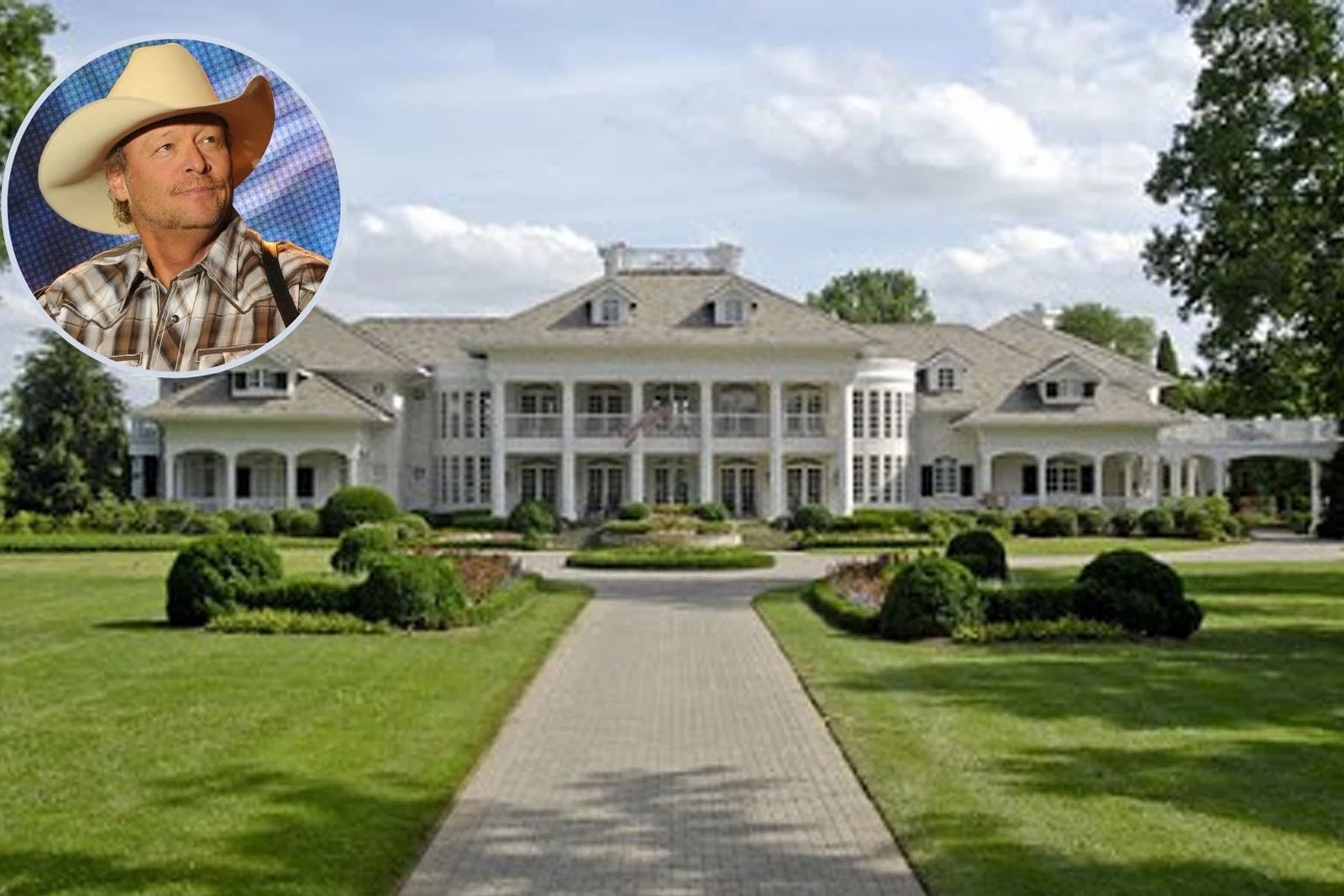
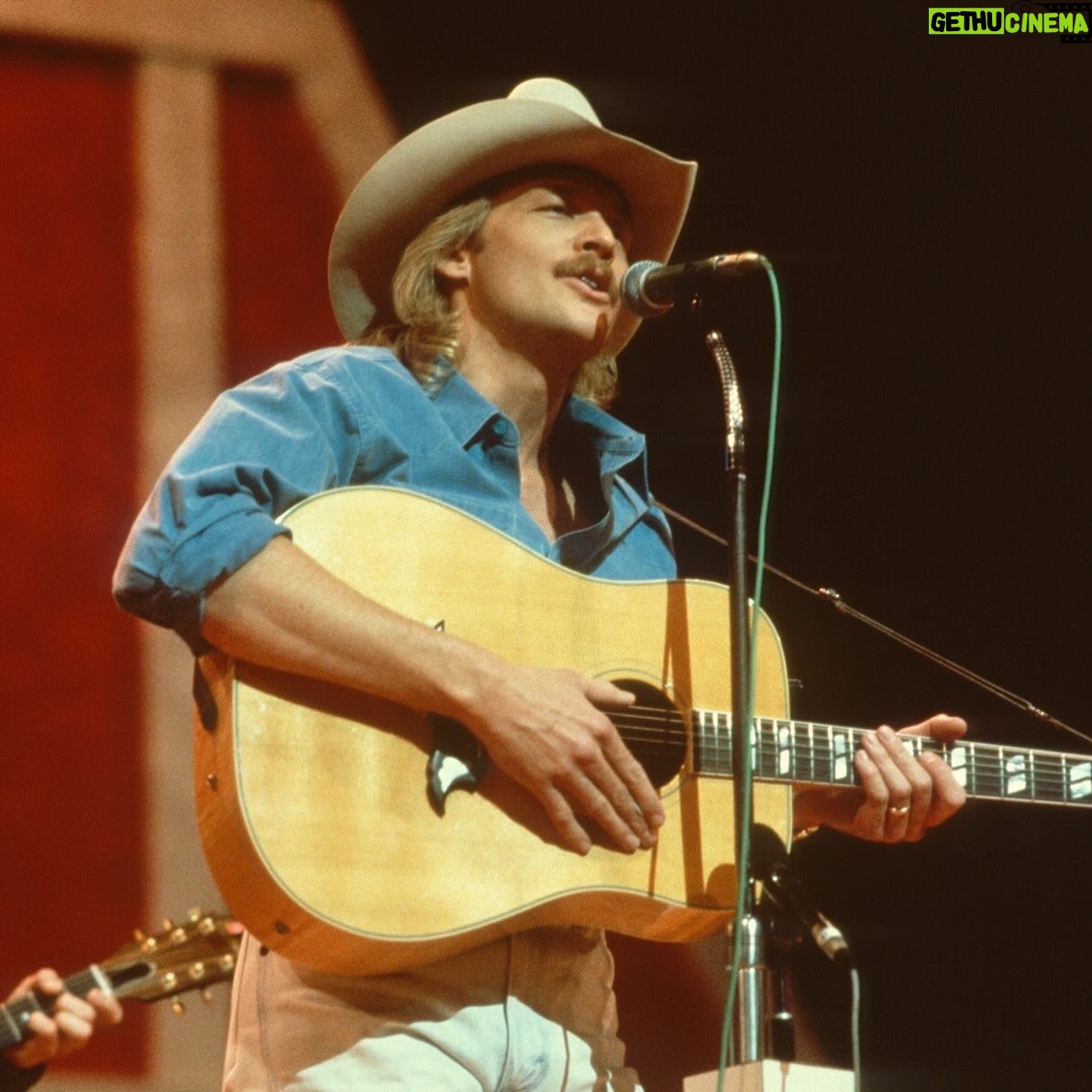
Alan Jackson was born in Newnan, Georgia, on October 17, 1958. This small town, located approximately 40 miles southwest of Atlanta in Coweta County, served as the foundational backdrop for his life and legendary country music career. His humble upbringing in a home uniquely constructed around a tool shed remains a central theme in his iconic songwriting.
The Geography and Atmosphere of Newnan, Georgia
To understand the birthplace of Alan Jackson, one must first understand the character of Newnan during the mid-20th century. In 1958, Newnan was a quintessential Southern town defined by its agricultural roots and burgeoning textile industry. Known as the "City of Homes," Newnan was fortunate to escape the widespread destruction often seen during the Civil War, preserving a significant amount of antebellum architecture. However, the Newnan Alan Jackson knew was less about grand mansions and more about the hardworking, blue-collar spirit of the rural South.
Coweta County provided a landscape of rolling hills and red clay—a detail that would eventually find its way into several of Jackson’s chart-topping hits. The local economy was driven by cotton, cattle, and manufacturing. This environment fostered the traditional values of faith, family, and manual labor that permeate Jackson’s discography. For a young Alan Jackson, the town offered a quiet, community-focused upbringing where the local radio stations and church choirs provided the first hints of his musical future.
The Jackson Family Home on Selena Drive
The specific site of Alan Jackson’s upbringing is perhaps one of the most storied "birthplaces" in modern country music. Located on Selena Drive in Newnan, the Jackson family home was not a standard suburban build. Its origins were remarkably modest; the structure was originally a small tool shed on a 12-acre plot of land.
As the family grew, Alan’s father, Joseph Eugene "Daddy Gene" Jackson, demonstrated the resourcefulness typical of the era. He physically expanded the tool shed, adding rooms and functionality until it became a full-fledged family residence. This house would eventually accommodate Alan, his parents, and his four older sisters.
Architectural Evolution of the Birthplace
The home on Selena Drive was a living document of the family’s progress. The expansion included:
- The Original Core: A small wooden tool shed that served as the initial shelter.
- Sequential Additions: Bedrooms and a kitchen were grafted onto the original frame as Joseph Jackson saved enough money for materials.
- The Surroundings: The 12-acre lot provided space for the family to keep livestock and maintain a garden, which was essential for self-sufficiency in the 1960s.
Living in such close quarters shaped Alan Jackson’s perspective on what constitutes a "home." He often spoke of the lack of luxury being offset by the abundance of love and stability. This specific house became the literal and metaphorical "Home" described in his 1991 hit song of the same name, where he sings about a "house built on a red clay hill" and the "toolshed" origins of his childhood.
How the Birthplace Influenced the Music
Alan Jackson’s birthplace was more than just a geographic coordinate; it was his primary muse. The experiences he had in Newnan and on the Selena Drive property provided a deep well of authenticity that resonated with country music fans worldwide.
The Influence of "Daddy Gene"
Joseph Jackson worked as a mechanic for the local Ford dealership and was a gifted handyman. The sights and sounds of his father working on cars and machinery in the yard of their Newnan home directly inspired songs like "Drive (For Gene Elliott Jackson)." The technical details in Jackson’s lyrics—mentioning specific boat motors or the feel of a steering wheel—stem from the real-world education he received in the shadow of his birthplace.
"Mama Ruth" and the Spiritual Center
His mother, Ruth Musick Jackson, known affectionately as "Mama Ruth," remained in the family home long after Alan became a superstar. Her presence in Newnan anchored Alan to his roots. Even as he performed in sold-out arenas, his frequent returns to the house on Selena Drive kept his songwriting grounded in the reality of everyday Southern life. The death of his parents (Joseph in 2000 and Ruth in 2017) marked the end of an era for the Jackson family presence on that specific piece of land, but the legacy of the birthplace remains preserved in his lyrics.
Visiting Newnan, Georgia, in 2026
As of 2026, Newnan has evolved significantly from the small town of the 1950s, yet it remains a site of pilgrimage for country music enthusiasts. While the original Jackson home is no longer a private residence accessible to the public in its original form, the town has embraced its status as the birthplace of a Hall of Famer.
Key Points of Interest for Fans
- The Alan Jackson Statue: Located at the Coweta County Courthouse, a bronze statue honors his contributions to music and his hometown.
- The "Welcome to Newnan" Signs: Entering the city, visitors are greeted by signs proudly proclaiming Newnan as the home of Alan Jackson.
- Local Landmarks: Fans often visit the venues where Jackson had his first jobs, including the local shoe store where he worked as a teenager, and the sites of early performances.
- The Coweta County Historical Society: This organization maintains records and exhibits that provide context on the era in which Jackson was raised, offering a deeper look at the socioeconomic fabric of his youth.
| Feature | Description | Relevance to Alan Jackson |
|---|---|---|
| Location | Newnan, Georgia (Coweta County) | Physical birthplace and childhood home. |
| Original Home | Expanded Tool Shed on Selena Drive | Subject of the song "Home" and "Small Town Southern Man." |
| Local Industry | Textiles and Agriculture | Influenced the blue-collar themes in his lyrics. |
| Public Tribute | Bronze Statue at Courthouse | Official recognition of his legacy by the city. |
| Family Roots | 12-acre plot on red clay soil | Source of imagery for "Drive" and "Chasin' That Neon Rainbow." |
The Fate of the Original Property
The status of the Jackson family home has changed over the years. Following the passing of Mama Ruth in 2017, the property was eventually sold. In a move that saddened some traditionalists but reflected the march of time, the original house was largely dismantled. However, the land itself remains a significant part of Newnan’s local history.
Efforts have been made by local historians and collectors to preserve artifacts from the home. During the transition of the property, certain architectural elements and personal effects were archived to ensure that the story of the "tool shed turned home" would not be lost to history. For fans in 2026, the story is preserved more through the City of Newnan’s official history and the Georgia Music Hall of Fame than through a physical museum at the original address.
Socioeconomic Context of 1950s Georgia
To appreciate the "depth" of Alan Jackson's birthplace, one must consider the economic challenges of the era. The late 1950s in rural Georgia were a time of transition. The "New South" was beginning to emerge, but for many families like the Jacksons, life was defined by frugality.
The decision to live in a tool shed and slowly convert it into a home was not merely a quirky choice; it was a practical response to the housing needs of a working-class family. This "pull yourself up by your bootstraps" environment is what created the "Small Town Southern Man" Jackson famously sang about. The technical reality of 1950s construction—using salvaged lumber, manual labor, and lack of modern HVAC—is a testament to the grit of his parents.
Frequently Asked Questions
Can you tour the house where Alan Jackson was born?
As of 2026, the original Jackson family home on Selena Drive is not open for public tours. After the death of Alan's mother, Ruth Jackson, the property was sold and the original structure was largely removed or renovated. However, fans can still view the 12-acre lot from the public road and visit various monuments dedicated to Alan Jackson throughout the city of Newnan.
How far is Alan Jackson's birthplace from Atlanta?
Newnan, Georgia, is approximately 40 miles southwest of downtown Atlanta. Depending on traffic via Interstate 85, the drive typically takes between 45 and 60 minutes. It is a popular day-trip destination for music fans staying in the Atlanta metropolitan area.
Did Alan Jackson really live in a tool shed?
Yes, the core of the original Jackson family home was a tool shed. His father, Joseph Jackson, built the rest of the house around this small structure to accommodate his wife and five children. Alan Jackson has verified this in numerous interviews and immortalized the fact in his song "Home."
What other famous people are from Newnan, Georgia?
Beyond Alan Jackson, Newnan is the birthplace or home of several notable figures, including country singer Doug Stone, humorist Lewis Grizzard, and several prominent professional athletes. The town has a rich history of producing influential figures in arts and culture.
Is there a museum dedicated to Alan Jackson in Newnan?
While there is not a standalone "Alan Jackson Museum," the Coweta County African American Heritage Museum and Research Center and the local historical society often feature items related to his career. The most prominent tribute is the life-sized statue located at the town square.
Practical Recommendation for Fans
If you are planning a trip to visit Alan Jackson’s birthplace in 2026, start your journey at the Newnan Visitor Center. They provide maps that highlight significant locations related to Jackson's early life, including his high school and the downtown square. For the most authentic experience, listen to the A Lot About Livin' (And a Little 'bout Love) album while driving through the backroads of Coweta County; the landscape still mirrors the "red clay" and "tall pines" described in his music.
While the physical home on Selena Drive is no longer a public site, the spirit of the birthplace is very much alive in the local culture. Be sure to visit the Coweta County Government site for information on any seasonal festivals or music events that frequently celebrate the town's most famous son.