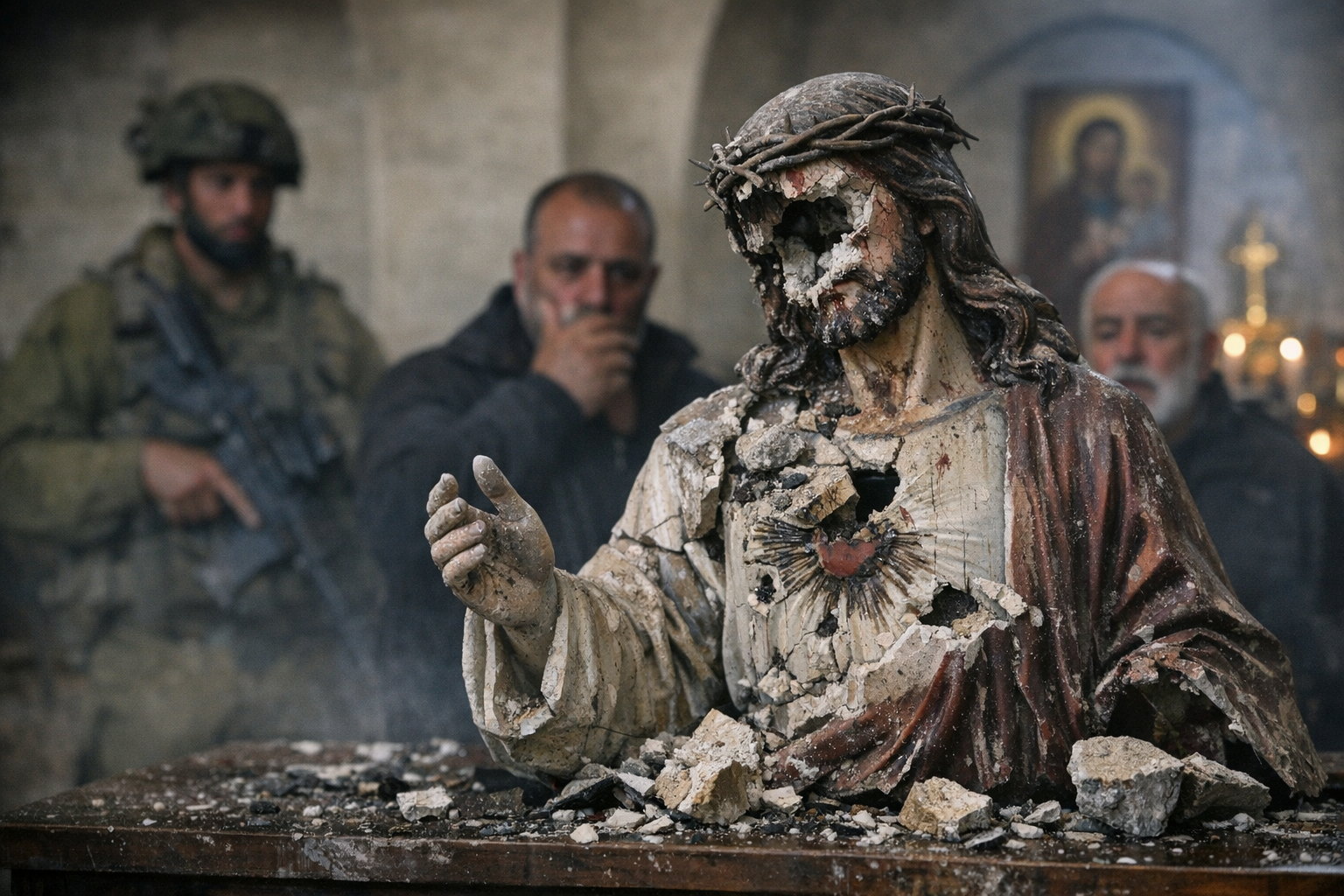
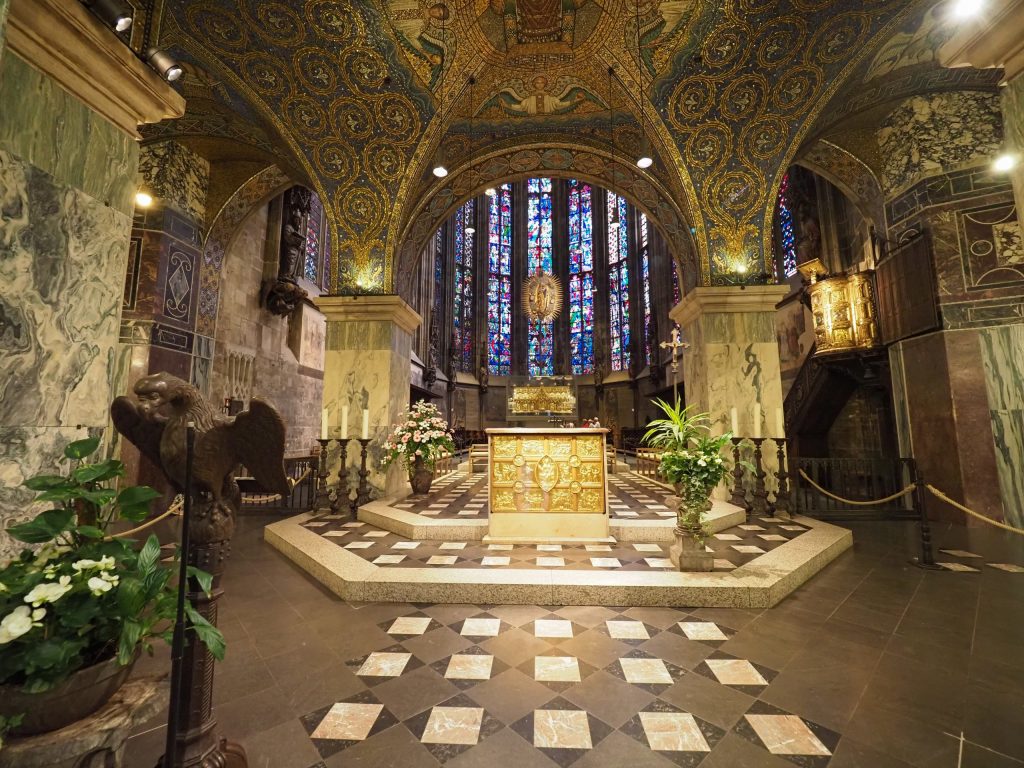
The emergence of AI-generated imagery depicting Jesus Christ has triggered widespread cultural, theological, and ethical debates. These discussions center on concerns regarding the commodification of religious icons, the potential for misrepresentation, the blurring of lines between artistic expression and historical interpretation, and the challenge to traditional religious authority in an era of synthetic media.
The visual representation of Jesus has been a subject of intense artistic scrutiny for two millennia. From the earliest catacomb frescoes to the grand canvases of the Renaissance, painters have navigated a complex landscape of theology and cultural identity to portray a figure for whom no contemporary portrait exists. Today, as generative AI models—trained on vast datasets of historical, cinematic, and digital art—create hyper-realistic, often idealized, or culturally varied versions of Jesus, the debate has shifted from the canvas to the algorithm.
The Technological Catalyst: How Generative AI Operates
At its core, the controversy is driven by the nature of Large Language Models (LLMs) and Diffusion Models. When a user requests an "AI picture of Jesus," the software does not possess a theological understanding of the subject. Instead, it relies on a probabilistic interpretation of millions of images tagged with religious keywords.
Because these models aggregate diverse styles—ranging from Byzantine iconography to Western romanticism and Hollywood cinematography—the resulting image is often a synthesis that lacks historical or cultural grounding. For many religious institutions and practitioners, the issue is not just the aesthetic output but the process itself. The "dehumanization" of the creative process, where a complex, sacred figure is distilled into a string of pixels generated by a statistical model, creates friction with the belief that religious art should emerge from spiritual contemplation rather than computational efficiency.
Theological and Historical Implications
The primary theological argument against AI-generated religious art is the challenge to the tradition of "iconography." In many Christian traditions, particularly Eastern Orthodoxy, the icon is not merely an illustration but a window into the divine, crafted by an individual who follows specific liturgical and spiritual disciplines.
Concerns Regarding Authenticity
- The Lack of Intent: Critics argue that because an AI lacks a soul, faith, or personal connection to the subject, the output is inherently "hollow" or "profane."
- Cultural Homogenization: Because these models are often heavily weighted toward Western datasets, they frequently produce a "Hollywood-style" Jesus—typically portrayed with Eurocentric features—which can alienate or marginalize global Christian communities who have developed their own visual, cultural expressions of the faith.
- Misleading Historical Claims: Occasionally, AI-generated images are presented as "the most accurate portrait of Jesus ever made," typically based on forensic reconstructions of skeletal remains from the first century. When these are framed as objective reality, they spark intense debate among historians and theologians who recognize these as artistic, not historical, conjectures.
Ethical Dimensions: Misinformation and Manipulation
Beyond theology, there is a tangible concern regarding the role of AI in the spread of misinformation. In recent years, social media platforms have seen a surge in "clickbait" images of Jesus—often appearing in absurd, surreal, or hyper-idealized contexts—designed specifically to exploit the algorithms that favor engagement.
These posts often use AI-generated images to solicit "Amens" or prayers in the comments section. This practice, often referred to as "engagement farming," uses sacred imagery to manipulate user behavior, increase ad revenue, or disseminate political and social narratives under the guise of religious devotion. This creates a feedback loop where the sanctity of the image is eroded by its use as a tool for digital exploitation.
Navigating the Digital Iconography Landscape
As AI continues to proliferate, both the Church and the public are grappling with how to regulate or respond to these developments. Some religious leaders have encouraged a "critical eye," suggesting that users should distinguish between art, which is a tool for reflection, and truth, which requires historical and theological rigor.
The following table summarizes the key areas where AI-generated religious imagery creates friction compared to traditional artistic mediums.
| Feature | Traditional Religious Art | AI-Generated Imagery |
|---|---|---|
| Creation Process | Human-led, reflective, manual | Prompt-based, probabilistic, automated |
| Theological Oversight | Often guided by Church tradition | None; driven by open-web data |
| Intention | Devotional or educational | Primarily aesthetic or viral/commercial |
| Originality | Unique interpretation | Derivative synthesis of existing datasets |
| Historical Basis | Stylistic representation | Computational approximation |
The Question of Religious Authority
The debate also highlights a shift in power. For centuries, religious institutions held significant influence over how holy figures were depicted. Art was commissioned, reviewed, and approved to ensure it aligned with doctrine.
Generative AI bypasses these gatekeepers. An individual with no theological training can now produce and distribute an image of Jesus to millions of people globally within seconds. This democratization of content creation is a double-edged sword: it allows for diverse, personal expressions of faith but also facilitates the rapid spread of images that many believers find offensive, sacrilegious, or historically illiterate.
Frequently Asked Questions
Are AI images of Jesus considered offensive? The perception of offense varies significantly. Some view them as creative expressions, while others consider them sacrilegious because they are generated without spiritual intent or traditional artistic discipline.
Can AI-generated images be used in church services? Some modern churches incorporate digital art, but many traditional denominations maintain that images used for liturgy must be vetted for theological accuracy, which is difficult to achieve with the randomized outputs of AI.
How can I tell if a picture of Jesus is AI-generated? Look for common artifacts: unnatural skin textures, impossible lighting, surreal backgrounds, or distorted details (such as the hands or eyes). If the image seems "too smooth" or lacks the brushwork typical of human-made art, it is likely AI-generated.
Does using AI for religious art violate copyright? Legal frameworks are currently evolving. While an AI output itself may not be copyrightable in many jurisdictions, the use of copyrighted art in the training data of these models remains a subject of intense legal and ethical contention.
What is the "historical Jesus" vs. "artistic Jesus"? The "historical Jesus" refers to academic efforts to understand the life of the human figure through archaeological and historical records. The "artistic Jesus" is a cultural construct used to convey theological ideals and has never claimed to be a literal, photographic portrait.
Recommendations for Engagement
If you encounter an AI-generated image of Jesus that is being presented as an authentic discovery or a divine revelation, the most effective action is to exercise critical digital literacy:
- Check the Source: Identify if the account or website has a history of spreading misinformation or "engagement bait."
- Evaluate the Claim: If an image claims to be a "newly discovered" or "scientifically accurate" photo, look for corroboration from academic or reputable religious sources. If none exists, treat it as an artistic interpretation.
- Prioritize Context: Understand that AI images are reflections of data, not representations of spiritual truth. Use them as tools for discussion or artistic inspiration rather than as primary sources of historical or theological information.
By approaching digital religious media with skepticism and a deeper understanding of the technology behind it, you can navigate the divide between evolving aesthetics and enduring belief.