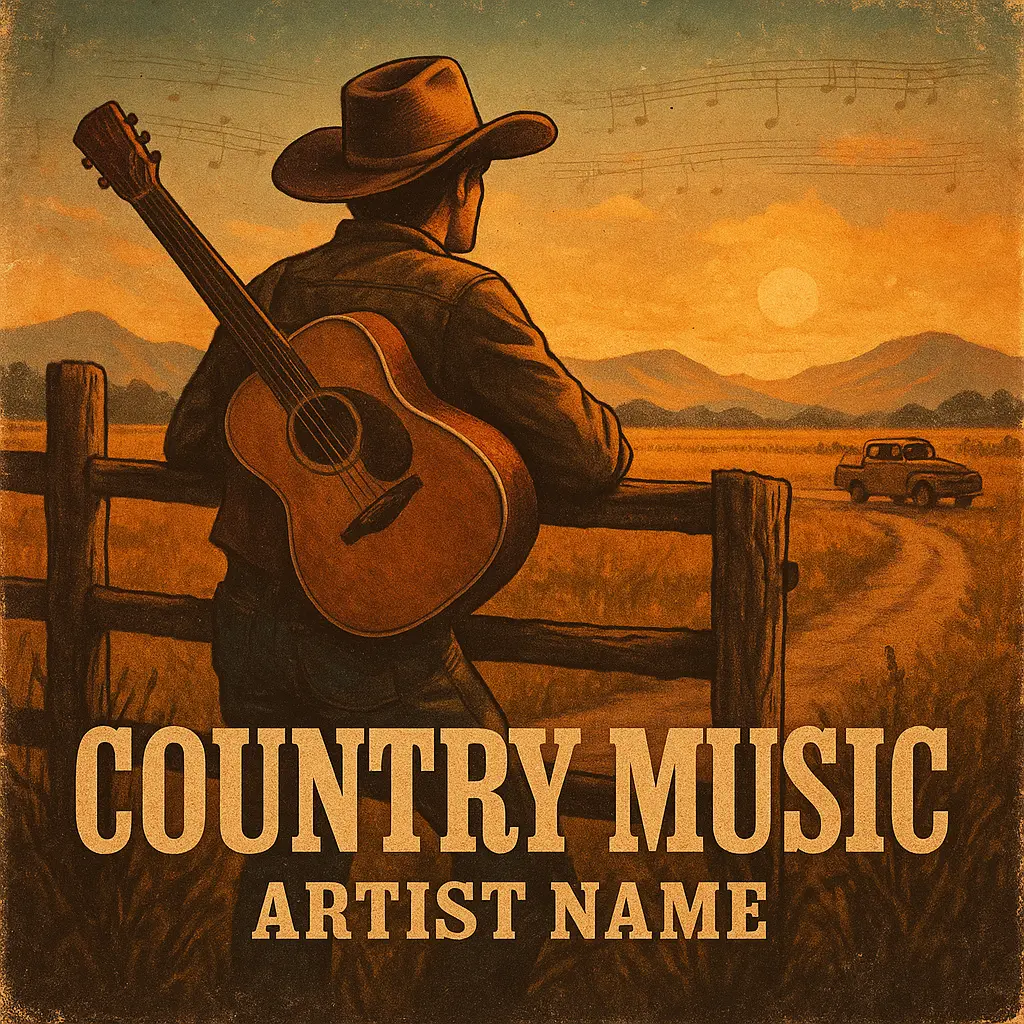
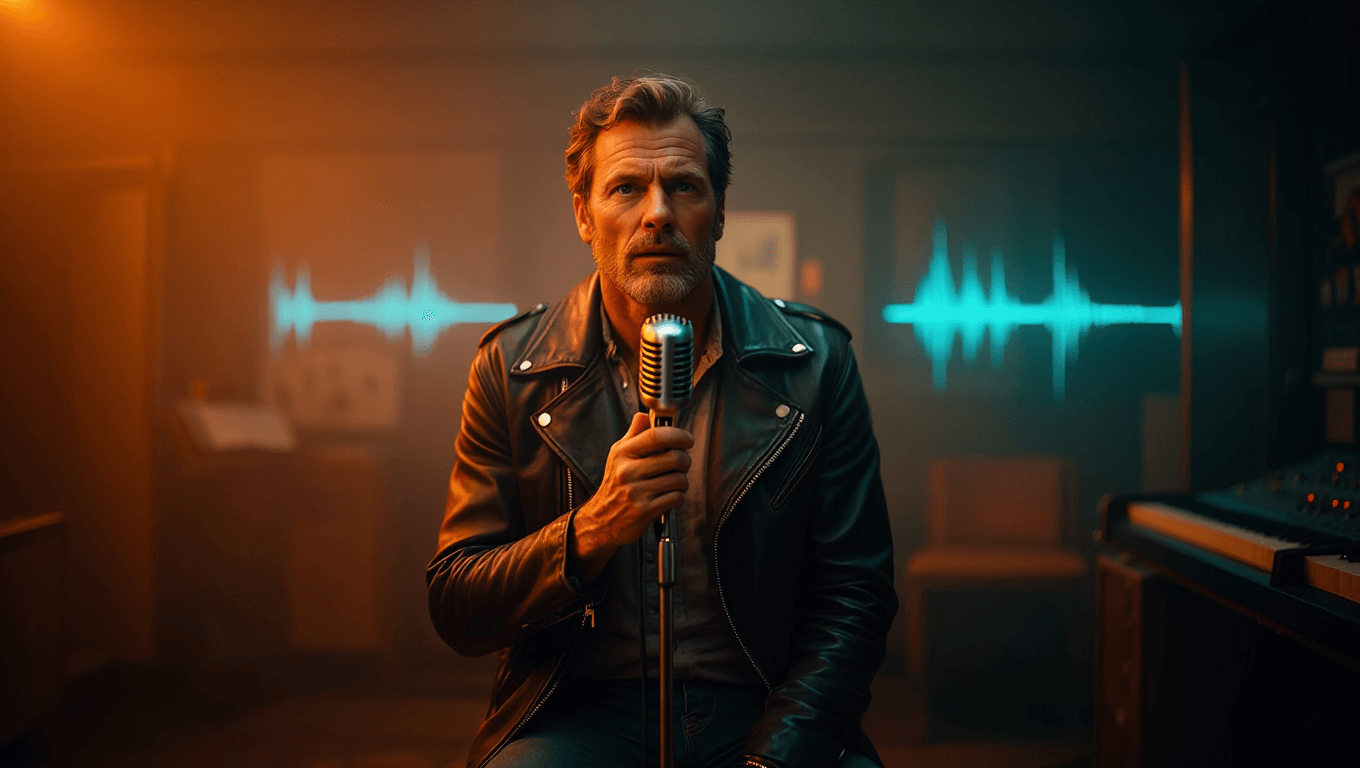
An AI country artist is a synthetic musical persona or autonomous generation system designed to compose, perform, and produce country music using generative artificial intelligence. By utilizing machine learning models trained on vast datasets of acoustic instrumentation, vocal timber, and thematic lyrical structures, these systems enable users to generate high-fidelity, genre-specific tracks that mimic the nuance of traditional country performance.
The rise of the AI country artist represents a significant shift in music production, moving from purely human-centered songwriting toward collaborative frameworks where machine-generated melodies and lyrics intersect with human curation. Whether you are a songwriter looking for a backing track, a producer exploring new creative horizons, or a fan interested in the technological evolution of the genre, understanding the underlying mechanics, ethical considerations, and technical requirements is essential for navigating the current landscape.
The Technological Architecture of Country Music Generation
To understand how an AI country artist functions, one must first look at the underlying models. Unlike early algorithmic music tools that relied on MIDI sequencing and rigid patterns, modern systems—such as those integrated into platforms like Suno, Udio, or proprietary large language models—utilize transformer architectures. These systems are trained on massive libraries of audio, specifically isolating the characteristics that define country music: acoustic guitar strumming patterns, pedal steel slides, fiddle inflections, and the specific vocal "twang" or glottal stops common in the genre.
The process begins with "prompt engineering." A user provides a textual description—for example, "a melancholic 90s-style honky-tonk ballad about rural decay with a prominent slide guitar"—and the model parses this against its internal vector space. It then attempts to predict the sequence of waveforms that best match this description. Because country music relies heavily on lyrical storytelling, these models also utilize LLMs to structure narratives that adhere to standard AABB or ABAB rhyme schemes, while maintaining the idiomatic language of rural or working-class experiences.
Prerequisites and Necessary Tools for Production
Entering the space of AI-generated music requires a modest technical setup. While you do not need a recording studio, you do need access to specific software interfaces and, depending on your goals, a subscription to high-end generative platforms.
- Platform Access: In 2026, the primary method for creating an AI country artist is via cloud-based generative suites. These platforms handle the compute-intensive "training" and inference processes on their own servers.
- DAW (Digital Audio Workstation) Integration: If you intend to take an AI-generated track and refine it, you will need a DAW such as Ableton Live, Logic Pro, or FL Studio. This allows you to import the AI output, trim it, add non-AI sound effects, or mix it with human-recorded instruments.
- Prompt Library: Developing a specific "sound" for your AI country artist requires a structured approach to prompts. Documenting which terms trigger the desired fiddling or percussion styles is a prerequisite for maintaining a consistent brand identity across multiple songs.
Comparing Generative AI Music Platforms
Not all generative tools are optimized for the acoustic, organic nuances required by the country genre. The following table illustrates the typical capabilities of currently available platforms for hobbyists and professionals.
| Feature | Specialized Audio Generators | General LLM/MIDI Tools | Human-Hybrid Workflow |
|---|---|---|---|
| Output Quality | High (Waveform Audio) | Low (MIDI Sequences) | High (Mastered Audio) |
| Learning Curve | Moderate | Low | High |
| Customization | Limited | High | Unlimited |
| Genre Fidelity | Strong | Weak | Absolute |
| Commercial Use | Subscription-Dependent | License-Free | Owner-Controlled |
Ethical Considerations and Copyright Limitations
A critical aspect of utilizing an AI country artist is navigating the complex legal landscape surrounding generative art. As of 2026, the status of copyright for AI-generated works remains a contentious issue in many jurisdictions. Generally, content created entirely by AI cannot be copyrighted under current intellectual property frameworks in the United States, as authorship requires human creative agency.
When using these tools, you must be aware of the "Training Data" issue. Some models have been accused of scraping the styles of iconic country artists without permission. For creators, the safest route is to use platforms that guarantee "clean" training sets or to use AI as a composition tool rather than a final product. If you are releasing music publicly, verify the Terms of Service of your chosen platform to ensure you have the commercial rights to the audio generated.
Developing a Unique Persona for Your AI Artist
A successful AI country artist needs more than just computer-generated audio; it requires a compelling identity. Because the audio itself is synthetic, the "soul" of the project often rests on the narrative built around the artist.
Start by defining the persona’s background. Is this artist a digital re-creation of a specific sub-genre, such as "Outlaw Country" or "Contemporary Pop-Country"? Developing a backstory—a fictional hometown, a collection of personal struggles, or a specific visual aesthetic—helps listeners engage with the music. Use visual generation tools to create a consistent face or avatar for your artist, ensuring that the visual branding matches the acoustic profile of the songs. This synergy between sound and story is what distinguishes a viral AI musical project from a generic sound file.
Troubleshooting Common Issues
Even with high-end tools, creators often encounter technical roadblocks when generating country tracks.
The "Robotic" Vocal Problem
AI models sometimes struggle with the micro-inflections of country singing. If the vocals sound too flat or robotic, try adjusting your prompt to include terms like "vocal grit," "Southern drawl," or "human-like imperfections." If the issue persists, consider using a separate voice-modulation plugin in your DAW to add the necessary character to the dry vocal file.
Lyrical Clichés
Generative models often default to overused country tropes (e.g., tractors, dirt roads, beer). To avoid this, provide the AI with specific, non-obvious details in your prompts. Instead of "a song about a truck," try "a song about a rusty 1974 pickup truck sitting under a dying oak tree during a drought." The added specificity forces the model to draw from a wider range of linguistic patterns.
Temporal Inconsistency
When generating longer songs, the AI may lose the beat or shift key signatures. To solve this, break your generation process into segments—verse, chorus, bridge—and "stitch" them together in a DAW. This manual oversight allows you to maintain the song structure and ensures the tempo remains steady throughout the performance.
Future Outlook for AI in Country Music
As of 2026, the technology is moving toward greater user control, including "voice cloning" capabilities that allow users to train a model on their own voice to sing the AI-generated lyrics. This evolution will likely lead to a new category of "hybrid" country artists who use AI to handle the heavy lifting of instrumental production while providing the emotional core of the performance through their own vocal input. The line between human and machine will continue to blur, making the role of the human producer as a "curator" more important than ever.
Frequently Asked Questions
Can I sell music created by an AI country artist?
Generally, yes, provided the platform you used grants you commercial usage rights. However, remember that you likely cannot claim full copyright for the audio. If you intend to sell the music, prioritize using platforms that explicitly offer commercial licenses in their terms of service.
Do I need to know how to play an instrument to use these tools?
No. While knowing music theory can help you prompt the AI more effectively, the core intent of these tools is to democratize music production. You are essentially acting as a director rather than a session musician.
How do I make my AI song sound "real"?
The secret lies in the mix. Take the raw audio generated by the AI, drag it into a DAW, and add subtle room reverb, compression, and EQ. Professional country music is highly polished; applying standard studio processing techniques to your AI stems will significantly improve the final output.
Will AI replace human country singers?
AI is unlikely to replace the live performance experience, which is the cornerstone of country music culture. Instead, it is becoming a tool for songwriters and producers to experiment with ideas, create demos, or explore new creative directions without the overhead costs of hiring session musicians for every iteration.
Next Steps for Aspiring Creators
If you are ready to begin, select one of the top-tier generative audio platforms and commit to a one-month subscription to test their capabilities. Start by inputting a simple prompt and focus on mastering the "segmentation" technique mentioned earlier. Once you have a collection of high-quality clips, use a free DAW to arrange them into a full-length song. Treat your first few projects as learning exercises; the more you experiment with prompt phrasing, the more precise your AI country artist will become in delivering the sound you envision.