Securing agricultural data in cloud platforms requires a multi-layered strategy centered on end-to-end encryption, strict identity and access management (IAM), and adherence to industry-specific compliance standards. By implementing zero-trust architectures and verifying data sovereignty, stakeholders can protect sensitive yield maps, genetic information, and financial records from evolving cyber threats.
The digital transformation of the global food system has reached a pinnacle in 2026. Agriculture is no longer just about soil and seed; it is an industry driven by petabytes of data flowing from autonomous tractors, satellite constellations, and subterranean IoT sensors. As this data migrates to cloud environments to leverage artificial intelligence and machine learning, the surface area for potential cyberattacks has expanded. Ensuring that this agricultural data remains secure is not merely a technical requirement—it is a prerequisite for global food security and farm-level profitability.
The Critical Importance of Agricultural Data Security
In 2026, data is the most valuable input on the modern farm, often rivaling the cost of fertilizer or fuel. Agricultural data encompasses a wide range of sensitive information, including high-resolution yield maps, soil nutrient profiles, livestock health records, and proprietary seed performance data. If this information is compromised, the consequences extend far beyond a simple privacy breach.
Unauthorized access to yield data can allow commodity traders to manipulate market prices, while the theft of genetic data could undermine years of research and development in drought-resistant crops. Furthermore, as precision agriculture becomes integrated with the "Internet of Fields," a security breach in a cloud platform could theoretically allow a malicious actor to disable autonomous machinery or irrigation systems, leading to catastrophic crop failure. The cloud offers the scalability needed to process this data, but it also centralizes the risk, making robust security protocols non-negotiable.
Primary Threats to Agricultural Cloud Infrastructure
Understanding the threat landscape is the first step toward mitigation. Agricultural data in the cloud is currently targeted through three primary vectors:
1. API Vulnerabilities and Integration Risks
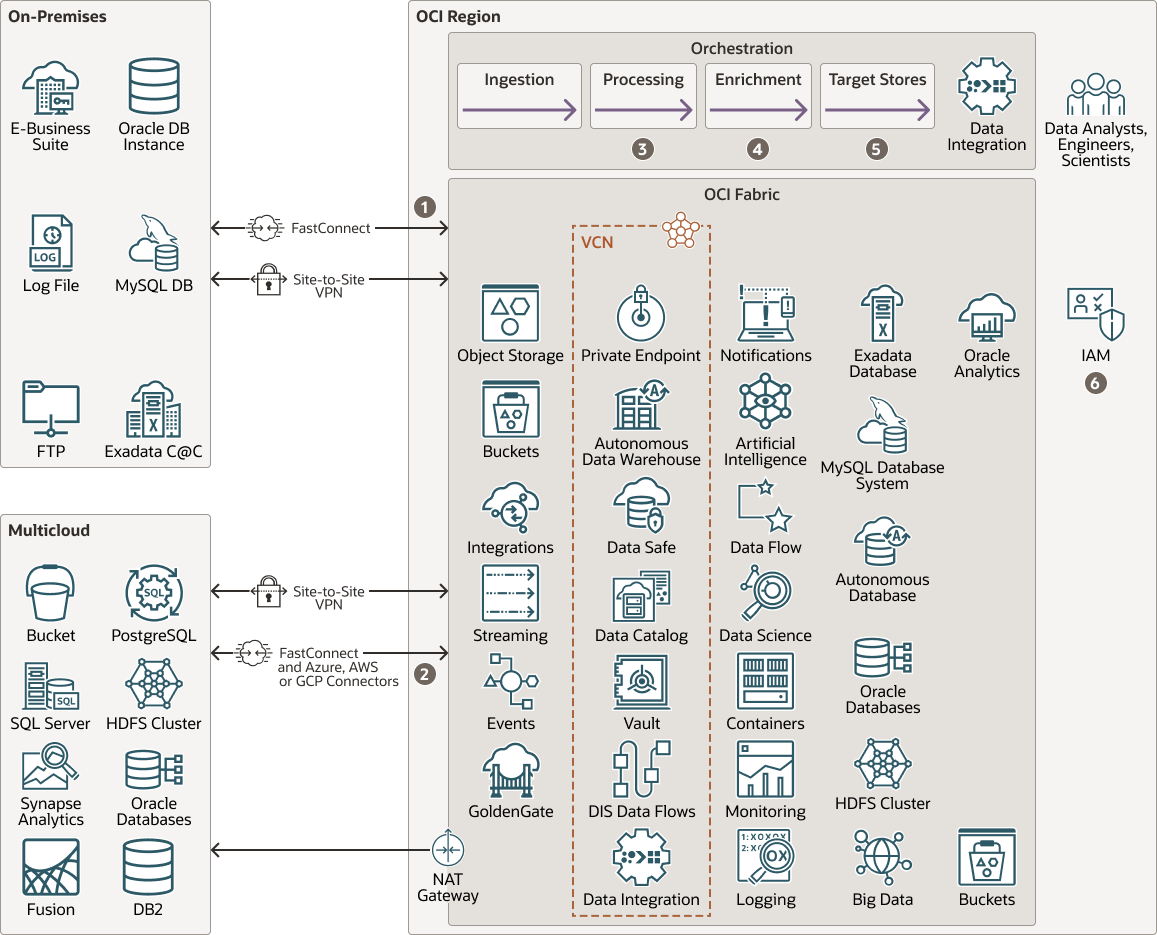
Modern AgTech ecosystems rely on APIs (Application Programming Interfaces) to move data between field sensors, drone software, and cloud-based analytics platforms. Insecure APIs are a leading cause of data leaks. If an API lacks proper authentication or rate limiting, it can serve as an open door for automated "scraping" of sensitive farm data.
2. Supply Chain Interdependencies
The agricultural cloud is rarely a single silo. A farmer might use a specialized software-as-a-service (SaaS) provider that hosts its data on a major infrastructure provider like AWS or Microsoft Azure. A vulnerability in any link of this chain—such as a third-party plugin used for weather forecasting—can compromise the entire dataset.
3. Data Misconfiguration
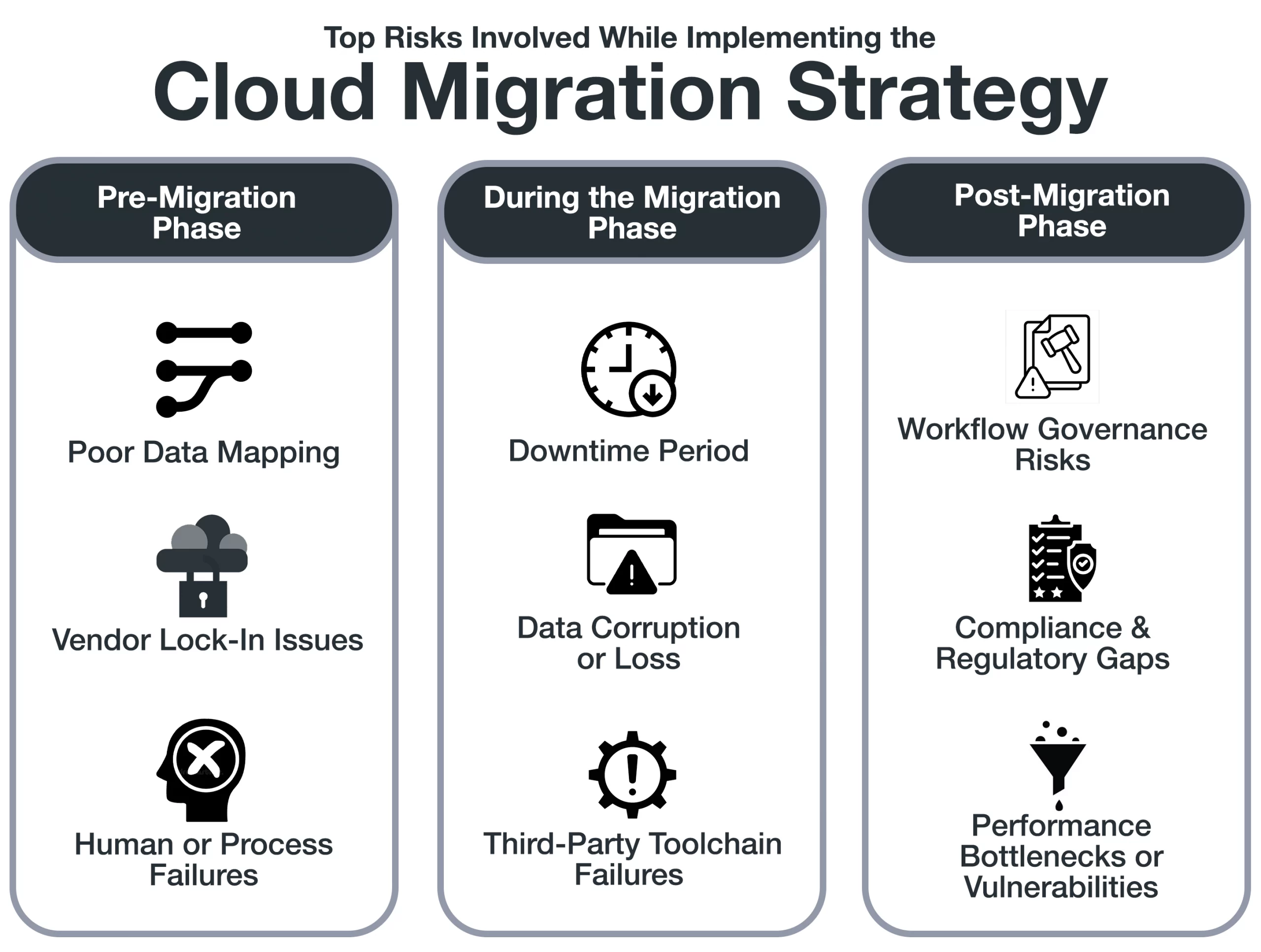
Human error remains a significant factor in cloud security. Misconfigured storage buckets (such as S3 buckets) often leave vast amounts of data publicly accessible. In the rush to digitize operations, many agricultural firms fail to implement the "Principle of Least Privilege," granting excessive permissions to users and applications that do not require them.
Technical Frameworks for Data Integrity and Privacy
To safeguard information, agricultural organizations must move beyond basic password protection and adopt a comprehensive technical framework.
End-to-End Encryption (E2EE)
Encryption must be applied in three distinct states: at rest, in transit, and in use.
- At Rest: Data stored on cloud servers should be encrypted using AES-256 or higher. In 2026, many organizations are utilizing Bring Your Own Key (BYOK) models, where the farm or enterprise retains control of the encryption keys, ensuring the cloud provider cannot access the raw data.
- In Transit: Secure protocols like TLS 1.3 are essential for moving data from field-level gateways to the cloud. This prevents "man-in-the-middle" attacks where data is intercepted during transmission.
- In Use: Emerging technologies like Confidential Computing allow data to be processed in encrypted "enclaves" within the CPU, ensuring that even the cloud provider's system memory cannot reveal the contents during analysis.
Zero Trust Architecture (ZTA)
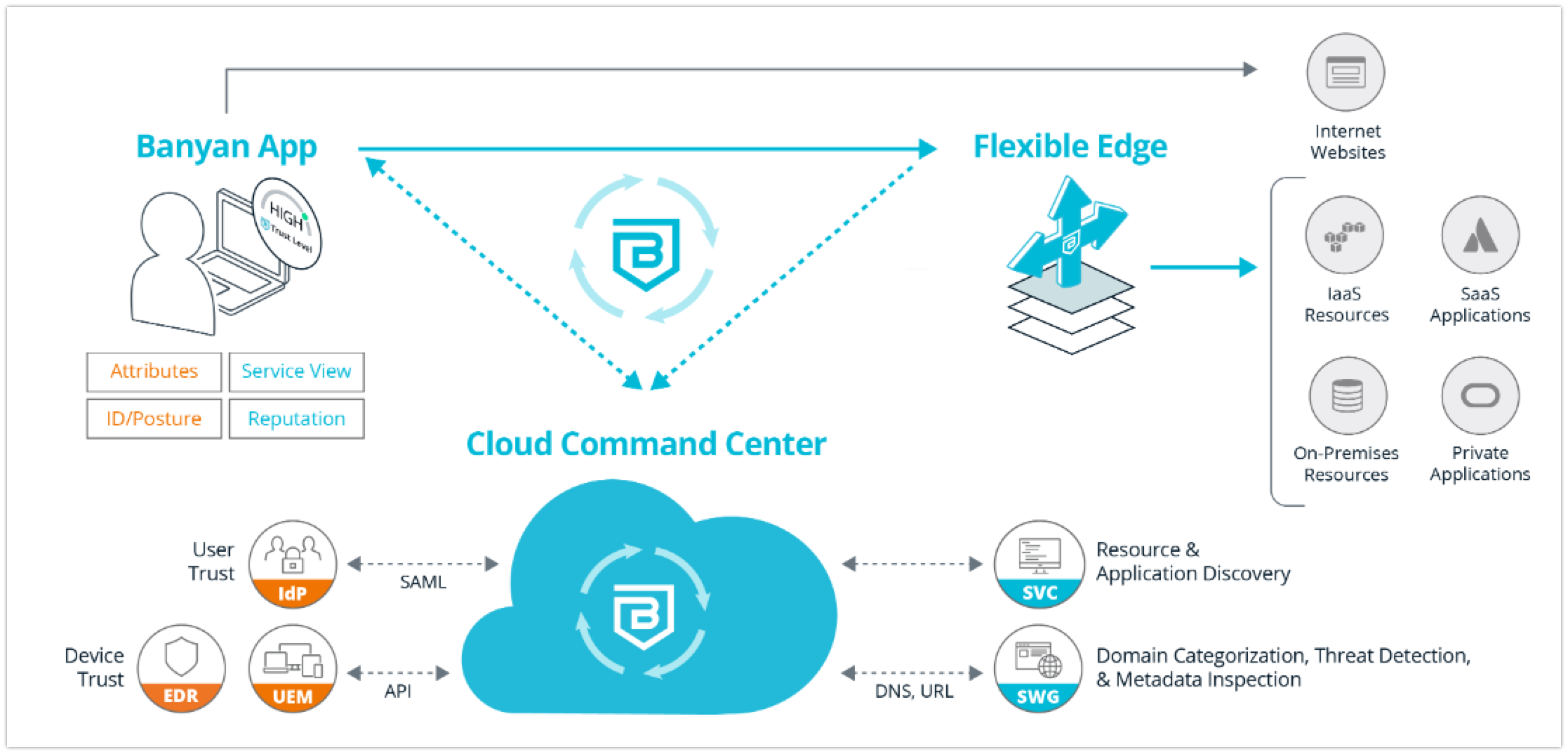
The traditional "perimeter" model of security is obsolete. Zero Trust operates on the principle of "never trust, always verify." Every request for data access, whether it comes from a farm manager's smartphone or an automated drone server, must be authenticated, authorized, and encrypted. This is often achieved through Multi-Factor Authentication (MFA) and micro-segmentation, which divides the network into small zones to prevent lateral movement by an attacker.
Navigating Data Sovereignty and Ownership
One of the most complex aspects of agricultural data in the cloud is the question of who owns the data and where it physically resides. Data sovereignty refers to the idea that data is subject to the laws of the country in which it is located.
Farmers must be aware of the jurisdictional implications of their cloud provider. For instance, data stored in the European Union is protected by the General Data Protection Regulation (GDPR), which provides stringent rights to data subjects. In the United States, while there is no single federal farm data law, the Ag Data Transparent (ADT) project has established a voluntary code of conduct that helps farmers identify providers who commit to transparency in data ownership and usage.
Before migrating to a cloud platform, it is essential to review the Service Level Agreement (SLA). The SLA should clearly state that the farmer or the agribusiness retains 100% ownership of the raw data and that the provider cannot sell or share that data with third parties without explicit, granular consent.
Comparing Cloud Deployment Models for Agriculture
Choosing the right cloud model involves balancing cost, scalability, and security. The following table compares the three primary models used in the agricultural sector as of 2026.
| Feature | Public Cloud (e.g., AWS, Azure, GCP) | Private Cloud (On-premises/Dedicated) | Hybrid Cloud (Mixed Model) |
|---|---|---|---|
| Security Control | Managed by provider; shared responsibility. | Maximum; user controls the entire stack. | Balanced; sensitive data stays private. |
| Scalability | Near-infinite; scales with demand. | Limited by physical hardware. | High; can "burst" into public cloud. |
| Cost Structure | Pay-as-you-go; low entry barrier. | High upfront CAPEX for hardware. | Complex; requires skilled IT staff. |
| Compliance | Robust global certifications (ISO, SOC2). | User must manage all certifications. | Easier to meet specific local mandates. |
| Ideal For | General analytics, weather data, SaaS. | High-value genetic R&D, trade secrets. | Large enterprises with legacy systems. |
Implementation Checklist for Securing Ag-Data
To ensure a secure cloud environment, agricultural enterprises should follow these actionable steps:
- Conduct a Data Audit: Categorize data based on sensitivity (e.g., Public, Internal, Confidential, Restricted). Not all data requires the same level of protection.
- Enable MFA Everywhere: Ensure that all accounts associated with the cloud platform require more than just a password. Hardware security keys (like Yubikeys) are preferred for high-access accounts.
- Implement Immutable Backups: To defend against ransomware, maintain backups that cannot be deleted or altered for a set period. In 2026, cloud providers offer "object locking" features specifically for this purpose.
- Vetting Third-Party Vendors: Use the Privacy and Security Principles for Farm Data as a benchmark when selecting AgTech partners.
- Regular Penetration Testing: Hire cybersecurity experts to attempt to breach your cloud configurations at least once a year. This identifies vulnerabilities before malicious actors do.
Frequently Asked Questions
Who actually owns my farm data when it is stored in the cloud?
In most reputable AgTech agreements, the farmer retains ownership of the "raw data" (the direct measurements from the field). However, the cloud provider or software company may claim ownership of "aggregated data" or "derived data" (the insights produced after processing your data with their algorithms). Always check the "Data Usage" section of your contract to ensure you can export your data if you decide to switch providers.
Can I access my cloud-based agricultural data if my internet goes out?
This depends on your system's "Edge" capabilities. Many modern agricultural cloud platforms use an Edge-to-Cloud architecture. This means a local server or gateway on the farm stores and processes critical data locally, syncing with the cloud only when a connection is available. For autonomous operations, ensuring local cached access is a vital safety requirement.
How much does it cost to implement high-level security for agricultural data?
The cost is typically a percentage of your overall cloud spend, often ranging from 10% to 25% for advanced security features like managed threat detection and dedicated encryption hardware. While this may seem high, the cost of a data breach—including lost intellectual property and potential downtime—is almost always significantly higher.
Does GDPR apply to agricultural data in the United States?
If your agribusiness handles the personal data of individuals located in the EU (such as employees or European customers), or if you use a European-based cloud provider, GDPR requirements may apply regardless of your physical location. Furthermore, US-based regulations like the California Consumer Privacy Act (CCPA) have created similar protections that often apply to large AgTech data sets.
What should I do if I suspect a data breach in my cloud platform?
First, trigger your Incident Response Plan. This should include isolating the affected systems, changing all administrative passwords, and notifying your legal counsel. Under many jurisdictions and industry certifications, you are required to notify affected parties and regulatory bodies within a specific timeframe (often 72 hours).
Practical Recommendation for 2026
For 2026, the most effective way to secure agricultural data is to adopt a Hybrid-Cloud approach combined with Ag Data Transparent (ADT) certification. Store your most sensitive intellectual property—such as proprietary breeding algorithms or high-stakes financial projections—on a private, encrypted segment, while using the public cloud for high-volume tasks like satellite image processing and weather modeling. Always prioritize vendors who have undergone independent auditing for data transparency. This balanced approach provides the computational power necessary for modern farming while maintaining the sovereignty and security of your most critical digital assets.