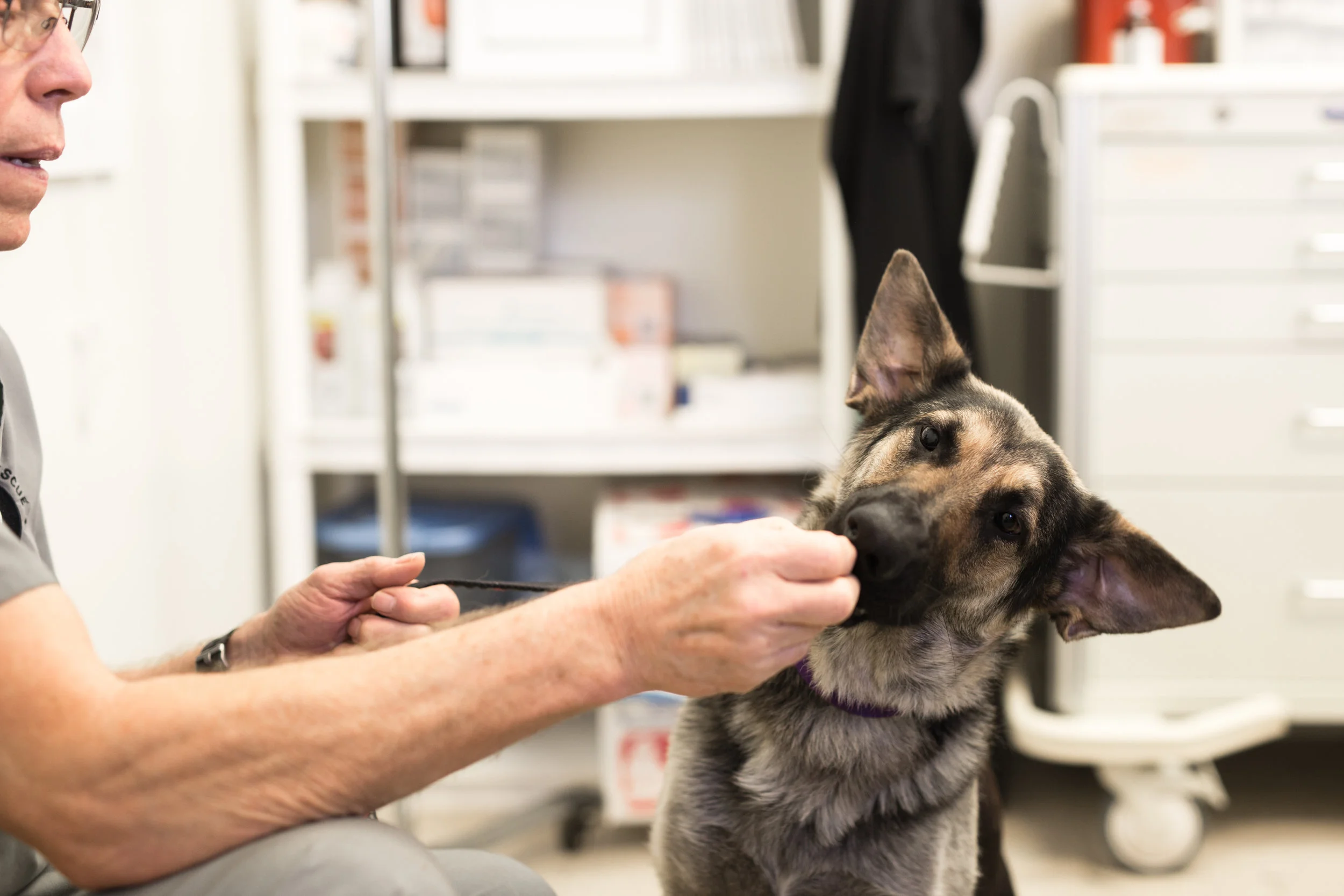
Accessing high-quality, affordable veterinary care in Federal Way requires a combination of strategic planning, knowledge of local nonprofit resources, and a clear understanding of the difference between routine wellness and emergency medical needs. Pet owners in South King County can navigate rising veterinary costs by leveraging community-based clinics, mobile services, and specialized financial assistance programs specifically designed to keep pets healthy and with their families.
Understanding the Landscape of Veterinary Costs in 2026
The cost of veterinary medicine has shifted significantly over the past decade, influenced by technological advancements, increased demand for specialized care, and operational overhead. In Federal Way, as in much of the Pacific Northwest, pet owners are seeing a rise in the average price of preventative care, such as annual vaccinations, dental cleanings, and spay/neuter procedures.
When searching for "affordable" options, it is essential to distinguish between low-cost clinics and full-service hospitals. Low-cost clinics often receive funding from grants or municipal partnerships, allowing them to offer specific services—like sterilization or basic immunizations—at a fraction of the market rate. Full-service veterinary hospitals, conversely, provide comprehensive diagnostics, surgical suites, and 24-hour monitoring. While they may appear more expensive, they are often the only viable option for complex, life-threatening conditions.
Essential Resources for Affordable Care in the Federal Way Area
Federal Way residents have access to several regional resources that provide lower-cost alternatives to traditional private practices. Because these services are often in high demand, they typically require appointments scheduled well in advance.
1. Nonprofit and Public Clinics
Several organizations in King County focus on reducing pet overpopulation and ensuring basic medical access. Organizations such as Seattle Humane and various community-based low-cost spay/neuter clinics serve the greater South King County area. These facilities often maintain stricter schedules and provide a limited scope of services compared to private practitioners, but their pricing structures are intentionally subsidized.
2. Mobile Veterinary Services
Mobile clinics have become an increasingly popular solution for residents who face transportation barriers or whose pets experience high anxiety in a clinical setting. By removing the overhead of a brick-and-mortar facility, some mobile practitioners can offer competitive pricing on routine wellness checks and basic preventative medicine. Always verify that a mobile veterinarian is currently licensed through the Washington State Department of Health and maintains appropriate professional liability insurance.
3. Financial Assistance Programs
When a pet faces a sudden health crisis that exceeds a household’s immediate budget, several national and regional organizations provide grants. These groups do not generally cover routine care, but they can be a lifeline for unexpected trauma, chronic disease management, or specialized surgery. Notable examples include the Pet Fund and RedRover, both of which have rigorous application processes. Prospective applicants should prepare their pet’s medical records and a formal estimate from their veterinarian before reaching out to these foundations.
Comparison of Veterinary Care Models
To determine the best path for your pet, consider the following table, which compares common care models available in the Federal Way region.
| Service Type | Primary Goal | Cost Profile | Best For |
|---|---|---|---|
| Full-Service Private Practice | Comprehensive health & diagnostics | High | Complex issues, chronic care, emergencies |
| Low-Cost Wellness Clinic | Preventative health/sterilization | Low | Vaccinations, wellness exams, routine spay/neuter |
| Mobile Veterinarian | Convenience & low-stress care | Moderate | Senior pets, travel-averse pets, basic wellness |
| Emergency Veterinary Hospital | Acute stabilization & surgery | Very High | Life-threatening illness or injury |
Strategic Planning for Long-Term Affordability
The most effective way to keep veterinary costs under control is to shift from reactive care to proactive management. Minor health issues that go undetected can escalate into expensive, multi-day hospitalizations.
- Routine Preventative Medicine: Adhering to the recommended vaccination schedule, monthly parasite prevention (for heartworm, fleas, and ticks), and annual physical exams allows veterinarians to identify potential issues before they require advanced imaging or surgery.
- Pet Insurance Literacy: In 2026, pet insurance has become a standard consideration for many households. Unlike human health insurance, pet insurance generally operates on a reimbursement model. You pay the bill at the time of service and submit a claim for a percentage of the costs. When selecting a plan, evaluate the deductible, the annual limit, and whether the policy excludes "pre-existing conditions."
- Budgetary Provisions: Establishing a dedicated "pet health fund" remains the most reliable strategy. Even small, recurring monthly contributions into a high-yield savings account can mitigate the impact of an unexpected emergency bill.
Common Pitfalls to Avoid
When navigating the quest for affordable care, pet owners often encounter traps that can lead to subpar treatment or higher costs in the long run.
Avoid relying exclusively on internet research for diagnosis. "Dr. Google" cannot replace a physical examination, and delaying professional care based on online advice often results in a pet’s condition worsening, which eventually requires more aggressive and expensive treatment.
Furthermore, be cautious of unregulated "non-professional" service providers. Ensure that any individual or entity providing medical injections, surgeries, or prescription medications is a licensed veterinarian or a licensed veterinary technician working under direct veterinary supervision. You can verify the status of a veterinarian in Washington State through the Washington State Department of Health’s Provider Credential Search.
Addressing Veterinary Emergencies
If you are facing a medical emergency in Federal Way, financial constraints can make the situation feel impossible. However, most veterinary emergency hospitals in the region have established policies for handling urgent cases. If you suspect your pet is in critical condition, do not wait for a low-cost clinic to open; contact a 24-hour emergency facility immediately.
Many emergency hospitals work with third-party financing platforms such as CareCredit or Scratchpay. These services act as specialized lines of credit that can break down large, unexpected bills into manageable monthly payments. While interest rates vary based on creditworthiness, these tools are often the bridge between a life-saving procedure and the alternative.
Frequently Asked Questions
1. Does my low-income status qualify me for free veterinary care in Federal Way? There is no universal "free" veterinary care. However, some non-profit organizations offer hardship grants or significantly reduced rates for low-income families who can provide proof of enrollment in government assistance programs. Contact local animal shelters to see if they maintain a list of current regional resources for those in financial distress.
2. Is there a difference between a licensed veterinarian and a technician? Yes. A veterinarian (DVM or VMD) is a doctor who has completed extensive medical school training and is authorized to diagnose, prescribe medication, and perform surgery. A veterinary technician is a trained professional who provides support, such as drawing blood, administering vaccines, and monitoring anesthesia, but they must work under the supervision of a licensed veterinarian.
3. Should I go to an emergency clinic or a regular vet for an urgent problem? If the situation involves difficulty breathing, severe bleeding, seizures, ingestion of toxic materials, or an inability to walk, bypass the regular clinic and go directly to a 24-hour emergency hospital. The equipment and staffing levels at emergency centers are specifically designed to stabilize patients in critical condition, which is something a standard daytime clinic is often not equipped to do.
4. How can I lower my monthly pet care expenses? Focus on cost-effective preventative care. Many clinics offer wellness plans that bundle annual services (exams, bloodwork, and vaccinations) into a predictable monthly fee. Additionally, ask your veterinarian about prescribing generic medications or utilizing online veterinary pharmacies, which can sometimes provide lower prices on long-term prescriptions.
5. How far in advance should I book my pet’s wellness exam? In 2026, many veterinary clinics continue to experience high demand. It is advisable to book routine appointments at least four to six weeks in advance, especially for non-emergency wellness checks.
Next Steps for Pet Owners
To secure affordable care, start by gathering your pet’s complete medical history. Many vets will not accept a new patient without proof of prior vaccinations or existing health issues. Once you have these records, call three clinics within a reasonable radius of Federal Way and request a quote for a standard wellness exam. Compare these against the services offered by low-cost nonprofit organizations in the King County area. By researching these options before a crisis occurs, you ensure that you are prepared to make the best decision for your pet’s health and your financial stability.