Securing affordable life and health insurance coverage requires balancing your immediate medical needs, long-term financial security goals, monthly budgeting limits, and an understanding of available federal programs, employer benefits, and private market plans.
Finding affordable life and health insurance coverage is a critical step in achieving long-term financial security and protecting your physical well-being. Because navigating the insurance landscape can often feel overwhelming due to complex terminology, fluctuating premiums, and a multitude of policy options, breaking the process down into manageable steps is essential. Whether you are self-employed, transitioning between jobs, or simply looking to optimize your household budget, understanding how health and life insurance work together provides a foundation for smart decision-making.
This comprehensive guide explores the mechanics of both health and life insurance, evaluates cost-reduction strategies, outlines eligibility rules, and helps you select the right policies for your unique circumstances. Note: Financial and insurance products vary significantly by jurisdiction, personal health history, and age. This guide is for educational purposes and should not be construed as formal financial or medical advice.
Understanding Health Insurance Coverage Options
Health insurance serves as your primary financial shield against unexpected medical emergencies, chronic disease management, and routine preventive care. Without adequate coverage, a single medical event can lead to severe financial distress. To secure affordable health insurance coverage, you must first understand the structural differences between government-backed programs, employer-sponsored plans, and private market alternatives.
Government-Regulated and Sponsored Programs
For millions of individuals and families, government programs offer the most accessible and cost-effective health coverage options.
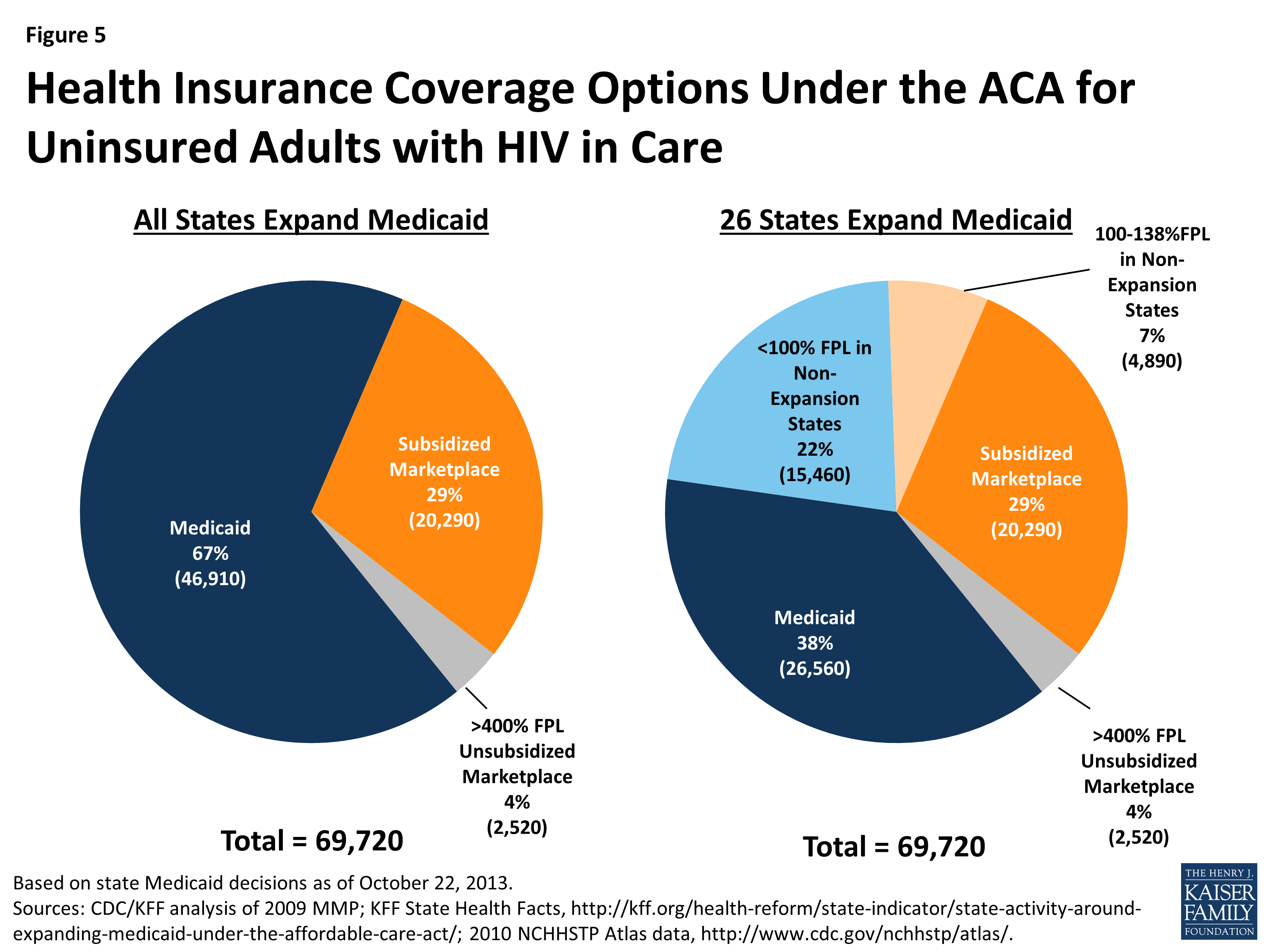
- The Health Insurance Marketplace (Affordable Care Act / ACA): Established under the Affordable Care Act, the federal marketplace (Healthcare.gov) and state-run exchanges allow individuals to compare private health plans. Premium tax credits and cost-sharing reductions are available for eligible applicants based on household income relative to the federal poverty level.
- Medicaid and CHIP: Medicaid provides free or low-cost health coverage to eligible low-income adults, children, pregnant women, elderly adults, and people with disabilities. The Children's Health Insurance Program (CHIP) targets families who earn too much to qualify for Medicaid but cannot afford private insurance.
- Medicare: Designed primarily for adults aged 65 and older, as well as certain younger individuals with disabilities, Medicare is divided into parts covering hospital care (Part A), medical services (Part B), Medicare Advantage plans (Part C), and prescription drugs (Part D).
Employer-Sponsored Health Plans
If you work for a company that offers health benefits, an employer-sponsored group plan is typically your most affordable option. Employers generally subsidize a substantial portion of the monthly premium, making group rates significantly lower than individual market rates.
When evaluating an employer plan, look closely at the deductible, copayments, and coinsurance. High-deductible health plans (HDHPs) feature lower monthly premiums and are often compatible with a Health Savings Account (HSA), allowing you to save pre-tax dollars for medical expenses.
Exploring Life Insurance Fundamentals
While health insurance takes care of you while you are alive, life insurance ensures that your dependents are financially protected after your death. Determining how to secure affordable life insurance coverage depends heavily on your life stage, financial obligations, and whether you choose temporary or permanent protection.
Term Life Insurance vs. Permanent Life Insurance
Understanding the distinction between these two primary categories is vital for managing costs.
- Term Life Insurance: Term life insurance provides coverage for a specific period—such as 10, 20, or 30 years. It pays out a death benefit only if you pass away during the active term. Because it does not build cash value and expires at the end of the term, it is straightforward and significantly more affordable, making it the preferred choice for most families seeking pure income replacement.
- Permanent Life Insurance: Permanent policies, such as Whole Life or Universal Life, provide lifetime coverage and include a savings component known as cash value, which grows over time. While these policies offer lifelong security and investment-like features, their monthly premiums are often five to fifteen times higher than term policies of the same face value.
Factors That Influence Life Insurance Pricing
Insurance underwriters assess risk to determine your premium rates. Understanding these variables helps you take steps to lower your costs:
- Age: Premiums increase with every year you age. Locking in a policy earlier in life secures a significantly lower rate.
- Health Status: Conditions like high blood pressure, diabetes, or a history of heart disease can raise rates. Underwriters typically require a medical exam and review your medical records.
- Tobacco Use: Smokers and vape users pay substantially higher rates—often double or triple non-smoker rates—due to elevated health risks.
- Lifestyle and Occupation: High-risk hobbies (such as skydiving or scuba diving) and dangerous professions can increase your costs.
Comparing Health and Life Insurance Plan Structures
To choose the right combination of policies, it helps to compare how cost, coverage, and flexibility intersect across different plan types.
| Insurance Type | Primary Purpose | Cost Determinants | Best Suited For |
|---|---|---|---|
| ACA Marketplace Health Plan | Comprehensive medical care, preventive services, hospitalization. | Household income, ZIP code, age, tobacco use, selected metal tier. | Self-employed individuals, freelancers, and those without employer coverage. |
| Employer Group Health Plan | Shared-risk medical coverage subsidized by an employer. | Company subsidy level, plan tier (Bronze, Silver, Gold, Platinum). | W-2 employees with access to corporate benefit programs. |
| Term Life Insurance | Income replacement and debt payoff for dependents over a set duration. | Age, health classification, term length, face value amount. | Parents, homeowners with mortgages, and primary breadwinners. |
| Permanent Life Insurance | Lifetime financial protection with cash-value accumulation. | Age, health, investment performance of cash value, policy fees. | High-net-worth individuals, estate planners, or dependents with lifelong special needs. |
Strategies for Lowering Insurance Costs Without Sacrificing Protection
Affordability does not have to mean inadequate coverage. By applying strategic purchasing habits, you can optimize your policies to fit your budget.
Bundling and Group Discounts
Many private insurers offer multi-policy discounts if you purchase your auto, home, life, and sometimes health-adjacent products (such as dental or vision) through the same provider. Furthermore, professional associations, alumni networks, and labor unions often negotiate group rates for members seeking supplemental life or health coverage.
Adjusting Deductibles and Copays
For health insurance, moving from a low-deductible plan to a high-deductible health plan (HDHP) can drastically reduce your monthly premium. If you are generally healthy and rarely visit the doctor outside of annual checkups (which are free under ACA-compliant plans), the monthly savings on premiums can outweigh occasional out-of-pocket medical costs. However, ensure you have an emergency fund to cover the deductible if a medical emergency arises.
Improving Health Markers Before Underwriting
For life insurance, securing a policy after quitting smoking, losing weight, or bringing blood pressure under control can move you into a better health rating class. Many term life policies allow you to lock in a rate now and request a re-evaluation later if your health improves, though waiting too long increases your baseline age bracket.
Common Mistakes to Avoid When Shopping for Insurance
Navigating the insurance market can lead to costly missteps if you are not careful. Avoid these common pitfalls to protect your financial health:
- Underinsuring Your Family: Buying a life insurance policy with a death benefit that is too low to cover your mortgage, childcare, and living expenses leaves your family vulnerable. A common benchmark is 10 to 15 times your annual income, adjusted for existing debts and savings.
- Focusing Solely on the Monthly Premium: A cheap health insurance plan with a massive deductible and restrictive network can cost you far more out-of-pocket than a slightly higher-priced plan with comprehensive coverage and low copays.
- Missing Open Enrollment Deadlines: For health insurance, enrolling outside of the designated annual Open Enrollment Period requires a Qualifying Life Event (such as marriage, the birth of a child, or loss of other coverage) to trigger a Special Enrollment Period. Missing these windows can leave you uninsured for months.
- Failing to Disclose Medical History: Omitting pre-existing conditions or tobacco use on a life insurance application can result in the insurer denying a claim or invalidating the policy entirely when your beneficiaries file for payout.
Frequently Asked Questions
Can I qualify for subsidized health insurance if I am self-employed?
Yes. Self-employed individuals and freelancers can purchase plans through the federal or state Health Insurance Marketplaces. Eligibility for premium tax credits is based on your estimated Modified Adjusted Gross Income (MAGI) for the tax year. If your income falls between 100% and 400% (and beyond, depending on current legislative extensions) of the federal poverty line, you may qualify for substantial financial assistance.
Is term life insurance always better than permanent life insurance?
For the vast majority of people looking for affordable protection, term life insurance is the more practical choice because it provides high coverage amounts at a fraction of the cost. Permanent life insurance is generally reserved for specific estate-planning needs, business continuation agreements, or long-term care planning where cash-value accumulation is explicitly desired.
What happens if I miss a health insurance premium payment?
Most health insurance providers offer a grace period—typically 30 days for individual plans purchased through the marketplace—during which you can pay overdue premiums without losing coverage. If you fail to pay by the end of the grace period, your policy may be terminated retroactively, making you responsible for any medical bills incurred during that time.
How much life insurance coverage do I actually need?
A reliable rule of thumb is the DIME formula, which accounts for Debt (excluding your mortgage), Income (multiplying your salary by the number of years your family needs support), Mortgage (the balance left on your home loan), and Education (estimated college costs for your children). Adjust these figures based on your liquid savings and partner's earning potential.
Can I change my health insurance plan outside of the Open Enrollment Period?
Generally, no, unless you experience a Qualifying Life Event. These events include losing job-based insurance, moving to a new ZIP code, getting married, having a baby, or experiencing a significant change in income that impacts your marketplace eligibility. You typically have a 60-day window following the event to enroll in a new plan.
Next Steps to Secure Your Coverage
Securing affordable life and health insurance coverage requires proactive research and a clear assessment of your household's financial boundaries. Start by reviewing your current healthcare utilization and debt obligations to determine your true coverage needs. If you are eligible for employer-sponsored benefits, evaluate those options first, as they often provide the highest value. For individual marketplace plans and term life policies, gather quotes from multiple reputable insurers or utilize official government enrollment portals to compare benefits side by side. By taking a methodical approach, you can build a safety net that protects both your health and your financial future.