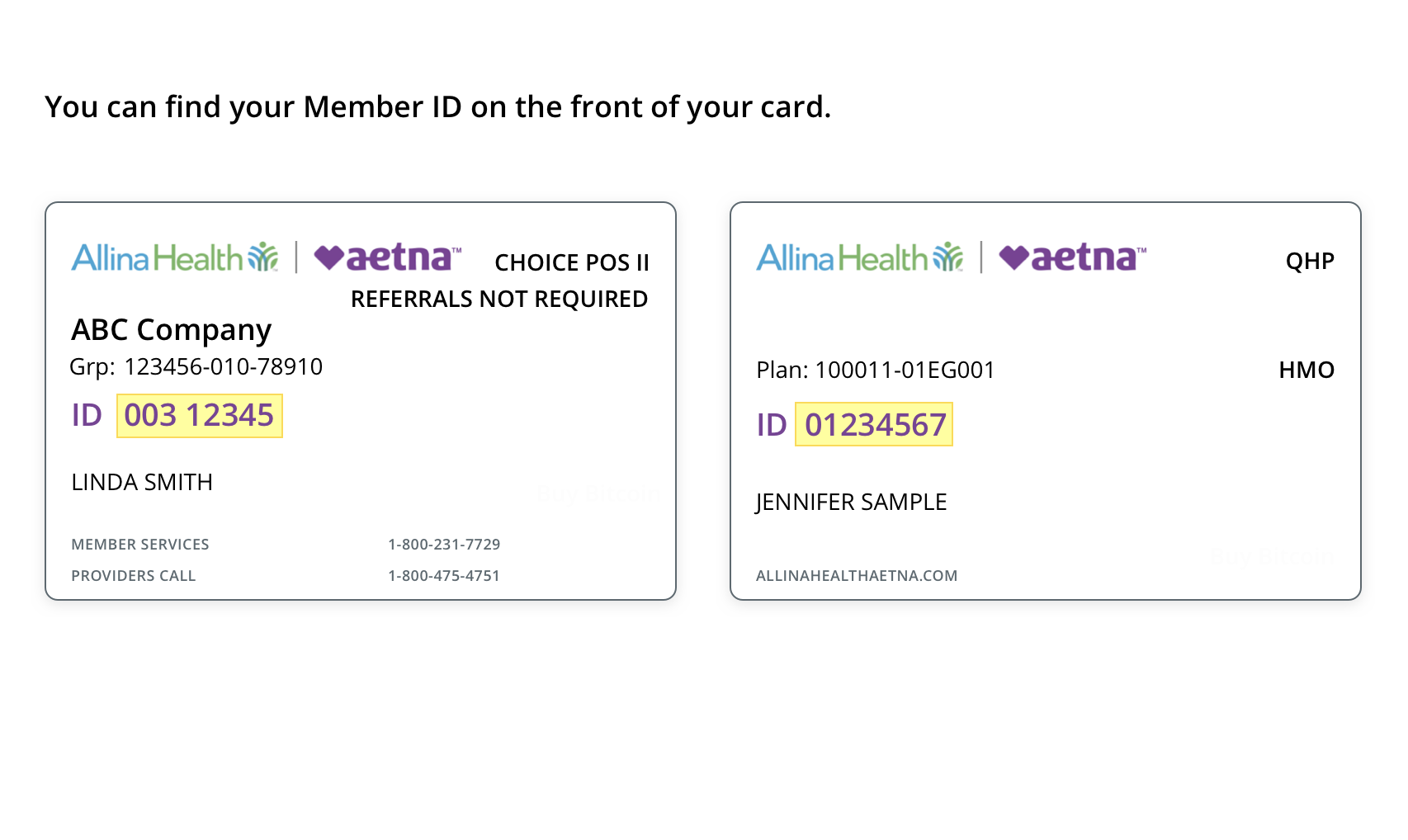
Navigating your dental benefits starts with understanding your identifiers; your Aetna dental insurance number—typically split into a member ID and a group number—acts as your primary credential for verifying coverage, processing claims, and accessing care at dental offices.
Understanding the Core Components of Your Aetna Dental Card
When you enroll in an Aetna dental plan, you receive a physical or digital insurance card that serves as your passport to dental care. While it may look straightforward, the card contains several distinct alphanumeric strings. Each of these numbers plays a specific role in communicating your eligibility to dental providers, routing claims through clearinghouses, and identifying your exact policy terms.
Knowing what these numbers mean prevents administrative delays at the dental clinic reception desk. Dental office staff rely on these codes to verify your coverage before you sit in the dental chair. If a number is mistyped or misunderstood, it can lead to claim rejections, unexpected out-of-pocket bills, or delays in getting necessary treatments approved, particularly for major restorative procedures or orthodontia.
The Member ID vs. The Group Number
The two most critical pieces of information on your Aetna dental insurance card are the Member ID and the Group Number. While both are vital for processing claims, they identify entirely different layers of your insurance structure.
The Member ID is a unique identifier assigned specifically to you (or the primary policyholder). Even if you are on a family plan where everyone shares the same overarching policy, each dependent usually has a unique suffix attached to the root Member ID to differentiate them. This number tells Aetna precisely who is receiving the service.
Conversely, the Group Number identifies the specific employer group, association, or marketplace plan through which you acquired your dental insurance. If you receive your benefits through your job, everyone in your company who has the same dental plan tier shares that exact same Group Number. This number tells Aetna where the policy originates, which dictates the overall benefit schedule, annual maximums, deductibles, and coinsurance percentages negotiated for your workplace.
Decoding Plan Codes and Network Identifiers
Beyond your Member ID and Group Number, your Aetna dental card often features additional codes that describe your network access and plan type. For instance, you might see acronyms like DMO (Dental Maintenance Organization) or PPO (Preferred Provider Organization) prominently displayed.
- PPO Plans: These plans give you the flexibility to visit any licensed dentist, though staying within the Aetna dental PPO network maximizes your savings and lowers your out-of-pocket costs.
- DMO Plans: These plans require you to select a primary care dentist (PCD) from within the Aetna DMO network and obtain referrals for specialist care.
Your card may also list a plan code or a specific network identifier. This string ensures that claims are processed according to the precise fee schedules agreed upon by Aetna and your participating dentist. Misidentifying your network type can result in a network mismatch, leading Aetna to deny coverage or apply out-of-network reimbursement rates that are significantly less favorable to your wallet.
Where to Find Your Aetna Dental Insurance Number
Finding your Aetna dental insurance number is relatively straightforward, provided you know where to look. Whether you have your physical wallet card on hand or you are trying to access your benefits digitally before a sudden dental appointment, multiple avenues exist to retrieve your exact policy details.
Physical Insurance Cards and Wallet Documents
The most immediate place to find your insurance information is your physical Aetna dental insurance card. Typically, Aetna issues separate cards for medical and dental coverage, though they may occasionally be combined depending on your employer's specific package.
On a standard Aetna dental card, you will typically find:
- The Primary Cardholder's Name and dependent names listed on the back or front.
- The Member ID (often labeled as "ID" or "Member ID"), usually located near the middle or top left.
- The Group Number (often labeled as "Group" or "Group No."), usually positioned near the Member ID.
- Customer Service Contact Numbers, which vary depending on whether you need general support, pre-treatment estimates, or overseas assistance.
If you cannot locate your physical card, do not panic. Dental offices are well-equipped to look up your information using alternative data points.
Digital Access via the Aetna Health App and Member Website
In the digital era, physical cards are easily supplemented by online portals. Aetna provides robust digital tools that ensure your insurance numbers are always accessible via smartphone or computer.
To find your numbers digitally:
- Log into the Aetna Health mobile application using your secure username and password.
- Navigate to the "Coverage" or "ID Card" section of the dashboard. The app displays a digital replica of the front and back of your active dental card.
- Alternatively, log into the member website at Aetna Official Website and access your secure member portal. From there, you can view your policy details, download a PDF version of your card, or request a replacement physical card to be mailed to your home address.
Alternative Methods: Employer HR Departments and Provider Lookups
If you cannot access your online account and your physical card is lost, you have two primary backup methods to retrieve your Aetna dental insurance number:
- Your Employer’s Human Resources or Benefits Department: If your dental insurance is an employment-sponsored benefit, your company’s HR or benefits administrator maintains a roster of all active employee insurance policies. They can quickly provide your Member ID and Group Number.
- Your Dental Provider's Office: Dental administrative staff can often look up your insurance eligibility directly through clearinghouses or provider portals using your Social Security Number (SSN), date of birth, and full legal name. While this may take a few extra minutes at the front desk, it is a reliable fallback option in an emergency.
| Method | Where to Look | What You Need | Best Used For |
|---|---|---|---|
| Physical Card | Wallet, purse, home files | The card itself | Immediate presentation at the dentist's office |
| Aetna Health App | Smartphone / Tablet | Login credentials | Quick digital verification and travel convenience |
| Aetna Member Portal | Desktop web browser | Username and password | Downloading PDF cards and reviewing benefit limits |
| Employer HR | Company benefits office | Employee personnel file | Recovering lost policy details tied to payroll |
| Dental Front Desk | Provider's insurance portal | SSN, Name, Date of Birth | Emergency lookups when cards are completely lost |
How Dental Providers Use Your Insurance Number
When you hand your Aetna card to a dental receptionist, a complex automated and manual verification workflow is triggered behind the scenes. Understanding how dental offices use your insurance number helps demystify why clinics ask for this information before performing even routine cleanings.
Real-Time Eligibility Verification (270/271 Transactions)
Before your dentist begins an exam, the front desk staff runs an electronic eligibility check using your Member ID and Group Number. In the healthcare industry, this is handled through standardized electronic data interchange (EDI) transactions, specifically the 270 (request for eligibility) and 271 (response containing eligibility data) protocols.
Through this secure digital handshake, the dental office's practice management software queries Aetna’s database to confirm:
- Whether your policy is currently active and in good standing.
- How much of your annual deductible you have already met for the calendar or plan year.
- Your remaining annual maximum benefit limit.
- Your specific coinsurance percentages for preventive, basic, and major services.
If your insurance number is entered incorrectly, the 270 transaction will bounce back with an error code such as "Subscriber Not Found" or "Invalid Member ID," prompting the receptionist to request clarification.
Claims Processing and Clearinghouses
Once your appointment concludes, the dental office compiles an itemized claim form (typically an ADA Dental Claim Form) detailing the specific procedures performed using standardized CDT (Current Dental Terminology) codes.
Your Aetna dental insurance number acts as the primary routing key on this claim form. It ensures that the electronic clearinghouse routes the billing statement directly to Aetna rather than another payer. Once received by Aetna, automated adjudication systems cross-reference the claim against your group policy limits, calculate the allowable amount under your network fee schedule, and determine the exact reimbursement amount owed to the dentist versus the patient portion (copay or coinsurance).
Common Mistakes and Troubleshooting When Using Your Aetna ID
Errors involving insurance numbers are common and can temporarily disrupt your dental care experience. Recognizing these pitfalls helps you resolve issues swiftly without incurring unexpected out-of-pocket expenses.
Confusing Medical and Dental Insurance Cards
One of the most frequent mistakes members make is handing their Aetna medical insurance card to a dental receptionist. While Aetna administers both medical and dental plans, they operate entirely separate networks, claims systems, and identifier formats.
Medical cards typically feature a Member ID format that differs from dental-specific plans, and medical cards do not include dental group numbers or dental network tiers. Presenting a medical card at a dental office will result in an immediate verification failure because medical processors cannot adjudicate dental CDT codes. Always verify that the card explicitly states "Dental" or lists dental-specific benefit tiers.
Dependent Suffixes and Family Coverage Errors
On family plans, the primary policyholder often has a Member ID that ends in a specific suffix, such as -01, while spouses or children have sequential suffixes like -02 or -03.
Using the primary subscriber's exact ID for a dependent child without adjusting the suffix can cause Aetna's automated system to reject the claim, as the system will attempt to match the birth date and name of the primary adult against a service rendered to a child. Always check your individual card or portal profile to ensure you are providing the exact ID string associated with the specific family member receiving care.
Dealing with Expired Cards or Plan Changes
Employers frequently update their group insurance contracts, switch plan tiers, or transition between carriers during annual open enrollment periods. Using an old, expired Aetna dental card means you are providing an outdated Group Number and potentially an inactive Member ID.
If your employer changed plan administrators or renegotiated group terms, your old card will trigger coverage termination notices at the dental office. Always review your digital Aetna Health app or check with your HR department at the start of every calendar or plan year to ensure your insurance numbers remain current.
Frequently Asked Questions About Aetna Dental Numbers
Where can I find my group number if I lost my card?
You can find your Aetna dental group number by logging into your online Aetna member portal, checking your employer's HR benefits portal, or calling Aetna dental customer service directly using the phone number listed on their public website.
Is my Aetna dental member ID the same as my Social Security Number?
No. For privacy and security reasons, Aetna generates a unique alphanumeric Member ID for each subscriber. Your Social Security Number is never used as your primary public-facing insurance identification number on your card.
Can a dentist look up my insurance without my member ID?
Yes, in many cases dental offices can look up your active coverage using your full legal name, date of birth, and Social Security Number. However, this process takes longer and is not guaranteed if your employer recently updated its policy details.
Why does my insurance card have a different number than my spouse's card?
While you may share the same overarching policy and Group Number, family members typically have unique dependent suffixes attached to their Member IDs to accurately track individual deductibles and claims histories.
What should I do if my dentist says my insurance number is invalid?
First, double-check the digits against your digital Aetna Health app to ensure no typos were made. If the number is correct, ask the dental office to verify they are running the claim through Aetna Dental rather than Aetna Medical, or call Aetna customer service from the office to resolve the discrepancy in real time.
Next Steps and Practical Recommendations
To ensure seamless dental visits and prevent unexpected billing complications, take a proactive approach to managing your Aetna dental insurance credentials:
- Digitize Your Credentials: Download the Aetna Health app on your smartphone today and ensure you can view your digital dental card without relying on cellular data or paper documents.
- Verify Before Major Procedures: If you are planning an expensive restorative procedure, root canal, or orthodontic treatment, ask your dentist to submit a pre-treatment estimate (predetermination) to Aetna using your exact insurance numbers before starting work. This confirms what portion Aetna will cover and eliminates financial surprises.
- Keep Your HR Department Informed: Ensure your employer has your correct dependents listed so that Aetna assigns accurate suffixes and prevents claim rejections for your family members.