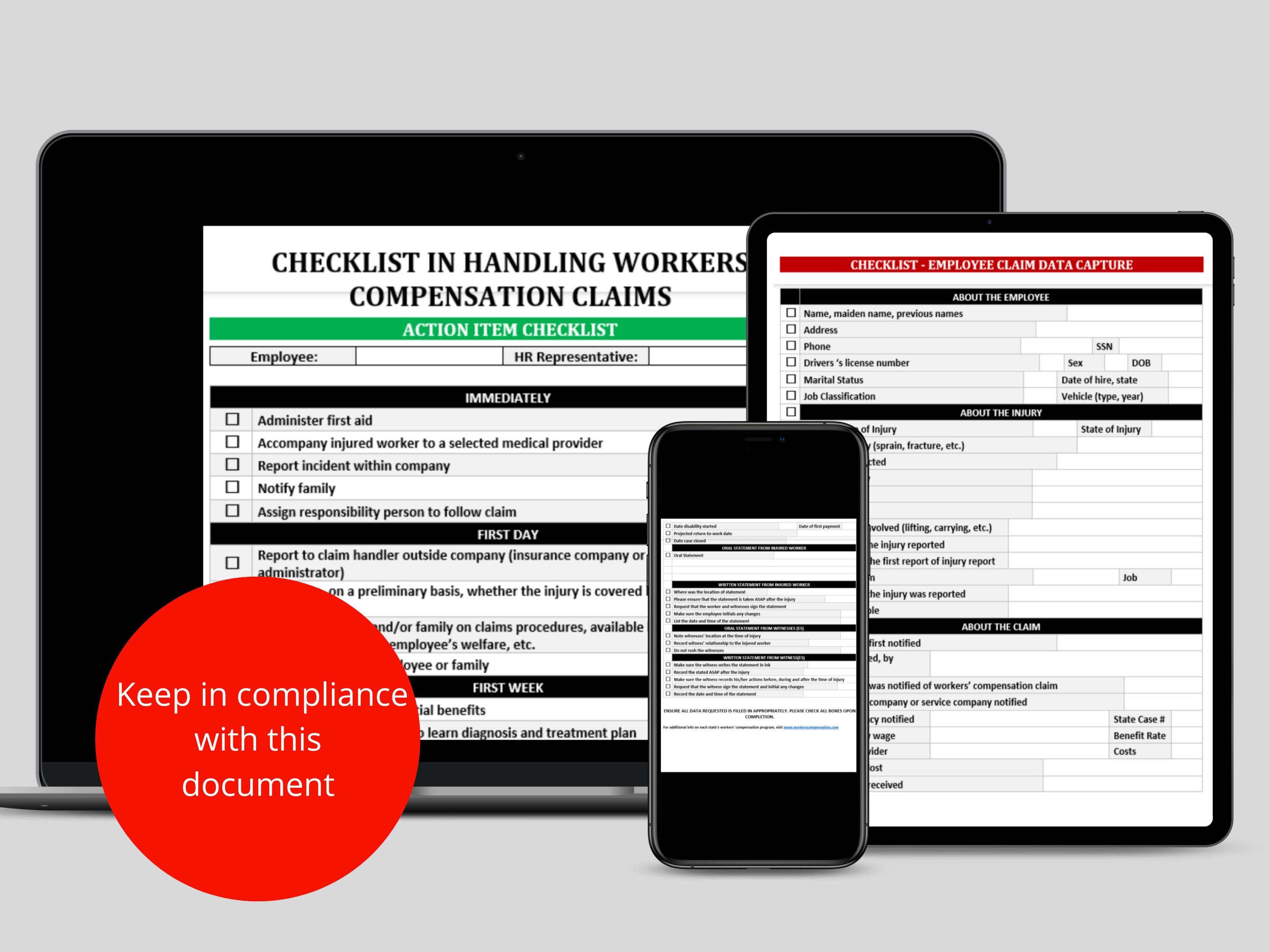
Navigating an AdventHealth Tampa workers compensation claim requires understanding occupational health procedures, reporting timelines, designated provider networks, and the legal obligations of both employers and injured employees under Florida law. When an injury occurs within a healthcare facility or is managed through AdventHealth's occupational medicine framework, injured workers must follow specific protocols to ensure coverage of medical treatments and wage-replacement benefits.
Understanding Workers' Compensation at AdventHealth Tampa
Workers' compensation is a state-regulated insurance system designed to provide medical treatment, rehabilitation, and financial compensation to employees who suffer job-related injuries or occupational illnesses. At AdventHealth Tampa—a major tertiary hospital and healthcare provider located in Tampa, Florida—the management of these claims involves a blend of internal employee health procedures, third-party claim administrators (TPAs), and adherence to the Florida Division of Workers' Compensation statutes.
For healthcare workers, workplace injuries can range from acute trauma, such as patient-handling strains and slip-and-fall incidents, to biological exposures like needlestick injuries or infectious pathogen contacts. Because AdventHealth Tampa operates as a massive medical center, its human resources and risk management departments maintain structured pathways for reporting and treating injured staff members. However, navigating these pathways requires strict adherence to notification deadlines and authorized medical provider networks to prevent claim disputes or denials.
Immediate Steps Following a Workplace Injury at AdventHealth Tampa
Time is a critical factor when handling a workers' compensation claim in Florida. Failing to act immediately can jeopardize an employee's right to medical benefits and lost wage compensation.
1. Immediate Medical Attention and Emergency Care
If the workplace injury is life-threatening or constitutes a medical emergency, the employee must seek immediate medical evaluation at the nearest emergency department, which may be the AdventHealth Tampa Emergency Room or another authorized facility. Once stabilized, the incident must still be formally reported as a work-related injury.
2. Reporting the Injury to Supervision
Under Florida law (Florida Statutes Chapter 440), an employee must report a workplace injury to their employer within 30 days of the accident or within 30 days of the initial diagnosis of an occupational disease. However, internal AdventHealth policies typically require reporting the incident immediately or within 24 hours. Prompt reporting allows the employer to secure the scene, investigate the root cause, and initiate the formal claims process without administrative delays.
3. Completing the Incident Report
The injured worker, often in coordination with their supervisor or charge nurse, must complete an internal incident report. This documentation captures:
- The exact date, time, and location within AdventHealth Tampa where the incident occurred.
- A detailed description of how the injury happened.
- The specific body parts affected.
- Names of any witnesses present during the event.
The Medical Provider Network and Authorized Treatment
One of the most complex aspects of workers' compensation claims involves medical provider selection. In Florida, employers and their workers' compensation insurance carriers generally have the legal right to direct medical care through an authorized network of physicians and occupational health clinics.
Initial Treatment and Occupational Health Clinics
For non-emergency injuries sustained at AdventHealth Tampa, employees are typically directed to an approved occupational health provider or the hospital's designated employee health services. Seeking treatment outside of the authorized network without prior approval from the insurance carrier can result in the employee becoming personally responsible for medical bills.
Specialist Referrals and Independent Medical Examinations (IMEs)
If an injured worker requires specialized care—such as orthopedics, physical therapy, or neurology—the authorized treating physician (ATP) must make the referral within the network. Insurance carriers also retain the right to request an Independent Medical Examination (IME) to evaluate the extent of the injury, determine maximum medical improvement (MMI), or assess permanent impairment ratings.
Types of Benefits Available Under Florida Workers' Compensation
Injured workers whose claims are accepted may be entitled to several distinct types of financial and medical relief under Florida law:
| Benefit Type | Description | Duration / Limits |
|---|---|---|
| Medical Benefits | Covers 100% of authorized medical care, including doctor visits, surgeries, hospital stays, diagnostic tests, physical therapy, and prescription medications. | Provided as long as reasonably necessary to treat the work injury. |
| Temporary Total Disability (TTD) | Wage-replacement benefits paid when a doctor places the worker on complete work restrictions and they cannot earn wages. | Up to 104 weeks, subject to state statutory maximum limits. |
| Temporary Partial Disability (TPD) | Benefits paid if the employee returns to work under light-duty restrictions earning less than their pre-injury wage. | Up to 104 weeks or until Maximum Medical Improvement (MMI). |
| Impairment Income Benefits (IIB) | Compensation paid if the employee reaches MMI and retains a permanent physical impairment rating. | Determined by the percentage of permanent impairment and statutory formulas. |
Common Challenges and Dispute Resolution
While many AdventHealth Tampa workers compensation claims are processed smoothly, disputes frequently arise between injured workers and insurance adjusters. Recognizing these hurdles helps claimants protect their rights.
Claim Denials and Notice of Denial
An insurance carrier may deny a claim for several reasons, including late reporting (exceeding the 30-day statutory window), evidence suggesting the injury did not arise out of and in the course of employment, or a failure to establish medical causation. If a claim is denied, the carrier must issue a Notice of Denial.
Petition for Benefits
When a claim is disputed or benefits are improperly withheld, the injured worker or their legal representative can file a Petition for Benefits with the Florida Office of Judges of Compensation Claims (OJCC). This initiates a legal process involving mediation and, if necessary, a formal hearing before a judge.
Frequently Asked Questions
Can I see my own personal doctor for an AdventHealth Tampa workers compensation claim?
Generally, no. Florida law permits the insurance carrier to direct medical care. To have your medical bills covered, you must receive treatment from physicians authorized by AdventHealth’s workers' compensation insurance carrier or designated occupational health network.
What happens if my injury requires me to miss work?
If your authorized treating physician places you on a temporary work restriction and AdventHealth cannot accommodate light-duty work, you may be eligible for temporary disability wage-replacement benefits after a statutory waiting period (usually a 7-day waiting period, though benefits become retroactive if disability extends beyond 21 days).
How long does AdventHealth's insurance carrier have to accept or deny my claim?
Under Florida law, the insurance carrier must either authorize treatment and begin paying benefits or file a notice of denial within 14 days of receiving notice of the injury and the employee's request for benefits.
What should I do if my authorized doctor refuses to listen to my ongoing pain complaints?
If you disagree with the medical treatment or feel the authorized treating physician is not adequately addressing your symptoms, you have a one-time right under Florida law to request a change of physician within the carrier's network. This request must be made in writing to the insurance carrier.
Is there a deadline to file a formal claim if the insurance carrier ignores my injury?
Yes. In Florida, a petition for benefits must generally be filed with the Office of Judges of Compensation Claims within two years of the date of the accident. Missing this statute of limitations can permanently bar you from receiving benefits.
Practical Recommendations and Next Actions
If you are currently navigating a workers' compensation claim originating from AdventHealth Tampa, prioritize the following actions to safeguard your health and legal rights:
- Document Everything: Keep a personal journal of all medical appointments, mileage traveled to doctors, communications with adjusters, and copies of every accident report or medical note.
- Adhere Strictly to Restrictions: Follow all work restrictions prescribed by your authorized doctor. Do not perform tasks outside your designated limits, both at work and at home.
- Consult Legal Counsel if Complicated: If your claim is denied, your medical treatment is delayed, or you face pressure to return to work prematurely, consider consulting an experienced Florida workers' compensation attorney to advocate on your behalf.