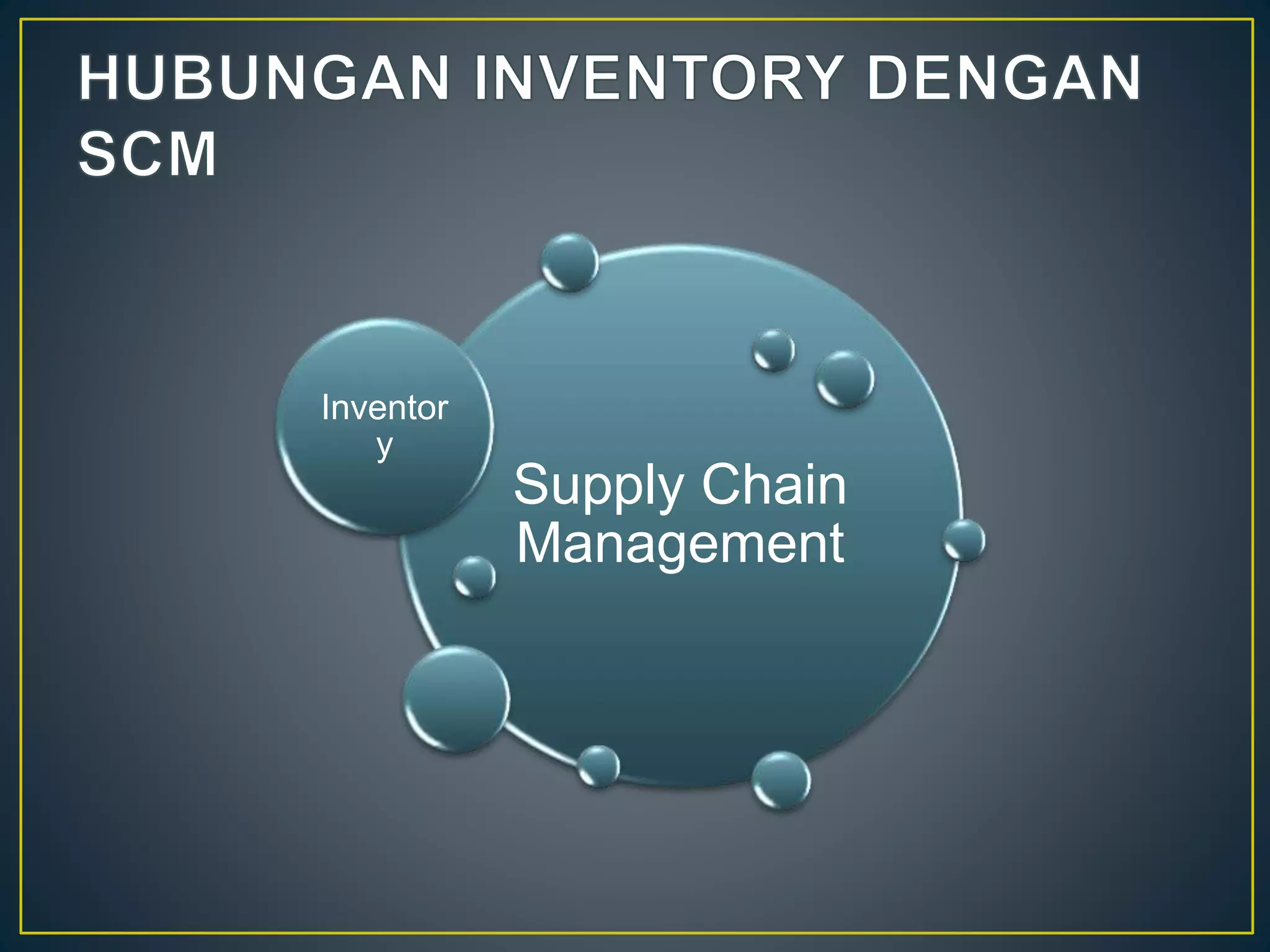
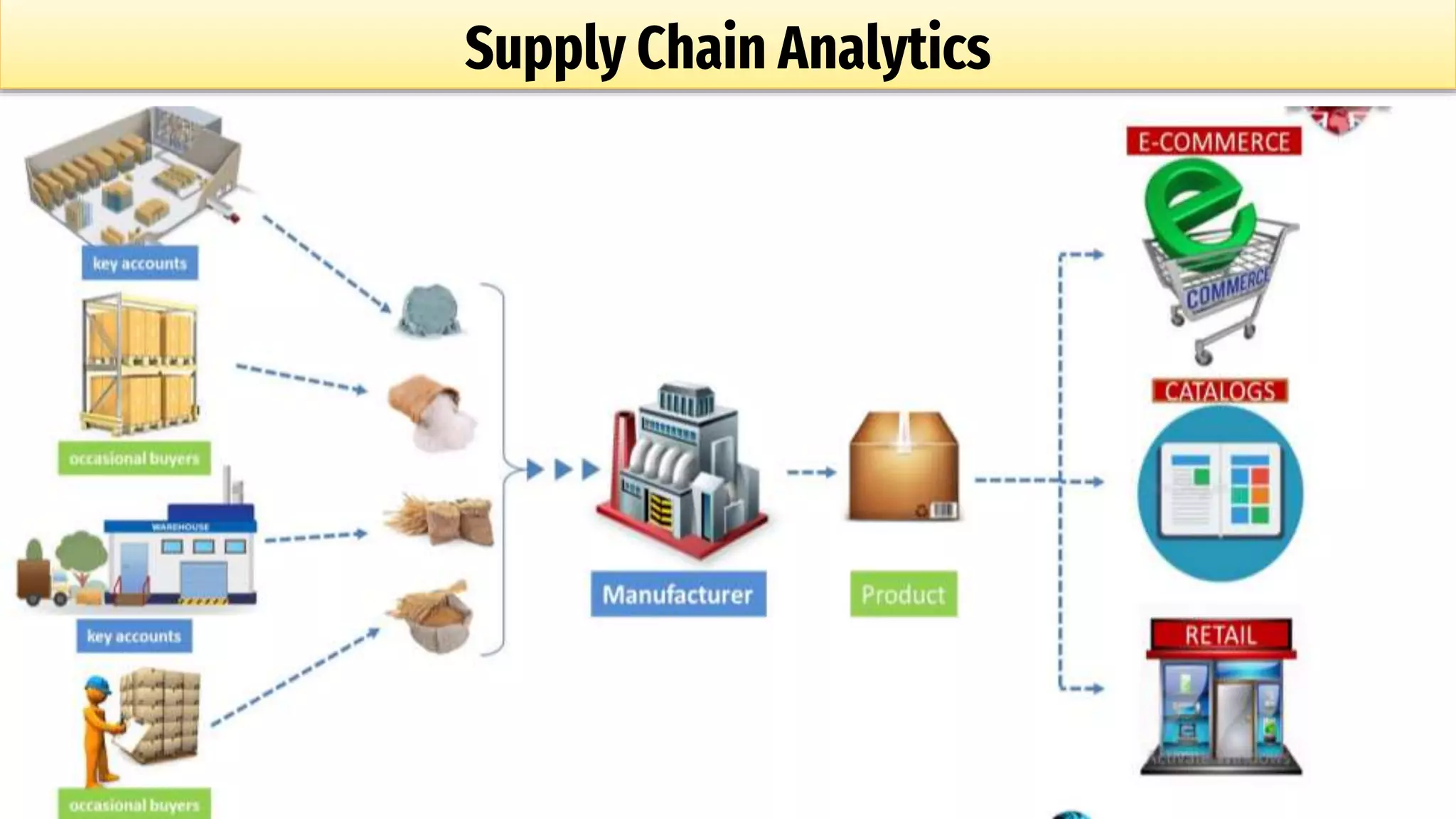
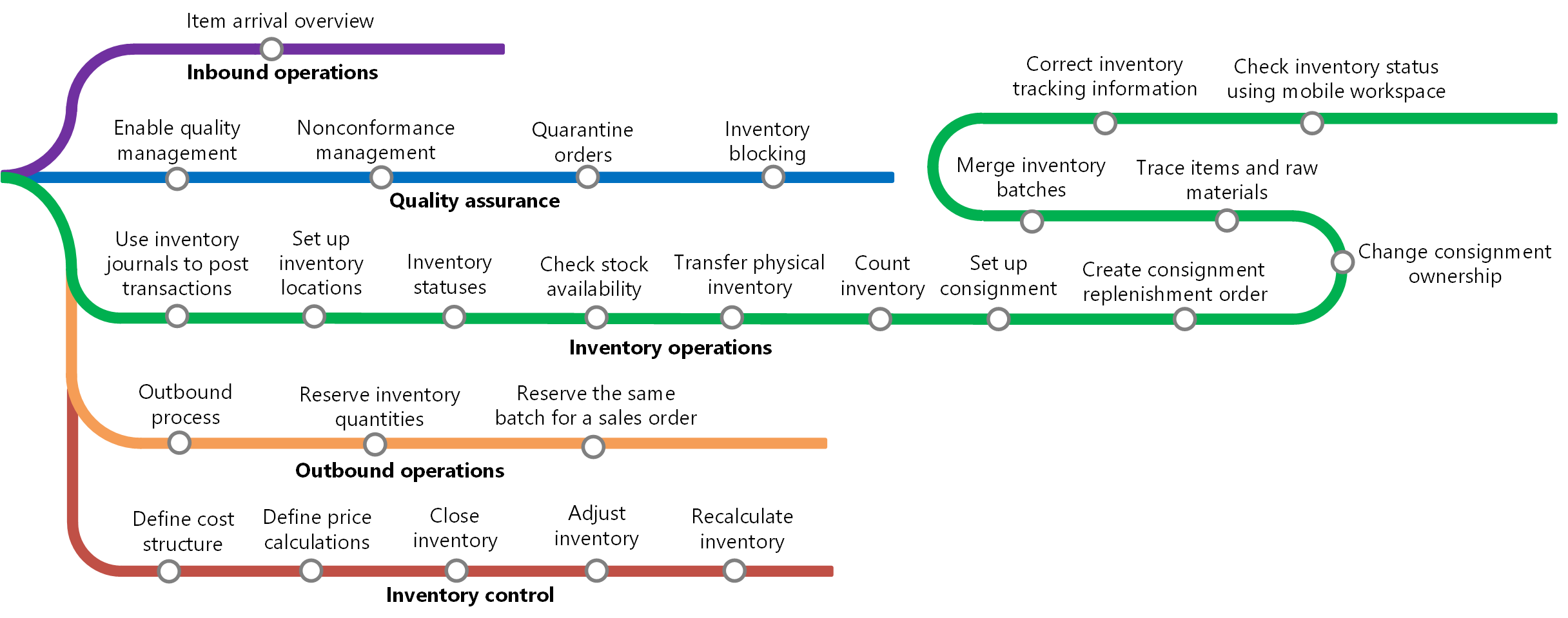
Advanced inventory management in modern supply chains involves deploying predictive analytics, real-time Internet of Things (IoT) tracking, and automated warehouse systems to optimize stock levels, minimize holding costs, and mitigate disruptions across global networks.
The Evolution of Supply Chain Inventory Control
Traditional inventory control historically relied on static formulas like Economic Order Quantity (EOQ) and periodic manual cycle counts. These legacy methods operated under assumptions of stable demand lead times and predictable supplier behavior. However, globalization, fluctuating consumer expectations, and recurring macroeconomic shocks have exposed the fragility of lean, just-in-time models that lack adequate safety buffers or real-time visibility.
Modern supply chains operate in an ecosystem characterized by high volatility. Organizations can no longer rely on lagging indicators and historical spreadsheets to predict what products consumers will demand next week or next quarter. The transition from reactive stockkeeping to proactive orchestration requires integrating advanced data architecture, cloud-based Warehouse Management Systems (WMS), and enterprise resource planning (ERP) platforms. This digital transformation enables businesses to shift from viewing inventory as a static asset sitting in a warehouse to treating it as a dynamic, fluid resource that must be continuously optimized for velocity and cost-efficiency.
Furthermore, supply chain leaders must balance conflicting financial objectives. Holding excess inventory ties up critical working capital, increases warehousing overhead, and creates risks of obsolescence or spoilage—particularly in industries like electronics, fashion, and perishable food distribution. Conversely, carrying insufficient inventory leads to costly stockouts, lost sales revenue, and severe customer churn. Advanced inventory management bridges this gap by applying computational intelligence to find the precise equilibrium point between stock availability and capital efficiency.
Core Technologies Driving Advanced Inventory Management
Implementing advanced inventory management requires a robust technology stack capable of capturing, processing, and acting on millions of data points daily. Organizations deploy several foundational technologies to achieve this level of operational maturity:
- Cloud-Based Warehouse Management Systems (WMS): Modern WMS platforms provide real-time visibility into inventory locations, worker productivity, and order fulfillment status. Cloud architecture allows seamless integration with third-party logistics (3PL) providers and upstream suppliers.
- Internet of Things (IoT) and RFID Tracking: Passive and active Radio Frequency Identification (RFID) tags, along with IoT-enabled environmental sensors, track inventory movement at a granular level. This technology eliminates manual scanning errors and monitors temperature-sensitive goods in transit.
- Machine Learning and Predictive Analytics: Algorithms ingest historical sales data, macroeconomic indicators, weather forecasts, and social media sentiment to generate demand forecasts that adapt to sudden market shifts.
- Robotics and Automated Storage and Retrieval Systems (AS/RS): Automated guided vehicles (AGVs) and autonomous mobile robots (AMRs) streamline picking, packing, and replenishment, dramatically reducing labor costs and fulfillment cycle times.
Integrating Enterprise Systems
Deploying these technologies in isolation creates data silos that hinder strategic decision-making. Advanced supply chains rely on bidirectional integrations between the WMS, Transportation Management Systems (TMS), and Enterprise Resource Planning (ERP) software. When an ERP records a customer order, the WMS instantly updates stock availability and triggers picking routines, while the TMS schedules carrier pickup based on route optimization algorithms. This seamless data flow minimizes latency and ensures that every stakeholder across the enterprise operates from a single source of truth.
Demand Forecasting and Predictive Analytics
Accurate demand forecasting serves as the cornerstone of advanced inventory management. Traditional forecasting methods rely heavily on linear time-series analysis, which often fails when confronted with sudden market disruptions, promotional spikes, or shifting consumer behaviors. Modern forecasting leverages machine learning models capable of identifying complex, non-linear patterns across disparate data streams.
- DATA INPUTS FOR ADVANCED FORECASTING
- Historical Sales Data
- Macroeconomic Indicators
- Weather & Seasonality
- Social Media & Market Sentiment
- MACHINE LEARNING DEMAND ENGINE
- Optimized Safety Stock
- Automated Replenishment
By incorporating external variables—such as local weather forecasts, regional economic indices, competitor pricing changes, and digital marketing campaigns—predictive analytics engines generate probabilistic demand distributions rather than single-point estimates. This allows inventory planners to simulate multiple scenarios and establish dynamic safety stock levels that adjust automatically based on calculated supply and demand volatility.
Moreover, machine learning algorithms continuously evaluate their own prediction accuracy through feedback loops. When actual sales figures deviate from forecasted demand, the system recalibrates its weighting parameters, ensuring that forecasting models improve over time and adapt to structural shifts in consumer purchasing habits.
Multi-Echelon Inventory Optimization (MEIO)
In complex supply chains featuring multiple stocking locations—such as regional distribution centers, local fulfillment hubs, and retail stores—managing inventory at each node independently leads to localized optimization and systemic inefficiency. Multi-Echelon Inventory Optimization (MEIO) solves this challenge by analyzing the entire supply chain network simultaneously.
| Inventory Strategy | Operational Focus | Primary Benefit | Key Risk / Limitation |
|---|---|---|---|
| Traditional EOQ | Single-node ordering based on historical averages. | Simple to calculate and implement manually. | Vulnerable to demand spikes and supply lead-time volatility. |
| Just-In-Time (JIT) | Minimizing holding costs through synchronized delivery. | Frees up working capital; reduces warehousing overhead. | High susceptibility to supply chain disruptions and stockouts. |
| Multi-Echelon (MEIO) | Network-wide visibility and coordinated safety stock placement. | Optimizes capital allocation across all distribution tiers. | Requires sophisticated software integration and clean data inputs. |
MEIO algorithms calculate the optimal amount of inventory to hold at each tier of the distribution network. By understanding the dependencies between tier-one suppliers, central distribution centers, and last-mile hubs, organizations can position safety stock further upstream where it provides broader protection against demand uncertainty. This network-wide perspective significantly reduces total inventory investment while maintaining or improving overall service levels.
Inventory Valuation, Cost Control, and Risk Mitigation
Advanced inventory management extends beyond physical tracking and forecasting; it directly impacts an organization's financial health and risk profile. Effective inventory control requires rigorous cost accounting and proactive risk mitigation strategies to protect against supply chain shocks.
Managing Carrying and Obsolescence Costs
Carrying costs encompass warehousing space, insurance, taxes, material handling equipment, and the cost of capital tied up in stock. Generally estimated to range between 20% and 30% of the total inventory value annually, excessive carrying costs erode profit margins. Advanced systems combat this by identifying slow-moving or obsolete (SLOB) inventory early, enabling automated markdown pricing, bundling strategies, or supplier returns before items lose all commercial value.
Supply Chain Resilience and Risk Management
Geopolitical tensions, trade disputes, and natural disasters frequently disrupt material flows. Advanced inventory management incorporates risk-scoring models that evaluate supplier reliability, lead-time variance, and geopolitical exposure. To mitigate single-point-of-failure vulnerabilities, supply chain managers use inventory optimization tools to design dual-sourcing strategies and dynamically adjust buffer stocks for critical components, ensuring business continuity during unforeseen disruptions.
Common Implementation Challenges and Pitfalls
Transitioning from legacy inventory practices to advanced, automated management systems presents significant organizational and technical challenges. Recognizing these potential pitfalls helps supply chain leaders prevent costly project delays and failure:
- Data Quality Deficiencies: Advanced algorithms and machine learning models require clean, standardized, and continuous data inputs. Inaccurate SKU master data, unrecorded inventory adjustments, and legacy data silos will severely degrade forecasting accuracy.
- Change Management Resistance: Operational staff accustomed to manual counting and tribal knowledge may resist adopting automated WMS workflows, RFID scanners, or algorithmic replenishment recommendations. Comprehensive training and transparent communication are essential.
- Over-Reliance on Automation: While machine learning and automated replenishment reduce manual workloads, algorithms can fail during unprecedented "black swan" events if human oversight and exception management protocols are absent.
- Integration Complexity: Connecting modern cloud-based inventory platforms with legacy, on-premise ERP infrastructure often requires custom middleware and extensive testing to prevent data latency and synchronization errors.
Frequently Asked Questions
What is the difference between traditional inventory control and advanced inventory management?
Traditional inventory control focuses primarily on tracking stock levels within a single warehouse using historical averages and static formulas like EOQ. Advanced inventory management utilizes real-time IoT data, multi-echelon network optimization, cloud-based WMS platforms, and machine learning to dynamically predict demand and optimize inventory across the entire supply chain ecosystem.
How does Multi-Echelon Inventory Optimization (MEIO) reduce holding costs?
MEIO evaluates inventory requirements across all nodes of a supply chain network simultaneously rather than treating each warehouse or retail store in isolation. By understanding upstream and downstream dependencies, organizations can pool safety stock centrally and reduce total inventory levels across the network while maintaining high customer fill rates.
What role does artificial intelligence play in modern inventory forecasting?
Artificial intelligence and machine learning ingest vast datasets—including historical sales, macroeconomic indicators, weather forecasts, and consumer sentiment—to generate probabilistic demand models. These systems continuously learn from forecast errors, automatically adjusting their parameters to reflect shifting market conditions and seasonality.
What are the primary financial risks of holding excess inventory?
Holding excess inventory ties up critical working capital that could otherwise be deployed toward growth initiatives. It also increases warehousing overhead, insurance expenses, and the risk of inventory obsolescence, damage, or spoilage, which directly compresses profit margins.
How can small and medium-sized enterprises (SMEs) adopt advanced inventory practices?
SMEs can begin by implementing cloud-based inventory management software that integrates directly with their e-commerce platforms and accounting systems. Rather than investing in expensive custom robotics, SMEs can leverage third-party logistics (3PL) providers that already utilize advanced WMS, automation, and predictive analytics tools.
Next Actions for Supply Chain Leaders
To successfully modernize an enterprise inventory strategy, leadership teams should execute a structured phased roadmap:
- Audit Current Data Architecture: Assess the accuracy of SKU master data, historical transaction logs, and system integrations to ensure a solid foundation for advanced analytics.
- Conduct a Network-Wide Inventory Audit: Analyze stock distribution across all echelons to identify dead stock, slow-moving items, and regional imbalances in safety stock.
- Pilot Cloud-Based Visibility Tools: Implement a cloud-based WMS or inventory tracking pilot in a single distribution center before scaling the technology enterprise-wide.
- Establish Cross-Functional Governance: Form a collaborative task force comprising representatives from supply chain, finance, sales, and IT to align inventory optimization goals with broader business objectives.