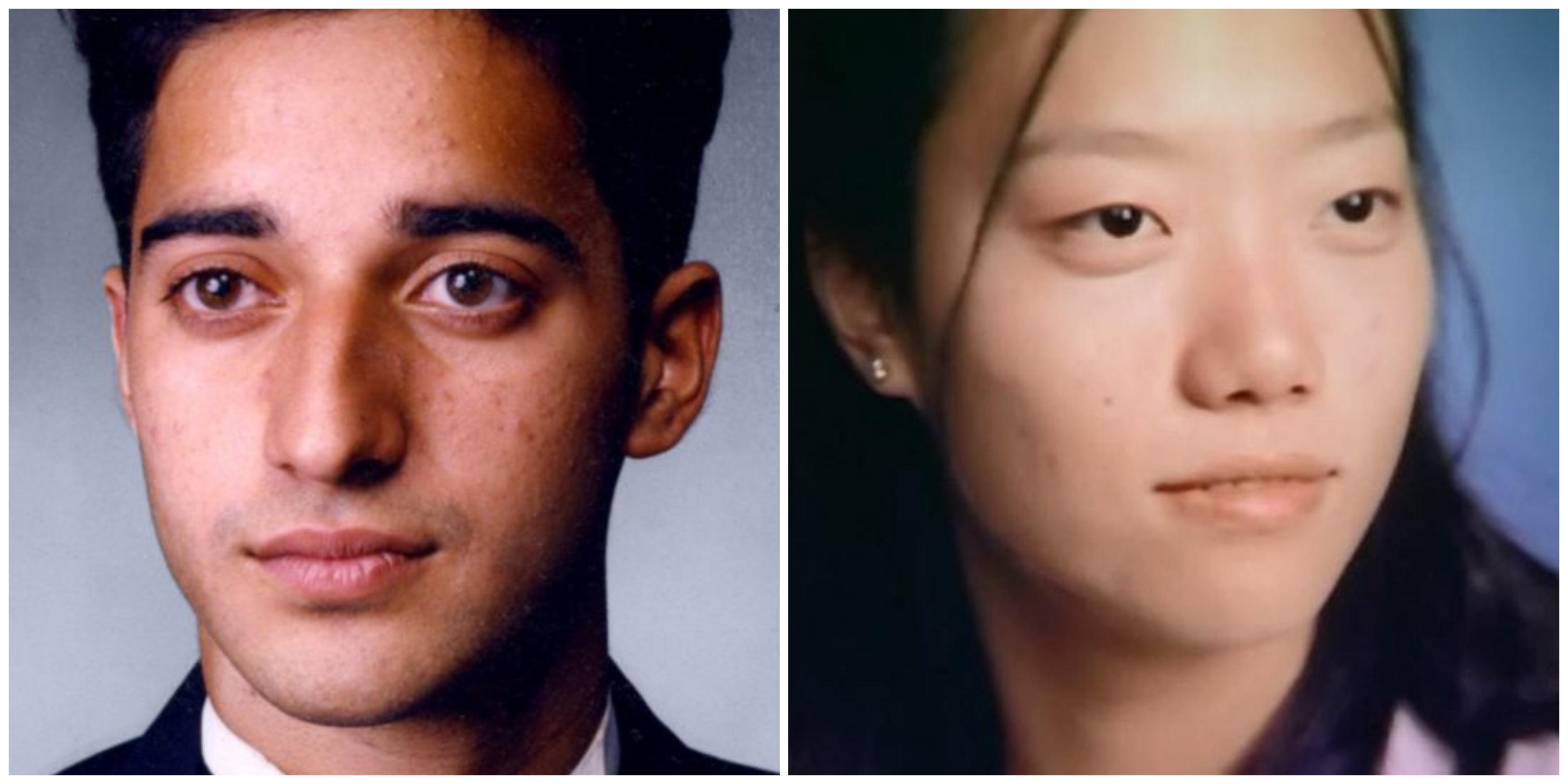
The 2022 DNA results in the Adnan Syed case revealed the presence of DNA from at least four unidentified individuals on Hae Min Lee’s shoes, while failing to find any DNA belonging to Syed. These findings led to the vacating of his conviction and the eventual dismissal of charges in October 2022.
The case of Adnan Syed, which gained international notoriety through the podcast Serial, has undergone one of the most complex legal trajectories in modern American history. While the case was initially built on witness testimony and cell tower data, the introduction of advanced forensic technology decades later provided a scientific turning point. By 2026, the DNA results remain the cornerstone of the defense's argument for innocence, even as procedural battles regarding the rights of the victim’s family continue to fluctuate in the Maryland court system.
The Context of the 2022 DNA Testing
For over twenty years, many of the physical items recovered from the 1999 crime scene remained untested for DNA. The original trial focused heavily on the testimony of Jay Wilds and the location of Syed’s phone near Leakin Park. It was not until 2022 that the Baltimore City State’s Attorney’s Office, under a joint motion with Syed’s defense team, utilized the Maryland Post-Conviction DNA Testing Act to examine evidence using technology that simply did not exist at the time of the original investigation.
The testing focused on "touch DNA," which refers to the microscopic skin cells left behind when someone handles an object. Unlike traditional blood or semen samples, touch DNA requires highly sensitive extraction and amplification techniques. The items submitted for testing included:
- Hae Min Lee’s clothing (skirt, shirt, jacket, bra, and stockings).
- Items found in Lee’s vehicle (including a map book and various papers).
- Lee’s shoes, which were recovered from the scene in Leakin Park.
The decision to test these specific items was strategic. If a third party had struggled with the victim or moved her body, their skin cells would likely be present on the outer surfaces of her clothing or footwear.
Breakdown of the DNA Findings
The results returned by the independent laboratory in late 2022 provided a stark contrast to the state's original theory of the crime. The most significant findings were concentrated on Hae Min Lee’s shoes.
The Identification of Unknown Profiles
Forensic analysts identified a mixture of DNA from at least four different individuals on both of the victim's shoes. This "multisource" DNA profile was significant because the DNA was found in areas where a person would likely grip the shoes if they were dragging or moving a body.
Crucially, the DNA of Adnan Syed was not found on the shoes or any of the other tested items. While the absence of DNA is not always definitive proof of innocence (as someone could wear gloves or DNA may degrade), the presence of multiple other profiles on items closely associated with the disposal of the body created reasonable doubt regarding Syed's involvement.
Comparison with the CODIS Database
After the unknown profiles were identified, the state ran these profiles through the Combined DNA Index System (CODIS), the national database maintained by the FBI. As of the initial reporting in late 2022 and subsequent updates through 2026, no matches have been publicly identified that link the DNA to known offenders in the system. However, the lack of a match does not diminish the legal impact; the mere existence of these unknown profiles supported the theory that individuals other than Syed were present during or after the commission of the crime.
The Legal Consequences of the DNA Evidence
The DNA results did not exist in a vacuum. They were the "final straw" in a series of revelations that undermined the integrity of the original conviction. When the DNA results were combined with a "Brady violation"—the discovery that prosecutors in 1999 had failed to disclose information about two other potential suspects—the Baltimore State’s Attorney’s Office determined they could no longer stand by the conviction.
The Vacatur Hearing
In September 2022, Judge Melissa Phinn of the Baltimore City Circuit Court vacated Syed’s conviction. The judge cited both the DNA evidence and the undisclosed information regarding other suspects. This ruling allowed Syed to be released from prison after serving 23 years.
Following the vacatur, the prosecution had 30 days to decide whether to seek a new trial or drop the charges entirely. On October 11, 2022, after receiving the finalized DNA report confirming that Syed’s DNA was absent from the key evidence, prosecutors dropped all charges. At that moment, Adnan Syed was technically a free man with a clean record.
The 2023–2024 Procedural Reversal
The legal finality of the DNA results was complicated by a procedural appeal from the family of Hae Min Lee. Young Lee, the victim’s brother, argued that the state had failed to give him adequate notice to attend the vacatur hearing in person, violating his rights under Maryland’s victims' rights laws.
In March 2023, the Appellate Court of Maryland agreed with the Lee family and reinstated Syed’s conviction—not because of new evidence of guilt, but to allow for a "do-over" of the vacatur hearing with proper notice. In August 2024, the Supreme Court of Maryland upheld this decision in a 4-3 ruling. This left Syed in a unique legal limbo: his conviction was technically reinstated, but he remained free while waiting for a new hearing where the DNA evidence would once again be presented to a judge.
Advanced Forensic Science: Understanding the Technology
To understand why these DNA results were so transformative, it is necessary to look at the specific forensic techniques used. The 2022 testing utilized Y-STR (Y-chromosome Short Tandem Repeat) analysis and sensitive touch DNA recovery methods.
Touch DNA vs. Biological Fluids
Traditional DNA testing in the late 1990s required relatively large samples of biological fluids like blood or saliva. In the Lee case, there were no such samples linking Syed to the body. Touch DNA, however, looks for epithelial cells. Because humans shed thousands of skin cells every hour, any physical contact—especially forceful contact—can leave behind a genetic footprint. The sensitivity of modern kits allows labs to amplify these tiny amounts of DNA into a profile that can be compared against suspects.
Y-STR Testing
Y-STR testing is a specialized type of DNA analysis that focuses exclusively on the Y-chromosome, which is passed from father to son. This is particularly useful in cases involving female victims, as it allows analysts to "filter out" the victim’s DNA and focus on the male DNA present in a sample. On Hae Min Lee's shoes, the Y-STR testing was vital in identifying the multiple male contributors without the victim's own genetic material masking the results.
| Feature | Traditional DNA (1999) | Touch DNA/Y-STR (2022) |
|---|---|---|
| Sample Type | Blood, Semen, Saliva | Skin cells (epithelial) |
| Sensitivity | Requires visible stain | Requires only a few cells |
| Gender Specificity | General | Can isolate male-only DNA (Y-STR) |
| Database Usage | Limited CODIS entries | High-resolution CODIS matching |
| Reliability | High for large samples | High, but prone to contamination |
The "Other Suspects" and the DNA Link
A critical component of the DNA discussion is how it interacts with the "Brady suspects" identified by the State’s Attorney’s Office. During the 2022 investigation, it was discovered that one of the alternative suspects had threatened to kill Lee and had a clear motive. Another suspect was linked to a location where Lee’s car was eventually found.
The DNA profiles found on the shoes are currently the best hope for identifying these suspects. If the DNA from the shoes is eventually matched to one of these individuals, it would provide the "smoking gun" that has been missing for over two decades. As of 2026, forensic genealogy—a technique that uses public DNA databases to find relatives of unknown suspects—remains a potential avenue for investigators to put names to the profiles found on the evidence.
Common Misconceptions Regarding the DNA
The public discourse surrounding the Adnan Syed DNA results is often filled with misunderstandings. It is important to clarify what the DNA does and does not prove.
- Does the lack of DNA prove Adnan Syed is innocent? In a strictly scientific sense, no. It is possible for someone to commit a crime without leaving detectable DNA, or for DNA to degrade over 20 years. However, in a legal sense, it provides significant "exculpatory evidence" that supports his claim of innocence, especially when other people's DNA is found in its place.
- Was the DNA "planted"? There is no evidence to suggest the DNA was planted. The items were held in police custody for decades. The discovery of multiple unknown profiles actually suggests a more complex crime scene than originally theorized.
- Why wasn't this tested in 1999? The technology to extract DNA from a shoe surface or a shirt collar with the precision used in 2022 simply did not exist. At the time, the focus was on looking for large biological stains, of which there were none on the tested items.
FAQs About the Adnan Syed DNA Results
What exactly was found on Hae Min Lee's shoes?
Analysts found a mixture of DNA from at least four different individuals on both the left and right shoes. These profiles were male, and none of them matched Adnan Syed. The DNA was "touch DNA," meaning it came from skin cells left on the items through physical contact.
Why did the DNA results lead to Syed's release?
The DNA results were the primary scientific evidence used to support a motion to vacate his conviction. Because the prosecution's original case relied on Syed being the sole person to handle the body and the car, the presence of four other DNA profiles (and the absence of his) created a level of doubt that the state could no longer ignore.
Has anyone else been arrested based on the DNA?
No. As of 2026, no arrests have been made based on the DNA profiles found on the shoes. The profiles have been run through CODIS, but no direct matches to known offenders have been reported. Investigators continue to look into the "alternative suspects" mentioned in the 2022 vacatur motion.
Why was Adnan Syed's conviction reinstated if the DNA cleared him?
The reinstatement of the conviction by the Maryland Supreme Court in 2024 was based on a procedural error regarding the rights of the victim's family. The court ruled that the Lee family was not given sufficient notice to attend the hearing where the conviction was vacated. This ruling did not address the DNA evidence itself, but rather the legal process used to introduce it.
Is the DNA evidence still valid for future hearings?
Yes. The DNA results are a matter of record and will be the central piece of evidence in any future vacatur hearings. The prosecution and defense both acknowledge the validity of the lab results; the current legal battle is focused on ensuring the victim’s family is legally integrated into the process.
Current Status and Next Actions
As we move through 2026, the legal status of Adnan Syed remains in a state of "pending" litigation. Although his conviction was technically reinstated by the higher courts, he has not been returned to prison. The case is expected to return to the Baltimore City Circuit Court for a new vacatur hearing that complies with the notification requirements for the Lee family.
For those following the case, the next major milestone will be the outcome of this new hearing. The DNA evidence—specifically the unknown profiles on Hae Min Lee’s shoes—will be the most difficult hurdle for any attempt to re-prosecute Syed. For the public and the legal community, the case serves as a landmark study in the power of touch DNA to dismantle decades-old convictions and the procedural complexities of the American justice system.
The most practical next action for those interested in the forensic aspects of the case is to monitor the Baltimore State’s Attorney’s Office for any updates regarding the identification of the "unknown contributors" through forensic genealogy, which remains the most likely path to a definitive resolution.