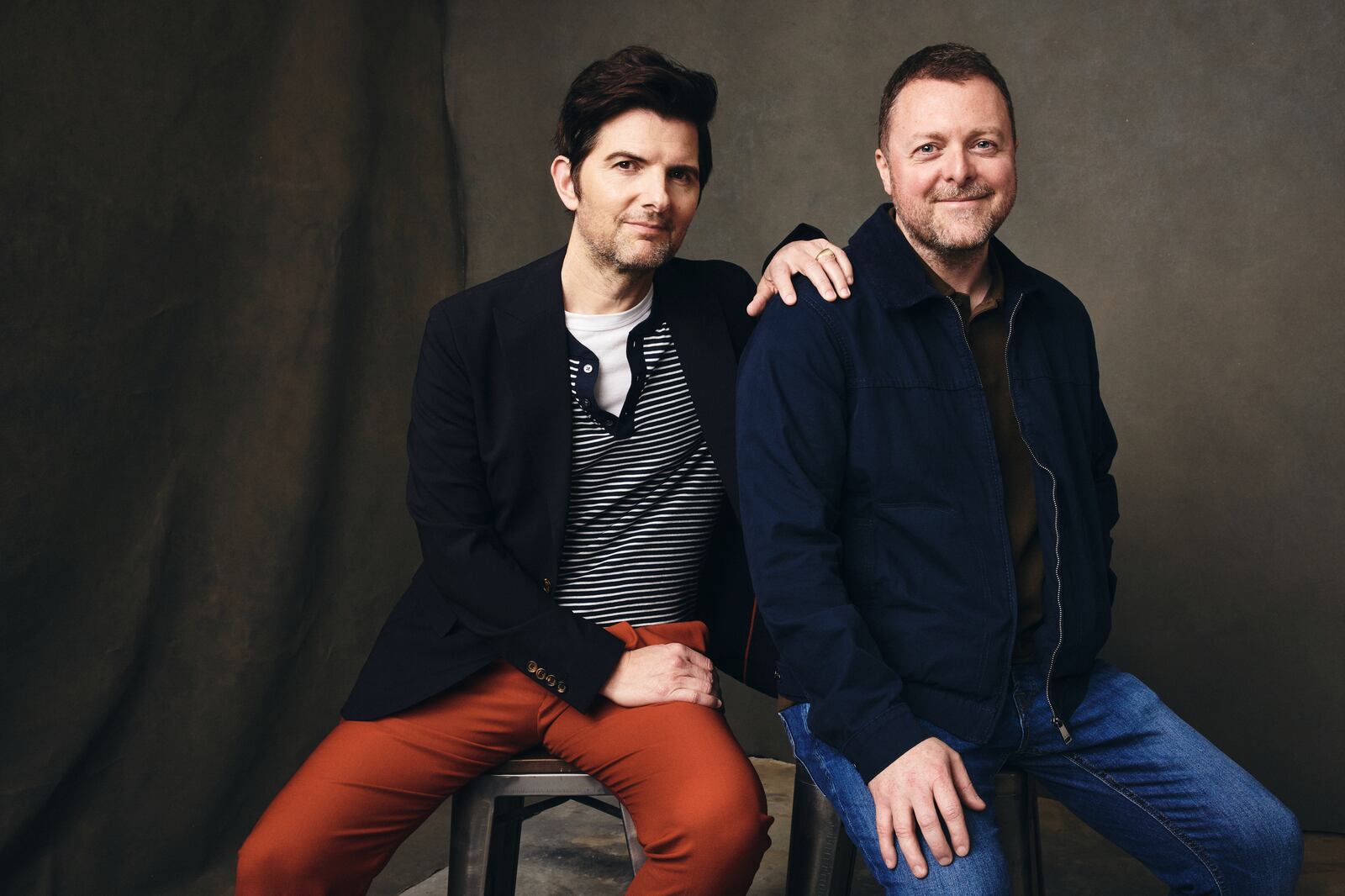
Adam Scott has established himself as a versatile performer, seamlessly transitioning between deadpan comedy, high-stakes drama, and psychological thrillers. Known for his ability to embody both cynical outsiders and relatable everymen, his body of work spans over three decades, featuring standout performances in cult classics, major studio comedies, and critically acclaimed television series.
Adam Scott’s film career is defined by his range, moving from his early roles in independent films like The Vicious Kind to mainstream successes such as Step Brothers and The Secret Life of Walter Mitty. While he is frequently recognized for his television work—most notably as Ben Wyatt in Parks and Recreation and Mark Scout in Severance—his movie portfolio remains a critical component of his professional identity. Navigating his filmography requires looking at both his comedic timing in ensemble hits and his more nuanced, often darker turns in independent features.
Evolution of a Career: From Character Actor to Leading Man
The trajectory of Adam Scott’s movie career follows the classic arc of a dedicated character actor who gradually ascended to leading roles through persistent, high-quality performances. Early in his career, Scott appeared in various television guest spots and smaller film roles throughout the 1990s and early 2000s. His breakthrough in the film world began to solidify in the mid-2000s, where he often portrayed the "straight man" in comedies or the antagonist in dramas.
His pivot toward more prominent roles was bolstered by a recurring ability to project intelligence and dry wit. Unlike actors who rely on physical slapstick, Scott’s comedic approach in films is largely linguistic and reaction-based. This specific skill set made him an ideal foil for larger-than-life comedic personalities. By the time he appeared in Adam McKay’s Step Brothers (2008) as Derek Huff, he had refined a persona that audiences found both insufferable and hilarious, cementing his reputation as a master of the arrogant, hyper-competent professional.
Defining Comedic Contributions
While Scott has explored dramatic depths in recent years, a significant portion of his filmography is built upon the foundation of American comedy. His roles in this genre are often characterized by a high degree of precision; he plays characters who are deeply invested in their own status or logic, which often leads to comedic tension when reality clashes with their worldviews.
Key Comedic Collaborations
- Step Brothers (2008): As Derek, the successful and condescending brother of Brennan Huff (Will Ferrell), Scott utilized his sharp delivery to anchor the film’s chaotic energy. This role remains a touchstone for his career, showcasing his talent for playing the antagonist who believes he is the protagonist.
- The Secret Life of Walter Mitty (2013): Playing the corporate antagonist Ted Hendricks, Scott displayed his comfort in big-budget productions. His performance here required a blend of corporate banality and escalating villainy, which served to drive the film’s narrative stakes.
- Our Idiot Brother (2011): In this ensemble comedy, Scott portrayed Jeremy, showcasing his ability to blend into a crowded cast while maintaining a distinct, character-driven narrative arc.
Independent Film and Dramatic Range
Beyond the mainstream comedy circuit, Scott has cultivated a career in independent cinema that demonstrates his range as a dramatic actor. These roles often require more subtlety and emotional vulnerability than his studio work, highlighting a technical depth that critics frequently acknowledge.
One of the most significant moments in this area of his work was his lead role in the 2009 film The Vicious Kind. In this drama, Scott played Caleb Sinclaire, a character struggling with jealousy and a cynical worldview. It was a departure from his "jerk" archetypes, allowing him to portray trauma and emotional instability. This performance was instrumental in shifting the industry's perception of his capabilities, moving him away from strictly comedic pigeonholing.
Similarly, his involvement in horror and thriller-adjacent projects—such as Krampus (2015)—demonstrated his ability to maintain narrative grounding within high-concept or genre-bending scripts. His work in Krampus underscored his capacity to lead a film centered on family dynamics, balancing the horror elements with the required emotional beats of a dysfunctional family story.
Comparing Commercial and Independent Roles
Understanding the divide between Scott’s commercial hits and his independent work is essential for anyone analyzing his filmography. The table below summarizes how his approach changes across different tiers of film production.
| Film Type | Archetype | Performance Style | Notable Examples |
|---|---|---|---|
| Studio Comedy | The Antagonist / The Foil | High energy, sharp, deadpan | Step Brothers, The Guilt Trip |
| Independent Drama | The Protagonist | Internalized, raw, subtle | The Vicious Kind, Passenger Side |
| Genre / Horror | The Everyman | Reactive, grounded, urgent | Krampus, Sleeping with Other People |
This distinction is crucial because the "Adam Scott" seen in a Will Ferrell comedy is performing a different function than the "Adam Scott" in an indie character study. In the former, he is a precision instrument designed to heighten the comedy; in the latter, he is a lens through which the audience experiences the film’s emotional core.
Technical Considerations for Viewers
For fans looking to explore his filmography, there are several practical considerations regarding how to access and appreciate these works.
- Availability: Because Scott has a history that spans independent distribution and major studio releases, his films are scattered across various streaming platforms. Many of his earlier, smaller-budget films require digital rental or purchase via platforms like Apple TV or Amazon, while his major studio comedies are often licensed to large subscription-based services.
- The "Television Factor": It is difficult to isolate his movie career entirely from his television success. His film roles often coincide with his peak television years. For instance, his work in Parks and Recreation (2010–2015) influenced the types of film roles he took during that period. Viewers interested in his trajectory should consider watching his film projects in the context of the television cycles he was simultaneously filming.
- Genre Variety: To fully appreciate his range, it is recommended to sample at least one project from each "type" listed in the comparison table. Starting with Step Brothers provides the comedic baseline, while The Vicious Kind serves as the necessary counterpoint to understand his dramatic depth.
Frequently Asked Questions
Which movie is considered Adam Scott’s breakout film role? While Scott had been working for over a decade, his role as Derek Huff in Step Brothers (2008) is widely considered his mainstream breakout. It established his ability to play the "hated authority figure" with perfect comedic timing and brought him significant visibility among a wider audience.
Does Adam Scott primarily act in comedies? While he is heavily associated with comedy, he has a robust background in independent drama and thrillers. His career is characterized by a balance between these genres, often opting for more dramatic, character-driven scripts during breaks from his major television projects.
Are there any upcoming or recent film projects for Adam Scott in 2026? As of 2026, Scott remains highly active. While his current professional focus is largely tied to his role in Severance and other high-profile series, he maintains a selective approach to film, focusing on projects that offer character depth or unique directorial visions rather than strictly adhering to a high volume of releases.
How does Adam Scott’s acting style change between his movie and TV roles? Scott’s acting style is consistently marked by intelligence and a "straight-man" sensibility. However, in film, he often has more room to develop a character arc from start to finish within a two-hour window, whereas his television roles, like Ben Wyatt, allow for the slow, cumulative development of a character over many years.
What is the best way to watch Adam Scott’s early independent films? Many of his earlier films, such as The Vicious Kind or Passenger Side, may not be available on major subscription streaming services. They are most reliably found through digital marketplaces or specialized indie film streaming services that cater to historical film catalogs.
Next Actions for the Interested Viewer
To gain a comprehensive understanding of Adam Scott’s film career, it is recommended to curate a watch list that alternates between his high-energy studio performances and his quieter, independent work. Start by revisiting Step Brothers to identify his comedic timing, then contrast it with his performance in The Vicious Kind. This juxtaposition will provide the clearest picture of his technical range. If you are specifically interested in his transition into more modern, high-concept psychological storytelling, look for his recent film work which often parallels the themes present in his acclaimed television series, Severance.