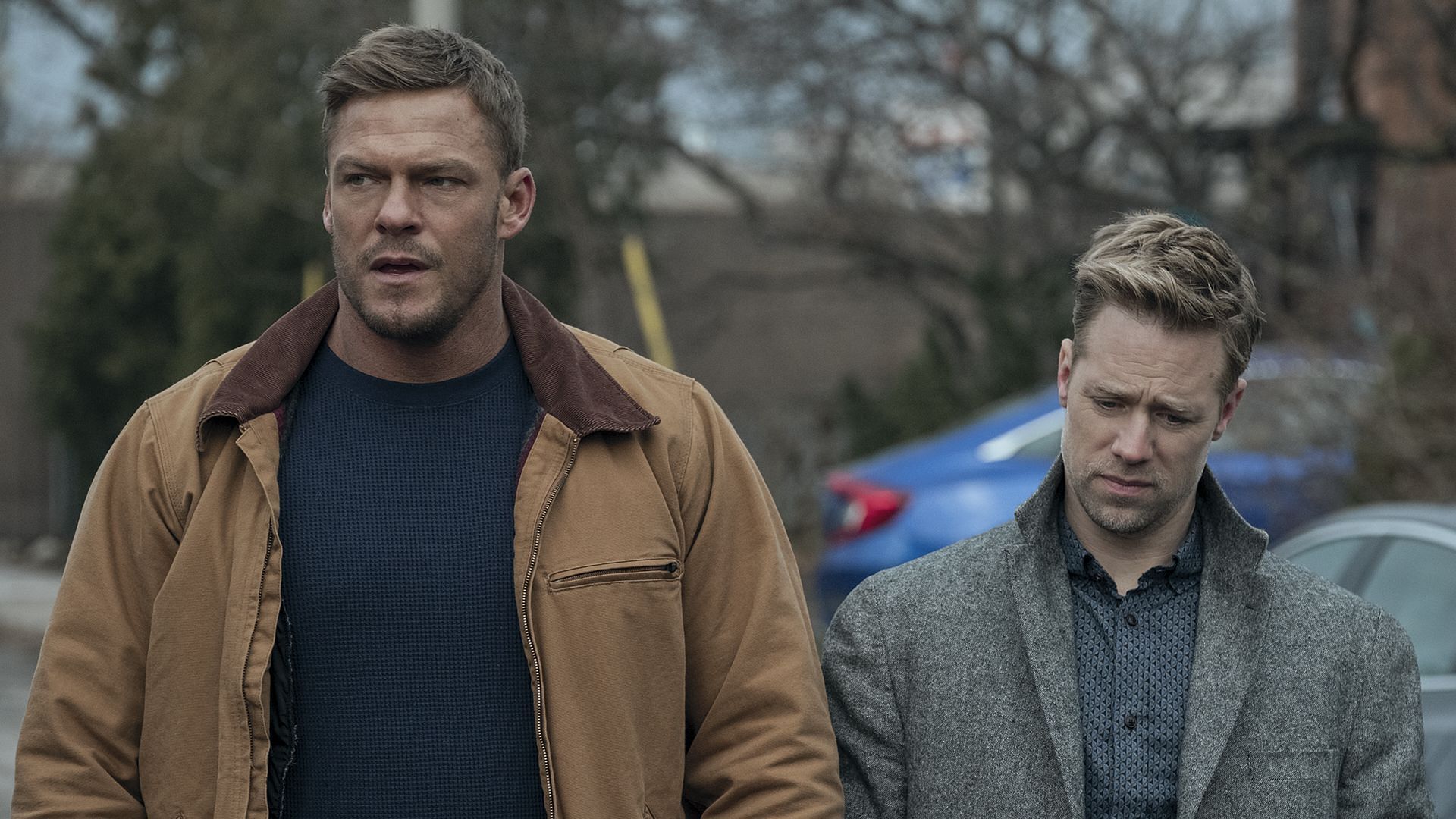
Adam Richter is a professional actor known for his work in independent film, regional theater, and character-driven television projects. His career is defined by a commitment to nuanced performance, technical versatility across varying mediums, and a background grounded in disciplined training. This profile examines his career trajectory, the evolution of his professional portfolio, and the essential components that define his current standing within the competitive landscape of the 2026 entertainment industry.
For those navigating the complexities of the modern casting environment, understanding an actor’s professional profile requires looking beyond simple credits. It involves evaluating an performer's specific range, their training history, the types of narratives they choose to support, and their reliability as a collaborator on set. Adam Richter’s career serves as a representative case study for the working actor who balances artistic integrity with the practical requirements of a evolving screen and stage industry.
The Foundation of a Professional Acting Career
A professional acting profile is built upon a combination of formal education, consistent experience, and the ability to adapt to changing industry standards. Adam Richter’s trajectory mirrors the path taken by many dedicated practitioners who emphasize craft over celebrity. His work consistently demonstrates a focus on character authenticity, a hallmark of training programs that prioritize Stanislavski-derived techniques and modern movement-based approaches.
In the 2026 landscape, the value of an actor is increasingly tied to their digital footprint and their ability to demonstrate range through varied, accessible work. For Richter, this has meant maintaining a consistent presence in independent cinema—a sector that often allows for deeper character exploration than high-budget, formulaic studio productions. By focusing on projects that demand emotional precision, he has cultivated a reputation as a dependable actor capable of handling complex dialogue and non-verbal storytelling with equal proficiency.
Navigating the Casting and Production Ecosystem
The contemporary actor’s profile is a living document, typically hosted on industry-standard platforms that allow casting directors to access headshots, performance reels, and lists of past credits instantly. To be successful in the current era, an actor must treat their online presence as a primary business card.
For Adam Richter, this involves the meticulous maintenance of his professional records. Casting directors look for several key elements when reviewing an actor of his experience level:
- Versatility in Genre: The ability to pivot between comedic timing and dramatic gravity.
- Verified Credits: A clear, chronological list of projects, separated by medium (film, television, theater, and commercials).
- High-Definition Media: Professional-grade demo reels that showcase specific emotional beats rather than just "greatest hits" montages.
- Professional Affiliations: Association with industry unions and guilds, which provides assurance regarding workplace standards and insurance protocols.
In 2026, the reliance on digital casting portals has reached a state of near-total saturation. These platforms allow for global searches, meaning an actor must be searchable not only by name but by specific physical types, skill sets (such as dialect proficiency or physical combat training), and location availability. Richter’s profile is structured to emphasize these specific attributes, ensuring he remains a viable candidate for both local and international productions.
Comparative Analysis: Independent Film vs. Regional Theater
The artistic life of an actor like Adam Richter is frequently split between the screen and the stage. Understanding the distinctions between these two worlds is essential to interpreting his full profile.
| Feature | Regional Theater | Independent Film |
|---|---|---|
| Preparation Time | Extended rehearsal period (weeks) | Limited, often immediate on-set prep |
| Performance Style | Projection and full-body physical awareness | Internalization and micro-expression focus |
| Audience Reach | Local/Regional; temporary impact | Permanent; potentially global distribution |
| Technical Demand | Consistency across multiple nights | Precise repetition for different camera angles |
This dichotomy represents the "working actor" reality. Theater provides the stamina and the discipline to maintain a character's arc throughout a long run, while independent film provides the opportunity to refine acting through the "magnifying glass" of the camera. Richter’s portfolio suggests a conscious effort to oscillate between these environments, which keeps his performance instincts sharp and prevents the stagnation that can occur when an actor stays within a single medium for too long.
The Importance of Training and Continuous Development
Even at an established stage in his career, an actor’s profile remains incomplete without an acknowledgment of continuous development. The industry in 2026 is hyper-competitive; new technologies like AI-assisted pre-visualization and advanced digital cinematography are changing how scenes are blocked and lit. Actors who fail to stay abreast of these technical shifts often find themselves at a disadvantage during auditions.
Adam Richter’s approach to his craft demonstrates an understanding that an actor is a permanent student. Whether through the study of new acting methodologies, the acquisition of specialized physical skills, or the cultivation of a personal brand that aligns with his range, he demonstrates the proactive mindset required to remain relevant. This commitment to growth is a critical factor for casting directors who need to know that an actor can handle not only the creative demands of a role but also the technical rigors of the modern set.
Addressing Common Questions Regarding Actor Profiles
When researching an actor like Adam Richter, stakeholders—whether they are fans, budding actors, or industry professionals—often have specific questions regarding the mechanics of a career and the reality of professional status.
How does an actor maintain a professional profile in 2026? The process involves a constant update of "The Book"—a collection of headshots, resumes, and reels. By utilizing central casting databases, actors can ensure that their most recent work is visible to decision-makers. It is not enough to have talent; an actor must also have an efficient, easily searchable digital presence.
What is the impact of independent film on an actor's reputation? Independent films allow for greater artistic risk. Unlike large-scale productions where every frame is calculated for mass-market appeal, independent features often allow the actor to experiment with character depth. For a performer, this is the best way to develop a "reel" that proves their range to future casting directors.
How do unions influence an actor's professional profile? Union membership is an indicator of professional standing. It guarantees that the actor works under standardized conditions, with agreed-upon pay scales and safety protocols. For high-level production companies, hiring union-represented actors is a baseline requirement to ensure project legitimacy and compliance with industry-wide regulations.
What defines a "strong" performance in the modern era? In 2026, the audience's capacity for realism is at an all-time high. A strong performance is one where the actor disappears into the character, making the internal motivations of the role clear without relying on histrionics or excessive mannerisms.
Can an actor transition successfully between theater and film? Yes, though the transition requires an adjustment in scale. The "size" of an acting performance must be modulated based on the proximity of the camera or the size of the house. Successful actors, like Richter, learn to treat the camera lens as an intimate partner, adjusting their energy levels accordingly.
Practical Steps for Aspiring Actors and Interested Observers
For those looking at Adam Richter’s career as a template, the takeaway is clear: success is rarely the result of a single breakout moment. Instead, it is the cumulative effect of consistent, high-quality work. If you are an aspiring actor, your focus should be on building a body of work that is diverse enough to showcase your range, while keeping your professional assets—your resume, your reel, and your networking connections—in a state of constant readiness.
If you are a fan of the work Richter has produced, the most supportive action is to follow his project announcements through official industry channels. Engaging with independent films, particularly those that support the arts, ensures that actors with his specific brand of talent continue to find the funding and production support necessary to create compelling narratives.
For casting and industry professionals, the profile of an actor like Adam Richter is a testament to the value of reliability and preparation. His career highlights the importance of choosing roles that challenge the status quo and push the boundaries of current performance standards. As we move further into 2026, the demand for performers who can bridge the gap between traditional craft and modern technical requirements will only increase. By maintaining a high standard of professional output, actors secure their place in the ongoing evolution of the entertainment industry.