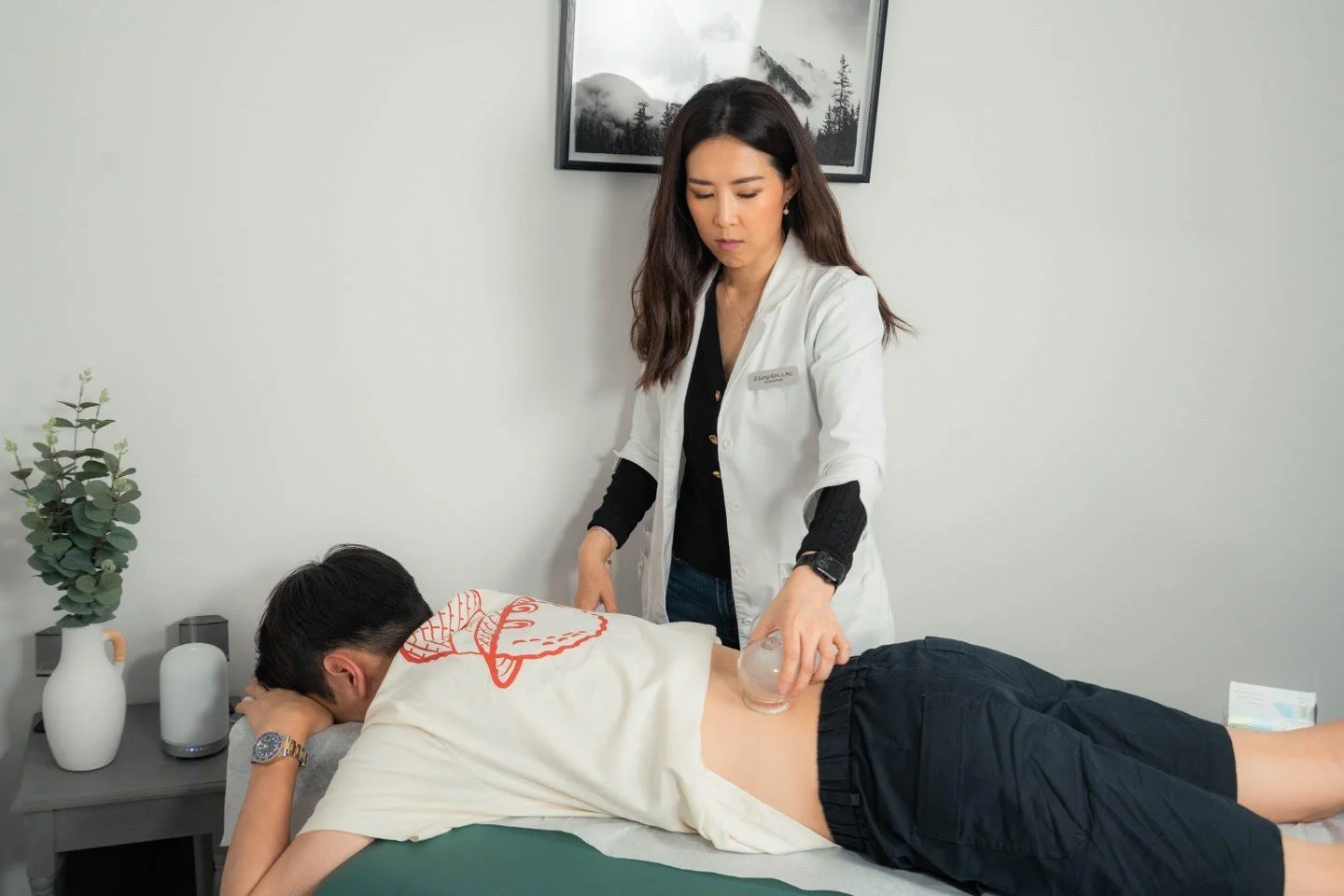
In New York City, acupuncture is a fully recognized and covered medical service under the New York State Workers’ Compensation Board (WCB) guidelines. To access this benefit, the treatment must be administered by a WCB-authorized licensed acupuncturist or a qualified physician, and it must adhere to the specific Medical Treatment Guidelines (MTG) regarding frequency, duration, and measurable functional improvement.
As of 2026, acupuncture has become a cornerstone of non-pharmacological pain management for injured workers in New York City. Following significant legislative shifts in the early 2020s that allowed licensed acupuncturists to become independently authorized providers, the process for integrated care has streamlined. However, navigating the intersection of clinical treatment and insurance bureaucracy requires a precise understanding of the WCB’s regulatory framework. Whether you are dealing with a repetitive stress injury from an office job in Manhattan or a construction site accident in Brooklyn, the rules for acupuncture coverage remain consistent across the five boroughs.
Understanding the Legal Framework: The Role of the WCB
The New York State Workers’ Compensation Board governs all claims within NYC. The primary goal of the system is to ensure that workers receive "reasonable and necessary" medical care to return to work. Acupuncture is classified as a physical medicine modality. Its inclusion is not arbitrary; it is strictly regulated by the Medical Treatment Guidelines (MTG), which are evidence-based standards for care.
The MTGs serve as the rulebook for what insurers must pay for without question and what requires special permission. For acupuncture, the guidelines typically focus on musculoskeletal injuries—specifically those involving the neck, back, shoulder, and knee. In 2026, the WCB continues to emphasize acupuncture as a preferred alternative to opioid-based pain management, aligning with broader public health initiatives in New York State.
The Significance of WCB Authorization
Not every licensed acupuncturist in NYC can treat workers' compensation patients. A provider must apply for and maintain WCB Authorization. This process ensures the provider understands the specialized reporting requirements, such as filing the C-4 series of medical reports and using the OnBoard portal for prior authorization requests. When seeking care, your first question to a clinic should always be: "Are your acupuncturists currently authorized by the NYS Workers’ Compensation Board?"
Eligibility and Prerequisites for Acupuncture Coverage
Before you can lie down on a treatment table in a Chelsea or Long Island City clinic, several legal and medical boxes must be checked. Coverage is not guaranteed simply because an injury occurred at work; it is contingent upon the "compensability" of the claim.
Establishing a Compensable Injury
A compensable injury is one that the insurance carrier (or a Workers' Comp Law Judge) has accepted as being work-related. If the carrier "controverts" (disputes) the claim, they are not required to pay for acupuncture—or any medical treatment—until the dispute is resolved. During this period, a worker might use private health insurance, but they must inform the provider that it is a pending workers' compensation case.
The Medical Necessity Requirement
Acupuncture cannot be used indefinitely for general wellness under a workers' comp claim. It must be deemed medically necessary to treat the specific site of the injury. This necessity is established by your "Doctor of Record"—the primary physician managing your compensation case. While a licensed acupuncturist can diagnose within their scope, the insurance carrier often requires a referral or a supporting note from a medical doctor (MD) or doctor of osteopathy (DO) to validate that acupuncture is a component of a broader rehabilitative plan.
The OnBoard System and Provider Authorization Requests (PAR)
In 2026, all interactions regarding treatment necessity happen through the OnBoard system, the WCB’s digital platform. For acupuncture, the most relevant term is the PAR (Provider Authorization Request).
Most acupuncture treatments fall under the "MTG Confirmation" or "Special Services" categories. If a treatment plan follows the standard guidelines (e.g., 6 to 10 sessions over a specific period), the provider may not need prior approval, but they must still notify the board. However, if the acupuncturist believes you need treatment beyond the standard limits, they must submit a MTG Variance PAR. The insurer has a strict deadline (usually 15 days) to respond. If they fail to respond, the treatment is often deemed "granted by default."
Treatment Limits and Duration: What the Law Allows
The WCB is prescriptive about how much acupuncture a worker can receive. These limits are designed to prevent "maintenance care," which the board does not cover. Coverage is strictly for active rehabilitation.
Trial Periods and Functional Gains
Acupuncture is usually authorized in "trials." A typical initial trial consists of 6 to 8 treatments. At the end of this period, the acupuncturist must document objective functional improvement. This is a technical requirement that often trips up claimants. "Feeling better" is a subjective gain; "being able to lift 20 lbs instead of 10 lbs" or "increasing neck rotation by 15 degrees" is an objective functional gain. If no such gain is documented, the insurer is legally permitted to cease payment for further sessions.
Comparison of Acupuncture Protocols by Injury Type
The following table outlines the general expectations for acupuncture intervention based on the 2026 NYS Medical Treatment Guidelines.
| Injury Category | Typical Initial Frequency | Duration of Initial Trial | Criteria for Extension |
|---|---|---|---|
| Acute Lower Back Pain | 2–3 times per week | 2–4 weeks | Documentation of return-to-work progress. |
| Chronic Neck Pain | 1–2 times per week | 4–6 weeks | Significant reduction in pain medication usage. |
| Post-Operative Knee | 2 times per week | 4 weeks | Improvement in range of motion (ROM) and stability. |
| Carpal Tunnel (NYC Office) | 1–2 times per week | 4 weeks | Improvement in grip strength and nerve conduction. |
The Billing and Payment Process in NYC
One of the most significant protections for NYC workers is that medical providers are prohibited from billing the patient directly. According to the NYS Workers' Compensation Law Section 13-f, a healthcare provider cannot collect a fee from you if they know you have a compensation case pending or established.
The Fee Schedule
The amount an acupuncturist gets paid is determined by the Official New York Workers' Compensation Medical Fee Schedule. Providers in the NYC metropolitan area (including the five boroughs, Nassau, Suffolk, Westchester, and Rockland) often have a different "multiplier" than those upstate to account for the higher cost of doing business in the city. You should never be asked for a co-pay or a "facility fee." If a clinic asks for your credit card "just in case," be wary; this is often a violation of WCB regulations.
Filing the C-4.3 and C-4.2 Reports
To get paid, your NYC acupuncturist must file regular reports. The C-4.2 (Attending Doctor’s Report) must be filed every 45 days at a minimum to update the board and the insurer on your progress. In 2026, these are filed electronically, ensuring that your legal counsel and the insurance adjuster have real-time access to your recovery status.
Common Challenges and Denials
Even with a legitimate injury, getting acupuncture covered in NYC can be difficult. The insurance carrier’s primary tool for denying care is the Independent Medical Examination (IME).
The Role of the IME
The insurance company may require you to visit a doctor of their choosing for an IME. This doctor does not treat you; they evaluate you to determine if further acupuncture is necessary. It is common for IME doctors to report that a patient has reached Maximum Medical Improvement (MMI), meaning further treatment (like acupuncture) will not improve their condition. If an IME report contradicts your acupuncturist's recommendation, the case may go to a "hearing" where a judge decides.
"Not Recommended" by MTG
In some instances, the insurer may deny acupuncture by claiming it is "not recommended" for your specific ICD-10 diagnosis code. For example, while acupuncture is highly recommended for muscle strains, its recommendation level might be lower for certain types of nerve damage. In these cases, your provider must submit a high-quality "Letter of Medical Necessity" via the PAR system to overcome the denial.
Step-by-Step Guide to Starting Treatment
- Report the Injury: Ensure your employer has a written record of your accident.
- File a C-3 Form: This is your official claim with the WCB.
- Consult your Doctor of Record: Ask for a referral to acupuncture as part of your physical medicine regimen.
- Locate a WCB-Authorized Provider: Use the WCB Provider Search Tool to find an authorized acupuncturist in NYC.
- Verification: Provide the clinic with your WCB Case Number and Carrier Case Number.
- Initial Assessment: The acupuncturist will perform an intake and establish "baseline" functional metrics.
- Monitor Progress: Ensure the acupuncturist is documenting your functional gains so that extensions of care are easier to justify to the insurer.
Frequently Asked Questions
Can I choose any acupuncturist in NYC?
No. You must choose an acupuncturist who is authorized by the New York State Workers’ Compensation Board. Furthermore, if your employer is part of a Preferred Provider Organization (PPO) or a Medical Care Program, you may be required to choose an acupuncturist within that specific network for the first 30 days of treatment. After 30 days, you generally have the right to switch to any WCB-authorized provider.
How many sessions of acupuncture are usually covered?
Initial coverage typically spans 6 to 10 sessions over a 4-week period. Total treatment duration rarely exceeds 3 to 6 months unless there is a documented relapse or a specific post-surgical complication. The WCB focuses on "tapering" treatment—meaning as you get better, the frequency of sessions should decrease.
Does workers' comp cover acupuncture for stress or PTSD in NYC?
Coverage for psychological conditions like PTSD or work-related stress is significantly more complex. While acupuncture is used for these conditions in private practice, the MTGs for Workers' Comp primarily focus on musculoskeletal injuries. For acupuncture to be covered for a psychological claim, the claim itself must be established for a mental health condition, and the treatment must be requested by a psychiatrist or psychologist as a supplemental therapy.
What happens if the insurance company denies my acupuncture?
If a PAR is denied, you have the right to request a "Level 3" review by the WCB’s Medical Director’s Office, or your attorney can request a hearing before a Workers' Compensation Law Judge. Usually, denials are based on a lack of documented functional improvement. Working closely with your provider to ensure their notes are detailed is the best defense against denials.
Can I receive physical therapy and acupuncture on the same day?
Yes, but with caveats. Both treatments must be medically necessary, and the providers must document that the treatments are complementary rather than duplicative. Some insurance adjusters may flag "concurrent care" (multiple types of physical medicine), so your providers should explicitly state why both are needed to achieve your return-to-work goals.
Final Recommendation
For injured workers in NYC, acupuncture offers a powerful, drug-free path to recovery, but the "paperwork" is as important as the "needles." To ensure your treatment is not interrupted, stay proactive. Verify your provider's WCB authorization status via the official New York State Workers' Compensation Board website and keep a personal log of your functional progress. If you find yourself unable to lift a certain weight or perform a specific work task, and acupuncture helps you regain that ability, make sure your acupuncturist records that specific gain in their C-4.2 reports. This clinical documentation is the most effective tool for maintaining your right to care under the New York workers' compensation system in 2026.