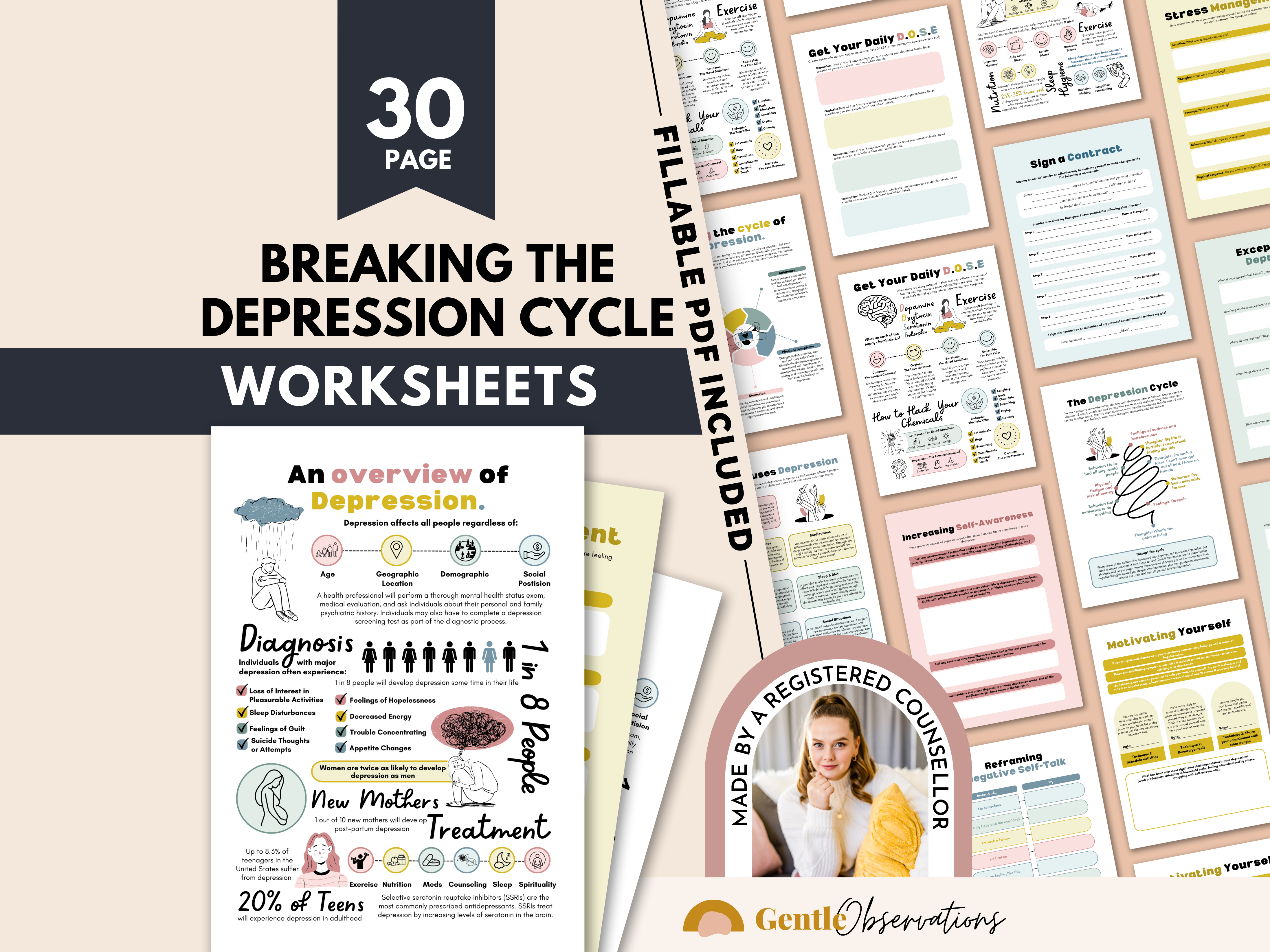
There is no single, universally recognized medical acronym for "depression." Instead, clinicians and researchers utilize standardized symptom clusters and diagnostic criteria, such as the SIGECAPS mnemonic, to identify and categorize Major Depressive Disorder. These tools assist healthcare providers in evaluating the severity and duration of symptoms to ensure accurate diagnosis and personalized treatment planning.
The Role of Mnemonic Devices in Mental Health
In the context of medical practice, an acronym is rarely used to define a condition as complex as clinical depression. Instead, medical professionals rely on diagnostic manuals, most notably the Diagnostic and Statistical Manual of Mental Disorders (DSM-5-TR), to categorize mood disorders. However, clinicians often utilize memory aids, or mnemonics, to ensure they cover the full spectrum of diagnostic criteria during a patient interview.
When individuals search for an "acronym for depression," they are frequently looking for a way to organize their own symptoms or to better understand how a doctor evaluates their mental state. The most widely recognized tool in this category is SIGECAPS, which helps clinicians remember the somatic (physical) and psychological markers of a major depressive episode.
Breaking Down SIGECAPS
The SIGECAPS mnemonic is designed to represent the criteria for Major Depressive Disorder (MDD). To receive a diagnosis, a patient must typically report experiencing symptoms from these categories for at least two weeks.
- S - Sleep: This refers to significant changes in sleep patterns. A patient may suffer from insomnia (difficulty falling or staying asleep) or hypersomnia (sleeping significantly more than usual).
- I - Interest: Often referred to as "anhedonia," this is the loss of interest or pleasure in activities that were previously enjoyed. It is a core symptom of depression.
- G - Guilt: Patients often experience excessive or inappropriate feelings of worthlessness, self-reproach, or ruminating thoughts about perceived past failures.
- E - Energy: Fatigue, lethargy, and a marked decrease in physical and mental energy are common indicators of a clinical depressive state.
- C - Concentration: Depression often impairs cognitive functions, leading to difficulty focusing, indecisiveness, or trouble maintaining a train of thought.
- A - Appetite: This includes significant changes in weight or eating habits. This can manifest as either a decrease in appetite leading to weight loss or an increase leading to weight gain.
- P - Psychomotor: This describes observable physical changes. Psychomotor retardation involves slowed movement and speech, while psychomotor agitation involves restlessness, pacing, or an inability to sit still.
- S - Suicidality: This encompasses recurrent thoughts of death, suicidal ideation, or specific attempts to end one's life. This is a critical marker that requires immediate clinical intervention.
Comparing Clinical Evaluation Tools
While SIGECAPS is a staple for diagnostic interviewing, it is not the only framework used in mental health. Depending on the clinical setting—such as primary care versus psychiatry—different tools may be employed to screen for symptoms.
| Tool | Focus | Primarily Used By |
|---|---|---|
| SIGECAPS | Symptom criteria for MDD | Psychiatrists and Internists |
| PHQ-9 | Severity scoring and monitoring | Primary Care Providers |
| HAM-D | Clinical research and trial measurement | Researchers |
| Beck Depression Inventory | Self-report assessment | Therapists and Counselors |
The PHQ-9 (Patient Health Questionnaire-9) is arguably the most common screening tool used in general medical offices in 2026. Unlike the SIGECAPS mnemonic, which is used for an open-ended clinical interview, the PHQ-9 is a structured questionnaire that provides a numerical score, helping doctors track whether a patient’s depression is improving, staying the same, or worsening over time.
Why Standardized Definitions Matter
The lack of a simple acronym for depression reflects the reality that the condition is a heterogeneous disorder. Two people can be diagnosed with the same type of depression while presenting entirely different symptoms. One person might experience severe insomnia and weight loss, while another might experience hypersomnia and weight gain.
By using structured criteria rather than a simplified label, mental health professionals avoid misdiagnosis. This differentiation is critical because the treatment path for depression is highly individualized. A provider must determine if the patient requires medication (such as SSRIs or SNRIs), psychotherapy (such as Cognitive Behavioral Therapy), or a combination of both.
The Dangers of Self-Diagnosis
Searching for an acronym or a quick summary of depression symptoms is a common first step for individuals seeking understanding. However, it is essential to distinguish between the "blues"—a temporary state of sadness—and clinical depression. Clinical depression is a biological and psychological condition that affects the brain's neurochemistry and requires professional assessment.
If you are using these mnemonics to evaluate your own mental health, be aware of the following:
- Duration: Symptoms must typically be present for two weeks or longer.
- Impairment: Symptoms must cause clinically significant distress or impairment in social, occupational, or other important areas of functioning.
- Exclusion: Symptoms must not be better explained by another medical condition, such as hypothyroidism or vitamin deficiencies, or by substance use.
Seeking Professional Help
If you believe you or someone you know is suffering from depression, the most reliable next step is to schedule an appointment with a primary care physician or a mental health specialist. In 2026, many healthcare systems offer integrated behavioral health, allowing for quick screening and coordination between your regular doctor and a counselor or psychiatrist.
Do not attempt to treat symptoms with over-the-counter supplements or lifestyle changes alone if those symptoms are severe. If you are experiencing thoughts of self-harm, please reach out to emergency services or a crisis hotline immediately. Mental health is a component of overall health and should be treated with the same urgency as any physical illness.
Frequently Asked Questions
Is depression just one specific condition? No, depression is an umbrella term. It covers various types, including Major Depressive Disorder (MDD), Persistent Depressive Disorder (Dysthymia), and Seasonal Affective Disorder. Each has distinct diagnostic nuances beyond a basic mnemonic.
What is the difference between a mnemonic and a diagnostic criteria? A mnemonic, like SIGECAPS, is a memory aid for clinicians to remember what to ask during a patient interview. Diagnostic criteria, found in the DSM-5-TR, are the official, standardized requirements that must be met to formally confirm a medical diagnosis.
Can a doctor diagnose me based only on a checklist? Usually, no. While checklists like the PHQ-9 are helpful, a doctor will also conduct a clinical interview, review your medical history, and potentially order blood work to rule out physical causes for your symptoms, such as thyroid dysfunction or anemia.
Does a "high score" on a depression test mean I definitely have depression? Not necessarily. Screening tools are designed to be sensitive, meaning they cast a wide net. A high score indicates that you are showing symptoms, which warrants a thorough evaluation by a qualified professional to determine if those symptoms meet the full clinical threshold.
Is it possible to have depression without "sadness"? Yes. For many people, particularly men and adolescents, depression often manifests as irritability, anger, physical pain, or a complete lack of feeling (emotional numbness) rather than overt sadness.
Moving Forward
If you are navigating the complexities of your mental health, start by documenting the frequency and intensity of the symptoms that concern you most. Keep a simple log of your sleep, appetite, and mood over the next 14 days. This data will be invaluable to your doctor. Whether you are using a mnemonic like SIGECAPS to organize your thoughts or a screening form from your clinic, the objective is the same: to provide the clearest picture possible so that a professional can guide you toward the right support and recovery plan.