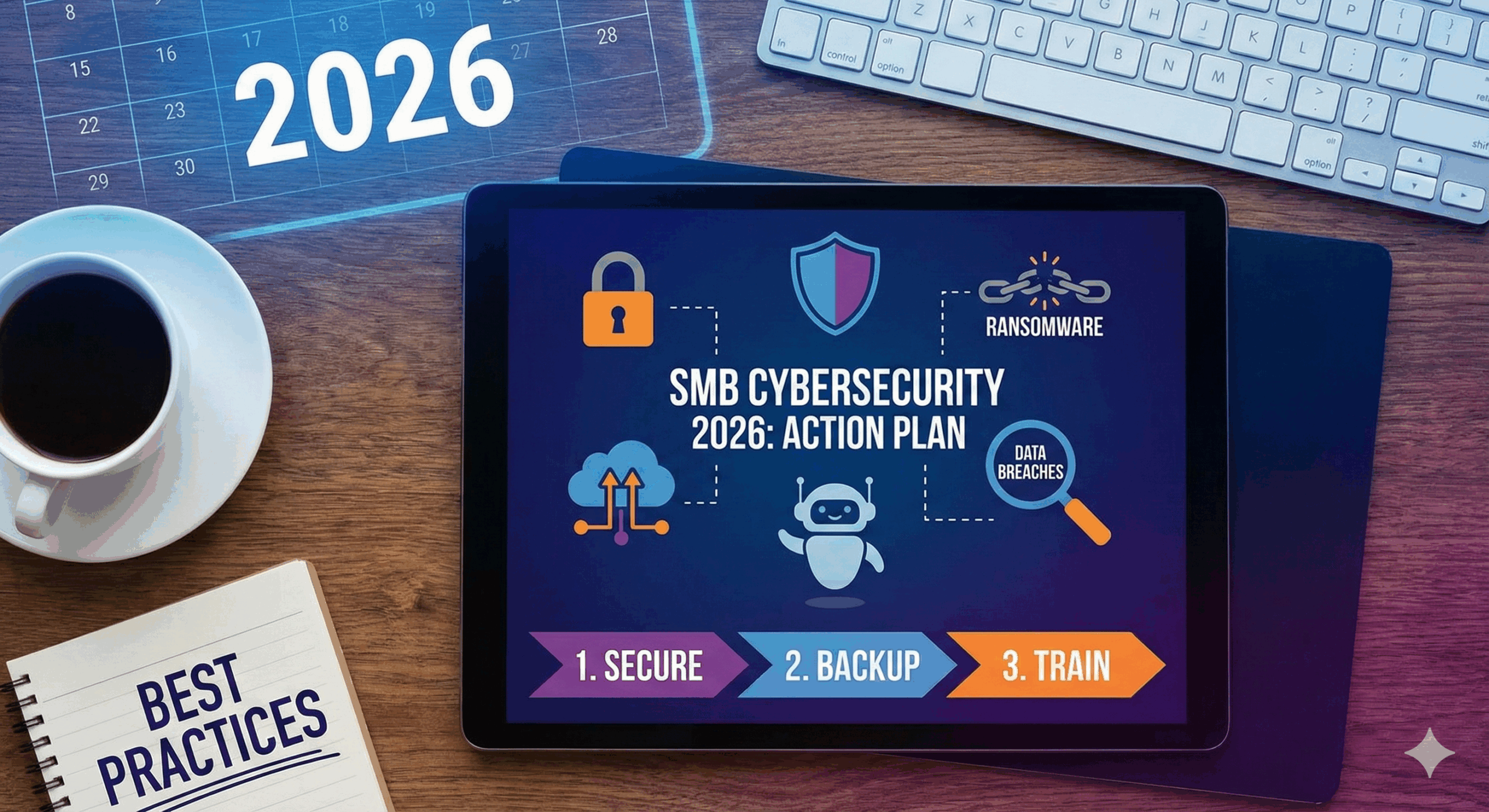
ACE Cloud Hosting provides a comprehensive suite of cybersecurity and IT security solutions designed to protect SMBs and empower MSPs. These include advanced threat detection, cloud-native firewalls, and managed security services that ensure business continuity, data integrity, and regulatory compliance through a resilient, multi-layered cloud infrastructure and 24/7 proactive monitoring.
In 2026, the intersection of cloud computing and cybersecurity has become the primary battleground for Small and Medium-sized Businesses (SMBs) and the Managed Service Providers (MSPs) that support them. As digital environments transition from simple cloud storage to complex, AI-driven ecosystems, the demand for integrated security has never been higher. ACE Cloud Hosting has positioned its offerings to bridge the gap between high-level enterprise security and the operational agility required by smaller organizations.
The Evolving Security Landscape for SMBs and MSPs in 2026
The cybersecurity environment in 2026 is defined by "hyper-automated" threats. Traditional signature-based antivirus solutions are no longer sufficient against polymorphic malware and sophisticated social engineering attacks that leverage generative AI. For SMBs, the risk is existential; a single ransomware event can result in permanent closure due to recovery costs and reputational damage.
MSPs face a different but equally daunting challenge. They are now "high-value targets" because compromising a single MSP can grant attackers access to dozens or hundreds of downstream client networks. This "supply chain" vulnerability means that MSPs must not only secure their own infrastructure but also provide a verifiable, ironclad security stack to their clients. ACE Cloud Hosting addresses these dual needs by providing a managed environment where security is not an add-on, but a foundational component of the hosting architecture.
Why SMBs Are Specifically Targeted
Small and medium businesses often operate under the "security through obscurity" fallacy, believing they are too small for hackers to notice. However, automated scanning tools make every IP address a potential target. SMBs typically have:
- Limited dedicated IT security personnel.
- Fragmented legacy systems that are difficult to patch.
- Higher susceptibility to business email compromise (BEC).
- Stringent budget constraints that prevent the purchase of multiple disparate security tools.
ACE Cloud Hosting’s Security Philosophy: The Layered Defense Model
ACE Cloud Hosting utilizes a "Defense in Depth" strategy. This approach assumes that any single security measure can and will eventually fail. By stacking multiple, independent layers of security, ACE ensures that a breach of one layer does not result in a total system compromise.
1. Perimeter Security
At the outermost layer, ACE employs enterprise-grade firewalls and Web Application Firewalls (WAF). These systems are configured to filter incoming traffic based on real-time threat intelligence. In 2026, this includes AI-driven traffic analysis that can distinguish between legitimate user behavior and automated botnets attempting credential stuffing or Distributed Denial of Service (DDoS) attacks.
2. Network Segmentation and Zero Trust
Within the cloud environment, ACE implements strict network segmentation. This means that even if a single virtual desktop or application is compromised, the threat is contained within that specific segment and cannot "move laterally" through the network to access sensitive databases. This aligns with the Zero Trust Architecture (ZTA), which operates on the principle of "never trust, always verify" for every access request, regardless of whether it originates from inside or outside the network.
3. Endpoint Detection and Response (EDR)
ACE integrates EDR solutions into its managed hosting services. Unlike traditional antivirus, EDR monitors the behavior of files and processes. If a process begins encrypting files (a hallmark of ransomware), the EDR can automatically kill the process and isolate the affected instance before the damage spreads.
Core Cybersecurity Components for SMBs
For an SMB, managing multiple security vendors is a logistical nightmare. ACE Cloud Hosting simplifies this by providing an integrated stack that covers the most critical vulnerabilities.
Identity and Access Management (IAM)
Identity is the new perimeter. ACE enforces Multi-Factor Authentication (MFA) across all access points. In 2026, this often includes adaptive authentication, which analyzes factors like geographic location, time of day, and device health before granting access. If an employee typically logs in from New York at 9:00 AM and a login attempt is detected from a different country at 2:00 AM, the system can automatically trigger additional verification steps or block the attempt entirely.
Data Encryption: At Rest and In Transit
All data stored within ACE’s cloud environment is encrypted using AES-256 bit encryption, which remains the industry standard for security. Furthermore, data moving between the client’s local device and the cloud server is protected by high-grade TLS (Transport Layer Security) protocols. This ensures that even if data is intercepted during transmission, it remains unreadable to unauthorized parties.
Automated Patch Management
One of the primary entry points for cyberattacks is unpatched software. ACE Cloud Hosting manages the underlying OS and application patches for its hosted services. This removes the burden from the SMB owner and ensures that "Zero-Day" vulnerabilities are addressed as soon as vendors release updates.
Strategic IT Security Solutions for Managed Service Providers (MSPs)
MSPs require more than just security; they require tools that allow them to scale and manage multiple clients efficiently. ACE Cloud Hosting provides several features specifically tailored to the MSP business model.
Multi-Tenant Management Dashboards
ACE provides MSPs with centralized consoles where they can monitor the security posture of all their clients from a single pane of glass. This visibility is crucial for responding to incidents quickly and for providing clients with regular security health reports.
White-Labeling and Brand Integration
For MSPs looking to maintain brand consistency, ACE offers white-labeling options. This allows the MSP to provide high-end cloud security solutions under their own brand, backed by ACE’s technical infrastructure and 24/7 support.
Compliance as a Service
Many MSP clients operate in regulated industries such as healthcare (HIPAA) or finance (PCI-DSS). Achieving and maintaining compliance is a complex process. ACE Cloud Hosting’s data centers are SOC 2 Type II compliant, providing the necessary audit trails and physical security controls that MSPs can leverage to help their clients meet regulatory requirements.
| Feature | SMB Focus | MSP Focus |
|---|---|---|
| Primary Goal | Business continuity and data protection. | Scalability, client management, and margin. |
| Monitoring | Automated alerts and basic reporting. | Multi-tenant dashboards and deep forensics. |
| Compliance | Meeting basic industry standards. | Providing audit-ready infrastructure for clients. |
| Support | Direct end-user technical assistance. | Tier 2/3 engineering support and API access. |
| Authentication | Simple MFA for all employees. | Role-Based Access Control (RBAC) across clients. |
| Disaster Recovery | Simple backup and restore. | Customizable RTO/RPO for various client SLAs. |
Technical Infrastructure and Data Center Security
The security of the cloud is only as good as the physical and logical infrastructure it sits on. ACE Cloud Hosting utilizes Tier 3 and Tier 4 data centers, which are designed for maximum uptime and physical security.
- Physical Security: These facilities include biometric access controls, 24/7 on-site security personnel, and extensive surveillance.
- Redundancy: ACE employs N+1 or 2N+1 redundancy for power, cooling, and network connectivity. This prevents hardware failures from translating into service outages.
- Geographic Diversity: Data is often replicated across multiple geographically distinct regions. In the event of a regional disaster (like a hurricane or major power grid failure), the system can failover to a different data center with minimal downtime.
Managed Security Operations Center (SOC)
A key differentiator for ACE is the availability of a Managed SOC. Security professionals monitor network traffic 24/7, looking for patterns that suggest an attack is underway. For an SMB, having access to a SOC would normally be cost-prohibitive, but by using ACE’s shared infrastructure, they gain enterprise-level oversight at a fraction of the cost.
Backup and Disaster Recovery (BDR)
In the cybersecurity world, the question is not if an incident will occur, but when. ACE Cloud Hosting integrates robust Backup and Disaster Recovery into its security solutions.
Immutable Backups
In 2026, ransomware often targets backup files first to ensure the victim has no choice but to pay. ACE utilizes immutable backups, which are "write-once, read-many" (WORM). Once a backup is created, it cannot be modified or deleted for a set period, even if an attacker gains administrative access to the network.
Recovery Time Objective (RTO) and Recovery Point Objective (RPO)
ACE allows businesses to define their RTO (how quickly they need to be back up) and RPO (how much data they can afford to lose). For critical applications, ACE can provide near-instantaneous failover, ensuring that business operations continue even during a primary system failure.
Implementation Steps: Transitioning to ACE Cloud Security
Moving to a secured cloud environment requires a structured approach to ensure no gaps are left in the defense.
- Assessment and Discovery: ACE’s team works with the SMB or MSP to identify sensitive data, critical applications, and current security vulnerabilities.
- Environment Design: A custom cloud architecture is designed, incorporating the necessary levels of encryption, segmentation, and access controls.
- Data Migration: Using secure transfer protocols, data is migrated to the ACE environment. This is often done in stages to minimize operational disruption.
- Security Hardening: Once migrated, the environment is "hardened." This involves closing unnecessary ports, disabling unused services, and configuring the WAF.
- User Training: Security is a human problem as much as a technical one. ACE provides resources to help train employees on recognizing phishing attempts and using MFA.
- Continuous Monitoring: The SOC begins its 24/7 monitoring, and regular vulnerability scans are scheduled to identify new threats as they emerge.
Frequently Asked Questions
How does ACE Cloud Hosting handle the new AI-driven threats of 2026?
ACE utilizes AI-based behavioral analytics within its EDR and SOC operations. By establishing a "baseline" of normal network activity, the system can identify anomalies—such as a user accessing thousands of files in a minute—that indicate an automated attack or a compromised account, allowing for immediate mitigation.
Is ACE Cloud Hosting compliant with international data laws like GDPR?
Yes. ACE Cloud Hosting provides data residency options that allow businesses to choose where their data is stored. This is critical for compliance with the General Data Protection Regulation (GDPR) and other regional laws that mandate data remain within specific borders.
Can MSPs integrate their existing security tools with ACE’s platform?
ACE Cloud Hosting is built on an open-architecture philosophy, allowing for integration via APIs. Many MSPs link their existing Professional Services Automation (PSA) and Remote Monitoring and Management (RMM) tools with ACE’s infrastructure to maintain a unified workflow.
What happens if an SMB’s local hardware is compromised?
Because ACE uses a cloud-hosted environment (often via VDI or DaaS), the local hardware acts merely as a gateway. If a local laptop is infected, the data and applications hosted on ACE’s servers remain isolated and protected. The MSP or admin can simply terminate the session and wipe the local device without data loss.
What is the typical cost structure for MSPs partnering with ACE?
ACE generally offers a tiered pricing model based on the number of users and the level of security required. MSPs often receive "partner pricing," allowing them to add a service margin while still providing competitive rates to their SMB clients.
Practical Recommendation
For SMBs, the most effective next step is to conduct a Security Gap Analysis. Evaluate your current reliance on local hardware and legacy antivirus. If your business cannot survive more than 24 hours of downtime, migrating to a managed cloud environment with integrated EDR and immutable backups is a high-priority action.
For MSPs, the focus should be on Standardization. By moving your client base to a unified security stack like the one offered by ACE Cloud Hosting, you reduce the "technical debt" of managing disparate systems and significantly lower the risk of a cross-client contagion during a cyberattack. Visit the Cybersecurity & Infrastructure Security Agency (CISA) for additional frameworks on securing small business networks.