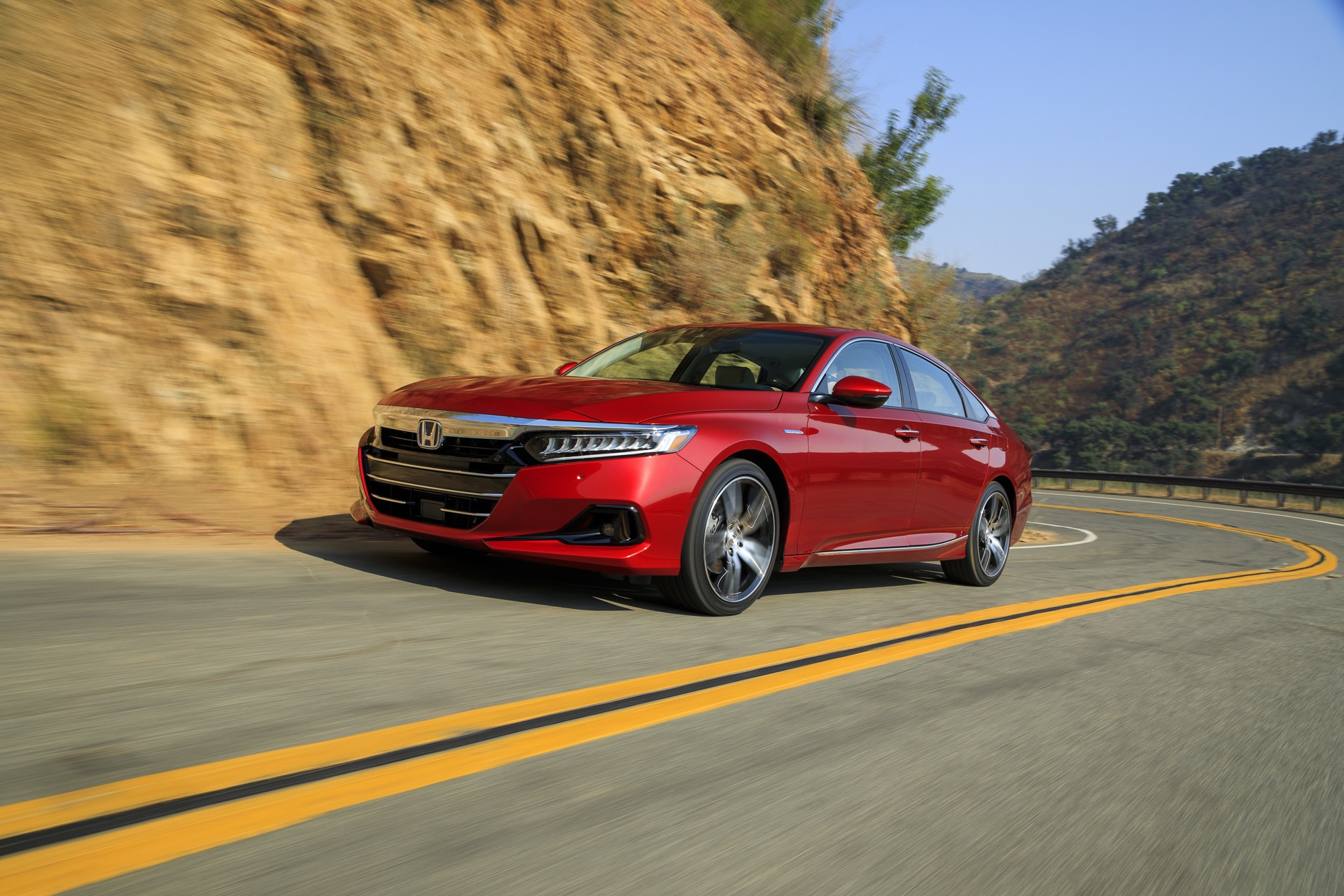
The 2012 Honda Accord delivers an EPA-estimated fuel economy ranging from 23 to 27 MPG in city driving and 32 to 34 MPG on the highway, depending on the engine configuration and transmission. These figures reflect a balance between refined internal combustion efficiency and the vehicle's aerodynamic profile, though real-world performance varies based on maintenance, driving habits, and vehicle condition.
Evolution of the 2012 Accord Powertrain
The 2012 Honda Accord represents the final iteration of the eighth-generation design, which emphasized a balance of power and efficiency. To understand the fuel economy of this vehicle, one must first look at the two distinct engine configurations offered that year: the 2.4-liter inline-four cylinder and the 3.5-liter V6.
The 2.4-liter engine was the volume seller, equipped with i-VTEC (Intelligent Variable Valve Timing and Lift Electronic Control). This system optimizes air-fuel intake at varying RPMs, allowing the engine to be fuel-efficient during cruising while providing necessary power during acceleration. When paired with the five-speed automatic transmission, this engine is optimized for the daily commuter.
The 3.5-liter V6, conversely, featured Variable Cylinder Management (VCM). VCM is a sophisticated engine management technology that can deactivate two or three of the engine’s cylinders during cruising or low-load conditions. By essentially turning the V6 into a more efficient three- or four-cylinder engine under light demand, Honda significantly improved highway fuel efficiency for the larger powertrain. Understanding whether your vehicle is equipped with the I4 or V6 is the primary prerequisite for determining your baseline fuel consumption expectations.
Official EPA Fuel Economy Specifications
The Environmental Protection Agency (EPA) provides standardized fuel economy testing results, which serve as the baseline for vehicle efficiency. For the 2012 model year, the figures were calculated based on the specific chassis and drivetrain combinations available at the time.
| Engine | Transmission | City (MPG) | Highway (MPG) | Combined (MPG) |
|---|---|---|---|---|
| 2.4L I4 | 5-Speed Manual | 23 | 32 | 26 |
| 2.4L I4 | 5-Speed Auto | 23 | 34 | 27 |
| 3.5L V6 | 5-Speed Auto | 20 | 30 | 24 |
| 3.5L V6 | 6-Speed Manual | 17 | 26 | 20 |
It is critical to note that these values were calculated under a specific set of laboratory conditions. As of 2026, many of these vehicles have aged significantly, and these "sticker" numbers should be viewed as an ideal maximum rather than an absolute expectation for a high-mileage vehicle.
Factors Influencing Real-World MPG
While the EPA figures provide a controlled benchmark, several variables influence the actual fuel consumption of a 2012 Accord on the road today.
Mechanical Maintenance and "Engine Health"
An engine that is not running at its peak efficiency will naturally consume more fuel. Key components that directly impact fuel economy include:
- Mass Air Flow (MAF) Sensor: If this sensor is dirty or failing, it may provide inaccurate data to the ECU, causing the engine to run "rich" (using too much fuel).
- Oxygen Sensors: These sensors monitor exhaust gases to ensure the fuel-air mixture is correct. A degraded sensor often causes the ECU to default to a rich mixture, plummeting fuel economy.
- Spark Plugs: Worn spark plugs lead to incomplete combustion. If the spark is not strong, energy is wasted, and efficiency drops.
- Air Filters: A clogged engine air filter restricts airflow, forcing the engine to work harder to maintain speed.
Rolling Resistance and Aerodynamics
The tires installed on the vehicle significantly affect fuel economy. Low-rolling-resistance tires are designed to minimize the energy lost as heat when the tire deforms against the road. If the 2012 Accord is currently equipped with aggressive performance tires or winter tires, one should expect a decrease in MPG of 1% to 3%. Furthermore, maintaining correct tire pressure is the most impactful, low-cost method of ensuring fuel efficiency. Underinflated tires increase rolling resistance, which forces the engine to burn more fuel to maintain momentum.
Driving Habits
The "Driving Cycle" is a major contributor to the disparity between EPA estimates and individual results. Rapid acceleration ("jackrabbit starts") prevents the engine from entering its most efficient power band. Additionally, excessive idling—whether in traffic or during warm-ups—uses fuel while covering zero miles, causing the average MPG displayed on the dashboard to decrease rapidly.
The Role of Vehicle Age in 2026
By 2026, the 2012 Honda Accord has been on the road for 14 years. As vehicles age, fuel systems, fuel injectors, and emission control systems naturally degrade. Over time, carbon deposits can accumulate on intake valves and fuel injectors, disrupting the spray pattern of the fuel. This degradation is often incremental, meaning owners might not notice a sudden change in performance, but rather a gradual decline in MPG over several years. Using high-quality fuel and periodic fuel system cleaners can help mitigate these effects, but it is unrealistic to expect a 14-year-old vehicle to perform identically to its original factory-new fuel efficiency profile.
Troubleshooting Diminished Fuel Economy
If an owner finds their 2012 Accord is achieving significantly lower MPG than the EPA estimates, they should follow a logical diagnostic path:
- Check for Diagnostic Trouble Codes (DTCs): Even if the "Check Engine" light is not illuminated, scan the OBD-II port for "pending" codes. A failing O2 sensor or a thermostat stuck in the "open" position can cause the engine to stay in a "cold start" loop, which consumes excessive fuel.
- Verify Tire Pressure: Check all four tires against the manufacturer’s specification found on the driver-side door jamb, not the maximum pressure listed on the tire sidewall.
- Monitor Fuel Quality: If using lower-grade fuel, the engine's computer may retard ignition timing to prevent knocking, which reduces overall thermal efficiency.
- Inspect Dragging Brakes: A seized brake caliper is a common issue in older vehicles. This creates constant drag that is often subtle enough that the driver may not notice it while driving, but it will significantly lower MPG.
Frequently Asked Questions
Does the 2012 Honda Accord require premium fuel for better MPG? No. The 2012 Accord engines are designed to operate on regular 87-octane unleaded gasoline. Using premium fuel will not improve fuel economy or power in this specific vehicle, as the engine management system is not tuned to take advantage of the higher octane rating.
How can I calculate my actual MPG manually? Do not rely exclusively on the onboard computer, as it can be inaccurate. Instead, fill the gas tank until the pump clicks off. Reset the trip odometer to zero. Drive until the tank is at least half empty, then fill the tank again at the same pump. Divide the miles driven by the number of gallons required to fill the tank to arrive at your true MPG.
Does carrying extra weight in my Accord affect my gas mileage? Yes. Fuel economy decreases by approximately 1% for every 100 pounds of additional weight carried in the vehicle. Removing unnecessary items from the trunk, such as heavy sports equipment or unused tools, can provide a measurable improvement in city driving cycles.
Why does my MPG drop significantly in the winter? Winter impacts fuel economy due to several factors: gasoline blends are formulated differently for cold weather, the engine takes longer to reach optimal operating temperature, and cold air is denser, which increases aerodynamic drag. Additionally, using the heater and defroster keeps the engine running in a higher-consumption state for longer.
Is it normal for my Accord to get lower MPG than the EPA rating? The EPA ratings are estimates derived from test cycles that may not match your specific driving environment. If your commute involves heavy stop-and-go traffic, steep hills, or high speeds, it is perfectly normal to see fuel economy that is 5–10% lower than the EPA "combined" rating.
Next Actions for Optimized Efficiency
To maximize the fuel efficiency of your 2012 Honda Accord in 2026, prioritize a "baseline" service. Change your engine oil to the viscosity specified in the owner's manual (typically 0W-20), replace the engine air filter, and ensure your tires are properly inflated. If the vehicle has exceeded 100,000 miles, consider having a professional mechanic inspect the fuel injectors and spark plugs. By establishing a well-maintained mechanical state, you provide the engine with the best possible environment to reach the fuel economy standards established during its production year.