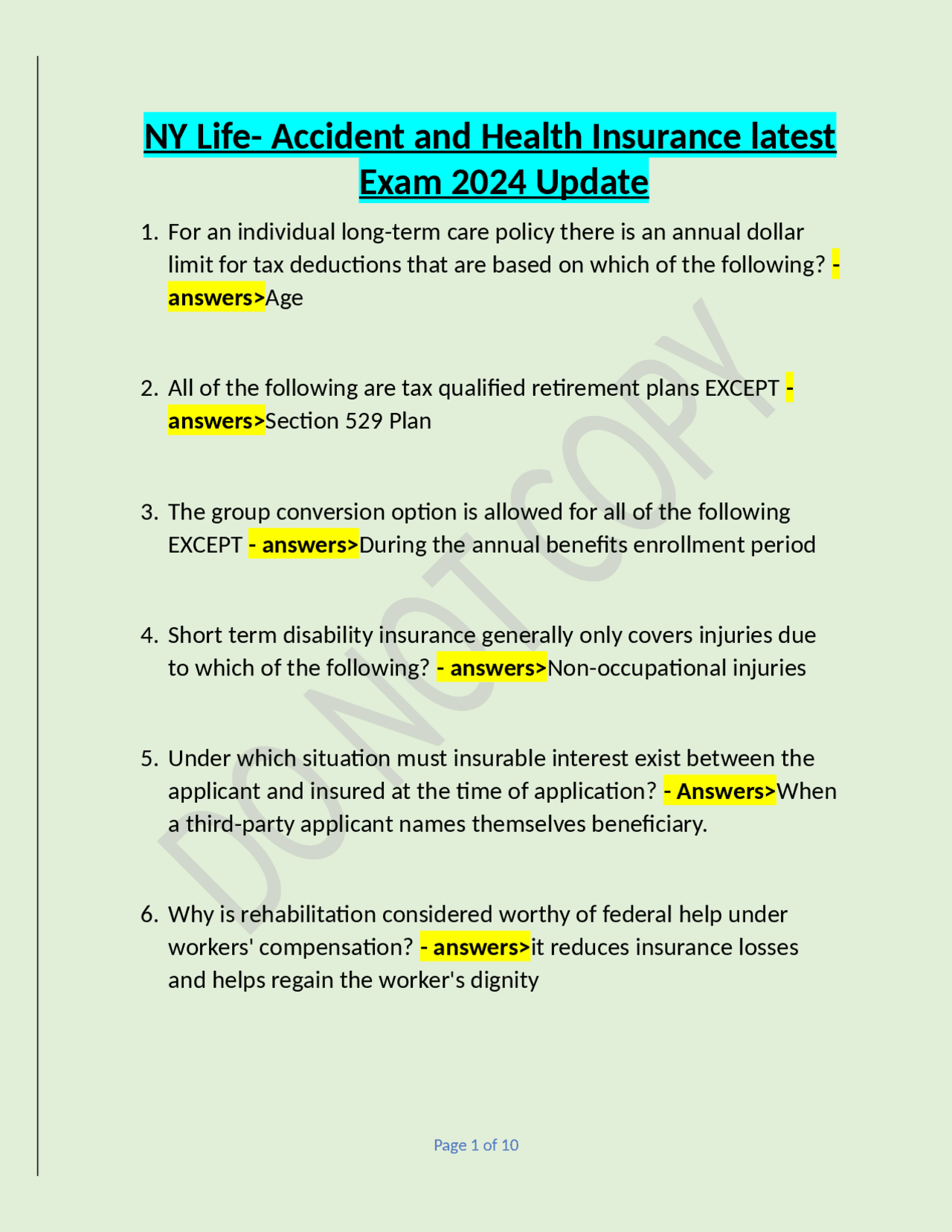
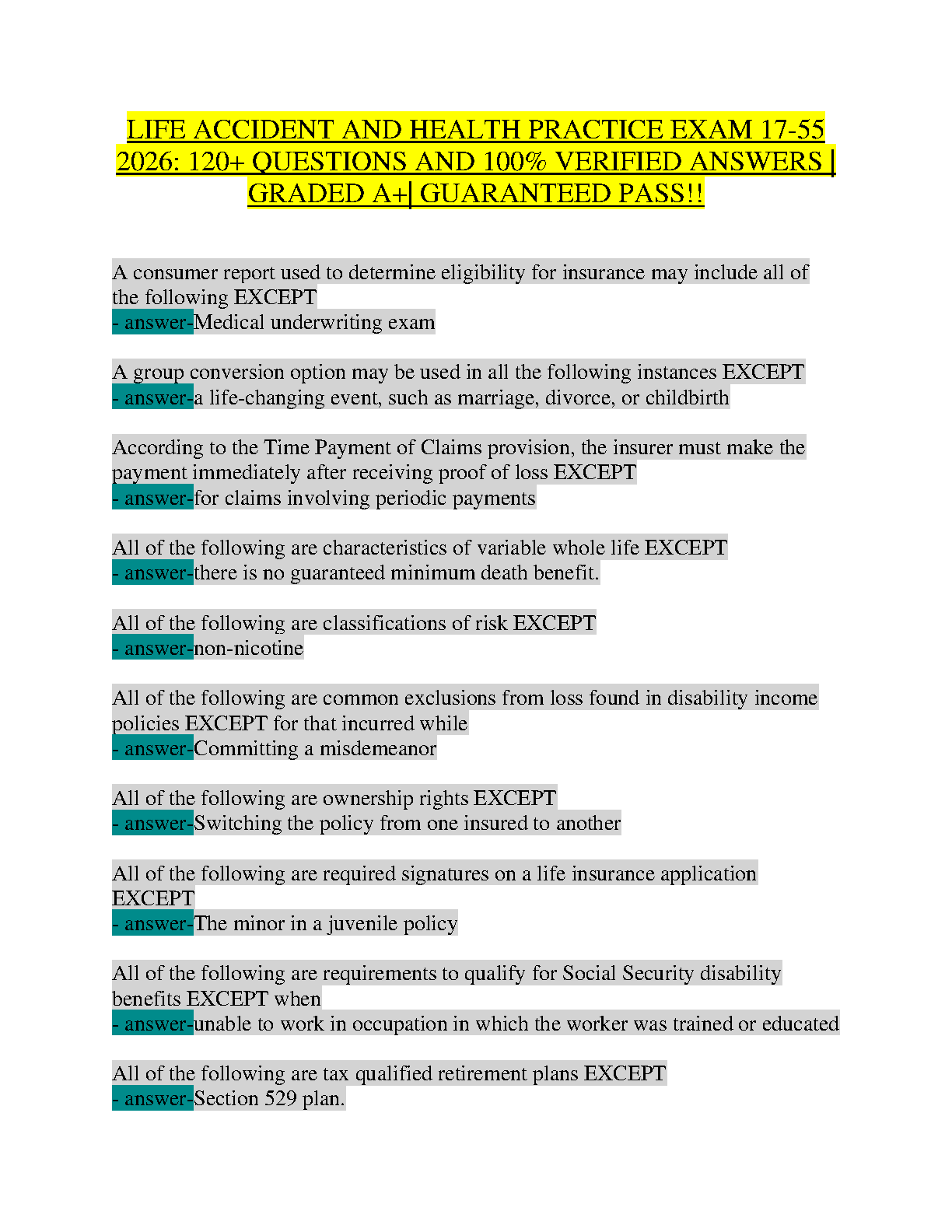
The accident and life insurance testing examination is a mandatory licensing assessment for individuals seeking to become licensed insurance producers. Administered at the state level in the United States, this computer-based test evaluates a candidate's knowledge of core insurance principles, policy provisions, and state-specific legal regulations to ensure they are qualified to provide financial protection advice to consumers.
Understanding the Purpose of Licensing Examinations
The primary intent of the accident and life insurance licensing examination is consumer protection. Insurance is a complex financial product governed by strict legal frameworks. To prevent predatory sales practices and ensure that agents possess the technical proficiency to explain policy terms accurately, state departments of insurance require rigorous testing.
When you sit for this examination, you are not merely proving you have memorized facts; you are demonstrating an understanding of the fiduciary duty you will hold toward policyholders. The exam verifies that you understand the contractual nature of life and health insurance, the underwriting process, and the ethical responsibilities inherent in the profession.
Structure and Content of the Examination
While specific state requirements vary, the accident and life insurance examination is generally divided into two distinct parts: the National Section and the State-Specific Section.
The National Section
The national portion of the exam covers universal insurance concepts that apply across almost every jurisdiction in the United States. Key topics typically include:
- Principles of Life Insurance: This covers the mathematical foundations of risk pooling, types of life insurance policies (such as term, whole life, and universal life), and the various riders available to customize coverage.
- Principles of Accident and Health Insurance: This segment focuses on disability income insurance, medical expense insurance, accidental death and dismemberment (AD&D) policies, and long-term care insurance.
- Policy Provisions and Clauses: Candidates must understand the "fine print," including grace periods, nonforfeiture options, reinstatement, and beneficiary designations.
- Qualified Plans: This involves an understanding of tax-advantaged retirement accounts like 401(k) plans and IRAs as they relate to life insurance and annuities.
The State-Specific Section
The state portion focuses on the unique laws enacted by your state’s legislature and enforced by the Department of Insurance (DOI). This section is critical because, in the insurance world, what is legal in one state may be prohibited in another.
- Licensing Procedures: You must demonstrate knowledge of how licenses are issued, renewed, and surrendered.
- Unfair Trade Practices: Every state has statutes defining prohibited behaviors, such as "twisting," "churning," or "rebating."
- Producer Responsibilities: This covers the ethical mandates regarding the handling of client premiums and the reporting of disciplinary actions.
Prerequisites and Registration Steps
Before you can schedule your exam, you must fulfill specific administrative prerequisites. These requirements serve as a gateway to the examination process.
- Pre-Licensing Education: Many states require that you complete a set number of hours of classroom or online pre-licensing education. These courses are vetted by the state to ensure they cover the necessary curriculum.
- Fingerprinting and Background Checks: As a prospective insurance producer, you will undergo a background check. States must verify that you do not have a criminal record that would disqualify you from handling client funds.
- Exam Registration: Once your pre-licensing requirements are verified, you must register through a third-party testing vendor, such as Pearson VUE, Prometric, or PSI.
- Exam Fee Payment: Examination fees are paid directly to the testing vendor. These fees typically range from $50 to $150, depending on the state and the combination of lines of authority (e.g., Life, Accident, and Health combined).
Comparison of Examination Approaches
| Feature | National Section | State-Specific Section |
|---|---|---|
| Content Focus | General insurance theory and concepts | Local statutes and regulations |
| Source Material | Nationwide textbooks/NAIC guidelines | State DOI bulletins and statutes |
| Application | Applied to any US jurisdiction | Specific to your home state |
| Complexity | Technical definitions and math | Legal compliance and ethics |
Strategic Preparation for Success
Passing the accident and life insurance examination requires a structured study approach. Relying solely on real-world experience is often insufficient, as the exam requires knowledge of the "textbook" definition of insurance law rather than the practical shortcuts often used in the field.
Leverage Official Outlines
Every state testing provider offers a "Content Outline" or "Candidate Handbook." This document is your most valuable asset. It lists exactly how many questions appear on each topic. If the outline states that 20% of the exam covers "Life Insurance Riders," ensure you prioritize that section over topics that only account for 5% of the score.
Utilize Practice Exams
Simulated exams are essential for building endurance and familiarity with the interface. Many candidates find that the most difficult part of the test is the wording of the questions rather than the content itself. Practice tests train you to identify "distractor" answers—options that look correct but contain subtle, incorrect terminology.
Common Mistakes to Avoid
- Over-relying on Memorization: Instead of rote memorization, focus on understanding the logic behind the rules. If you understand why a regulation exists, you are more likely to deduce the correct answer even if the question is phrased unexpectedly.
- Ignoring the State Supplement: Many candidates focus exclusively on national material and fail the state-specific section. Ensure you set aside dedicated time for state-specific insurance codes.
- Ignoring the Clock: During the test, do not dwell on a single question for too long. Flag it, move on, and return if time permits.
Managing the Post-Examination Process
Once you complete the examination, you will usually receive your results immediately at the testing center. If you pass, your score will be electronically transmitted to your state's Department of Insurance.
Next Actions After Passing
- Application for License: Passing the exam is not the same as being licensed. You must complete a formal license application, usually submitted through the National Insurance Producer Registry (NIPR) portal, and pay the state licensing fee.
- Appointment: In most states, you cannot legally transact business until an insurance carrier has "appointed" you. You must contract with an insurance company, which will then notify the state of your appointment.
- Continuing Education (CE): Once you become a licensed producer, you enter a cycle of mandatory continuing education. You will need to complete a certain number of credits every two years to keep your license active.
Frequently Asked Questions
What is the minimum passing score for the insurance exam? Most states require a score of 70% or higher to pass. However, some jurisdictions vary. Always check your specific candidate handbook provided by your state's designated testing vendor to confirm the passing threshold.
Can I take the Life and Health exams separately? Yes, in most states, you can take the Life exam and the Accident and Health exam as separate tests or as a combined examination. A combined examination is often more efficient for those planning to sell both types of products, as it avoids overlapping administrative fees and multiple testing appointments.
What happens if I fail the examination? If you fail, you are permitted to retake the exam. However, most states require a waiting period between attempts, and you must pay the registration fee again for each subsequent attempt. Check your state's regulations regarding the maximum number of attempts allowed within a specific timeframe.
Do I need a college degree to sit for the exam? No, a college degree is not required to take the accident and life insurance examination. The minimum requirement is typically a high school diploma or equivalent, provided you meet the state's age requirement, which is usually 18 years.
Is the exam open-book? No, the accident and life insurance testing examination is a closed-book, proctored environment. You are not permitted to bring personal notes, textbooks, or electronic devices into the testing area.
Professional Recommendation
If you are preparing for the examination, start by locating your state’s Department of Insurance website. Download the specific Candidate Handbook for the current year. Identify the exact number of questions and the time limit for your exam. If you are struggling with a specific concept, reach out to your pre-licensing education provider for tutoring support. Success on this exam is the final hurdle between you and a career as a licensed insurance professional; treat your study schedule with the same discipline you would apply to your future business practice.