In Fort Lauderdale’s subtropical climate, professional AC service encompasses routine maintenance, emergency repairs, and full system installations designed to combat high humidity and salt-air corrosion. As of 2026, efficient cooling relies on EPA-certified technicians performing semi-annual inspections to ensure energy efficiency, indoor air quality, and compliance with Florida’s stringent building codes.
The Critical Role of AC Service in Fort Lauderdale’s Climate
Living in Fort Lauderdale presents unique challenges for Heating, Ventilation, and Air Conditioning (HVAC) systems. Unlike more temperate regions where air conditioning is a seasonal luxury, South Florida residents rely on their systems for approximately 2,800 to 3,500 hours per year. This constant operation, combined with specific environmental stressors, makes professional oversight a necessity rather than an option.
Salt-Air Corrosion and Coastal Degradation
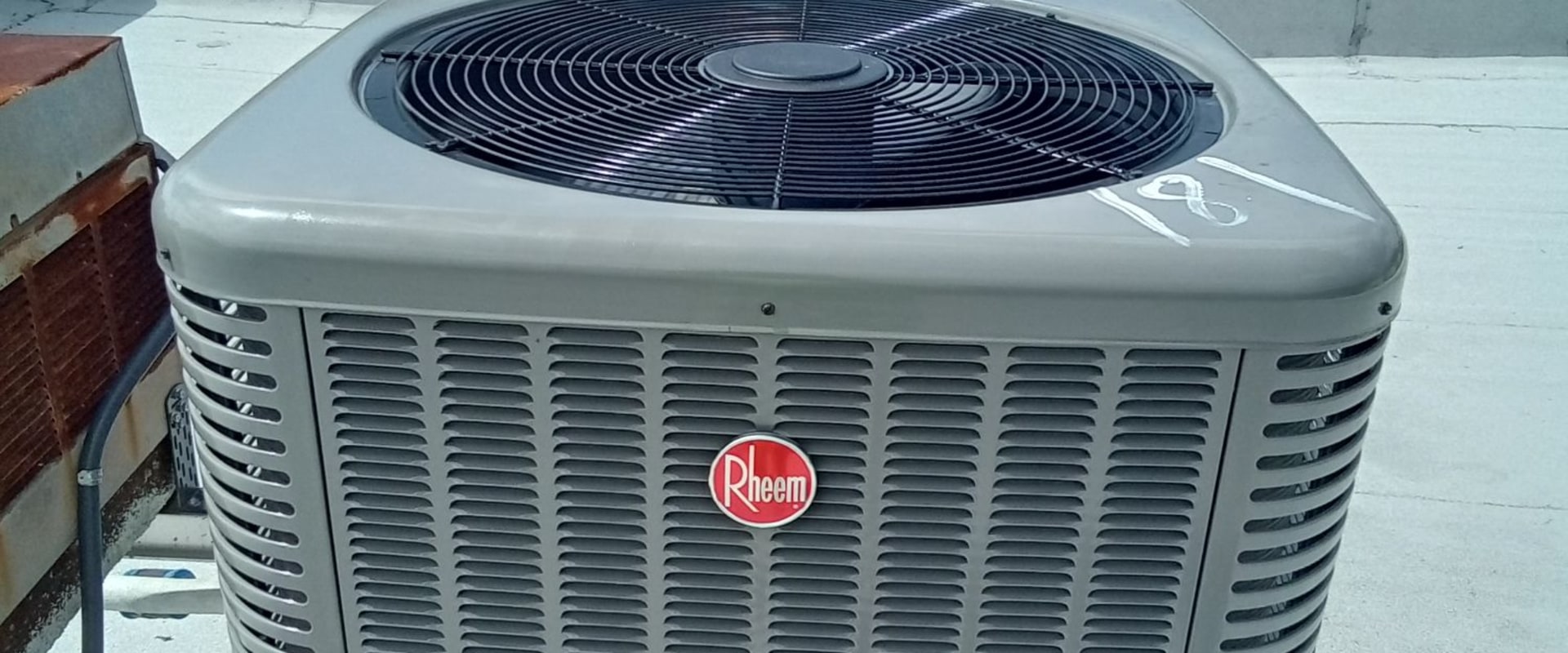
For properties located near the Atlantic coast or the Intracoastal Waterway, salt-air corrosion is the primary threat to HVAC longevity. Salt spray contains chloride ions that accelerate the oxidation of aluminum fins and copper tubing in outdoor condenser units. Without regular cleaning and the application of specialized anti-corrosive coatings, a standard unit that might last 15 years inland may fail in as little as 5 to 7 years in Fort Lauderdale. Professional service includes "coil washing" to remove salt deposits before they pit the metal surfaces.
Humidity Management and Latent Heat
Fort Lauderdale’s average humidity levels frequently exceed 70%. An AC unit does more than lower the temperature; it acts as a giant dehumidifier. Service technicians must ensure that the system’s "latent cooling capacity"—its ability to remove moisture—is optimized. If the system is oversized or the airflow is improperly calibrated, it may "short cycle," cooling the air quickly without removing humidity, leading to clammy indoor conditions and potential microbial growth (mold).
Primary Categories of AC Service
To effectively manage a cooling system in 2026, homeowners and facility managers must distinguish between the three primary tiers of service. Each serves a specific stage in the equipment's lifecycle and requires different levels of technical expertise.
1. Preventative Maintenance and Tune-Ups
Preventative maintenance is a scheduled service, typically performed twice a year in South Florida (once in the spring before the peak heat and once in the fall). The goal is to restore the system to its original factory specifications as closely as possible.
A standard 2026 tune-up includes:
- Refrigerant Level Verification: Checking for leaks of modern A2L refrigerants like R-454B or R-32.
- Electrical Component Testing: Measuring the "draw" of capacitors and contactors to prevent unexpected failures.
- Condensate Line Clearing: Using pressurized air or vacuums to remove algae and sludge that cause indoor flooding.
- Sensor Calibration: Ensuring smart thermostats and internal sensors are accurately reading the environment.
2. Corrective Repairs and Troubleshooting
When a system fails to cool or exhibits unusual behavior—such as icing over or making grinding noises—corrective repair is required. In Fort Lauderdale, the most common repairs involve the starting components (capacitors), which often fail due to the intense heat in outdoor cabinets, and evaporator coils, which can develop leaks due to "formicary corrosion" caused by volatile organic compounds in the home.
3. System Replacement and Modernization
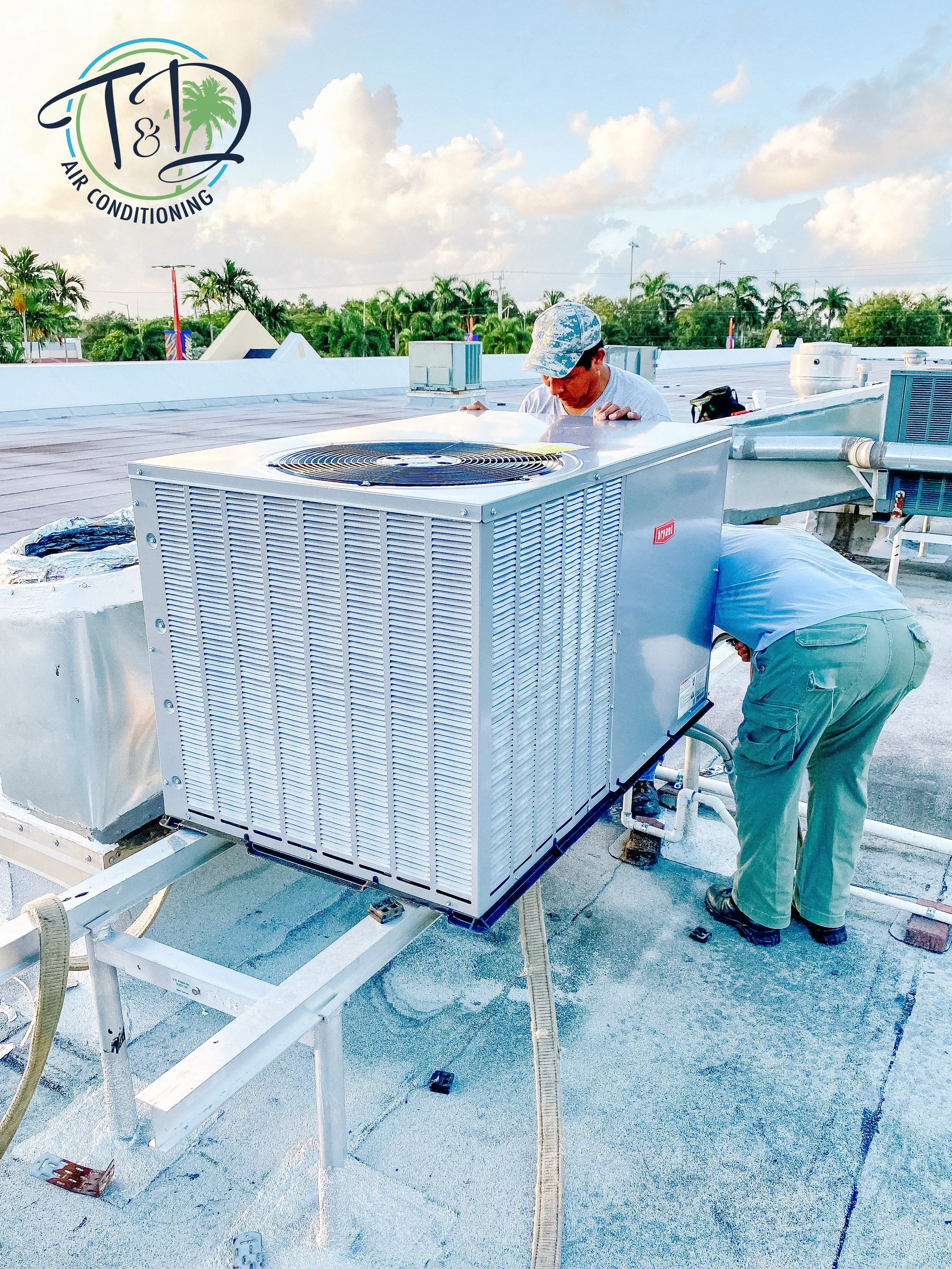
As of 2026, replacements are governed by the latest SEER2 (Seasonal Energy Efficiency Ratio) standards. In the Southeastern United States, the Department of Energy requires higher minimum efficiency ratings than in the North. Professional installation services now focus on "load calculations" (Manual J) to ensure the new unit is perfectly sized for the specific square footage, insulation quality, and window orientation of the Fort Lauderdale property.
Technical Specifications and 2026 Standards
The HVAC landscape has shifted significantly by 2026, particularly regarding refrigerant types and efficiency requirements. Understanding these technicalities helps consumers make informed decisions during service calls.
| Service Feature | Maintenance (Tune-Up) | Emergency Repair | Full System Replacement |
|---|---|---|---|
| Typical Frequency | Every 6 Months | As Needed | Every 10–15 Years |
| Primary Goal | Efficiency & Longevity | Restoration of Function | Modernization & Savings |
| Average Time | 1.5 – 2 Hours | 2 – 4 Hours | 1 – 2 Days |
| Key Components | Filters, Coils, Drains | Capacitors, Motors, Valves | Air Handler, Condenser, Ducting |
| 2026 Cost Est. | $150 – $250 | $300 – $1,200+ | $6,500 – $13,000+ |
The Transition to A2L Refrigerants
By 2026, the industry has largely transitioned away from R-410A toward mildly flammable A2L refrigerants. While these are safer for the environment, they require specialized tools and sensors during service. Technicians must be trained in the specific handling procedures for these gases to ensure safety and compliance with EPA Section 608 regulations. When receiving a service quote, ensure the technician is certified to handle the specific refrigerant used in your modern system.
SEER2 and Energy Savings
Fort Lauderdale residents benefit significantly from high SEER2 ratings. A jump from an old 10 SEER unit to a modern 18 SEER2 variable-speed system can reduce monthly cooling costs by as much as 40%. Variable-speed compressors are particularly effective in South Florida because they can run at lower speeds for longer periods, providing superior dehumidification compared to traditional "on/off" systems.
Regulatory and Permitting Requirements in Fort Lauderdale
HVAC work in Fort Lauderdale is not merely a mechanical task; it is a regulated activity overseen by the Florida Department of Business and Professional Regulation (DBPR) and local municipal building departments.
Licensing Requirements
All AC service companies operating in Fort Lauderdale must hold a valid state-certified or state-registered mechanical contractor license. This ensures the contractor carries the necessary workers' compensation and liability insurance. Hiring unlicensed "handymen" for AC work is illegal in Florida and can void manufacturer warranties and homeowner insurance claims.
The Permitting Process
In Broward County, a permit is required for any "change-out" of an HVAC system. This process involves:
- Submission of Engineering Plans: Detailing the equipment's AHRI (Air-Conditioning, Heating, and Refrigeration Institute) certificate.
- Energy Calculations: Proving the system meets state energy codes.
- Final Inspection: A city inspector must verify the electrical connections, the "hurricane strapping" of the outdoor unit, and the proper sealing of the indoor air handler to prevent air leakage.
Failure to obtain a permit can result in fines and complications during the sale of a property, as unpermitted work must be disclosed or rectified during the inspection phase.
Common Signs Your Fort Lauderdale AC Needs Service
Recognizing early warning signs can prevent a minor issue from escalating into a total system failure during a July heatwave.
- Short Cycling: The unit turns on and off every few minutes. This is often caused by an oversized system, a clogged filter, or a failing thermostat.
- Warm Air Flow: If the air coming from the vents is not significantly cooler than the room temperature, the system may have a refrigerant leak or a failed compressor.
- Spiking Utility Bills: A sudden increase in electricity consumption without a change in usage habits usually indicates that the system is working harder to overcome a mechanical deficiency, such as dirty coils or a failing motor.
- Strange Odors: A "musty" smell often points to biological growth in the evaporator coil or ductwork, while a "burning" smell suggests an electrical component is overheating.
- Water Leakage: In Fort Lauderdale's humidity, ACs produce gallons of condensation. If the drain line clogs, water will back up into the house. Modern systems are required to have "float switches" that shut the system down if water is detected in the emergency pan.
Selecting a Qualified Service Provider
The abundance of HVAC companies in Fort Lauderdale makes selection difficult. To ensure high-quality service, follow these verification steps:
- Verify the License: Use the Florida DBPR portal to confirm the contractor's license is active and free of disciplinary actions.
- Check for NATE Certification: North American Technician Excellence (NATE) is the industry's gold standard for technician testing. A NATE-certified technician has demonstrated a high level of competency in specific HVAC disciplines.
- Request a Detailed Estimate: A reputable service provider will provide a written quote that breaks down labor, parts, and any permit fees. Avoid contractors who give "ballpark" prices over the phone without seeing the system.
- Inquire About Warranties: Standard service should come with at least a 30-to-90-day labor warranty. New installations should have a 10-year parts warranty, provided the system is registered with the manufacturer.
Frequently Asked Questions
How often should I change my AC filters in Fort Lauderdale?
In the Fort Lauderdale environment, filters should be checked monthly and replaced every 30 to 90 days, depending on the filter type and whether there are pets or smokers in the home. High-efficiency pleated filters are recommended to catch the fine dust and allergens common in South Florida, but ensure they do not overly restrict airflow, which can damage the blower motor.
Why is my AC freezing up in the middle of a hot summer day?
An AC unit "freezing" (developing ice on the evaporator coil) is usually caused by restricted airflow or low refrigerant. In Fort Lauderdale, the most common culprits are extremely dirty air filters or a leak in the evaporator coil. When the airflow is blocked or refrigerant is low, the coil temperature drops below freezing, causing the humidity in the air to turn into ice.
Is duct cleaning necessary as part of my AC service?
While not required for every service visit, duct cleaning is recommended every 3 to 5 years in Fort Lauderdale, especially if the home has undergone renovation or if occupants suffer from severe allergies. Because of the high humidity, dust in the ducts can become damp, providing a breeding ground for mold. A professional inspection using a snake camera can determine if cleaning is necessary.
What is the average lifespan of an AC unit in Fort Lauderdale?
Due to the heat, humidity, and salt air, the average lifespan of an AC unit in Fort Lauderdale is approximately 10 to 12 years. This is slightly lower than the national average of 15 years. Units located directly on the beachfront may see even shorter lifespans unless they are specifically treated with marine-grade coatings and maintained meticulously.
Should I repair or replace my 10-year-old AC unit?
The "5,000 Rule" is a helpful guide: multiply the age of the unit by the cost of the repair. If the result exceeds $5,000, replacement is generally the more economical choice. For a 10-year-old unit, any repair exceeding $500 (10 x 500 = 5,000) warrants a discussion about replacement, especially considering the higher efficiency and better warranties of 2026 models.
Practical Recommendation for Fort Lauderdale Residents
To maximize the performance and longevity of your cooling system, the most effective strategy is to enroll in a bi-annual maintenance agreement. These programs typically include two precision tune-ups per year, priority scheduling during peak summer months, and discounts on parts. In the specific context of Fort Lauderdale, ensure your service plan includes a thorough cleaning of the outdoor condenser coils to mitigate salt-air damage. If your system is more than 10 years old, start budgeting for a replacement that utilizes the latest SEER2 efficiency standards and A2L refrigerants to ensure your home remains a sanctuary against the Florida heat.