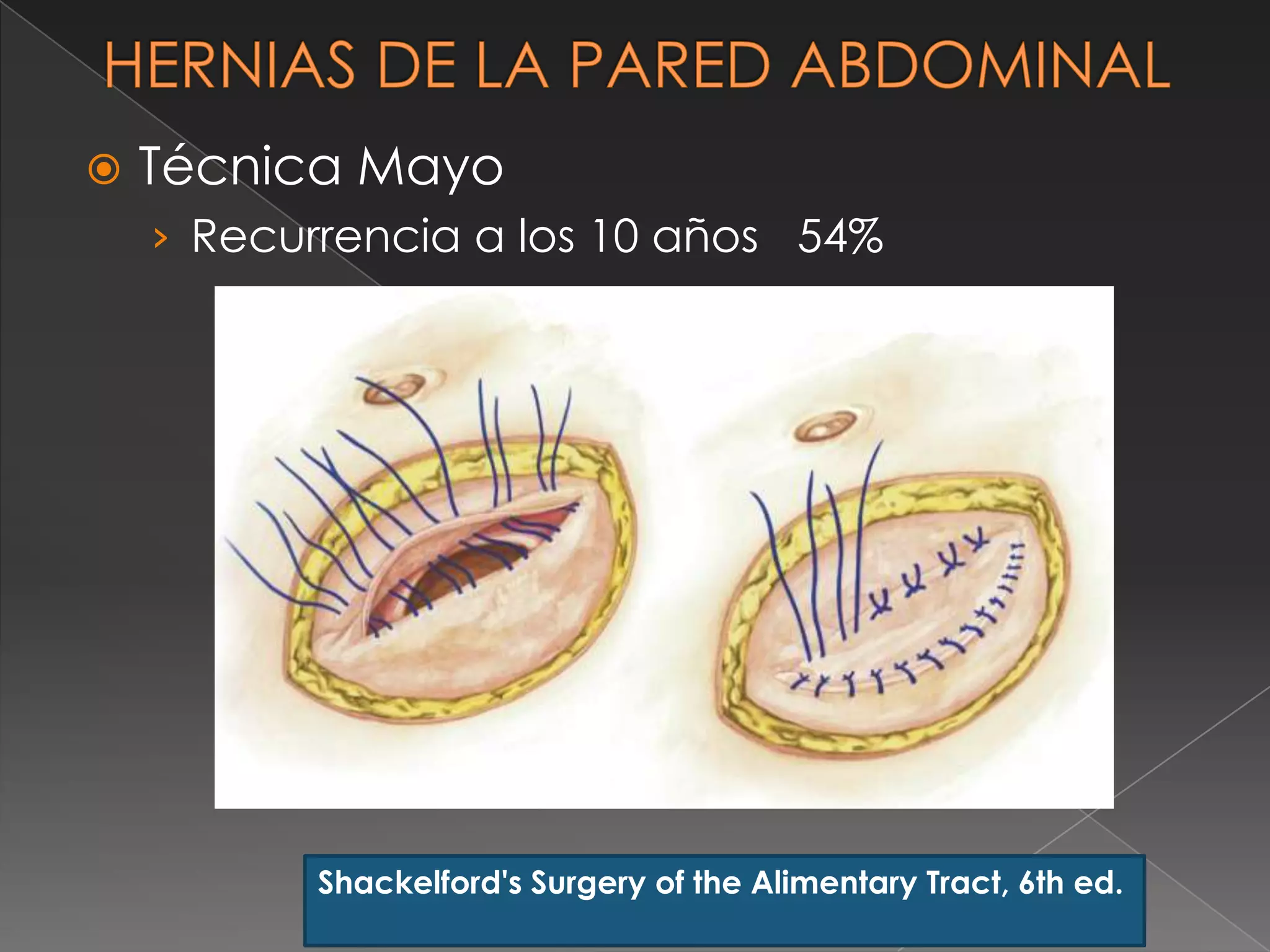
Abdominal hernia malpractice occurs when a healthcare provider fails to meet the accepted standard of care during the diagnosis, surgical repair, or postoperative management of a hernia, resulting in preventable patient harm. Patients who suspect they have been harmed must distinguish between known surgical complications—which are inherent risks—and instances of clinical negligence.
Defining Medical Malpractice in Hernia Surgery
Medical malpractice is a legal concept, not a medical one. It occurs when a physician or surgical team deviates from the "standard of care." The standard of care is defined as what a reasonably competent physician in the same field, faced with similar circumstances, would have done.
In the context of abdominal hernias—whether inguinal, umbilical, incisional, or femoral—malpractice claims usually arise from specific points of failure. These include failure to diagnose an incarcerated or strangulated hernia in a timely manner, which can lead to tissue necrosis; surgical errors, such as accidental injury to the bowel, bladder, or nerves during mesh placement; or the failure to monitor a patient correctly during the critical window immediately following a procedure.
It is important to understand that not every negative outcome constitutes malpractice. Surgery inherently carries risks, including infection, recurrence of the hernia, and chronic pain. For a case to qualify as malpractice, the plaintiff must prove that the surgeon's error was the direct cause of the injury and that this injury resulted in significant damages, such as additional surgeries, permanent disability, or exorbitant medical costs.
Common Areas of Potential Clinical Negligence
Identifying potential malpractice requires looking at the technical phases of treatment. Each phase has specific criteria for clinical excellence.
1. Diagnostic Negligence
Many hernia malpractice claims stem from the initial diagnostic phase. If a patient presents with symptoms of an incarcerated hernia—such as severe abdominal pain, nausea, vomiting, and a tender, non-reducible bulge—the physician has a duty to act with urgency. Failure to order appropriate imaging (such as ultrasound or CT scans) or to recognize the clinical signs of strangulation can result in bowel ischemia. If a physician dismisses these clear clinical indicators and the patient suffers long-term complications as a result, a claim for diagnostic negligence may be considered.
2. Surgical Errors
Surgical error is perhaps the most common source of litigation. During hernia repair, surgeons must navigate complex anatomy, including the femoral canal and various nerve pathways. Specific errors include:
- Iatrogenic Injury: Accidental perforation of the small or large intestine during laparoscopic trocar insertion or mesh fixation.
- Nerve Entrapment: If a surgeon sutures the mesh or closes the defect in a way that catches the ilioinguinal or genitofemoral nerves, the patient may suffer from severe, chronic post-surgical pain.
- Improper Mesh Placement: If the mesh is improperly sized or anchored, it can migrate, causing organ erosion or recurring herniation.
3. Postoperative Failure to Monitor
The duty of care does not end when the patient leaves the operating room. Post-surgery, the patient must be monitored for signs of complications such as internal bleeding, hematoma, or infection. If hospital staff or the surgical team ignores warning signs of sepsis or postoperative obstruction, and this negligence leads to a worsened condition, the institution or individual provider may be held liable.
The Threshold for Legal Action: Establishing Causation
To pursue a legal remedy in 2026, claimants must navigate the "four Ds" of malpractice: Duty, Dereliction, Direct Causation, and Damages.
- Duty: You must establish that a physician-patient relationship existed.
- Dereliction: You must provide evidence that the provider failed to meet the standard of care. This usually requires expert testimony from another surgeon who can state that a competent professional would have acted differently under the same circumstances.
- Direct Causation: You must prove that the injury was caused by the doctor’s error, not by the progression of the underlying hernia disease or a pre-existing condition.
- Damages: You must demonstrate specific harm. This could include quantifiable medical expenses, lost wages from an inability to work, or non-economic damages like "pain and suffering," though the availability and caps on these vary significantly by jurisdiction.
Comparison of Known Surgical Risks vs. Malpractice
Patients often confuse the inherent risks of surgery with malpractice. It is essential to understand the difference to assess the viability of a claim.
| Incident Type | Description | Classification |
|---|---|---|
| Mesh Infection | A recognized risk of any surgery involving synthetic materials; happens even with proper technique. | Complication |
| Bowel Perforation | Caused by a trocar sliding too far during a laparoscopic procedure due to provider lack of care. | Potential Malpractice |
| Recurrence | The hernia returns despite a technically perfect surgery due to tissue weakness. | Natural Outcome |
| Nerve Damage | Permanent injury resulting from a surgeon misidentifying anatomy and suturing through a nerve. | Potential Malpractice |
| Hematoma | Minor bleeding at the incision site that resolves with time. | Postoperative Complication |
The Role of Informed Consent
Informed consent is a cornerstone of the physician-patient relationship. Before surgery, the surgeon is required to explain the procedure, the risks, the alternatives, and the likelihood of success. If a surgeon performs a procedure that the patient did not consent to, or if the surgeon failed to disclose significant risks—such as the risk of chronic pain from mesh placement—the patient may have a claim based on a lack of informed consent, even if the surgery itself was performed without technical error.
In 2026, documentation of this process is more rigorous than ever. Patients should review their pre-operative paperwork to see what risks were disclosed. If a major, common complication occurred that was not mentioned in the consent forms, this documentation may serve as evidence in a legal proceeding.
Investigating a Potential Case: Next Steps
If you believe you have been a victim of abdominal hernia malpractice, the path toward resolution requires objective verification.
- Secure Medical Records: Request your complete medical records from the hospital, including surgical notes, anesthesia logs, and post-operative nursing reports.
- Consult an Independent Expert: An attorney specializing in medical malpractice will typically hire an independent surgeon to review your files. This expert will determine if the "standard of care" was breached.
- Understand Jurisdictional Limitations: Every state or country has a "statute of limitations"—a strict deadline by which a lawsuit must be filed. If you miss this deadline, your right to sue is generally extinguished, regardless of how strong your evidence is.
- Professional Advice: Consult with a medical malpractice attorney who has experience specifically with surgical error litigation. Most offer free consultations to evaluate whether the facts meet the threshold for a viable claim.
Frequently Asked Questions
What is the difference between a hernia recurrence and malpractice? A recurrence is often the result of the patient’s own tissue weakness, smoking habits, or obesity, rather than the surgeon's performance. Malpractice is only applicable if the recurrence was caused by a technical mistake, such as failing to properly anchor the mesh to the abdominal wall.
How do I prove a surgeon was negligent during a laparoscopic hernia repair? Proving negligence in laparoscopy often involves reviewing video footage of the surgery, if available, or analyzing the surgical report against standard protocols. Expert testimony is required to interpret whether the maneuvers performed deviated from standard surgical practice.
What are the most common damages awarded in hernia malpractice cases? Damages may include the cost of corrective surgeries, the cost of ongoing pain management, lost income, and compensation for pain and suffering. The total amount depends heavily on the severity of the injury and the specific laws of the state where the surgery occurred.
Can I sue if the mesh used in my hernia surgery was defective? Yes, but this falls under "product liability" rather than traditional medical malpractice. If the mesh itself was inherently faulty or dangerously designed, your attorney may pursue the manufacturer. If the surgeon installed it incorrectly, it remains a malpractice issue.
How long do I have to file a malpractice claim? This is governed by the statute of limitations in your jurisdiction. While some states offer extensions if an injury was not "discovered" until years later (the discovery rule), others have strict caps based on the date of the surgery. Consult with legal counsel immediately to determine your deadline.
Final Recommendation
If you suspect you have experienced abdominal hernia malpractice, do not rely on your own assessment of the medical outcome. The technical complexity of hernia repair, especially regarding mesh fixation and nerve anatomy, requires a clinical expert to review your records. Begin by gathering your complete surgical and hospital records, and contact a qualified medical malpractice attorney to determine if your case meets the threshold for legal action. Prioritize health by seeking a second opinion from a board-certified general surgeon to address any ongoing issues caused by the initial procedure.