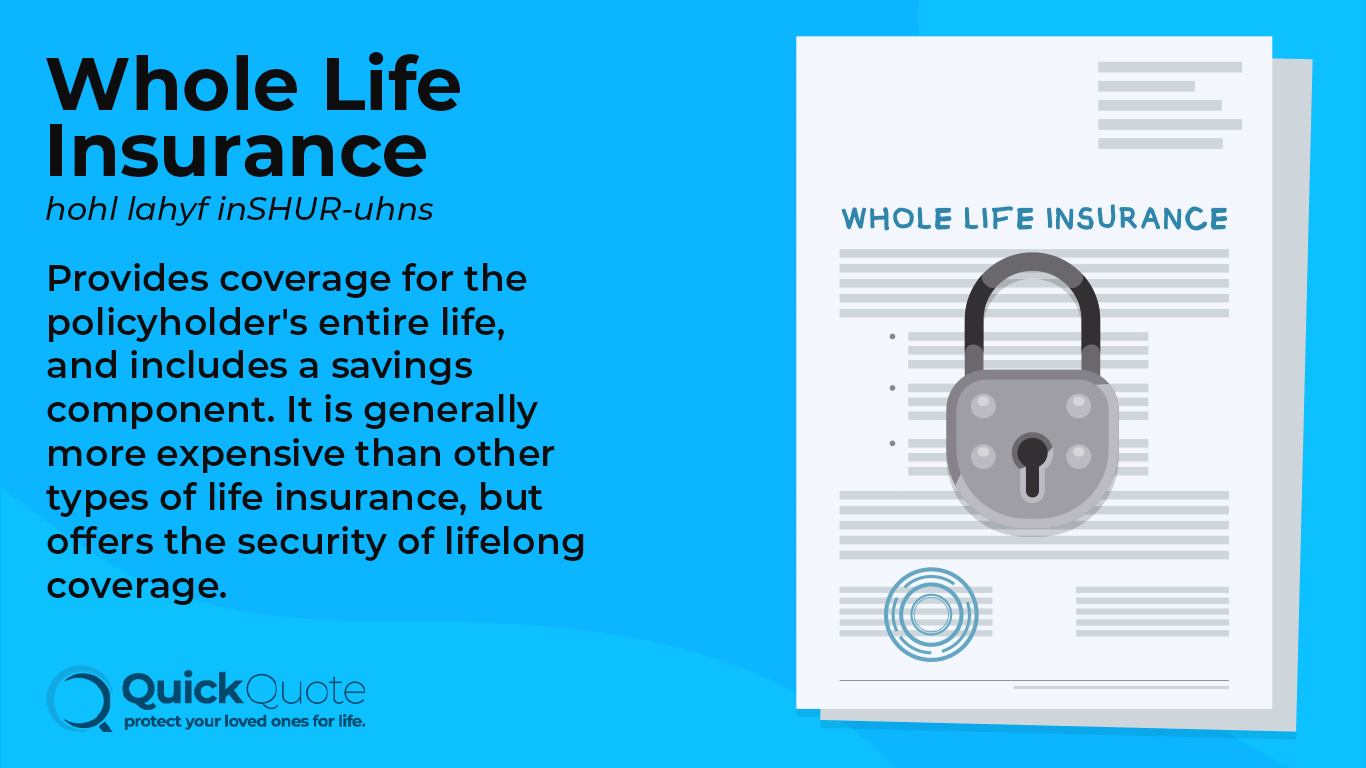
AARP’s Guaranteed Acceptance Life Insurance, underwritten by New York Life, is a permanent whole life policy designed for seniors who cannot qualify for traditional coverage due to health issues. While it offers the security of no medical exams or health questions, it features higher premiums and a two-year graded death benefit, making it a specialized "last resort" financial tool.
Understanding the Scope of AARP Guaranteed Acceptance Life Insurance
The AARP Life Insurance Program, exclusively for AARP members, is one of the most recognized names in the senior insurance market. In 2026, the program remains a partnership with the New York Life Insurance Company, one of the oldest and most financially stable insurers in the United States. Within their portfolio, the "Guaranteed Acceptance" product is a specific type of permanent life insurance known as guaranteed issue whole life.
The primary purpose of this policy is to provide "final expense" or "burial" coverage. It is not intended to replace a lifetime of income or pay off a large mortgage. Instead, it is designed to ensure that when a policyholder passes away, their family has immediate access to funds to cover funeral costs, small outstanding debts, or medical bills. Because the insurer agrees to cover anyone regardless of their health status, the underwriting process is non-existent, but the trade-offs include lower coverage limits and a "waiting period" for full benefits.
Eligibility Requirements and Enrollment
To qualify for this specific policy in 2026, there are three primary prerequisites that must be met. Unlike simplified issue or fully underwritten policies, your medical history is not one of them.
AARP Membership
You must be an active member of AARP to apply. If you are not currently a member, you can typically join during the insurance application process. The membership fee is a separate cost from the insurance premium but is required to maintain the policy's group-rate eligibility.
Age Restrictions
The policy is generally available to AARP members between the ages of 50 and 80. It is important to note that the spouse of an AARP member can also apply if they fall within the age range of 45 to 80. In certain states, such as New York, the maximum entry age may be lower (often 75) due to state-specific insurance regulations.
State Availability
While the program is available in most U.S. states, specific terms, maximum coverage amounts, and even the availability of the "guaranteed" version can vary. Residents of Washington state and New York often face different premium structures or disclosure requirements.
The Two-Year Graded Death Benefit Explained
The most critical feature of any AARP guaranteed acceptance review is the explanation of the graded death benefit. Because New York Life does not ask about your health, they face a high risk of insuring individuals with terminal illnesses. To protect the insurance pool, they implement a 24-month waiting period.
If the insured individual dies from natural causes (such as illness or old age) within the first two years of the policy, the beneficiary will not receive the full face value of the policy. Instead, they will receive a refund of all premiums paid to date, plus a specific percentage of interest (usually 10%).
However, if death occurs due to an accident during this two-year window, the full death benefit is typically paid out immediately. Once the policy has been active for a full 24 months, the full death benefit is available for any cause of death. Understanding this "cliff" is essential; if you are in relatively good health, you might be better served by a "Simplified Issue" policy that provides full coverage from day one.
Coverage Limits and Cost Considerations
In 2026, the maximum coverage amount for AARP Guaranteed Acceptance remains relatively modest, usually topping out at $25,000. Some applicants may find they are only eligible for lower amounts, such as $10,000 or $15,000, depending on their age at the time of application.
Premium Structure
Premiums for this policy are "level," meaning they are locked in at the age you apply and will never increase as you get older. This provides budget predictability for seniors on a fixed income. However, because the insurer assumes you may have health issues, the cost per $1,000 of coverage is significantly higher than a policy that requires a medical exam.
Cash Value Accumulation
As a form of whole life insurance, this policy builds a small amount of cash value over time. After the policy has been in force for a few years, you may be able to borrow against this value or receive it if you choose to cancel the policy. However, the primary intent is the death benefit, and the cash value grows slowly compared to other investment-focused life insurance products.
Comparison: AARP vs. Traditional Life Insurance Options
To help visualize how this policy fits into the broader market, the following table compares AARP's Guaranteed Acceptance with other common options available to seniors in 2026.
| Feature | AARP Guaranteed Acceptance | AARP Simplified Issue Whole Life | Traditional Term Life |
|---|---|---|---|
| Medical Exam | None | None (Health Questions Only) | Required |
| Health Questions | None | Yes | Extensive |
| Waiting Period | 2 Years (Graded) | Immediate Coverage | Immediate Coverage |
| Max Coverage | $25,000 | Usually $50,000 | $100,000+ |
| Cost | Highest | Moderate | Lowest |
| Cash Value | Yes | Yes | No |
| Best For | Serious Health Issues | Minor Health Issues | Healthy Seniors |
Practical Performance: Consumer Reviews and Reputation
Reviews for AARP Life Insurance are generally polarized, often depending on whether the consumer understood the product before buying.
Positive Feedback
Most positive reviews highlight the ease of the application process. The ability to secure a policy in minutes online or over the phone without talking to a doctor is a major draw for the 50+ demographic. Additionally, the brand recognition of AARP and the financial strength of New York Life provide peace of mind. New York Life consistently receives top-tier ratings from AM Best and Standard & Poor’s, indicating a very high likelihood that claims will be paid promptly.
Common Complaints
Negative reviews often center on the price and the waiting period. Some beneficiaries are surprised to find they only receive premiums plus interest when a loved one passes away 18 months into a policy. Other critics point out that for a healthy 50-year-old, the premiums paid over 20 years might eventually exceed the $25,000 death benefit. This is a common mathematical reality of "guaranteed issue" insurance—you are paying for the privilege of skipping the medical exam.
Operational Limitations and "Free Look" Period
Before committing to a policy, it is vital to understand the 30-day "Free Look" period. This is a consumer protection standard that New York Life honors. Once you receive your policy documents in the mail, you have 30 days to review them. If you decide the coverage isn't right for you, or if you find the "graded benefit" clause too restrictive, you can cancel and receive a full refund of any premiums paid.
Another limitation is the AARP membership requirement. While AARP is a valuable resource for many, if you find no value in the membership other than the insurance, you must factor the annual membership dues into your total "cost of ownership" for the insurance policy.
Who Should (and Should Not) Buy This Policy?
The Ideal Candidate
This policy is specifically designed for individuals who have been denied coverage elsewhere. If you have a history of heart disease, recent cancer treatment, or uncontrolled diabetes, you likely won't qualify for underwritten policies. In these cases, AARP Guaranteed Acceptance provides a way to ensure your family isn't burdened by funeral costs.
Who Should Look Elsewhere
If you can answer "No" to a few basic health questions (e.g., you aren't currently hospitalized or in a nursing home), you should first look at Simplified Issue policies. These still require no medical exam but offer immediate full coverage and lower premiums because they exclude the highest-risk applicants. Healthy seniors should almost always opt for a traditional term or whole life policy to get the most "bang for their buck."
Common Mistakes to Avoid
- Buying Too Late: While you can buy up to age 80, the premiums at age 79 for a $25,000 policy are very high. If you know you need final expense coverage, it is more cost-effective to lock in a rate at age 60 than age 75.
- Assuming it's the "Only" AARP Option: Many people click on the first ad they see. AARP offers a "Level Benefit" (Simplified Issue) policy that is cheaper and has no waiting period for those who can pass a basic health questionnaire. Always check if you qualify for that first.
- Replacing an Existing Policy Too Quickly: Never cancel an existing life insurance policy until the new AARP policy is officially in force and you have passed the 30-day review period.
Frequently Asked Questions
Does AARP guaranteed acceptance life insurance require a physical?
No, there is no physical exam and no blood work required. You do not even have to answer questions about your medical history or lifestyle. Acceptance is guaranteed for AARP members within the eligible age range (typically 50-80).
What happens if I stop paying the premiums?
If you stop paying, the policy will eventually lapse. However, because it is a whole life policy, it may have a "grace period" or a small amount of cash value that can be used to keep the policy active for a short time. If the policy lapses completely, you lose the coverage and the premiums you've already paid.
Is the death benefit taxable for my heirs?
Generally, life insurance death benefits are not subject to federal income tax. However, if the death benefit is paid to your estate rather than a named beneficiary, it could be subject to estate taxes if your estate exceeds certain thresholds. It is always best to name a specific person or trust as your beneficiary.
Can I increase my coverage later?
Once a policy is issued, you generally cannot increase the face value of that specific policy. You would need to apply for an additional policy, which would be subject to the premium rates of your current (older) age and would start a new two-year graded benefit period.
How do I file a claim with New York Life?
Beneficiaries can initiate a claim by contacting the AARP Life Insurance Program from New York Life directly via their dedicated claims toll-free number or through their online portal. They will require a certified copy of the death certificate to process the payout.
Final Recommendation
If you are an AARP member in 2026 with significant health challenges that prevent you from obtaining standard life insurance, the AARP Guaranteed Acceptance Life Insurance is a reliable, albeit expensive, safety net. Its greatest strengths are its simplicity and the financial backing of New York Life. However, because of the two-year waiting period and higher-than-average costs, you should only choose this product after confirming that you do not qualify for a simplified issue policy. Before signing, use the 30-day free look period to compare the total premiums you will pay over 10 years against the $10,000–$25,000 benefit to ensure the math aligns with your financial goals.