Respecting the remains of 9/11 victims involves acknowledging the sanctity of the unidentified remains housed at the World Trade Center site, adhering to strict memorial etiquette, and supporting the ongoing forensic efforts to identify the thousands of recovered fragments. As we remain in 2026, the commitment to "Never Forget" requires a combination of behavioral decorum and scientific advocacy.
The events of September 11, 2001, left a profound mark on global history, but for the families of the 2,977 victims, the tragedy remains a deeply personal and ongoing process of mourning and identification. One of the most sensitive aspects of the site’s legacy is the handling of human remains. Thousands of biological fragments recovered from the site remain unidentified, despite decades of forensic advancement. Respecting these remains—and the people they represent—is a responsibility shared by the City of New York, the forensic community, and the millions of visitors who come to the site each year.
To honor these individuals properly, one must look beyond the physical memorial and understand the complex intersection of science, law, and human dignity that governs the site.
1. Acknowledge the Sanctity of the Repository
The unidentified remains of 9/11 victims are not stored in a public exhibit, but in a dedicated World Trade Center (WTC) Repository. This facility is located at the bedrock level of the WTC site, specifically situated between the two footprints of the Twin Towers. It is managed by the New York City Office of Chief Medical Examiner (OCME).
Respecting the remains starts with recognizing that this space is a sacred resting place, even though it resides within the same complex as a museum. The repository is separate from the public museum areas. It is designed to provide a climate-controlled, professional environment where remains are kept in individual units. Only family members and authorized OCME staff are permitted entry into the Reflection Room adjacent to the repository. By acknowledging that the site is a cemetery as much as it is a landmark, visitors can maintain the appropriate level of reverence.
2. Support Continued Forensic Identification Efforts
As of 2026, the process of identifying victims is still active. The OCME continues to use Next-Generation Sequencing (NGS) and other advanced DNA technologies to test and re-test remains that were previously too damaged for identification. Respecting the remains means supporting the funding and scientific patience required for this work.
For many families, an official identification provides the closure necessary to hold a private burial. When news of a new identification is released, it should be met with respect for the family's privacy rather than sensationalized curiosity. Supporting the mission of the OCME ensures that every fragment of remains is treated with the hope of eventually being returned to a named individual.
3. Practice Proper Etiquette at the Memorial Parapets
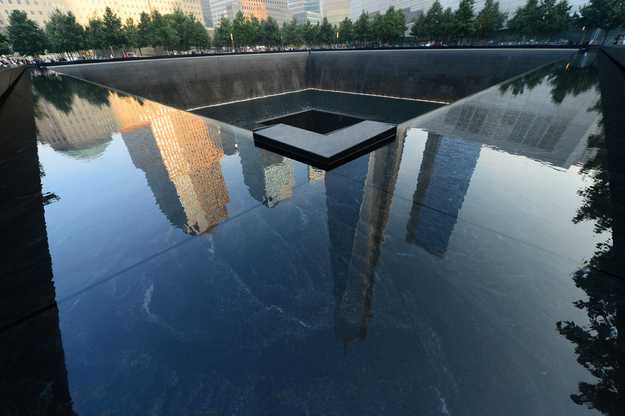
The bronze parapets surrounding the North and South pools of the 9/11 Memorial are inscribed with the names of every victim. These names are not merely a list; they represent the lives lost, many of whom have no known remains other than the fragments stored below.
- Physical Contact: It is entirely appropriate—and even encouraged—to touch the names. Many visitors use paper and charcoal to create "rubbings" of the names. However, one should never lean on, sit on, or place trash on the bronze parapets.
- Tributes: Placing a single flower or a small flag in the crevices of a name is a common sign of respect. The Memorial staff often places a white rose in a victim's name on their birthday.
- Noise Levels: The sound of the falling water is meant to create a "threshold of silence" in the middle of a busy city. Keeping conversations at a low volume is a primary way to show respect for the families who may be visiting their loved ones' names.
4. Understand the Significance of "Meaningful Adjacencies"
When the 9/11 Memorial was designed, the names were not placed alphabetically. Instead, they were arranged through a process called "meaningful adjacencies." This system grouped people based on their relationships: coworkers, flight crews, friends, and family members who died together.
Respecting the remains involves appreciating this layout. For example, the names of the first responders are grouped by their units, while employees of companies like Cantor Fitzgerald or Marsh & McLennan are placed together. Understanding this layout helps visitors recognize that these remains represent a community of people, not just statistics. It encourages a deeper level of empathy for the collective loss suffered by specific organizations and families.
5. Exercise Digital Stewardship and Social Media Decorum
In 2026, the way we document our experiences is almost entirely digital. However, the 9/11 Memorial and Museum is a site of mass casualty. Respecting the victims' remains requires a high level of self-awareness when using smartphones.
- Avoid "Memorial Selfies": Taking smiling selfies or "fashion" photos with the memorial pools or the "No Day Shall Erase You" wall in the background is widely considered disrespectful. The focus should be on the memorial, not the visitor.
- Contextual Posting: If sharing photos, provide context that honors the victims. Avoid using the site as a backdrop for unrelated social media content.
- Flash Photography: Inside the museum, especially near the areas closest to the repository wall, flash photography can be disruptive to those in prayer or reflection.
6. Honor the Virgil Quote and the "No Day Shall Erase You" Wall
Within the 9/11 Memorial Museum, a massive blue mosaic wall features the quote: "No day shall erase you from the memory of time," from Virgil’s Aeneid. This wall stands directly in front of the WTC Repository.
Behind this wall are the unidentified remains. While the public cannot see the remains, the wall serves as a visual barrier and a monument to those who have not yet been named. Respecting this space means treating the area in front of the mosaic with the same quietude one would afford a chapel or a tomb. It is a place for contemplation, where the magnitude of the loss is physically separated from the visitor by only a few feet of concrete and art.
7. Observe the Anniversary with Silence and Service
Every September 11th, the world pauses to remember. Respecting the remains of the victims involves participating in the various moments of silence that mark the timing of the attacks on the North Tower, South Tower, Pentagon, and Flight 93.
Beyond silence, many honor the victims through the September 11 National Day of Service and Remembrance. By participating in community service, you translate the "respect for remains" into "respect for the living," carrying forward the spirit of unity and sacrifice that characterized the immediate aftermath of the attacks. This proactive approach ensures that the memory of the victims remains a catalyst for positive action in 2026 and beyond.
8. Respect the Diverse Wishes of the Families
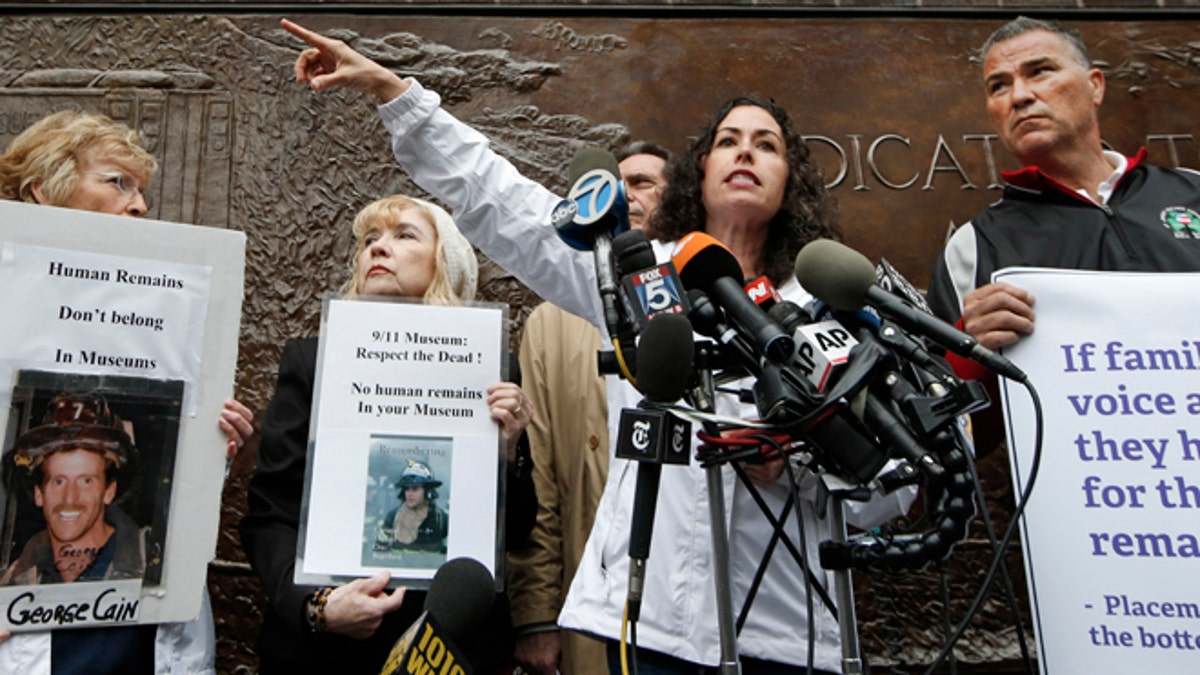
It is important to recognize that not all families agree on the placement of the remains. Some families were satisfied with the remains being returned to the WTC site, while others fought for a separate, above-ground monument.
Respecting the remains involves acknowledging this complexity. It means listening to the voices of organizations like the September 11th Families for Peaceful Tomorrows or the 9/11 Family Steering Committee. Understanding that for some, the site is a place of peace, while for others, it remains a site of political and personal contention, allows for a more nuanced and respectful engagement with the history of the site.
9. Educate the Next Generation
As we move further away from 2001, a significant portion of the population has no living memory of the events. Respecting the remains requires a commitment to accurate education. This means teaching the history of 9/11 not just as a geopolitical event, but as a human tragedy.
By visiting the 9/11 Memorial & Museum and engaging with the oral histories and personal artifacts, we ensure that the "remains" are always associated with "people." Education prevents the victims from becoming anonymous historical figures and keeps their individual identities alive in the public consciousness.
Comparison of Memorial and Repository Management
The following table outlines the different roles and access levels regarding the WTC site and the remains.
| Feature | The 9/11 Memorial Pools | The 9/11 Museum | The WTC Repository |
|---|---|---|---|
| Primary Purpose | Public remembrance and tribute | Education and historical preservation | Professional storage and DNA identification |
| Management | National September 11 Memorial & Museum | National September 11 Memorial & Museum | NYC Office of Chief Medical Examiner (OCME) |
| Public Access | Open to all, 24/7 (typically) | Ticketed entry; open to the public | No public access; private Reflection Room for families |
| Remains Present? | No (Names only) | No (Artifacts and stories) | Yes (Unidentified and un-claimed fragments) |
| Etiquette Focus | Outdoor decorum and noise control | Internal reverence and photo restrictions | Absolute privacy and clinical/forensic dignity |
Frequently Asked Questions
Where exactly are the remains of the 9/11 victims kept? The unidentified remains are housed in a professional repository located at the World Trade Center site, 70 feet below ground. This facility is part of the bedrock of the site and is situated between the footprints of the original Twin Towers. It is a separate, non-public area managed by the New York City Office of Chief Medical Examiner.
Is the public allowed to see the remains? No. The remains are kept in a private repository that is not part of the museum's exhibits. While there is a public-facing wall with a Virgil quote that marks the location, the remains themselves are stored in a clinical setting to maintain their dignity and to allow for ongoing DNA testing. Only the families of the victims and OCME staff have access to a private Reflection Room adjacent to the facility.
Why haven't all the victims been identified yet? The identification process is incredibly difficult due to the nature of the collapse and the subsequent fires at the World Trade Center. Many of the remains recovered were small fragments that suffered extreme heat and environmental damage, which degrades DNA. However, as forensic technology evolves, the OCME is able to extract DNA from samples that were previously untestable.
What should I do if I find a name on the memorial that I want to honor? You can touch the name, take a charcoal rubbing, or leave a small flower. If it is the victim's birthday, you may see a white rose already placed there by the Memorial staff. The most important thing is to maintain a respectful demeanor and allow others nearby the space to grieve or reflect in silence.
Are there remains at the Pentagon or Shanksville memorials? Yes, both the Pentagon and the Flight 93 National Memorial in Shanksville, Pennsylvania, have specific protocols for remains. At the Pentagon, unidentified remains were interred in a single casket at the Arlington National Cemetery. In Shanksville, the remains are buried in a private area of the memorial site that is closed to the general public.
Final Recommendation for Visitors
If you are planning to visit the World Trade Center site in 2026, the most practical way to show respect is to visit the 9/11 Memorial & Museum website in advance to review their current visitor code of conduct. This ensures you are aware of any specific anniversary events or changes in security protocols. When on-site, remember that for many people around you, this is not just a tourist destination, but a graveyard. Your silence and awareness are the greatest tributes you can offer to the remains of those lost.