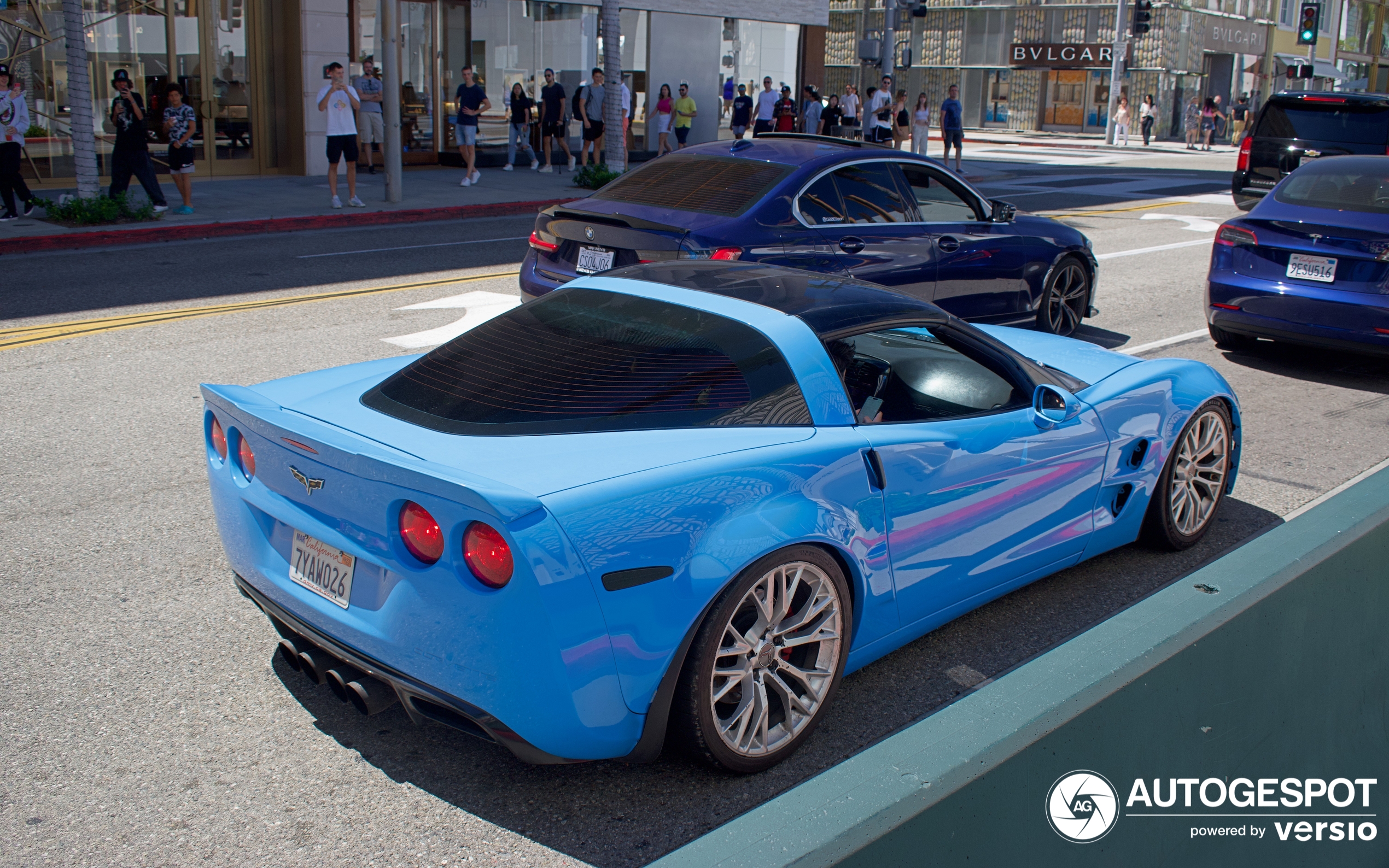
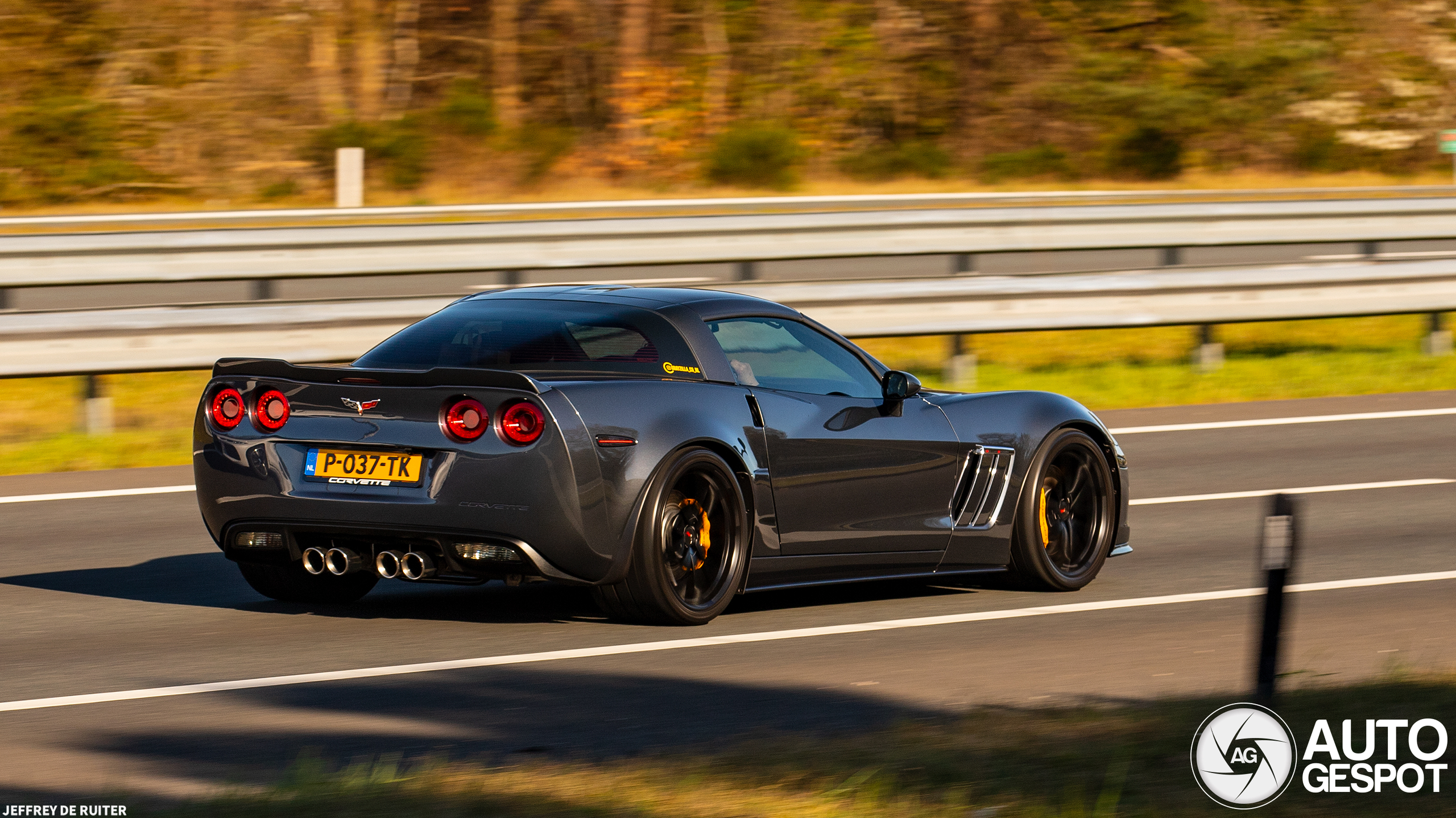
The Chevrolet C6 Corvette Grand Sport, produced between 2010 and 2013, features a 6.2-liter LS3 V8 engine producing a factory-rated 430 horsepower and 424 lb-ft of torque. When equipped with the optional NPP dual-mode exhaust system, these figures increase to 436 horsepower and 428 lb-ft of torque.
The Grand Sport (GS) remains one of the most significant models in the sixth-generation Corvette lineup. Introduced in 2010 to replace the Z51 performance package, it bridged the gap between the base Stingray and the track-focused Z06. By combining the base powertrain with the Z06’s wider body, enhanced cooling, and superior braking systems, the Grand Sport became an instant favorite for enthusiasts who wanted track-ready aesthetics and handling without the high maintenance costs or the "fixed roof" limitations of the 7.0-liter LS7-powered Z06. As we look at these vehicles from the perspective of 2026, their balance of raw power and mechanical simplicity has cemented their status as modern classics in the secondary market.
The Heart of the Grand Sport: The LS3 Engine Architecture
To understand the horsepower of the C6 Grand Sport, one must first understand the LS3 engine. Replacing the LS2 in 2008, the LS3 represented the pinnacle of General Motors' small-block V8 development for the standard Corvette line. It is a 6.2-liter (376 cubic inch) engine utilizing an aluminum block and heads.
The LS3 features a 4.06-inch bore and a 3.62-inch stroke. One of the primary reasons the LS3 was able to produce such consistent power across the rev range was its high-flow cylinder heads. These heads were derived from the L92 engine (used in GM trucks) and were influenced by the racing-spec LS7 heads. They featured large rectangular intake ports and 2.165-inch intake valves, which allowed for significantly better airflow than the previous LS2.
In 2026, the LS3 is still regarded as one of the most reliable and "mod-friendly" engines ever produced. Its 10.7:1 compression ratio allows it to run efficiently on premium pump gas while providing enough "meat" on the internal components to handle aftermarket forced induction. The engine uses a composite intake manifold that is tuned to minimize flow resistance and noise, incorporating a large 90mm electronic throttle body to ensure the engine never gasps for air at high RPMs.
The 436 HP Distinction: The NPP Dual-Mode Exhaust
While the "standard" horsepower rating for the C6 Grand Sport is 430, you will frequently see the figure 436 cited in listings and technical forums. This 6-hp increase is not the result of internal engine changes, but rather a functional exhaust upgrade known by the RPO code NPP.
The NPP Dual-Mode Exhaust system uses vacuum-actuated valves in the tailpipes. Under low-load or low-RPM conditions, the valves remain closed, directing exhaust gases through a more restrictive, quieter path within the mufflers. This ensures the Corvette remains civil during highway cruising and neighborhood driving. However, when the driver applies heavy throttle or the engine crosses a specific RPM threshold (typically around 3,500 RPM), the valves open.
When the valves open, the exhaust bypasses much of the muffler's internal baffling, creating a straight-through path. This reduces backpressure, allowing the engine to "breathe" more freely, which results in the additional 6 horsepower and 4 lb-ft of torque. Beyond the slight performance gain, the NPP system provides the aggressive, raspy V8 growl that many owners felt the base exhaust lacked. In the current 2026 market, Grand Sports equipped with the NPP system (or the later "Bi-Mode" variations) typically command a slight premium due to this desirable factory performance bump.
Manual vs. Automatic: The Hidden Technical Differences
While the horsepower ratings remain the same across transmission types, the internal configuration of the LS3 engine in the C6 Grand Sport varies significantly based on whether the car is a Coupe with a manual transmission or an Automatic/Convertible.
The Hand-Built Dry Sump Engine
The C6 Grand Sport Coupe equipped with the 6-speed manual transmission received a specialized version of the LS3. These engines were hand-assembled at GM’s Performance Build Center (then located in Wixom, Michigan), much like the LS7 and LS9 engines.
The most critical upgrade for the manual Coupe was the integrated dry-sump oiling system. Instead of a traditional oil pan (wet sump), the dry-sump system uses an external reservoir to ensure the engine always has a consistent supply of oil, even during high-lateral-G cornering on a race track. This system increased oil capacity to 10.5 quarts. To accommodate the dry-sump pump, these engines also featured a forged steel crankshaft, whereas the standard LS3 used a nodular iron crank.
The Wet Sump Configuration
Grand Sport Convertibles and all Grand Sports equipped with the 6-speed paddle-shift automatic transmission utilized the standard "wet-sump" LS3. These engines were mass-produced at the Silao, Mexico, engine plant. While they still produced the same 430/436 horsepower, they lacked the forged crankshaft and the specialized oiling system. For the average street driver in 2026, the difference is negligible; however, for track enthusiasts, the manual Coupe remains the "gold standard" for durability.
Performance Metrics and Gearing
Horsepower is only one part of the equation. The C6 Grand Sport’s ability to utilize its 430+ hp was enhanced by its specific gearing. The Grand Sport utilized the Z51-specification gear ratios in its manual transmission (the MZ6), which featured shorter 1st, 2nd, and 3rd gears compared to the base Corvette. This allowed for more aggressive acceleration off the line.
The official performance figures for a stock C6 Grand Sport include:
- 0-60 MPH: Approximately 3.9 to 4.2 seconds (depending on tires and surface).
- Quarter Mile: ~12.3 seconds at 117 mph.
- Top Speed: 190 mph.
- Skidpad Acceleration: 1.0g (lateral).
These numbers were achieved not just through horsepower, but through the massive footprint of the car. The Grand Sport featured Z06-sized tires: 275/35ZR18 in the front and 325/30ZR19 in the rear. This extra rubber provided the traction necessary to put the LS3’s torque to the pavement effectively.
Comparative Horsepower: The C6 Hierarchy
To understand where the Grand Sport fits, it is helpful to compare its output to other models available during its production run (2010–2013).
| Model | Engine | Displacement | Horsepower | Torque |
|---|---|---|---|---|
| C6 Base (2008-13) | LS3 V8 | 6.2L | 430 hp | 424 lb-ft |
| C6 Grand Sport | LS3 V8 | 6.2L | 430-436 hp | 424-428 lb-ft |
| C6 Z06 | LS7 V8 | 7.0L | 505 hp | 470 lb-ft |
| C6 ZR1 | LS9 V8 (SC) | 6.2L | 638 hp | 604 lb-ft |
The Grand Sport provided "enough" power for most users while offering the aggressive wide-body look of the Z06. While 436 hp may seem modest compared to the 1,000+ hp electric vehicles appearing in 2026, the power-to-weight ratio of the Grand Sport (weighing roughly 3,300 lbs) ensures it remains faster than the vast majority of modern sports cars.
Maintenance and Reliability in 2026
As these vehicles approach their 15th anniversary, maintaining that factory horsepower requires attention to specific areas. The LS3 is famously robust, but high-mileage examples should be inspected for a few known issues:
- Harmonic Balancer: A common C6 issue where the main crank pulley can develop a wobble. If it fails, it can throw belts and potentially damage the steering rack or crank snout. Replacing this with an aftermarket SFI-rated balancer is a common "preventative" upgrade.
- Valve Spring Health: While the LS3 does not suffer from the "dropped valve" issues common in the LS7, high-RPM usage can eventually fatigue the stock beehive valve springs.
- Oil Seepage: Common areas include the oil pan gasket and the rear main seal. In dry-sump models, ensuring the oil lines to the external reservoir are secure is paramount.
Owners in 2026 often find that a simple "tune-up" including new spark plugs, wires, and a cleaning of the Mass Air Flow (MAF) sensor can restore lost vigor to an aging LS3. Furthermore, the 436 hp rating is often viewed as a "starting point" by enthusiasts. Due to the engine's high airflow capacity, adding long-tube headers and a professional ECU re-tune can easily push a Grand Sport past the 470-hp mark without compromising street drivability.
Aerodynamics and Cooling: Supporting the Power
Horsepower is useless if the car overheats or loses stability at speed. The C6 Grand Sport featured several functional aerodynamic and cooling upgrades to support its 436 hp output:
- Z06 Braking System: To stop the car, GM fitted the Grand Sport with 14-inch front rotors with 6-piston calipers and 13.4-inch rear rotors with 4-piston calipers. This braking force was essential for high-speed track sessions.
- Functional Cooling Ducts: The front fascia includes large inlets that direct air to the front brakes, and the "gills" behind the front wheels help extract hot air from the engine bay. The rear fenders also feature functional scoops to cool the rear brakes.
- Oil and Transmission Coolers: All Grand Sports came equipped with external oil coolers. Manual models also featured a transmission cooler, which was vital for maintaining consistent performance during extended spirited driving.
These additions made the Grand Sport heavier than the base Corvette (by about 100 lbs), but the trade-off in thermal management and braking consistency made it a much more capable performance machine.
Frequently Asked Questions
Does the Grand Sport have the same engine as the Z06?
No. The C6 Grand Sport uses the 6.2L LS3 V8 (430-436 hp). The C6 Z06 uses the 7.0L LS7 V8 (505 hp). While the Grand Sport shares the Z06's wide-body styling, suspension components, and brakes, the engines are entirely different architectures.
Can I get 436 hp without the NPP exhaust?
Technically, no. The 436 hp rating is specific to the reduced backpressure provided by the NPP dual-mode exhaust system. If a Grand Sport has the standard "quiet" exhaust, it is factory-rated at 430 hp. However, installing an aftermarket exhaust and a tune can easily exceed the factory 436 hp rating.
Is the dry-sump oiling system available on the automatic Grand Sport?
No. The dry-sump system and the hand-built LS3 engine were exclusive to the Grand Sport Coupes with the 6-speed manual transmission. Convertibles and automatics use a standard wet-sump oiling system.
How does the C6 Grand Sport horsepower compare to the C7 Grand Sport?
The C7 Grand Sport (2017–2019) uses the LT1 engine, which produces 460 hp and 465 lb-ft of torque. While the C7 has a 24-hp advantage, the C6 Grand Sport is often preferred by purists for its lighter weight and more traditional port-injected engine design, which is generally simpler to maintain long-term.
What is the most common way to increase a Grand Sport's horsepower?
The most popular "bolt-on" modifications include long-tube headers, a cold air intake, and a custom dyno tune. This combination typically brings the LS3 to approximately 470–480 crank horsepower. For those seeking more, the LS3 handles centrifugal superchargers very well, with "entry-level" kits providing 550 to 600 wheel horsepower.
Summary of Recommendations
If you are evaluating a C6 Grand Sport in 2026, the 430-436 hp output remains the "sweet spot" for a high-performance grand tourer. For the purest driving experience and the highest technical specifications, seek out a Manual Coupe. These units benefit from the hand-built, dry-sump LS3 and the more durable forged crankshaft, making them the most "track-ready" variants.
For those who prioritize top-down cruising or ease of use in traffic, the Automatic or Convertible models still offer the same thrilling 436 hp (when NPP equipped) without the complexities of the dry-sump system. Regardless of the trim, the C6 Grand Sport stands as a testament to the era of the high-displacement, naturally aspirated American V8—a machine that offers a level of visceral engagement that is becoming increasingly rare in the modern automotive landscape.