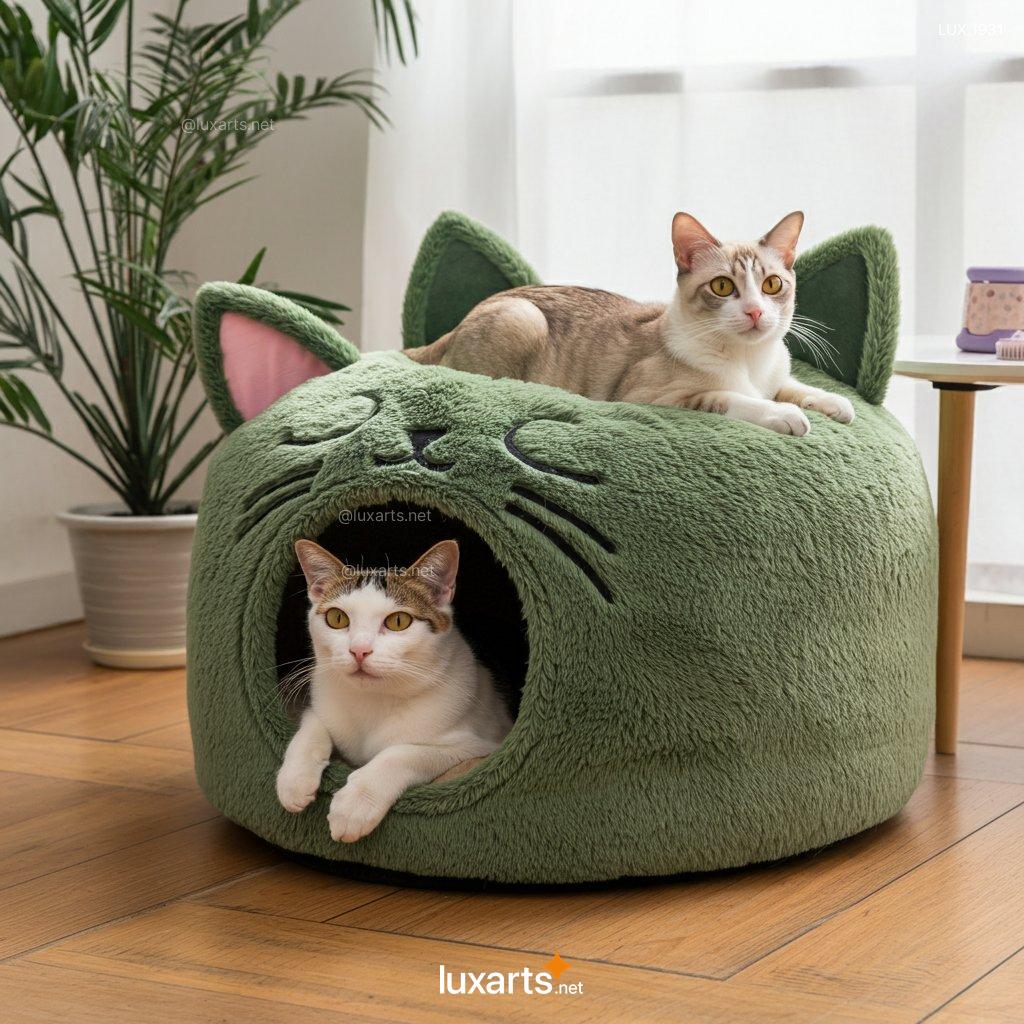
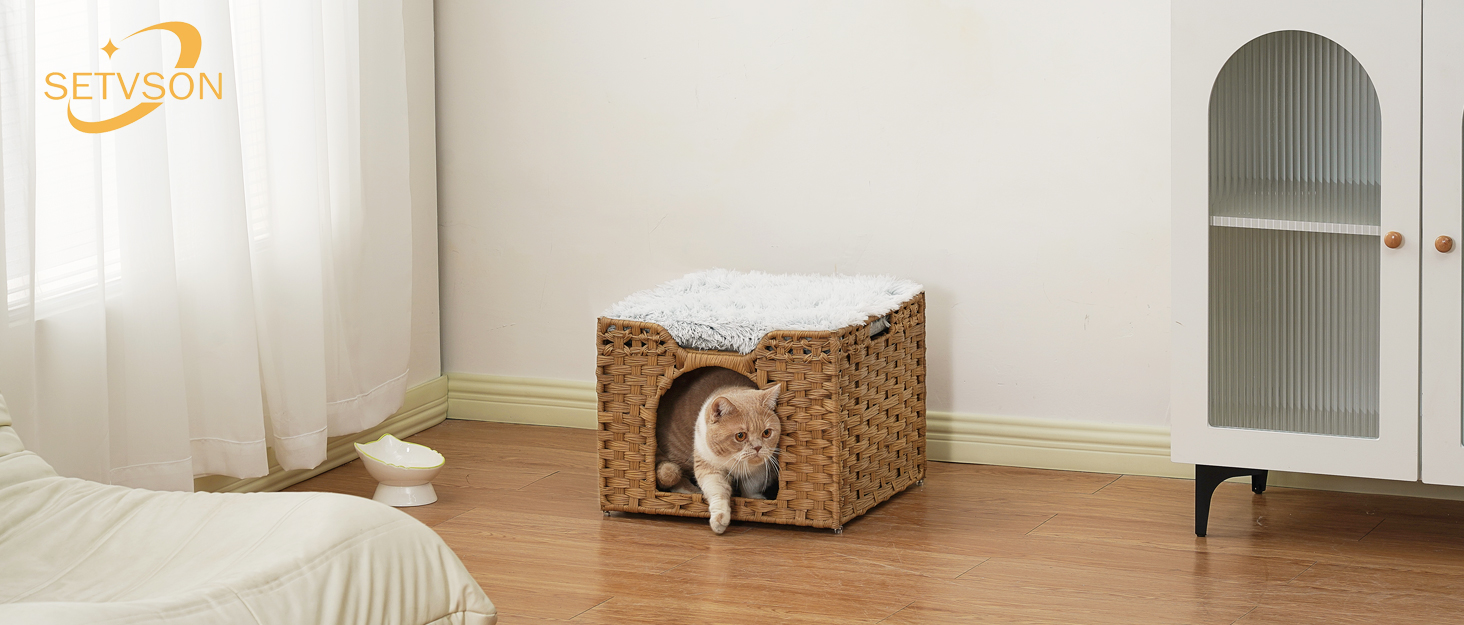
Choosing a cat bed for two cats requires balancing feline social dynamics, spatial preferences, and comfort needs. Whether your cats love cuddling together in a shared pod or strictly demand their own personal space, finding the right sleeping arrangement prevents territorial stress and ensures both pets feel secure, warm, and well-rested throughout the day.
Understanding Feline Social Dynamics and Sleeping Habits
Before purchasing any furniture or bedding for multiple cats, it is essential to observe how your pets interact when they rest. Feline behaviorists generally categorize multi-cat sleeping dynamics into three distinct groups: bonded pairs who sleep intertwined, amicable cats who enjoy sleeping near each other but require their own physical boundaries, and independent cats who actively seek out separate rooms or elevated zones to avoid contact.
Recognizing these behavioral patterns dictates whether you should invest in a single large communal bed, a modular multi-tier cat tree, or multiple distinct resting spots placed strategically around your home. Forcing two cats into a shared bed when they prefer distance can lead to resource guarding, stress, and behavioral issues such as inappropriate elimination or inter-cat aggression. Conversely, providing a plush, oversized cuddle cave for a bonded pair satisfies their instinctual need for warmth and social bonding.
Another critical factor is vertical space versus floor space. Many cats feel significantly safer off the ground, viewing elevated perches as secure vantage points away from perceived household threats. Evaluating your cats’ age, mobility, and health status will further refine your choices; senior cats with arthritis require low-profile orthopaedic beds that are easy to step into, whereas agile kittens may thrive in suspended hammocks and multi-level towers.
Way 1: Evaluate Size and Configuration for Shared vs. Separate Spaces
The most fundamental decision when shopping for a multi-cat household is determining whether you need one large shared bed or a configuration of multiple individual beds. If your cats are a bonded pair that regularly groom and sleep against one another, an oversized round donut bed or a wide rectangular mat can accommodate their shared slumber. However, sizing is critical; a bed that is too small will force the cats into uncomfortable positions, causing them to abandon it entirely.
For cats that tolerate each other but prefer personal boundaries, multi-chambered beds or a set of matching companion beds are ideal. Matching sets placed side-by-side or in separate rooms help reduce resource competition while maintaining a consistent aesthetic in your home. Furthermore, consider the weight and length of your cats when fully stretched out. Measure your cats from nose to base of the tail while they are sleeping, and add at least 3 to 5 inches to ensure adequate clearance.
- Shared Donut Beds: Best for bonded pairs who enjoy physical contact and curling up in enclosed, circular perches.
- Modular Multi-Bed Units: Excellent for cats who want to sleep close to one another while retaining their own distinct physical boundaries.
- Dual-Location Placement: Placing two separate single beds in different areas of the same room prevents bullying and gives each cat an unhindered escape route.
Way 2: Prioritize Material Durability, Washability, and Hygiene
Cats spend an average of 12 to 16 hours a day sleeping, which means their bedding accumulates significant amounts of fur, dander, skin oils, and occasional accidents. When you are housing two cats, the wear-and-tear on a single bed or set of beds doubles. Therefore, material selection and ease of cleaning are paramount for maintaining household hygiene and extending the lifespan of the product.
Look for beds featuring removable, machine-washable covers equipped with heavy-duty zippers. Materials such as high-grade micro-plush, heavy canvas, Oxford fabric, and faux fur offer a balance of comfort and resilience against sharp claws and frequent laundering. Avoid cheap foam interiors that degrade or lose their supportive structure after a single trip through the washing machine. Waterproof or water-resistant liners underneath the outer cover are also invaluable for protecting the core padding from hairballs, vomit, or age-related incontinence.
| Bed Material | Primary Benefit | Maintenance Requirements | Best Suited For |
|---|---|---|---|
| Faux Fur & Fleece | Exceptional warmth and soft texture | Machine wash cold, air dry to preserve fluff | Bonded pairs who love cuddling in cooler rooms |
| Oxford Fabric & Canvas | High durability and scratch resistance | Wipe clean or machine wash; highly resilient | Active cats, kittens, or cats prone to shedding heavily |
| Memory Foam Core | Superior joint support and pressure relief | Removable cover washes easily; spot clean core | Senior cats or breeds prone to hip dysplasia |
| Woven Rattan / Seagrass | Breathable structure and modern aesthetic | Vacuum crevices; wipe with damp cloth | Cats who prefer firm surfaces and cool airflow |
Way 3: Match Bed Design to Temperature Regulation and Climate
Cats are meticulous thermoregulators that constantly seek out optimal ambient temperatures. Their natural body temperature is higher than that of humans—averaging around 101°F to 102.5°F—which explains their affinity for warm spots like sunny windowsills, laptops, and cozy enclosed spaces. When choosing a bed for two cats, consider your home's climate and how well the bed design facilitates seasonal temperature adjustments.
Enclosed cat caves, igloos, and hooded beds trap body heat efficiently, making them exceptional choices for colder climates, hairless breeds, or shorter-coated cats during winter months. Conversely, open mat beds, elevated mesh cots, and woven wicker baskets allow unrestricted airflow, preventing overheating during hot summer months. Some modern cat beds feature reversible cushions with a plush fleece side for winter and a cool canvas or silk-like side for summer, offering year-round versatility without requiring you to purchase multiple separate items.
Way 4: Select Supportive Core Materials for Health and Joint Longevity
The internal stuffing or core material of a cat bed dictates its long-term comfort and orthopedic value. While cheap polyester fiberfill is inexpensive and lightweight, it tends to compress and clump together rapidly under the weight of two resting cats, leaving hard spots against the floor.
For younger, agile cats, high-density poly-foam provides adequate cushioning and bounce. However, if one or both of your cats are aging, overweight, or diagnosed with joint conditions such as feline arthritis, investing in medical-grade memory foam is essential. Memory foam contours to the cat's body shape, distributing weight evenly and relieving pressure points on hips and elbows. Ensuring proper orthopedic support prevents stiffness and encourages restful, restorative sleep, which directly impacts your cats' overall mobility and vitality.
Way 5: Strategic Placement and Environmental Enrichment
Even the most expensive, luxurious cat bed will go unused if it is placed in an unfavorable location. Cats are instinctual prey and predator animals that prioritize safety, low foot-traffic zones, and environmental awareness when selecting a resting site. To ensure your two cats actually use their new bedding, placement strategy must align with their natural behavioral instincts.
Avoid placing cat beds in drafty hallways, loud entryways, or directly next to noisy appliances like washing machines and refrigerators. Instead, position beds in quiet corners, near sunny windows, or on elevated surfaces where the cats can monitor their territory without feeling vulnerable. Furthermore, in a multi-cat household, resource guarding can extend to sleeping areas. Ensure that you never place resting spots in "bottleneck" areas where one cat can trap or block the other, and always provide at least one extra sleeping location beyond the number of cats you own to maintain social harmony.
- Quiet Corner / Elevated Perch
- Cat A Bed (Primary Resting Zone)
- Cat B Bed (Secondary Retreat / Independent Space)
- Buffer Zone: Open Floor Space (Prevents Ambush)
Frequently Asked Questions
Should I buy one large bed for two cats or two separate beds?
The choice depends entirely on your cats' relationship. If they are a bonded pair that actively grooms and sleeps touching each other, one extra-large bed is suitable. If they are amicable or independent, providing two separate beds placed in different zones of the room eliminates resource competition and reduces stress.
How do I stop one cat from stealing the other cat's bed?
Resource guarding is common in multi-cat households. To mitigate this, ensure you provide multiple sleeping options scattered across different vertical and horizontal zones. If one cat consistently bullies the other, separate their feeding, playing, and resting stations entirely to restore a sense of security.
How often should I wash my cats' beds?
You should wash removable cat bed covers every one to two weeks to control dander, fur accumulation, and odors. If your cats shed heavily, suffer from allergies, or have occasional accidents, washing weekly using pet-safe, unscented detergent is recommended.
Are memory foam beds worth the extra cost for cats?
Yes, especially for senior cats, overweight cats, or breeds prone to skeletal issues. Memory foam provides genuine orthopedic support that relieves joint pressure, whereas cheap fiberfill flattens quickly and offers minimal physical relief.
Where is the best place in the house to put a cat bed?
Place cat beds in quiet, low-traffic areas that offer thermal comfort, such as a sunlit corner or an elevated shelf. Avoid drafty hallways, loud appliance rooms, and tight corners where a resting cat could feel cornered by other pets or humans.
Conclusion and Next Action
Choosing the right bed for two cats requires careful observation of their social dynamics, health requirements, and environmental preferences. Begin by assessing whether your cats prefer sleeping together or apart, then select durable, washable materials with appropriate thermal and orthopedic support. Take measurements of your resting pets, map out quiet, safe zones in your home, and implement a multi-bed strategy to ensure both feline companions enjoy peaceful, secure slumber every day.