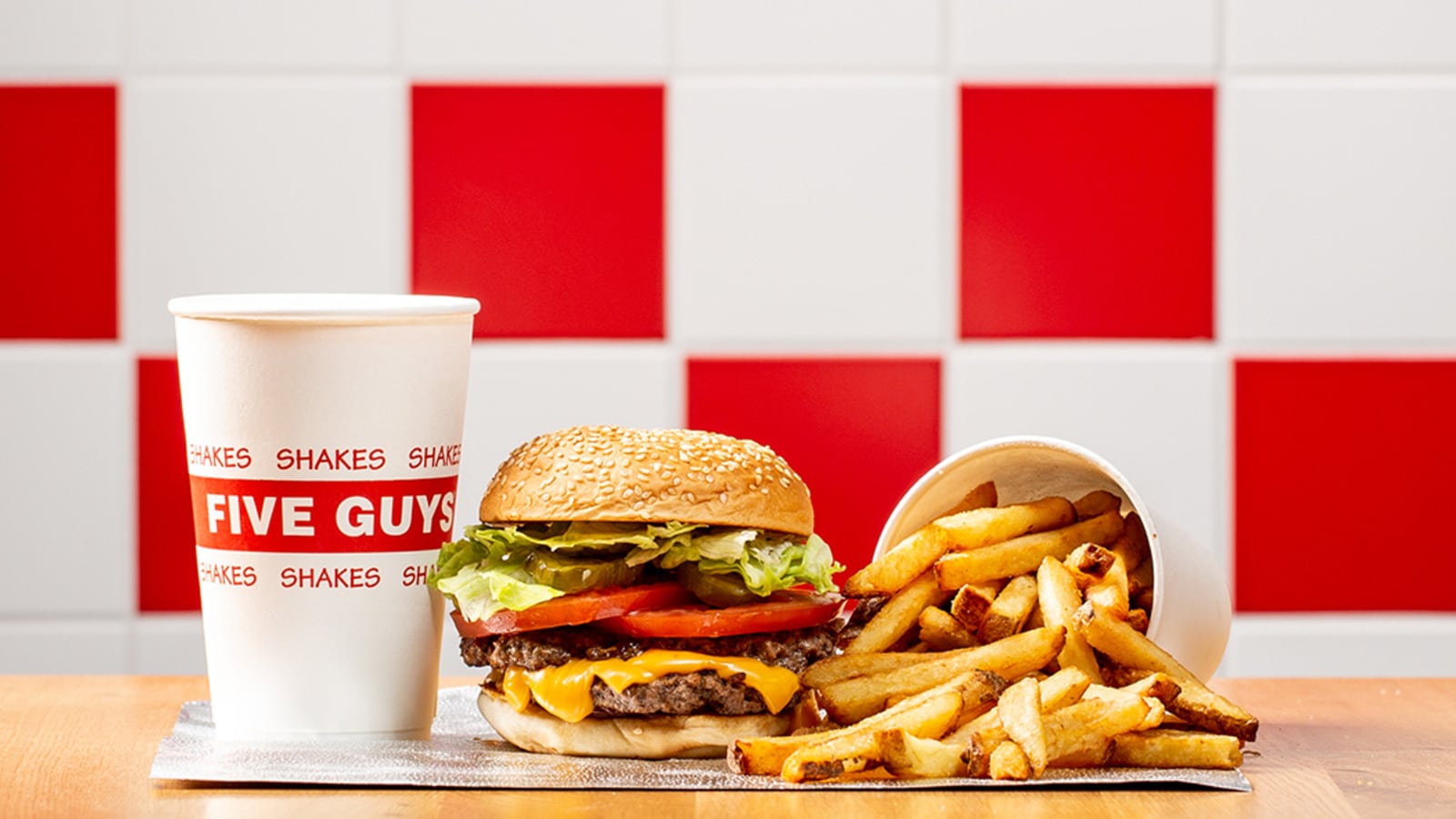
To qualify as a Five Guys franchisee, an individual or investment group must demonstrate a minimum net worth of $500,000 and liquid assets of at least $250,000. These figures represent the baseline entry requirements; however, most successful applicants possess significantly higher capital to cover total investment costs, which typically range from $306,000 to $716,000 per location.
The Five Guys brand has maintained its position as a dominant force in the fast-casual dining sector by adhering to a strict "no freezers, no microwaves" philosophy. For prospective investors in 2026, understanding the financial barrier to entry is only the first step. The brand’s expansion strategy has evolved, shifting focus toward multi-unit development and international markets, which significantly alters the practical financial expectations for new partners.
Understanding the Financial Prerequisites
The distinction between net worth and liquid capital is a critical component of the Five Guys vetting process. While the brand is often cited as having more accessible entry points than competitors like McDonald’s or Burger King, the financial scrutiny during the application phase remains intense.
Net Worth vs. Liquid Assets
For the purposes of a Five Guys application, net worth is defined as the total value of all your assets (cash, real estate, retirement accounts, business interests) minus all your liabilities (mortgages, loans, credit card debt). The $500,000 requirement ensures that the franchisee has a stable financial foundation and enough collateral to secure financing.
Liquid assets, or liquidity, refers specifically to cash or assets that can be converted to cash within 30 days without significant loss of value. The $250,000 liquidity requirement is designed to ensure the franchisee can handle the "soft costs" of opening—such as training, security deposits, and initial inventory—without relying entirely on debt. In the current 2026 economic environment, lenders often prefer seeing liquidity that exceeds the minimum to buffer against fluctuating construction and labor costs.
Multi-Unit Development Agreements
It is important to note that Five Guys rarely grants single-unit franchise agreements in new territories. Most agreements are structured as Multi-Unit Development Agreements, often requiring the franchisee to commit to opening a minimum of five stores within a specific timeframe.
When a multi-unit deal is signed, the financial requirements scale. While the per-store net worth requirement might stay at $500,000, the total capital commitment for a five-store territory effectively demands a much more robust balance sheet to sustain the development schedule.
Detailed Breakdown of Initial Investment Costs
The total investment required to open a Five Guys Burgers and Fries location varies based on geography, the condition of the real estate, and local labor markets. According to the most recent Franchise Disclosure Document (FDD) data available in 2026, the estimated initial investment falls between $306,200 and $716,250.
| Expense Category | Low Estimate | High Estimate |
|---|---|---|
| Initial Franchise Fee | $25,000 | $25,000 |
| Leasehold Improvements | $100,000 | $300,000 |
| Kitchen Equipment & Smallwares | $60,000 | $120,000 |
| Signage | $5,000 | $20,000 |
| Initial Inventory | $10,000 | $15,000 |
| Training Expenses (Travel/Lodging) | $5,000 | $25,000 |
| Insurance (Quarterly/Annual) | $5,000 | $15,000 |
| Professional Fees (Legal/Accounting) | $5,000 | $20,000 |
| Additional Funds (3 Months) | $20,000 | $50,000 |
| Total Estimated Investment | $306,200 | $716,250 |
Leasehold Improvements and Real Estate
Leasehold improvements represent the largest variable in the startup costs. Because Five Guys does not utilize freezers, the kitchen layout is specialized, requiring specific plumbing for potato washing and prep stations. Converting a "cold dark shell" into a functioning Five Guys is significantly more expensive than taking over a "second-generation" restaurant space that already has grease traps and HVAC systems in place.
Equipment and the "Fresh" Model
The equipment cost is notably higher than standard fast-food outlets of similar size because of the focus on freshness. High-capacity fryers and specific refrigeration units for fresh beef are non-negotiable. Furthermore, Five Guys utilizes a very specific brand of peanut oil and high-grade potatoes, requiring dedicated storage space that meets health and safety standards for allergen management (given the presence of open peanut containers).
Recurring Fees and Ongoing Financial Obligations
Beyond the initial net worth and setup costs, a Five Guys franchisee must account for ongoing fees that impact monthly cash flow. These fees are standard within the industry but require diligent management to maintain profitability.
- Royalty Fees: Franchisees pay a recurring royalty fee of 6% to 8% of gross sales. This fee grants the right to use the Five Guys trademark and proprietary operating systems.
- Advertising and Marketing: There is a combined national and local advertising requirement, typically totaling 3% of gross sales. Interestingly, Five Guys historically spends very little on traditional television advertising, instead funneling these funds into their famous "Secret Shopper" program.
- The Secret Shopper Program: This is a unique operational cost. To ensure quality, Five Guys sends anonymous inspectors to every store twice a week. If the store passes, the employees receive a cash bonus. While the corporate office manages the program, the financial health of the franchise depends on maintaining these standards to avoid penalties or loss of the franchise agreement.
Operational and Professional Requirements
While the "5 guys franchisee net worth requirement" focuses on capital, the brand also prioritizes operational experience. Financial strength alone is rarely enough to secure a territory in 2026.
Experience in the Food Industry
Five Guys prefers candidates with significant experience in the restaurant industry, specifically in high-volume, multi-unit management. If an investor has the capital but lacks the experience, the brand often requires them to hire an "Operating Principal" who owns at least 10% equity in the company and has a proven track record in food service operations.
Site Selection and Development
Franchisees are responsible for finding their own sites, which must then be approved by the Five Guys corporate real estate team. This requires a deep understanding of local demographics, foot traffic patterns, and competitors. In 2026, the emphasis is on "A-plus" locations—high-visibility corner spots or premium end-caps in busy shopping centers.
Comparison: Five Guys vs. Industry Competitors
To put the $500,000 net worth requirement into perspective, it is helpful to compare Five Guys with other major players in the burger and fast-casual space.
- McDonald’s: Requires a minimum of $500,000 in liquid assets alone, with total investments often exceeding $2 million.
- Burger King: Requires a net worth of $1.5 million and $500,000 in liquid assets.
- Wendy’s: Requires a net worth of $5 million and liquid assets of $2 million for multi-unit developers.
- Shake Shack: Primarily corporate-owned in the United States, making Five Guys one of the few ways to own a premium "better burger" concept via franchising.
Five Guys sits in a "sweet spot" where the financial requirements are high enough to ensure professional ownership but low enough to remain accessible to successful mid-tier entrepreneurs and small investment groups.
The 2026 Market Outlook: Challenges and Opportunities
As we look at the franchising landscape in 2026, several factors influence the net worth and liquidity requirements for Five Guys.
Supply Chain and Inflation
While the $500k net worth remains the official threshold, the actual cost of building out a restaurant has risen due to fluctuations in raw material prices (steel for kitchens, lumber for interiors). Prospective franchisees should ideally aim for a net worth closer to $1 million to ensure they aren't "under-capitalized" before the doors even open.
The Rise of Ghost Kitchens and Smaller Footprints
Five Guys has experimented with smaller-footprint models and delivery-focused locations. These units may have lower initial investment costs than traditional sit-down restaurants, but the liquid capital requirement remains strict to ensure these units can survive the thin margins associated with third-party delivery fees.
Resale Opportunities
Because many prime U.S. territories are already "sold out," new franchisees in 2026 often enter the system by purchasing existing locations from retiring owners. In these cases, the net worth requirement is still enforced by corporate, and the purchase price of the existing business may far exceed the cost of building a new one, depending on the store’s historical EBITDA (Earnings Before Interest, Taxes, Depreciation, and Amortization).
Frequently Asked Questions
Does Five Guys offer any financing for new franchisees?
Five Guys does not offer direct financing. However, they are listed on the SBA Franchise Registry, which streamlines the process for obtaining Small Business Administration loans. Franchisees typically use a combination of personal equity and commercial bank loans to cover the initial investment.
Can I open just one Five Guys location?
Currently, Five Guys focuses almost exclusively on multi-unit developers. While exceptions exist in specific international or rural markets, most applicants should be prepared to commit to a minimum of five stores. This means your total capital plan should reflect a multi-year rollout strategy.
What is the average profit of a Five Guys franchise?
While Five Guys does not publicly disclose specific profit margins in their FDD (Item 19), industry analysts note that the brand's high average unit volume (AUV)—often exceeding $2 million per store—allows for healthy profitability. However, high labor costs and the expense of fresh ingredients (potatoes and peanut oil) mean that tight operational control is necessary to protect margins.
How long does it take to open after being approved?
The timeline from signing the franchise agreement to the grand opening typically ranges from 6 to 18 months. This includes site selection, lease negotiation, permitting, and a mandatory 6-week training program for the management team.
Is the net worth requirement higher for international franchises?
Yes. International master franchise agreements usually require a significantly higher net worth, often in the tens of millions, as the franchisee is responsible for building out the supply chain and infrastructure for an entire country or region.
Practical Next Steps for Potential Investors
If you meet the $500,000 net worth and $250,000 liquidity requirements, your next steps involve deep-dive due diligence:
- Request the FDD: Contact the Five Guys franchise development department to receive the most recent Franchise Disclosure Document. Review this with a specialized franchise attorney.
- Verify Territory Availability: Check the official Five Guys Franchise Portal to see if your desired region is open for development or if only resale opportunities exist.
- Secure Pre-Approval: Speak with lenders familiar with the fast-casual space to determine your borrowing capacity based on your current financial statement.
- Audit Your Experience: Ensure you have a qualified operator in place if you do not have direct restaurant management experience.
Opening a Five Guys is a high-stakes investment that requires both significant capital and a commitment to operational perfection. In 2026, the brand remains a premium choice for those who have the financial standing to meet its rigorous entry standards.