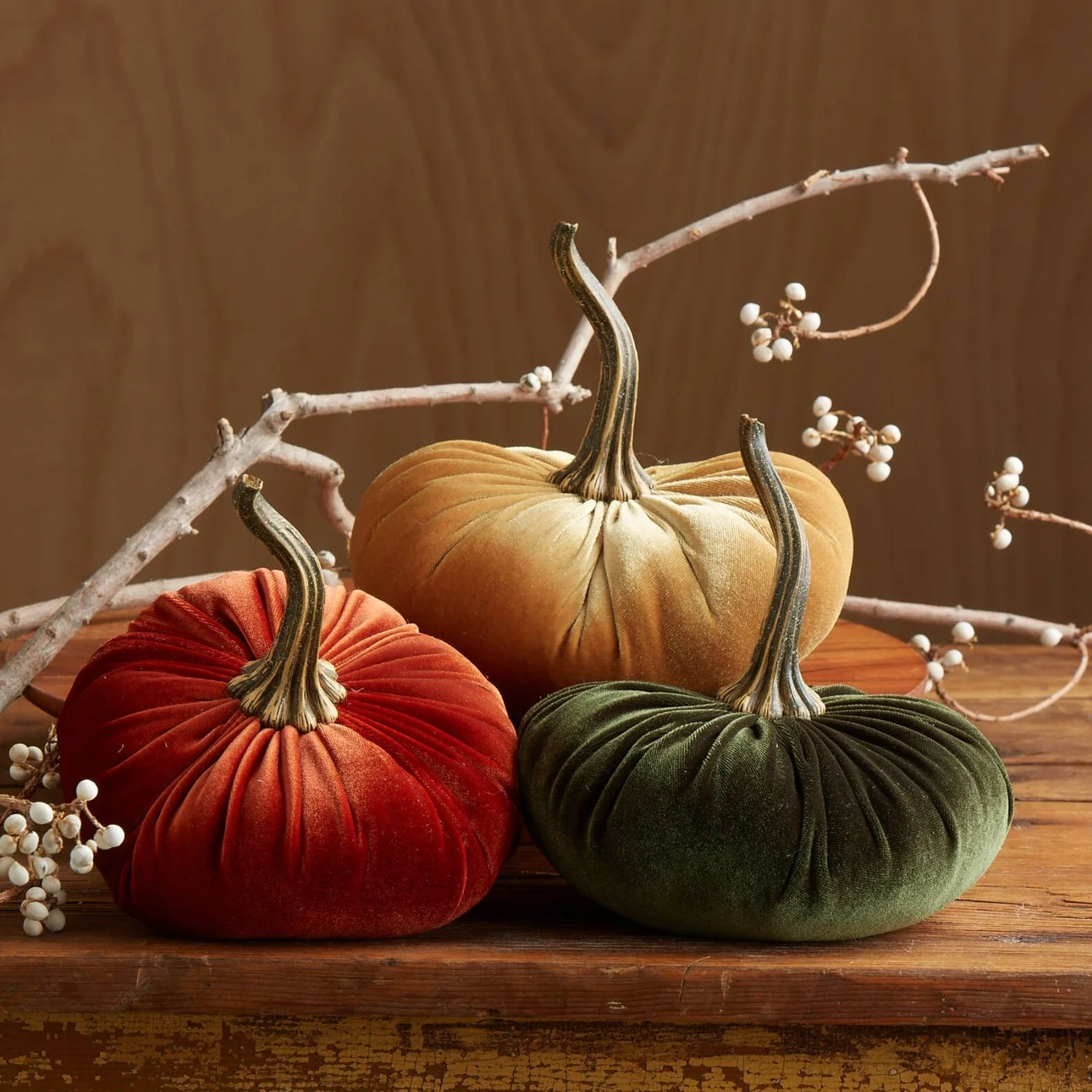
Autumn decor in 2026 has moved beyond the traditional orange jack-o'-lantern, favoring sophisticated textures, sustainable materials, and "quiet luxury" aesthetics. To elevate your home this season, consider monochromatic painted gourds, pressed flower decoupage, succulent-topped planters, velvet-wrapped pumpkins, or intricate architectural etching. These techniques prioritize longevity and style over temporary, spooky themes.
The Evolution of Autumn Aesthetics in 2026
As we embrace the autumn of 2026, the philosophy behind seasonal decorating has undergone a significant transformation. Homeowners and interior designers are increasingly moving away from "fast decor"—disposable, plastic-heavy items—toward more organic, durable, and thoughtfully crafted centerpieces. The pumpkin remains the undisputed icon of the season, but its presentation has shifted from the porch to the dining room, the home office, and even the minimalist bedroom.
The current trend leans heavily into the "biophilic" design movement, which seeks to connect indoor spaces with the natural world. This means that instead of bright, artificial oranges, we are seeing a surge in heirloom varieties like the ghost-white 'Lumina', the slate-blue 'Jarrahdale', and the deeply ribbed, terracotta-colored 'Musquee de Provence'. These natural variations provide a sophisticated base for the creative ideas detailed below.
Before starting any pumpkin project, it is essential to consider the lifespan of your materials. While a carved pumpkin typically lasts five to seven days before succumbing to oxidation and mold, many of the "cool" ideas popular in 2026 focus on no-carve techniques. These methods allow the pumpkin to remain intact, often lasting for the entire duration of the autumn season if kept in a cool, dry environment.
1. Monochromatic and Metallic Gradient Pumpkins
One of the most striking ways to modernize autumn decor is through the use of monochromatic palettes and metallic accents. Moving away from the variegated patterns of traditional gourds, the monochromatic look treats the pumpkin as a sculptural object. This approach works exceptionally well in modern, minimalist, or industrial-themed homes where traditional rustic decor might feel out of place.
To achieve this look, designers in 2026 are favoring matte finishes. A matte charcoal, sage green, or deep navy pumpkin provides a stunning contrast against the warm wooden tones of a mantel or the crisp white of a modern kitchen island. The key to success with painted pumpkins is preparation. The surface of a pumpkin is naturally oily, which can cause standard craft paint to peel or bubble.
How to Achieve the Perfect Finish
Begin by cleaning the pumpkin thoroughly with a mild soap and water solution, then wipe it down with a cloth dipped in rubbing alcohol to remove any remaining wax or oils. Apply a high-quality primer—ideally one designed for non-porous surfaces—before adding your color. For a 2026 twist, use a "dip-dyed" effect or a metallic gradient. Instead of painting the whole pumpkin, apply gold, copper, or champagne-colored leafing to the bottom third of the gourd, allowing it to fade upward into the matte base color. This creates a "luxury" feel that bridges the gap between nature and high-end art.
2. Botanical Pressed Flower Decoupage
As the "Cottagecore" aesthetic continues to evolve into a more refined "Botanical Noir" style in 2026, pressed flower pumpkins have become a favorite for indoor tablescapes. This technique involves adhering dried, pressed flowers and foliage directly onto the skin of a white or light-colored pumpkin. It is a delicate, sophisticated alternative to carving that celebrates the ephemeral beauty of the harvest season.
This method is particularly effective because it allows you to incorporate other elements of your garden or local flora into your decor. Fern fronds, colorful autumn leaves, pansies, and violas are excellent choices for pressing. The result is an organic, intricate pattern that looks like fine china or hand-painted wallpaper.
Technical Steps for Decoupage
- Sourcing and Pressing: Use a heavy book or a professional flower press to flatten your chosen botanicals for at least two weeks. They must be completely dry to prevent moisture from being trapped against the pumpkin skin.
- Application: Using a wide, soft-bristled brush, apply a thin layer of matte decoupage medium (such as Mod Podge) to a small section of the pumpkin.
- Placement: Carefully place the pressed flower onto the adhesive using tweezers to avoid tearing.
- Sealing: Gently brush another layer of the medium over the flower to seal it.
- Curing: Allow the pumpkin to dry in a well-ventilated area for 24 hours.
This technique is best suited for "Ghost" pumpkins (white varieties), as the neutral background allows the colors of the dried petals to pop. Because the pumpkin is not cut, it can easily last four to six weeks indoors.
3. Living Succulent-Topped Pumpkins
Sustainability is a cornerstone of 2026 decor trends, and the succulent-topped pumpkin is the epitome of eco-friendly design. Unlike traditional carving, this method does not involve cutting into the pumpkin’s flesh. Instead, the decorative elements are arranged on a bed of moss on top of the pumpkin, near the stem.
This creates a "living" centerpiece that can last for months. The pumpkin acts as a pedestal for the succulents, and since the pumpkin is not breached, it stays fresh for a long time. Once the pumpkin eventually begins to soften (usually after two or three months), the succulents can be removed and permanently potted in soil, ensuring that your decor has a life beyond the holiday season.
Assembly and Maintenance
To create this look, you will need a flat-topped pumpkin, such as a 'Cinderella' variety. Apply a layer of spray adhesive or hot glue to the top of the pumpkin (around the stem) and press a thick layer of damp sphagnum moss onto it. Once the moss is secure, you can "plant" succulent cuttings or small rooted plants directly into the moss. Use floral pins or a small amount of glue to keep them in place. Mist the moss once a week to keep the succulents hydrated. This arrangement is particularly popular for 2026 Thanksgiving centerpieces, providing a lush, green alternative to the usual brown and orange tones.
4. Textile-Wrapped and Velvet Pumpkins
For those who prefer a softer, more tactile approach to autumn decor, textile-wrapped pumpkins offer a cozy, high-end feel. This trend focuses on the "Hygge" philosophy—creating a warm, comfortable atmosphere. In 2026, we see a move toward using high-quality fabrics like silk velvet, boucle, and linen to cover either real pumpkins or high-density foam forms.
Velvet pumpkins, in particular, have become a staple of luxury autumn decor. The way the fabric catches the light adds depth and richness to a room. When using real pumpkins, this method is strictly "no-carve," which preserves the fruit. The fabric is gathered around the pumpkin and secured at the stem, often replaced with a real, dried pumpkin stem for authenticity.
Material Selection and Styling
- Velvet: Choose jewel tones like emerald, amethyst, or deep burgundy for a regal look.
- Linen: Use natural, undyed linen for a rustic, Scandinavian aesthetic.
- Boucle: This textured fabric is highly popular in 2026 interior design and adds a modern, architectural feel to your pumpkin display.
To style these, group them in odd numbers (three or five) on a tray or along a mantel. Mix different sizes and fabrics to create visual interest through texture rather than color. This approach is ideal for households with small children or pets, as there is no messy pulp or sharp carving tools involved.
5. Geometric Etching and Negative Space Carving
For the DIY enthusiast who still loves the process of carving but wants a more contemporary result, geometric etching is the 2026 standard. Rather than cutting all the way through the pumpkin wall, etching involves removing only the top layer of the rind (the skin) to reveal the lighter-colored flesh beneath. When a light source is placed inside, the etched areas glow with a soft, diffused light, creating a sophisticated "lantern" effect.
Architectural patterns, such as herringbone, mid-century modern starbursts, or topographical maps, are currently trending. This method requires more precision than traditional carving but produces a much more polished result.
Tools and Techniques
To achieve clean lines, many hobbyists are now using linoleum cutters or clay loops—tools typically found in printmaking or pottery.
- Transfer the Pattern: Tape a paper template to the pumpkin and use a pin to poke holes along the lines of your design.
- Etch the Skin: Use a V-shaped linoleum cutter to shallowly scrape away the skin.
- Thin the Walls: To make the glow brighter, scrape the inside wall of the pumpkin behind your etched design until it is about half an inch thick.
- Preservation: Because the flesh is exposed, the etched areas will dry out quickly. Apply a thin layer of petroleum jelly to the exposed surfaces to lock in moisture and extend the life of the design.
Comparing Pumpkin Decoration Methods
The following table compares the five ideas based on effort, cost, and how long they typically last in a standard 2026 home environment.
| Decoration Idea | Skill Level | Estimated Time | Longevity | Best Location |
|---|---|---|---|---|
| Monochromatic Painted | Beginner | 1-2 Hours | 4-6 Weeks | Porch or Entryway |
| Botanical Decoupage | Intermediate | 2-3 Hours | 4-8 Weeks | Indoor Dining Table |
| Succulent-Topped | Intermediate | 1 Hour | 2-3 Months | Bright Sunroom |
| Textile-Wrapped | Beginner | 30 Minutes | 2-3 Months | Living Room Mantels |
| Geometric Etching | Advanced | 3-5 Hours | 5-10 Days | Evening Doorstep |
Preservation and Environmental Considerations
In 2026, the environmental impact of holiday decor is a major consideration for many consumers. Millions of tons of pumpkins end up in landfills every year, where they decompose anaerobically and produce methane gas. To practice sustainable autumn decorating, it is important to handle your pumpkins responsibly.
If you have used non-toxic materials (like real botanicals and water-based glues), the pumpkins can be composted at the end of the season. However, pumpkins that have been painted with acrylics or treated with petroleum jelly should have their skins removed before the flesh is composted, or they should be disposed of according to local organic waste guidelines.
To maximize the life of any real pumpkin, always store it in a cool, shaded area. Direct sunlight accelerates the breakdown of the cellular structure, leading to "slumping" and rot. For outdoor displays, elevating pumpkins off the ground using a small piece of wood or a decorative stand can prevent moisture from pooling underneath, which is a common cause of premature decay.
Frequently Asked Questions
What is the best way to clean a pumpkin before decorating?
To ensure your paint or adhesive sticks, wash the pumpkin in a solution of one gallon of water and one tablespoon of bleach. This kills surface bacteria and fungal spores that cause rot. Dry the pumpkin thoroughly with a lint-free cloth. For no-carve projects, finishing with a wipe of rubbing alcohol is recommended to remove the natural waxy coating.
Can I use artificial pumpkins for these ideas?
Yes, high-quality "re-carvable" foam pumpkins are a popular choice in 2026 for those who want to reuse their decor year after year. These are particularly effective for the textile-wrapped and painted ideas. However, for the succulent-topped idea, a real pumpkin is preferred as it provides a natural aesthetic that artificial versions often fail to replicate perfectly.
How do I stop squirrels from eating my outdoor pumpkin decor?
Squirrels and other wildlife are often attracted to the moisture and nutrients in pumpkins. To deter them, you can spray your pumpkins with a mixture of water and peppermint oil or a dedicated commercial animal repellent. Some decorators in 2026 also use a clear floor wax on unpainted pumpkins, which creates a taste and texture that animals find unappealing.
Is it better to use real candles or LED lights for etched pumpkins?
In 2026, LED lights are the preferred choice for safety and longevity. Real candles produce heat, which "cooks" the inside of the pumpkin and speeds up the rotting process. High-output, battery-operated LEDs or plug-in "fairy lights" stay cool and allow you to keep the pumpkin illuminated for longer periods without the fire risk.
Which pumpkin variety lasts the longest?
Thick-skinned varieties like the 'Cinderella' (Rouge Vif d'Etampes) or the 'Long Island Cheese' pumpkin tend to have a much longer shelf life than the standard 'Connecticut Field' carving pumpkin. These heirloom varieties were originally bred for storage, making them ideal for decor that needs to last from September through November.
Practical Recommendation
For the most stylish and sustainable result this season, we recommend starting with a Succulent-Topped Heirloom Pumpkin. This project offers the best balance of longevity and visual impact. Choose a blue-toned 'Jarrahdale' pumpkin for a modern look, and pair it with a mix of Echeveria and Sedum. Not only will this serve as a stunning centerpiece for your autumn gatherings, but the ability to replant the succulents afterward aligns perfectly with the 2026 focus on circular, zero-waste decorating.