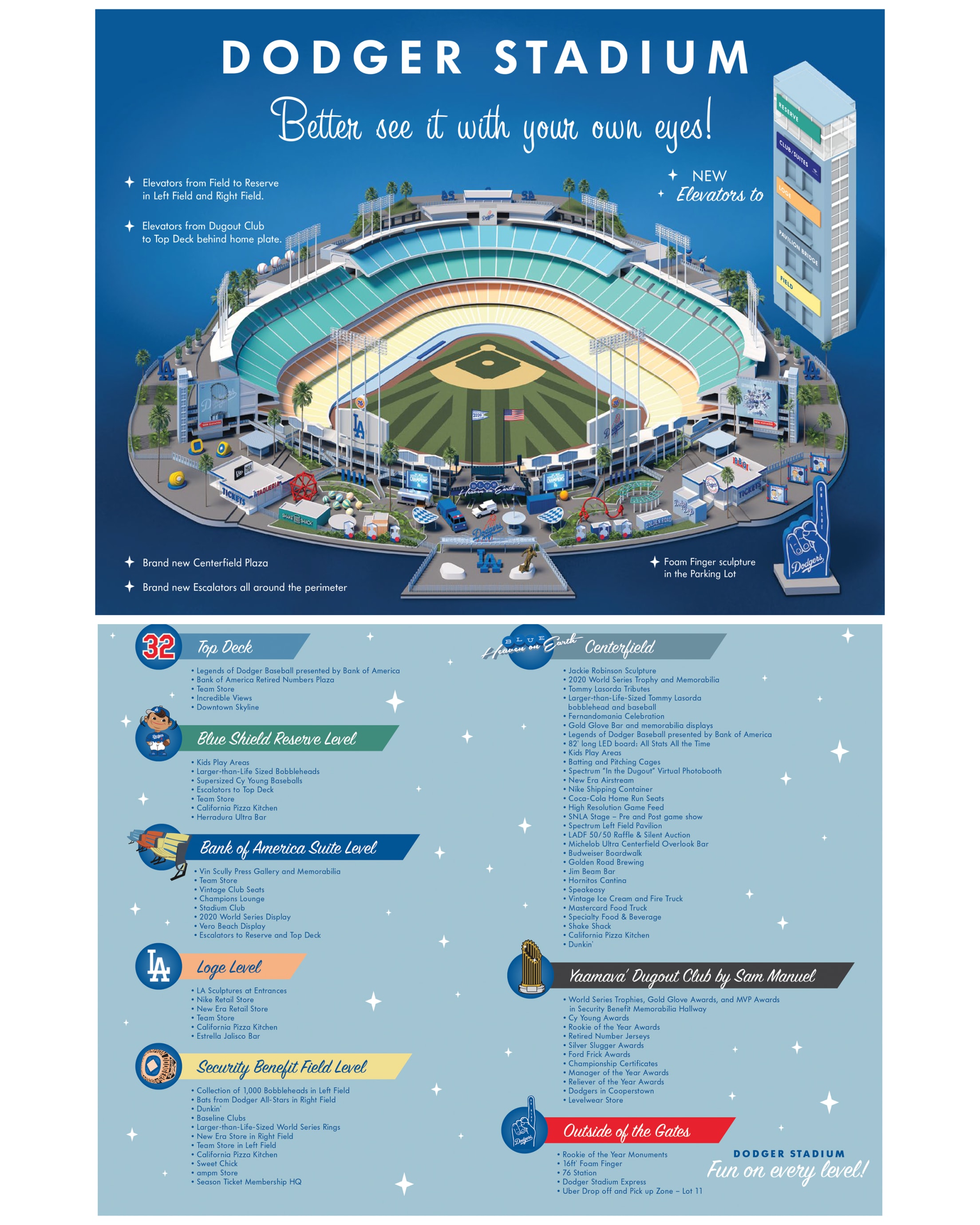
Navigating game day traffic and securing reliable vehicle space at Dodger Stadium requires strategic planning, given that the historic venue accommodates massive crowds without direct freeway access. The five best parking options include Official On-Site General Parking for standard convenience, Preferred/Loge Parking for close proximity to stadium gates, Sunset Gate 4 Access for streamlined rideshare and drop-off coordination, Off-Site Neighborhood Lots in Chinatown for budget-friendly alternatives with a scenic walk, and Metro Express Park-and-Ride Connections for avoiding stadium gridlock entirely through public transit integration.
Understanding the Dodger Stadium Parking Landscape
Dodger Stadium is an architectural marvel and one of Major League Baseball’s most beloved historic cathedrals, but its unique geographic footprint presents distinct logistical challenges for motorists. Built into the canyons of Chavez Ravine north of downtown Los Angeles, the ballpark features a sprawling, multi-tiered parking lot layout that wraps entirely around the stadium bowl. Unlike modern downtown stadiums seamlessly integrated into urban street grids, Dodger Stadium relies heavily on four primary entry gates—Sunset Gate, Academy Gate, Stadium Way Gate, and Downtown Gate—each funneling vehicular traffic from specific surrounding arteries.
The primary hurdle facing attendees is that demand routinely outpaces supply for premium spaces, and the topography of Chavez Ravine limits pedestrian walkability from outside the perimeter. Motorists attempting to drive directly to the venue must contend with narrow access roads that climb steeply from the surrounding flatlands. Understanding how the stadium's ticketing system operates is the first step toward a seamless arrival. The Los Angeles Dodgers strongly encourage advance digital parking purchases, which offer substantial financial savings compared to drive-up rates and significantly accelerate the check-in process at the toll booths.
Furthermore, traffic management protocols shift drastically depending on the size of the crowd, whether it is a marquee weekend series against a traditional rival, a postseason matchup, or a weeknight fireworks display. Arriving early remains the golden rule of Dodger Stadium logistics. Gates typically open two and a half hours before the first pitch, and early arrival not only secures a better spot within your designated zone but also allows you to bypass the worst of the pre-game bottleneck that forms approximately 60 to 90 minutes before game time.
1. Official On-Site General Parking
Official On-site general parking is the default, most straightforward choice for the vast majority of fans attending a game. These spaces are distributed across the various color-coded lots (such as Lot P, Lot N, and Lot G) that encircle the stadium structure. Purchasing a general parking pass ahead of time through the official MLB Ballpark app or the Dodgers website is strongly recommended, as it locks in the lower advance-purchase rate and guarantees your vehicle a designated zone within the stadium perimeter.
The primary advantage of on-site general parking is proximity and security. Once parked, you are entirely within the stadium's secure footprint, surrounded by fellow fans and stadium security personnel. Tailgating is permitted in designated areas of the general parking lots, allowing groups to gather and enjoy pre-game food and beverages before heading through the turnstiles. However, because general lots encompass the outer tiers and upper elevations of the Chavez Ravine property, be prepared for a moderate walk—and potentially a steep incline—to reach the main stadium concourses.
Navigating out of general parking after the final out requires patience. Due to the funnel effect of the canyon roadways, outbound traffic is held in a staggered release pattern to ensure pedestrian safety. Exiting can take anywhere from 30 minutes to over an hour depending on your exact lot location and the size of the crowd. To mitigate this delay, motorists are advised to memorize their exact lot section, park near the perimeter facing outward if possible, and either exit immediately upon the final play or take time to enjoy post-game entertainment inside the stadium plaza until the initial vehicular surge subsides.
2. Preferred and Loge On-Site Parking
For attendees prioritizing convenience, minimal walking distances, and faster post-game departures, Preferred and Loge On-Site Parking represents the pinnacle of stadium access. These premium spaces are situated in the lower-tier lots immediately adjacent to the stadium structure, such as Lots D, F, and H, placing your vehicle just a short, flat stroll from the primary entrance gates and elevator banks.
Securing a preferred parking pass requires a higher financial investment, and these passes often sell out weeks in advance for popular games, opening day, and weekend series. The investment pays dividends in physical comfort and time saved. Fans with mobility considerations, families with small children, or those hosting corporate clients frequently find that the reduced walking distance justifies the cost. Additionally, preferred lots are strategically positioned to facilitate a quicker exit onto the main access roads, allowing motorists to bypass the extensive switchbacks that general lot parkers must navigate.
When utilizing preferred parking, adherence to stadium arrival guidelines is still essential. Even with a priority pass, arriving within 45 minutes of game time will force you to encounter the peak traffic congestion along Vin Scully Avenue or Stadium Way. Attendants in preferred zones direct traffic with precision, guiding vehicles into organized rows designed for rapid post-game clearance. It is important to display your parking hangtag or digital barcode clearly on your dashboard or mobile device as you approach the designated gate to prevent unnecessary delays at the checkpoint.
3. Off-Site Neighborhood Lots in Chinatown
Motorists seeking a cost-effective alternative to official stadium pricing—or those hoping to completely bypass the notorious Chavez Ravine post-game traffic crawl—frequently turn to off-site neighborhood lots located in nearby Chinatown and Downtown Los Angeles. These commercial parking structures and surface lots, situated roughly one to two miles south of the stadium, provide a distinct logistical strategy for savvy attendees.
Parking in Chinatown offers several structural advantages. Rates are frequently lower than official advance-purchase stadium passes, and the lots are surrounded by vibrant dining options, allowing fans to enjoy pre-game meals or post-game celebrations at local historic restaurants. After the game, rather than sitting in a standstill inside the stadium bowl for an hour, drivers can embark on a brisk walk down the hill or take a short rideshare to their vehicle, positioning themselves directly onto major thoroughfares like Broadway or Hill Street for an immediate escape toward the 110 or 101 freeways.
| Parking Option | Average Cost Range | Distance to Stadium | Best For |
|---|---|---|---|
| Official General | Moderate ($30–$35 advance) | On-site (Varies by lot) | Standard fans, tailgating groups |
| Preferred/Loge | High ($60–$75+ advance) | Immediate perimeter | Proximity, fast exits, accessibility |
| Chinatown Off-Site | Budget ($15–$25) | 1 to 2 miles | Budget-conscious walkers, post-game diners |
| Metro Express & Bus | Free to Low ($2–$3 fare) | Off-site transit hub | Traffic avoidance, car-free travelers |
| Rideshare/Drop-Off | Variable (App pricing) | Sunset Gate 4 zone | Non-drivers, flexible departures |
The primary consideration for off-site neighborhood parking is the physical journey. The walk from Chinatown to Dodger Stadium involves navigating significant elevation gains as you ascend Chavez Ravine. While the walk is manageable for able-bodied individuals during comfortable weather, it can be strenuous during hot summer day games. Furthermore, fans must exercise standard urban safety awareness when walking back through the area late at night following an extra-inning thriller or a night game concert.
4. Metro Express Bus and Park-and-Ride Connections
For travelers committed to avoiding the vehicular gridlock of Chavez Ravine entirely, the Dodger Stadium Express bus service operated by the Los Angeles County Metropolitan Transportation Authority (Metro) is an exceptional, highly efficient solution. This dedicated transit service is entirely free for anyone holding a valid game ticket, making it one of the best bargains in professional sports logistics.
The Dodger Stadium Express operates two primary routes: one originating from Union Station in downtown Los Angeles and a second route connecting from the South Bay via the Harbor Transitway. The Union Station route is the most popular, running every 10 minutes prior to game time. Crucially, the buses utilize dedicated bus-only lanes and receive priority routing from stadium traffic control personnel, allowing them to bypass the long lines of personal vehicles waiting to enter Sunset Gate or Academy Gate.
Utilizing the park-and-ride system requires minimal planning. Drivers can park at Union Station's vast subterranean garage for standard Metro parking rates, board the Dodger Stadium Express, and be dropped off directly at the stadium's center field gate. After the game, return buses queue up in the exact same drop-off zone, ready to transport fans back to Union Station within minutes of the final out. This option eliminates the stress of navigation, reduces carbon footprints, and integrates seamlessly with the broader Southern California rail and transit network.
5. Rideshare, Taxi, and Dedicated Drop-Off Zones
Rideshare services such as Uber and Lyft, along with traditional taxis, provide a viable car-free transportation method for attendees who prefer not to drive or utilize public mass transit. However, Dodger Stadium has specific regulatory frameworks and spatial constraints governing rideshare vehicles to prevent catastrophic traffic jams on the narrow canyon roads.
The designated rideshare drop-off and pick-up zone is located at Sunset Gate 4, situated along Stadium Way at the perimeter of the property. When arriving via rideshare, drivers are permitted to drop passengers off directly within this staging zone. For the return journey, the stadium has established a dedicated queuing and waiting area at Sunset Gate 4 where passengers can request and board their rideshare vehicle once the game concludes.
- DODGER STADIUM PARKING STRATEGY
- DRIVING YOUR OWN VEHICLE
- Official General (Best for tailgating)
- Preferred / Loge (Best for proximity & speed)
- ALTERNATIVE TRANSIT
- Metro Express Bus (Free from Union Station)
- Chinatown Lots (Best for budget walkers)
- Rideshare / Sunset Gate 4 (Best for non-drivers)
- DRIVING YOUR OWN VEHICLE
The primary caveat when relying on rideshare is dynamic pricing surge. Following high-attendance games, concert events, or dramatic rivalry matchups, rideshare demand spikes exponentially, leading to severe price surges and extended wait times in the Sunset Gate 4 queue. To minimize costs and frustration, many experienced attendees walk down the hill past the stadium perimeter toward Sunset Boulevard or Chinatown before requesting their vehicle, effectively dodging both the physical traffic bottleneck and the localized digital price surge.
Frequently Asked Questions
Can I purchase parking at Dodger Stadium on the day of the game?
While physical drive-up purchases are technically available at select gates, availability is strictly limited, and drive-up rates are significantly higher than advance-purchase digital pricing. Purchasing your parking pass online via the official MLB Ballpark app well in advance is strongly advised to guarantee entry and secure the lowest available rate.
What time do the parking gates open before a game?
Parking gates at Dodger Stadium typically open two and a half hours prior to the scheduled game time. For special events, opening ceremonies, or high-profile playoff games, gates may open earlier. Arriving at the opening time is the single most effective way to secure a preferred spot and avoid entry queues.
Is tailgating allowed in the Dodger Stadium parking lots?
Yes, tailgating is permitted in general parking lots, but it is strictly regulated. Tailgating must be confined to the back of your parking stall, must not block traffic lanes or neighboring stalls, and must conclude shortly after the game begins or immediately following the final out. Open-flame fire pits and oversized furniture that obstruct traffic are prohibited.
What is the cheapest way to park for a Dodger game?
The cheapest legal option is utilizing off-site neighborhood parking lots in Chinatown, where rates range from $15 to $25, or taking the complimentary Dodger Stadium Express bus from Union Station, which requires only the cost of parking at the Metro station (or standard light rail/subway fare if arriving via public transit).
How do I handle ADA-accessible parking at Dodger Stadium?
ADA-accessible parking spaces are available in all main parking lots, including preferred and general zones, on a first-come, first-served basis for vehicles displaying a valid state-issued DMV placard or license plate. Attendants direct vehicles to these stalls upon entry, and companion seating and shuttle services are available to assist guests from the parking zones to the stadium gates.
Conclusion and Final Recommendations
Selecting the ideal parking option for Dodger Stadium depends on balancing your budget, your patience with post-game traffic, and your physical mobility. For a classic, hassle-free experience with tailgating capabilities, secure an Official On-Site General pass online early. If budget preservation and an easy, traffic-free escape are your top priorities, park in Chinatown or utilize the free Metro Express Bus from Union Station. Whichever method you choose, planning your route, purchasing passes digitally in advance, and arriving well before the first pitch will ensure an enjoyable, stress-free day at the ballpark.