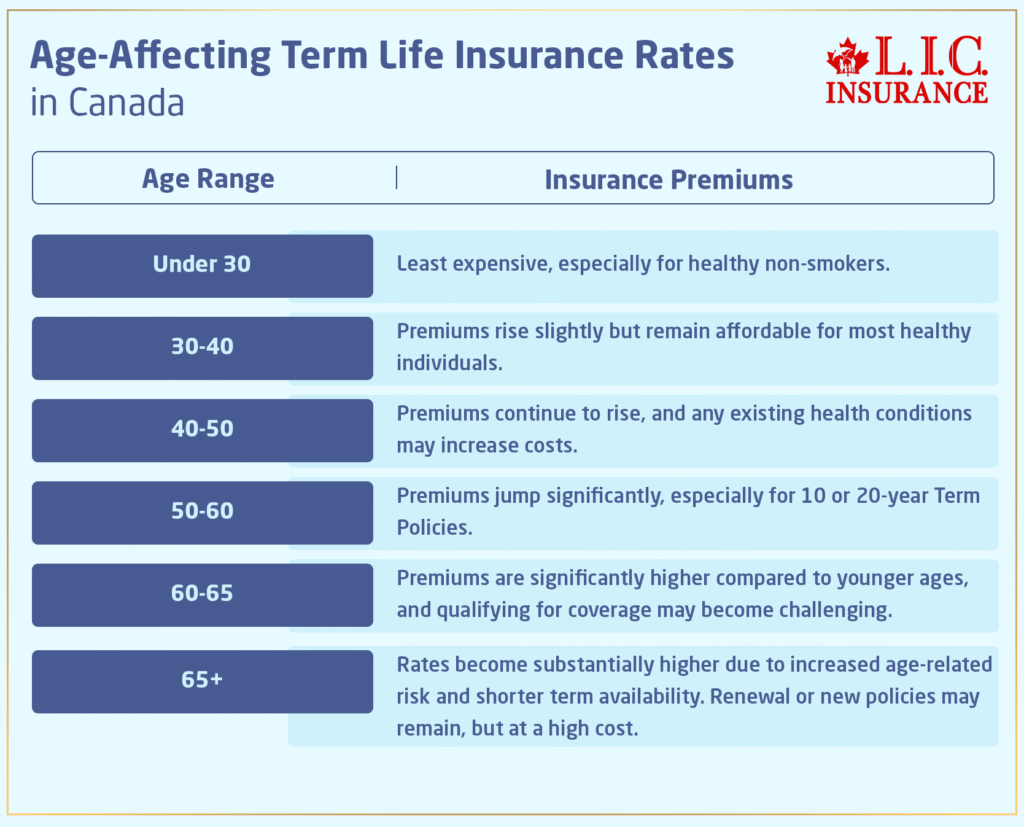
For a 56-year-old male in 2026, the cost of life insurance is primarily shaped by health status, the specific type of policy selected, lifestyle choices (particularly tobacco use), and the total death benefit amount. At this age, premiums increase by approximately 8% to 12% annually, making immediate application critical for cost control.
Purchasing life insurance at age 56 represents a significant financial crossroads. You are likely in your peak earning years, perhaps eyeing retirement in the next decade, and potentially seeing the "light at the end of the tunnel" for major liabilities like mortgages or college tuition. However, from an actuarial perspective, 56 is a transition point where the "mortality curve" begins to steepen. Insurance companies view a 56-year-old male differently than they did just five years prior, as the statistical likelihood of age-related health issues increases.
Understanding the mechanics of how life insurance is priced at this stage of life is essential for securing the necessary protection without overpaying. Here is a comprehensive analysis of the four primary factors that determine what you will pay for coverage in 2026.
1. Health Status and Medical Underwriting
Health is the most influential variable in determining your "rating class," which directly dictates your premium. When you apply for life insurance at 56, the insurer performs a deep dive into your medical history and current physical condition, often through a process called paramedical underwriting.
The Role of Underwriting Classes
Insurers categorize applicants into tiers such as Preferred Plus, Preferred, Standard Plus, and Standard. There are also "Substandard" or "Table Rated" categories for those with significant health issues. For a 56-year-old male, the difference between a "Preferred" and a "Standard" rating can result in a 30% to 50% price variance.
Key metrics include:
- Cardiovascular Health: Blood pressure and cholesterol levels are scrutinized. In 2026, insurers are increasingly looking at long-term stability. If you have hypertension but it has been well-controlled with medication for several years, you may still qualify for a "Preferred" rating.
- Body Mass Index (BMI): Weight-to-height ratios remain a staple of underwriting. At 56, carriers may be slightly more lenient with "build charts" than they are for 25-year-olds, but significant obesity still triggers higher premiums or exclusions.
- Blood Glucose and A1C: With the rising prevalence of Type 2 diabetes, insurers pay close attention to blood sugar levels. Early-stage or well-managed diabetes will not result in an automatic decline, but it will certainly move the applicant out of the "Preferred" tiers.
- Family History: Insurers look for instances of parents or siblings passing away from heart disease or cancer before age 60 or 65. Even if you are perfectly healthy, a strong family history of early mortality can prevent you from reaching the "Preferred Plus" tier.
Modern Underwriting in 2026
In 2026, many carriers utilize "Accelerated Underwriting," which uses data algorithms to bypass the traditional blood draw and medical exam for healthy applicants. However, at age 56, the threshold for "skipping the exam" is higher than for younger applicants. Most high-value policies (over $500,000) will still require a full medical workup to ensure the insurer is accurately pricing the risk.
2. Policy Type and Duration
The structure of the policy you choose—specifically whether it is temporary (Term) or permanent (Whole Life/Universal Life)—is a massive driver of cost. At age 56, your choice should be dictated by the purpose of the insurance.
Term Life Insurance
Term insurance is the most affordable option. It provides coverage for a specific period, such as 10, 15, 20, or 30 years.
- 10-Year Term: Often used by 56-year-olds to cover the final decade of a mortgage or until retirement.
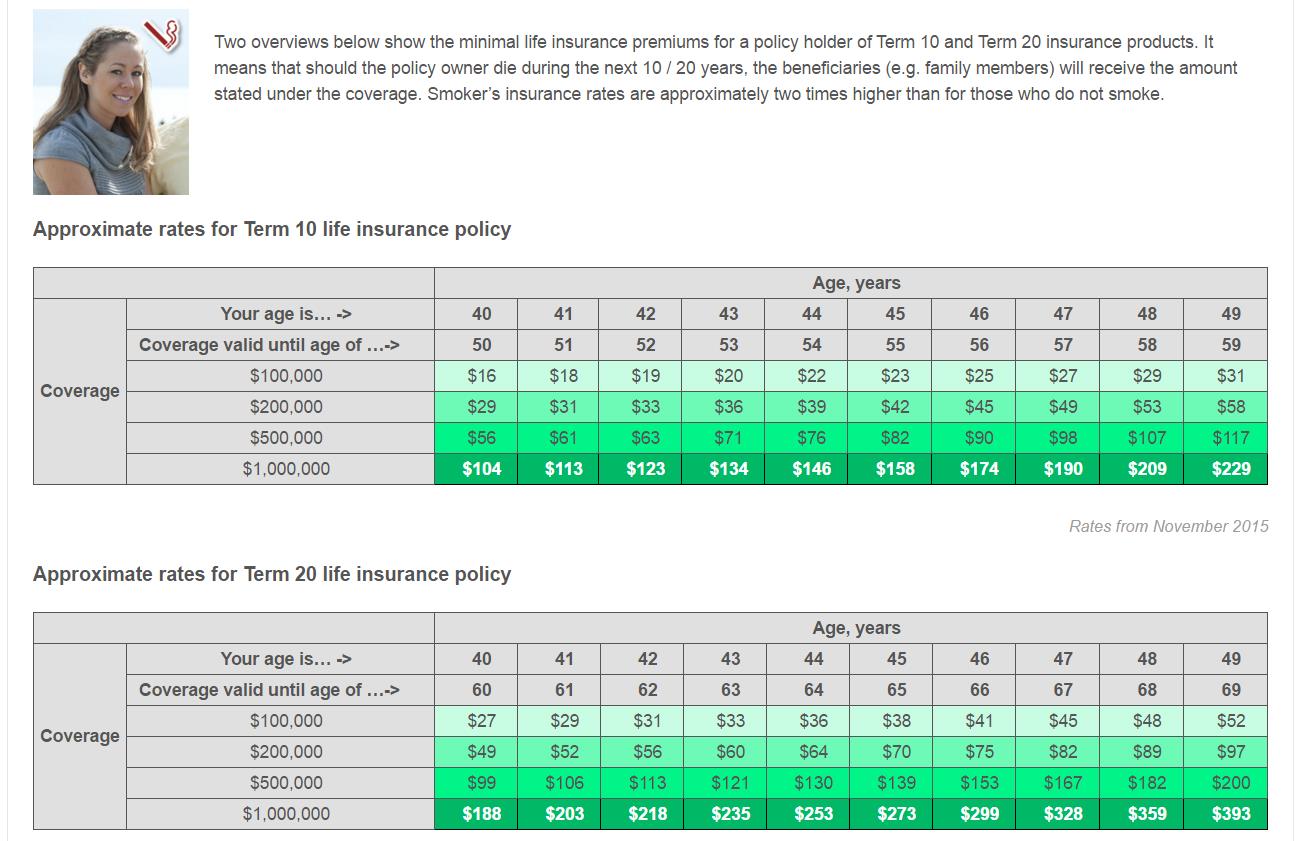
- 20-Year Term: This carries you to age 76. For a male, this is a significant span, and the premiums reflect the increased risk of mortality toward the end of the term.
- The "Cliff" Effect: Once the term ends, the coverage vanishes or becomes prohibitively expensive. Many 56-year-old men opt for "Convertible Term," which allows them to switch to a permanent policy later without a new medical exam.
Permanent Life Insurance
Whole Life or Universal Life policies provide coverage for your entire life and include a cash value component. In 2026, with interest rates having stabilized, Universal Life products—particularly Guaranteed Universal Life (GUL)—are popular for 56-year-olds who want to ensure a death benefit for estate taxes or legacy planning.
- Cost Factor: A permanent policy for a 56-year-old male can cost 5 to 10 times more than a 20-year term policy for the same death benefit. The high cost is due to the certainty of the payout (as long as premiums are paid) and the administrative costs of managing the cash value.
3. Lifestyle Choices and Nicotine Use
Lifestyle factors act as "multipliers" on your base health rating. For a 56-year-old male, certain habits can drastically shift the cost landscape.
The Tobacco Penalty
Nicotine use remains the single most expensive lifestyle factor. In 2026, the definition of "tobacco use" has expanded in many underwriting manuals to include not just cigarettes, but also vaping, nicotine patches, and even certain types of oral nicotine.
- The Cost Jump: A 56-year-old male smoker will typically pay 200% to 300% more than a non-smoker for the exact same policy.
- Occasional Use: Some carriers offer "Celebratory Cigar" status, allowing for very infrequent cigar use (e.g., 12 or fewer per year) at non-tobacco rates, provided the urine sample is clear of cotinine.
Hazardous Activities and Occupation
While most 56-year-olds are in stable professional roles, hobbies can trigger "flat extra" charges. If you are a private pilot, an avid SCUBA diver (especially below 100 feet), or a participant in motorsports, the insurer may add a surcharge per $1,000 of coverage. At this age, your experience level in these hobbies matters; a pilot with 1,000 hours of flight time is viewed much more favorably than a 56-year-old just beginning flight school.
Driving Record and Criminal History
Your motor vehicle record (MVR) is a proxy for risk-taking behavior. Multiple speeding tickets or a recent DUI/DWI will lead to higher rates or a decline. In 2026, insurers use sophisticated data tools to pull these records instantly during the application process.
4. Market Conditions and Timing (The "Age" Factor)
In the world of life insurance, your age is not just a number; it is a price bracket. Every year you wait to buy insurance, the base rate increases.
Age Nearest vs. Age Last Birthday
Insurers use two different methods to determine your "insurance age":
- Age Last Birthday: You are 56 until your 57th birthday.
- Age Nearest: If you are 56 and six months plus one day, the insurer considers you 57. This is a critical nuance for a man who is currently 56. If your chosen carrier uses "Age Nearest," your rates could jump the moment you pass the half-year mark from your last birthday.
2026 Market Dynamics
In 2026, the life insurance market is influenced by the broader economic environment. If interest rates are higher, insurance companies earn more on their reserves, which can lead to more competitive pricing on permanent life products. Conversely, if medical inflation has driven up the costs of processing applications, those costs are often passed down through policy fees.
Death Benefit Amount
The "face amount" of the policy also shapes the cost. Interestingly, life insurance features "banding." Buying a $500,000 policy might only be marginally more expensive than buying $450,000 because $500,000 is a common price break (or band) where the rate per thousand dollars of coverage drops.
Comparative Cost Impact Analysis
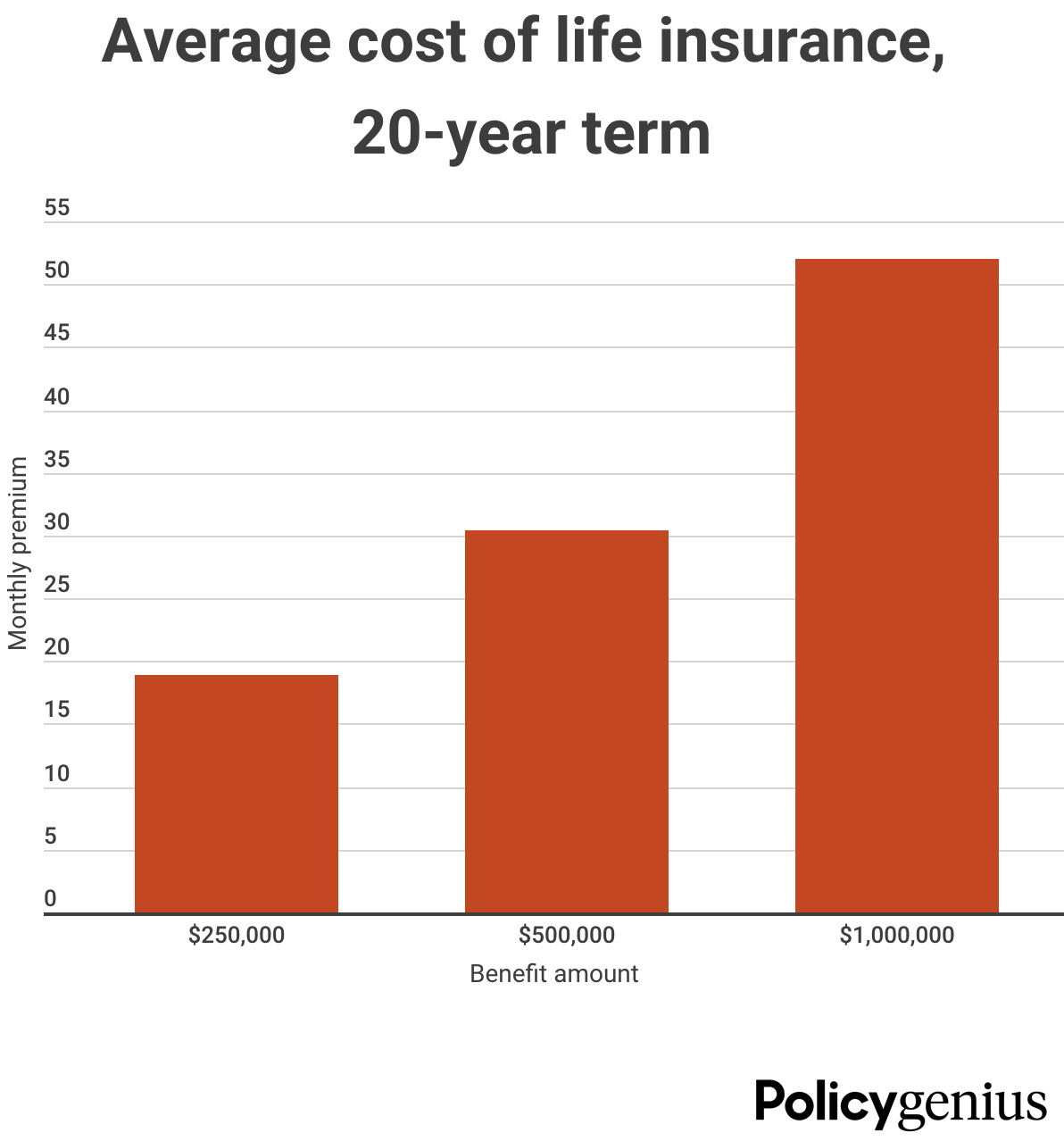
The following table illustrates how these factors might influence the monthly premium for a $500,000, 20-year term policy for a 56-year-old male. Note: These figures are representative estimates for the 2026 market and will vary by carrier.
| Factor Variable | Estimated Monthly Premium (Preferred) | Estimated Monthly Premium (Standard) | Impact Level |
|---|---|---|---|
| Non-Tobacco User | $145 - $185 | $210 - $260 | Baseline |
| Tobacco User (Smoker) | $450 - $550 | $600 - $750 | Extreme (High) |
| Controlled Hypertension | $160 - $195 | $225 - $280 | Moderate |
| Untreated High Cholesterol | $190 - $230 | $260 - $310 | Moderate/High |
| Hazardous Hobby (e.g., Pilot) | Base + $2.50 per $1k | Base + $5.00 per $1k | Variable |
Strategic Considerations for 56-Year-Old Applicants
When navigating these four factors, there are several strategies that can help optimize the cost-to-benefit ratio.
The "Laddering" Strategy
Rather than buying one large 20-year term policy, a 56-year-old might "ladder" coverage. For example, you might buy:
- A $250,000 10-year term policy to cover your remaining mortgage.
- A $250,000 20-year term policy to provide income replacement for your spouse until you reach age 76. This approach reduces the total premium paid over time because the 10-year portion is significantly cheaper and drops off when the specific need is gone.
Improving Your Rating Before Applying
While you cannot change your age, you can influence your health rating. Many 56-year-olds find that three to six months of dedicated focus on diet and exercise can move them from a "Standard" to a "Standard Plus" or "Preferred" rating. However, do not wait too long; the age-related price increase might offset the savings gained from improved health.
Reviewing Existing Coverage
If you already have a policy, do not cancel it until a new one is fully "in force" (issued and paid for). At 56, you may find that an old policy has a "conversion rider" that allows you to turn part of it into a permanent policy at your original health rating—even if your health has declined since then. This can be a goldmine for cost savings.
Frequently Asked Questions
Can I get life insurance at 56 without a medical exam?
Yes, "No-Exam" policies are widely available in 2026. These typically use "Simplified Issue" underwriting. While they are faster, they are generally more expensive than fully underwritten policies because the insurer takes on more unknown risk. For a 56-year-old in good health, a fully underwritten policy usually offers the best value.
Is 56 too old to buy a 30-year term policy?
It is not impossible, but it is difficult. Many insurers cap 30-year term applications at age 50 or 55. If you are 56, your maximum term length is often 20 or 25 years. If you need coverage for 30 years (until age 86), a Guaranteed Universal Life policy is often a more viable and cost-effective alternative.
How much does smoking a single cigar affect my 2026 life insurance rates?
It depends entirely on the carrier. Some carriers will rate you as a full "Smoker" if any nicotine is found in your system. Others allow for occasional cigars if you disclose it on the application and your lab results meet their specific criteria for "infrequent use." It is vital to work with an independent agent who knows which carriers are "cigar-friendly."
Does my 56-year-old spouse’s health affect my rates?
Generally, no. Life insurance is an individual contract based on your own health and mortality risk. However, if you are applying for a "Second-to-Die" or "Survivorship" policy (often used for estate planning), both spouses' health will be evaluated, and the premium will be based on the combined life expectancy of the couple.
Will my rates go up as I get older if I buy a term policy now?
No. Once you are approved for a level-premium term policy, your rates are locked in for the duration of the term (10, 15, 20 years, etc.). This is why securing a policy at 56 is advantageous; it protects you from the much higher rates you would face if you tried to buy coverage at 60 or 65.
Next Steps: Securing Your Coverage
To get the most favorable rates as a 56-year-old male, your first step should be to gather your medical records and a list of any medications. Contact an independent broker who has access to multiple carriers, as different companies have different "sweet spots" for applicants in their 50s. For instance, one carrier might be more lenient with high blood pressure, while another offers better rates for those with a high BMI but excellent blood work.
Act quickly to avoid the "half-birthday" rate hike and to ensure that any undiagnosed health issues—which become more common in the late 50s—do not prevent you from qualifying for the protection your family or business requires.