In 2026, the premier landline phone systems are the Ooma Telo Air for VoIP flexibility, the Panasonic KX-TGF882B for cordless handset performance, and Community Phone for cellular-based reliability. These systems offer superior voice clarity, integrated robocall blocking, and emergency connectivity that modern mobile phones often struggle to replicate consistently.
The Evolution of the Landline in 2026
The landscape of home telephony has undergone a radical transformation. As of 2026, the traditional copper-wire infrastructure, known as the Plain Old Telephone Service (POTS), has been almost entirely decommissioned in favor of digital alternatives. This shift, accelerated by FCC Order 19-72, means that "landline" now refers to one of two technologies: Voice over Internet Protocol (VoIP) or cellular-based fixed wireless systems.
Despite the dominance of smartphones, millions of households and home offices continue to rely on these systems. The primary drivers are audio fidelity, emergency reliability, and ergonomics. In a world where mobile signals can fluctuate and battery life is a constant concern, a dedicated home phone system provides a stable anchor for essential communications.
1. Ooma Telo Air: Best Overall VoIP System
The Ooma Telo Air remains the gold standard for residential VoIP services in 2026. It strikes a balance between advanced features and cost-effectiveness, making it the ideal choice for users who have a stable high-speed internet connection.
Hardware and Technical Architecture
The Telo Air is a compact hub that connects to your router via Wi-Fi or Ethernet. It utilizes PureVoice technology, which includes sophisticated redundancy algorithms. If the system detects packet loss on your internet connection, it automatically transmits redundant data to ensure the audio remains clear and jitter-free. In 2026, this technology has been refined to handle even the high-traffic demands of a modern smart home without compromising call quality.
Cost Structure and Tiers
Ooma is famous for its "Basic" tier, where users pay only the monthly applicable taxes and fees (typically $6 to $9 depending on the zip code). However, the Ooma Premier service is where the system truly shines. For approximately $9.99 per month, users gain access to:
- Advanced Robocall Blocking: Utilizing a massive database of known telemarketers to stop spam before the phone rings.
- Virtual Second Line: The ability to have two separate conversations simultaneously.
- Mobile App Integration: Taking your home phone number on the go via a smartphone app.
Security and Privacy
In 2026, privacy is a paramount concern. Ooma utilizes encrypted signaling and media, which protects your conversations from local network eavesdropping. This level of security is often superior to older analog systems, which were susceptible to physical wiretapping.
2. Panasonic KX-TGF882B: Best Cordless Handset System
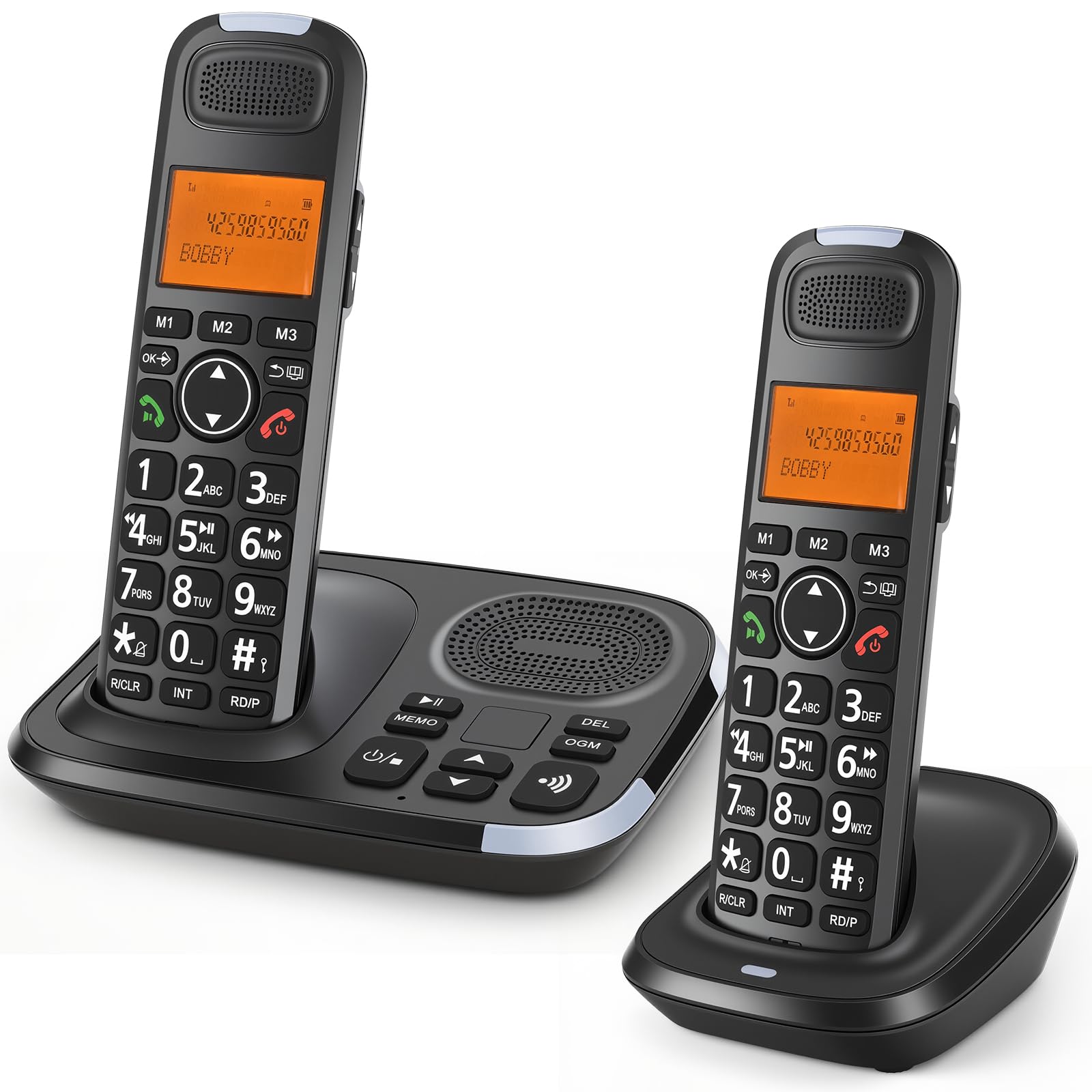
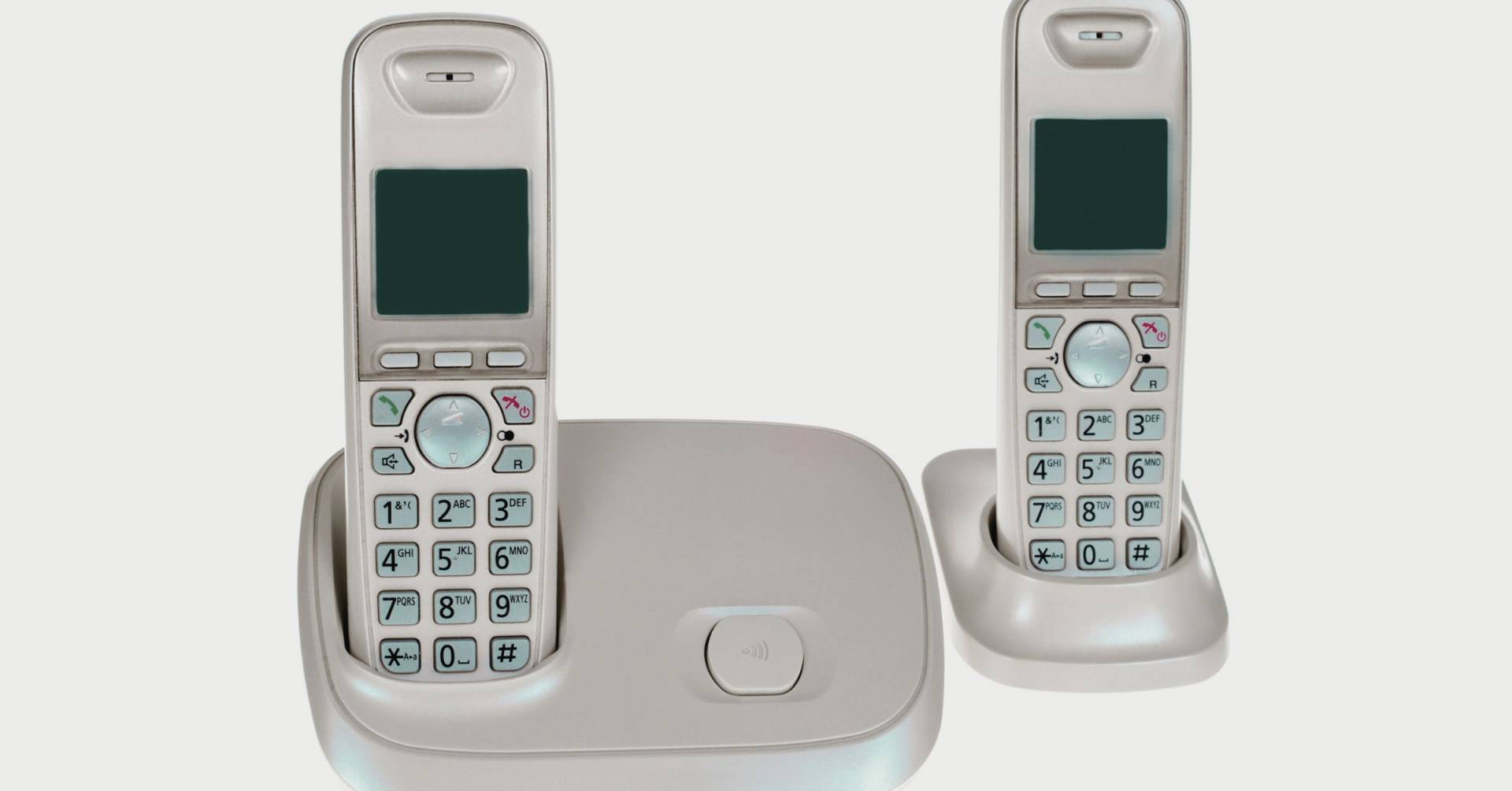
While Ooma provides the "brain" of the phone system, the Panasonic KX-TGF882B represents the pinnacle of handset hardware. This system is designed for users who want a physical experience that rivals professional office setups.
DECT 6.0 and Signal Integrity
The KX-TGF882B operates on the DECT 6.0 (Digital Enhanced Cordless Telecommunications) standard. This frequency band (1.9 GHz) is reserved exclusively for voice communication, meaning it does not interfere with your 2.4 GHz or 5 GHz Wi-Fi networks. This ensures that even in a house filled with streaming devices and smart appliances, your phone call remains crystal clear.
Link2Cell Technology
A standout feature of this system is Link2Cell. By using Bluetooth to pair up to two smartphones with the Panasonic base station, you can make and receive cellular calls through the cordless handsets. This is particularly useful in 2026 for homes with "dead zones"—you can place your smartphone near a window where reception is strongest and use the Panasonic handsets throughout the rest of the house.
Accessibility Features
Panasonic has prioritized ergonomic design. The KX-TGF882B includes:
- Talking Caller ID: The system announces the name of the caller in English or Spanish, so you don't have to look at the screen.
- Noise Reduction: One-touch buttons to suppress background noise from the caller's end, making it easier to hear voices in loud environments.
- Power Backup: The base station can run on AAA batteries during a power outage, allowing you to stay connected when the grid goes down.
3. Community Phone: Best for Reliability Without Internet
For those living in rural areas or those who simply do not want to rely on an internet connection for their primary phone line, Community Phone is the premier choice in 2026. It is a "wireless landline" that connects to the strongest local cellular towers (LTE and 5G) to provide service.
How it Works
The system consists of a simple base station with an internal antenna. You plug your existing corded or cordless phone into the back of the Community Phone base. Because it doesn't use the internet, it is immune to router glitches, Wi-Fi interference, or fiber-optic line cuts.
Emergency Readiness and 911
One of the most critical aspects of a landline is its performance during emergencies. Community Phone includes a 12-hour backup battery. Furthermore, it supports E911 (Enhanced 911), which automatically transmits your physical address to emergency dispatchers. Unlike a mobile phone, which relies on GPS triangulation that can be inaccurate indoors, Community Phone is registered to a fixed location.
Simplicity and Portability
The setup takes less than 30 seconds: plug it into a power outlet, and it works. This makes it a favorite for seniors or individuals who frequently move. There is no need for a technician to visit the home, and you can keep your existing phone number through a standard porting process.
Comparison of Top Landline Systems for 2026
| Feature | Ooma Telo Air | Panasonic KX-TGF882B | Community Phone |
|---|---|---|---|
| Primary Connection | VoIP (Internet) | DECT 6.0 / Bluetooth | Cellular (LTE/5G) |
| Typical Monthly Cost | $6 - $15 | N/A (Hardware Only) | $29 - $39 |
| Setup Difficulty | Moderate | Easy | Very Easy |
| Power Outage Support | Requires UPS | Battery Backup (Base) | 12-Hour Internal Battery |
| Best For | Tech-savvy households | Traditional feel & mobile sync | Seniors and rural areas |
| Robocall Protection | High (Cloud-based) | Moderate (Manual Block) | High (Network-level) |
Technical Considerations for 2026 Landlines
Understanding Audio Codecs
In 2026, the quality of a digital call is determined by the codec. Most high-end VoIP systems now use the G.722 wideband codec, often referred to as "HD Voice." This codec doubles the frequency range of a standard phone call, making voices sound more natural and reducing listener fatigue. When choosing a system, ensure it supports "HD Voice" for the best possible experience.
E911 Compliance
When you use a digital landline, your location is not automatically known by the network in the same way a copper wire was tied to a physical house. You must register your address with your provider. Systems like Ooma and Community Phone have streamlined this process, but it is a critical step for ensuring that emergency services can find you if you are unable to speak.
Encryption and Security
With the rise of sophisticated phishing and "deepfake" voice scams, landline security is more important than ever. Systems using the SRTP (Secure Real-time Transport Protocol) ensure that the data packets containing your voice are encrypted as they travel across the internet. This prevents "man-in-the-middle" attacks where hackers might attempt to intercept sensitive financial or personal information shared over the phone.
How to Choose the Right System
Selecting the best system depends on your specific infrastructure and needs:
- Check Your Internet Stability: If your fiber or cable internet is rock-solid, a VoIP system like Ooma offers the most features for the lowest monthly price.
- Evaluate Your Environment: If you live in a large home with many rooms, the Panasonic system’s ability to support up to six handsets is a major advantage.
- Prioritize Emergency Use: If you live in an area prone to storms or power outages, Community Phone is the most resilient option because it bypasses the internet entirely.
Common Mistakes to Avoid
- Ignoring Backup Power: VoIP systems rely on your router. If the power goes out, your internet goes out, and so does your phone. Always pair a VoIP system with a Small Uninterruptible Power Supply (UPS) to keep your router and phone base running.
- Using Old Handsets with New Bases: While many 2026 bases are backwards compatible, using a 15-year-old handset with a modern HD Voice base will result in poor audio quality. It is often better to buy a complete system.
- Forgetting to Update E911 Info: If you move your Community Phone base to a vacation home or a new apartment, you must update your address in the provider's portal immediately.
Frequently Asked Questions
Can I keep my current phone number in 2026?
Yes. Under the Local Number Portability (LNP) rules, you have the right to move your existing landline or mobile number to any of these three systems. The process usually takes between 3 to 7 business days. You should not cancel your old service until the porting process is confirmed as complete by your new provider.
Do these systems work with home security alarms?
Many older home security systems were designed for analog lines. While Ooma and Community Phone work with some digital-ready alarms, it is highly recommended to upgrade your security system to a native cellular or Wi-Fi communicator. If you must use a landline for an alarm, Community Phone is generally more compatible than VoIP-based systems.
Is the audio quality better than a smartphone?
In most cases, yes. Smartphones often compress audio significantly to save bandwidth on crowded cellular networks. Landline systems like the Panasonic KX-TGF882B use dedicated frequencies (DECT 6.0) and high-bitrate codecs that provide a much "fuller" sound, making it easier to distinguish between similar-sounding consonants (like 'P' and 'B').
Does Ooma require a computer to be on?
No. The Ooma Telo Air is a standalone device. Once it is configured, it connects directly to your internet router. You do not need a computer or any other device to be powered on to make or receive calls.
How do I block spam calls on these systems?
Ooma uses a cloud-based "Blacklist" that is updated in real-time. Panasonic requires you to press a "Call Block" button on the handset when a spammer calls, which adds that specific number to a local list of up to 1,000 entries. Community Phone offers network-level blocking that filters out known fraudulent numbers before they reach your base station.
Final Recommendation
For the majority of users in 2026, the Ooma Telo Air is the best choice because it offers the most modern features—including mobile app integration and smart home connectivity—at the lowest long-term cost. However, if you are setting up a system for an elderly relative or live in an area with unreliable internet, the Community Phone system is the superior choice due to its "plug-and-play" simplicity and cellular-based reliability.