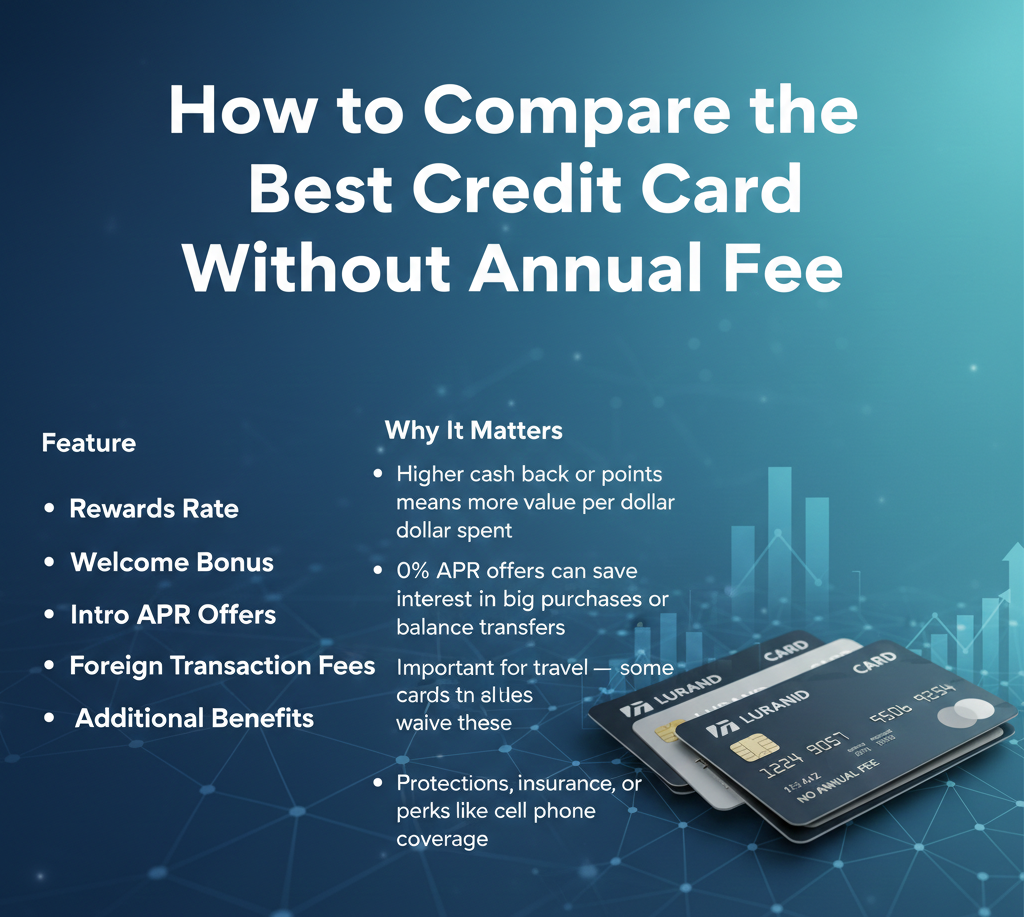
The best credit cards combining no annual fees with low interest rates for 2026 are the Wells Fargo Reflect® Card, the U.S. Bank Visa® Platinum Card, and the BankAmericard® credit card. These cards prioritize long 0% introductory APR periods and competitive ongoing variable rates, making them ideal for managing existing debt or financing upcoming large purchases without the burden of high carry-over costs.
Navigating the Low-Interest Credit Landscape in 2026
In the financial environment of 2026, credit card users face a distinct trade-off: rewards versus interest rates. While many premium cards offer lucrative travel points or high cash-back percentages, they almost invariably carry higher annual percentage rates (APRs) and significant annual fees. For consumers who prioritize debt reduction or financial flexibility over "perks," a low-interest, no-annual-fee card is the most mathematically sound tool in their wallet.
A "low interest" card generally serves two primary functions. First, it offers an extended introductory period—often ranging from 15 to 21 months—where the APR is 0% on purchases, balance transfers, or both. Second, once that introductory window closes, the ongoing variable APR remains on the lower end of the market spectrum, typically reserved for those with "Good" to "Excellent" credit scores (670–850).
When evaluating these cards, it is essential to look beyond the marketing. A card with a 0% intro rate is only a temporary reprieve; the true value lies in the card's ability to provide a lower-than-average interest rate over several years. In 2026, where market volatility can influence the Prime Rate, securing a card with a lower margin (the percentage the bank adds to the Prime Rate) is critical for long-term savings.
1. Wells Fargo Reflect® Card: The Introductory APR Leader
The Wells Fargo Reflect® Card continues to be a dominant force in 2026 for consumers who need the maximum possible time to pay off a balance. It is designed almost exclusively as a utility card for debt management and large-scale financing.
Key Features and Performance
The hallmark of the Reflect card is its exceptionally long introductory APR offer. Historically, this card has provided up to 21 months of 0% introductory APR from account opening on both purchases and qualifying balance transfers. This nearly two-year window is one of the longest available in the national market, allowing cardholders to break down large expenses into manageable monthly payments without accruing a penny in interest.
The Ongoing APR Structure
Once the introductory period expires, the Reflect card transitions to a variable APR. In 2026, depending on your creditworthiness, this rate typically sits between 17.99% and 29.99%. While the upper end is high, the lower end is significantly more competitive than standard rewards cards, which often start at 22% or higher.
Why It Made the List
The Reflect card is the "3 best" choice because of its simplicity and the sheer length of its interest-free cushion. It does not offer cash back or travel points, which is a deliberate omission. By stripping away rewards, Wells Fargo can afford to offer a longer 0% window and a lower annual fee (which is $0). For someone moving $10,000 from a high-interest card, the Reflect card can save thousands of dollars in interest charges over its introductory term.
2. U.S. Bank Visa® Platinum Card: The Balanced Utility Choice
The U.S. Bank Visa® Platinum Card remains a staple for those seeking a reliable, low-cost credit line in 2026. It mirrors the Wells Fargo Reflect in many ways but offers a slightly different value proposition regarding its fee structure and digital management tools.
Extended Introductory Window
Like its primary competitors, the U.S. Bank Visa® Platinum offers a 0% introductory APR for an extended period, usually spanning 18 to 21 billing cycles. This applies to both purchases and balance transfers, provided the transfers are made within the first 60 to 90 days of account opening.
Financial Health Features
U.S. Bank has integrated several features into this card that appeal to the "low interest" seeker. This includes a robust "ExtendPay" plan option, which allows cardholders to pay off specific large purchases in fixed monthly installments with no interest (though a small monthly fee may apply). Furthermore, it provides free access to your TransUnion credit score, helping users monitor the impact of their debt repayment progress.
Performance Analysis
In 2026, the ongoing variable APR for the U.S. Bank Visa® Platinum is highly competitive for those with top-tier credit. By maintaining no annual fee, it ensures that the "cost of carry" is zero for those who pay their balances in full, and lower than average for those who don't. It is an excellent choice for individuals who want a long intro period but also value the customer service and digital infrastructure of a major national lender.
3. BankAmericard® credit card: The Integrated Debt Manager
The BankAmericard® credit card is a classic choice that has evolved to remain competitive in 2026. It is particularly effective for existing Bank of America customers, though its benefits extend to any qualifying applicant looking for a no-frills, low-cost card.
Introductory Benefits
The BankAmericard® typically offers an introductory 0% APR for 18 to 21 billing cycles on purchases and any balance transfers made within the first 60 days. While similar to the other two cards on this list, Bank of America often includes a lower-than-average balance transfer fee during the initial promotional window, which can be a deciding factor for those moving significant debt.
Strategic Advantages
One of the primary reasons the BankAmericard® is a top-three selection is the stability of its ongoing APR. Bank of America tends to offer a tighter APR range for this specific card compared to its rewards-based counterparts. In 2026, a borrower with a 740+ credit score might find the ongoing APR here to be 1-2% lower than a similar offer from a fintech-based lender.
Ecosystem Benefits
For users enrolled in the Bank of America Preferred Rewards® program, this card offers a seamless experience. While it doesn't earn rewards points, the integration with the Bank of America mobile app allows for advanced budgeting and automated payment scheduling, which are vital for users focused on avoiding interest charges.
Comparison of Top 3 Low-Interest Cards (2026)
| Feature | Wells Fargo Reflect® | U.S. Bank Visa® Platinum | BankAmericard® |
|---|---|---|---|
| Annual Fee | $0 | $0 | $0 |
| Intro APR Period | Up to 21 Months | Up to 21 Months | Up to 21 Months |
| Intro APR Target | Purchases & Transfers | Purchases & Transfers | Purchases & Transfers |
| Ongoing APR (Variable) | 17.99% - 29.99% | 18.24% - 29.24% | 16.24% - 26.24% |
| Balance Transfer Fee | 5% (min $5) | 5% (min $5) | 3% or 4% (promotional) |
| Best For | Max Intro Length | Digital Tools/Flexibility | Existing BoA Customers |
The Mechanics of Low Interest: How APR is Calculated in 2026
To truly benefit from a low-interest card, it is vital to understand how your interest is calculated. Most credit cards in 2026 utilize the Daily Balance Method. This means the bank tracks your balance every single day, multiplies it by the daily periodic rate (your APR divided by 365), and adds that amount to your total.
The Role of the Prime Rate
Credit card APRs are "variable," meaning they are tied to an index, usually the U.S. Prime Rate as published in the Wall Street Journal. Your actual interest rate is calculated as: Prime Rate + Margin = Your APR The "Margin" is determined by the bank based on your credit score at the time of application. When the Federal Reserve adjusts interest rates, your credit card interest rate will likely follow suit within one or two billing cycles.
The Grace Period Exception
Even a card with a "low" interest rate of 16% is still an expensive way to borrow money compared to a personal loan or mortgage. However, all three cards listed above offer a grace period. If you pay your "New Balance" in full by the due date every month, the bank will not charge you any interest on purchases. The "low interest" feature only becomes relevant if you cannot pay the full balance and must "carry" it to the next month.
Prerequisites and Eligibility Requirements
Securing one of these top-tier cards in 2026 requires meeting specific criteria. Banks have become more sophisticated in their risk modeling, looking beyond just a three-digit score.
- Credit Score: A score of 670 or higher is generally required. However, to qualify for the lowest end of the APR range (e.g., the 16.24% or 17.99% rates), a score of 740+ is typically necessary.
- Debt-to-Income (DTI) Ratio: Lenders evaluate your monthly debt obligations against your gross monthly income. Ideally, your DTI should be below 36%.
- Recent Inquiries: If you have applied for multiple credit cards or loans in the last six months (often referred to as "credit seeking behavior"), you may be denied regardless of your score.
- Existing Relationship: For cards like the BankAmericard®, having a checking or savings account with the institution can sometimes provide a slight edge in the approval process or help in securing a higher credit limit.
Common Pitfalls to Avoid
Even with the best "no annual fee, low interest" card, certain behaviors can negate the financial benefits.
The Deferred Interest Trap
While the cards mentioned here offer true 0% introductory APRs, some store cards offer "no interest if paid in full" promotions. These are different. If you fail to pay the entire balance on a store card by the deadline, they may charge you retroactive interest from the date of purchase. The Wells Fargo, U.S. Bank, and Bank of America cards do not typically do this—interest only starts accruing on the remaining balance after the intro period—but it is always vital to read the "Schumer Box" (the standardized disclosure table) for your specific offer.
Missing a Payment
In 2026, the consequences of a missed payment are severe. Not only will you likely face a late fee of up to $40, but the bank may also revoke your 0% introductory APR immediately. This "Penalty APR" can jump as high as 29.99% or more, essentially turning a low-cost debt management tool into a high-cost burden overnight.
Over-utilization
Just because a card has a low interest rate doesn't mean you should max it out. Using more than 30% of your available credit limit on any single card can negatively impact your credit score. If you transfer a large balance to a new card, try to pay it down as quickly as possible to lower your utilization ratio.
Frequently Asked Questions
Can I get a low-interest card with a "Fair" credit score?
It is difficult to qualify for the cards listed above with a score below 670. If your score is in the 580–660 range, you may need to look at "secured" credit cards or cards specifically marketed for "fair credit." These will likely have higher APRs and might not offer 0% introductory windows.
What is the difference between a balance transfer fee and interest?
A balance transfer fee is a one-time charge (usually 3% to 5%) that the bank applies when you move debt from an old card to the new one. Interest (APR) is the ongoing cost of carrying that debt. Even with a 5% fee, moving debt from a 25% APR card to a 0% APR card for 21 months usually results in significant net savings.
Do these cards offer any rewards?
Generally, no. The trade-off for a significantly lower interest rate and no annual fee is the absence of cash back or travel points. If you plan to pay your balance in full every month, you would be better served by a rewards card. These cards are specifically for people who expect to carry a balance.
Is the 0% APR period guaranteed for everyone?
No. The length of the 0% period and the final ongoing APR are determined during the underwriting process. While the marketing might say "up to 21 months," an applicant with a borderline credit score might only be approved for 15 or 18 months.
Can I transfer a balance from the same bank?
Usually, no. For example, you cannot transfer a balance from a Wells Fargo Active Cash® card to a Wells Fargo Reflect® card. Banks use these offers to attract new customers and their debt from other institutions.
Final Recommendation
If your primary goal is to pay down debt or finance a major life event with the least amount of friction, the Wells Fargo Reflect® Card is the strongest choice for its sheer length of introductory coverage. However, if you are already a Bank of America customer, the BankAmericard® offers a more integrated experience with potentially lower balance transfer fees. For those who want a mix of long intro periods and solid digital banking tools, the U.S. Bank Visa® Platinum is an excellent middle ground.
Before applying, check the Consumer Financial Protection Bureau (CFPB) website for the latest updates on credit card regulations and consumer rights in 2026 to ensure you are fully protected under current federal law.