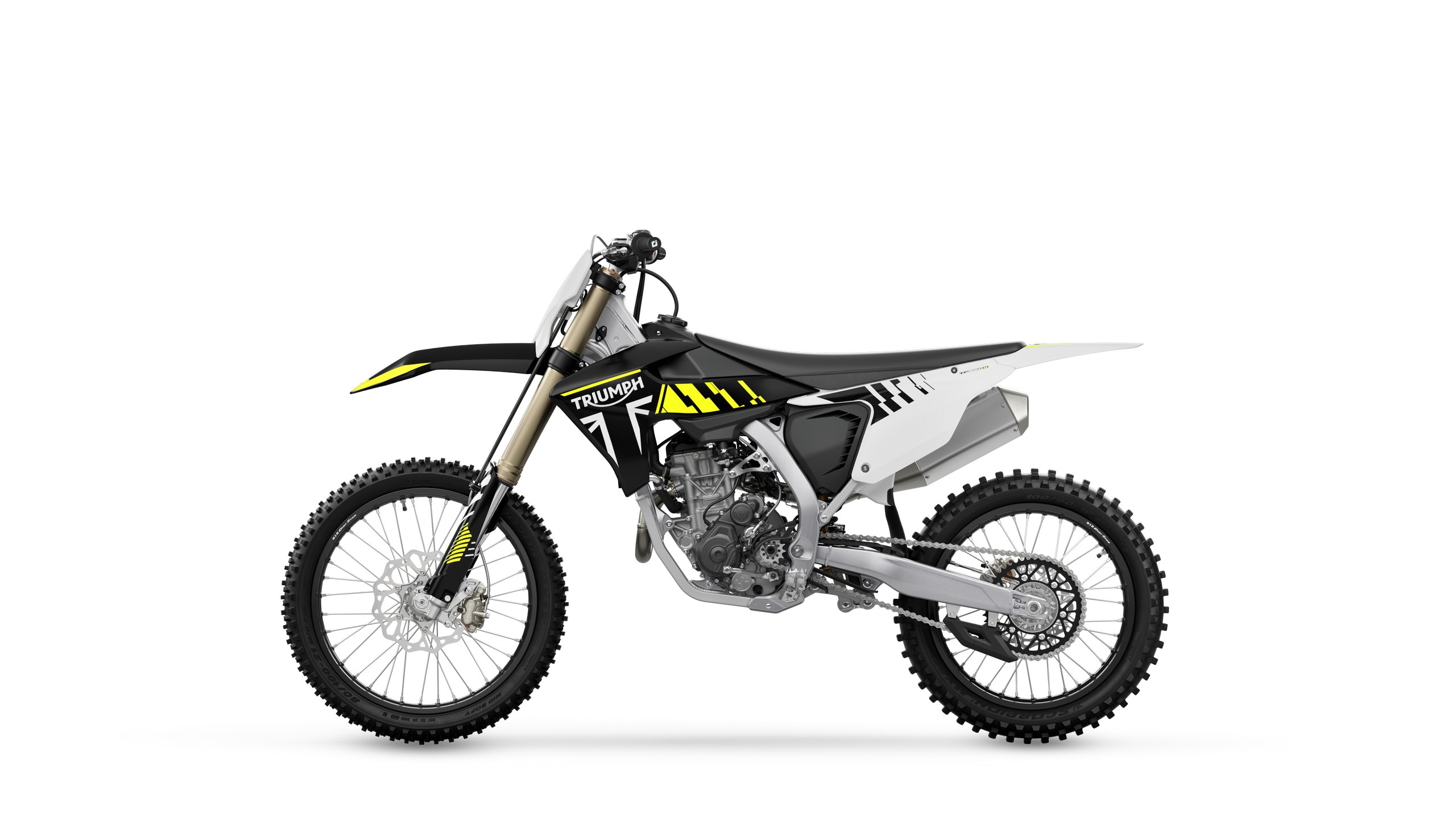
A 250 cc motorcycle typically achieves a top speed between 70 and 112 mph, depending on engine architecture, aerodynamic design, weight, and transmission gearing. While entry-level cruisers and dual-sport models often favor torque and fuel efficiency, focused sportbike platforms are engineered to minimize drag and maximize high-rpm output, leading to the higher end of this speed spectrum.
The Engineering Behind 250 cc Performance
The displacement of a motorcycle engine—measured in cubic centimeters (cc)—refers to the total volume of all engine cylinders. In the 250 cc class, the performance variability is significantly higher than in larger displacement categories because these bikes are designed for diverse purposes, ranging from utility and commuting to entry-level track performance.
When an engine displaces 250 cc, its power output is primarily limited by the laws of thermodynamics and volumetric efficiency. To reach speeds exceeding 100 mph, a motorcycle must overcome the "drag wall." Air resistance, or aerodynamic drag, increases with the square of the speed. Therefore, pushing a bike from 90 mph to 100 mph requires exponentially more horsepower than moving from 50 mph to 60 mph.
Factors Influencing Top Speed
Why does one 250 cc motorcycle reach 70 mph while another can push past 110 mph? The discrepancy lies in several key technical variables:
Engine Configuration
- Single-Cylinder Engines: Common in dual-sport and entry-level motorcycles, these are built for low-end torque and reliability. They often feature higher vibration levels at sustained high RPMs, which limits their top speed to the 70–85 mph range.
- Multi-Cylinder Engines: Parallel-twin or inline-four configurations (historically more common in Japan's domestic market models) allow for higher redlines. An engine that can safely spin at 16,000 RPM can produce significantly more horsepower than one redlining at 8,000 RPM, allowing it to reach the 100–112 mph bracket.
Aerodynamics and Rider Positioning
A rider's position significantly alters the frontal surface area. A "naked" bike—one without fairings—creates massive amounts of turbulence. In contrast, a fully faired sportbike allows the air to flow smoothly around the chassis and the rider. If a rider remains in an upright "standard" posture, they act as a sail, drastically reducing the top speed compared to a "tucked" position where the rider minimizes their profile.
Gearing Ratios
Manufacturers choose gear ratios based on intended use. A bike geared for city commuting will have shorter gears to provide quick acceleration at low speeds. Conversely, a bike intended for highway use or racing will have a taller final drive ratio, allowing the engine to reach higher top speeds at the expense of initial "off-the-line" acceleration.
Performance Spectrum: Classifying the Range
The 250 cc class is not a monolith. Categorizing these motorcycles helps clarify why certain machines perform differently.
| Motorcycle Type | Typical Top Speed Range | Primary Design Goal |
|---|---|---|
| Dual-Sport / Enduro | 70–80 mph | Off-road capability, durability |
| Cruiser / Retro | 75–85 mph | Style, low-end torque, comfort |
| Standard / Naked | 80–95 mph | Versatility, urban commuting |
| Sportbike (Liquid Cooled) | 95–112 mph | High-RPM power, aerodynamics |
Verification and Operational Reality
When discussing these speeds, it is critical to distinguish between "indicated" speed and "actual" speed. Most motorcycle speedometers, particularly on smaller, budget-oriented bikes, are calibrated to read slightly higher than the true ground speed—often by 5% to 10%.
If a speedometer indicates 110 mph on a 250 cc sportbike, the actual GPS-verified speed may be closer to 102 or 105 mph. Riders who test these limits should do so only in controlled, closed-course environments, such as a sanctioned racetrack. Attempting to reach the upper limits of a 250 cc machine on public highways often places the engine at the very end of its power band, leaving little overhead for emergency maneuvers or acceleration, which compromises safety.
Maintenance Requirements for High-Speed Operation
Operating a small-displacement engine at or near its maximum output is physically demanding on the machine. If you intend to operate a 250 cc motorcycle at highway speeds, you must adhere to a stricter maintenance schedule than a casual commuter.
- Oil Quality and Viscosity: High RPMs generate significant heat. Use the manufacturer-recommended synthetic oil to ensure the film strength remains intact under thermal stress.
- Chain Tension and Lubrication: At high speeds, a dry or loose chain is prone to snapping or jumping off the sprocket. Ensure your chain is cleaned, lubricated, and adjusted to the specific slack measurements provided in your owner’s manual.
- Tire Integrity: Smaller tires on 250 cc bikes are often rated for specific speed indices. Operating consistently at the top of the bike's speed range can accelerate tire wear and lead to heat-induced pressure spikes. Check tire pressure while the tires are "cold" before every ride.
Common Misconceptions
A common error among new riders is the belief that a 250 cc motorcycle is "slow" and therefore cannot reach highway speeds. This is factually incorrect. Even the slowest 250 cc motorcycle can comfortably maintain 65–70 mph, which is the legal speed limit on most major highways. The difference between a 250 cc bike and a 1000 cc bike at these speeds is not the capability to sustain the speed, but the effort with which the engine maintains it. A larger engine will be barely ticking over at 70 mph, whereas a 250 cc engine will be working significantly harder, often operating at 60–75% of its available RPM range.
Frequently Asked Questions
Is it safe to ride a 250 cc motorcycle on the highway? Yes, most 250 cc motorcycles are fully capable of highway speeds. They can keep pace with traffic flow without issue. However, because they have less "reserve power" to accelerate quickly at speeds above 75 mph, riders must be more calculated when planning overtakes or defensive maneuvers.
Do all 250 cc bikes have the same top speed? No. Factors such as weight, engine tuning, aerodynamic fairings, and transmission gearing mean that one 250 cc bike might struggle to reach 75 mph, while a high-performance sportbike version of the same displacement can reach 110+ mph under optimal conditions.
How does rider weight affect the top speed of a 250 cc motorcycle? Rider weight plays a noticeable role in the top speed of small-displacement engines. Because the engine has limited horsepower, a significant increase in rider mass creates a higher drag coefficient and load. A heavier rider may find their bike reaches its top speed faster but plateaus at a lower number than a lighter rider would.
Should I modify my 250 cc motorcycle to go faster? Modifying a 250 cc engine for more top speed—such as changing sprockets or installing high-flow exhausts—often results in marginal gains. Frequently, these modifications sacrifice the bike's reliability or its low-end acceleration, making the bike less pleasant to ride in its intended urban environment.
Why does my 250 cc bike vibrate so much at high speeds? Single-cylinder engines, which are common in this category, are inherently less balanced than multi-cylinder engines. As the RPMs climb toward the top speed, the vibration increases significantly. This is a mechanical characteristic of the engine type and not necessarily an indication of a fault.
Final Recommendation
If your goal is to utilize a 250 cc motorcycle for highway commuting, verify the specific model's real-world top speed via reputable, independent reviews or owner forums. For models on the lower end of the spectrum (70–80 mph), prioritize routes that avoid heavy, high-speed traffic. If you require consistent performance in the 85+ mph range, prioritize 250 cc models with liquid-cooled, multi-cylinder engines and full fairings, as these are purpose-built to maintain higher velocities with greater stability and less mechanical strain. Always prioritize safety gear, as high-speed operation on any motorcycle demands the highest level of rider protection.