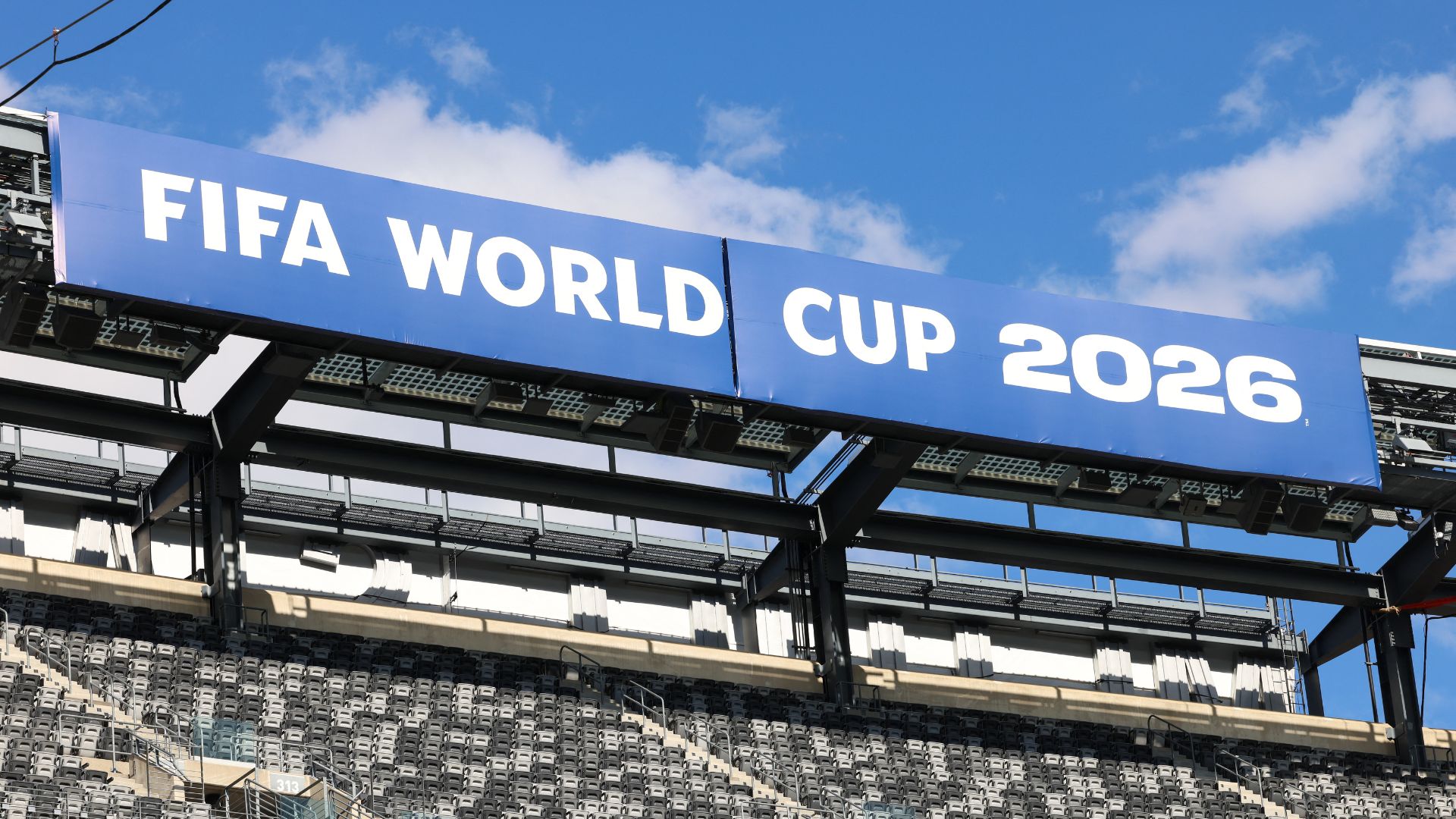
The 2026 Goal Cup refers to the premier international football tournament hosted across North America, marking a historic expansion in the scale and logistical complexity of global sports competition. This overview covers the tournament’s structure, host venue distribution, qualification pathways, and the operational framework required for spectators and participants navigating the event this year.
Tournament Structure and Logistical Evolution
The 2026 edition of the tournament represents a significant departure from previous iterations due to the expanded team format. With 48 nations competing, the organizational requirements have scaled to accommodate a higher volume of matches, requiring unprecedented coordination between the host nations: the United States, Canada, and Mexico.
The tournament is structured into a group stage featuring 12 groups of four teams each. This expansion necessitates a more rigorous schedule, with matches spread across 16 designated host cities. Understanding this structure is essential for fans planning their travel, as the dispersion of teams across vast geographical distances requires careful itinerary management. Unlike previous tournaments where teams might remain in a single host country for the duration of the group stage, the 2026 format increases the likelihood of inter-country travel for both participating teams and traveling supporters.
Host City Infrastructure and Geographic Distribution
The distribution of the 2026 Goal Cup matches highlights the infrastructure investment across the three host nations. Each city has been selected based on its ability to meet international standards for stadium capacity, transit accessibility, and fan-zone logistics.
The United States Venues
The majority of the matches are concentrated within the United States, utilizing large-scale NFL stadiums repurposed for global football. Key venues include:
- MetLife Stadium (East Rutherford/New York): Serves as a primary hub for high-profile fixtures.
- SoFi Stadium (Inglewood/Los Angeles): A centerpiece for technical innovation and climate-controlled matches.
- AT&T Stadium (Arlington/Dallas): Utilized for its high seating capacity and strategic central location.
Canadian and Mexican Venues
Canada and Mexico contribute essential capacity, with stadiums designed to handle the specific climate and logistical demands of their respective regions.
- Estadio Azteca (Mexico City): A historic site for the sport, providing a significant anchor for the tournament in Central North America.
- BC Place (Vancouver) and BMO Field (Toronto): Key Canadian venues that have undergone specific renovations to meet the tournament's technical requirements for turf and facility management.
Qualification Pathways and Participation Eligibility
Eligibility for the 2026 Goal Cup is governed by the regulations set forth by the governing body, focusing on merit-based performance across regional confederations. Nations qualify through a series of multi-year preliminary tournaments that determine their standing based on points, goal difference, and head-to-head records.
Teams that fail to meet the minimum threshold in their respective confederation’s qualification cycle are excluded from the main tournament bracket. This process ensures that only the highest-ranked teams, based on the current 2026 standings, reach the final stage. Coaches and national federations must adhere to strict player registration deadlines, which dictate the squad size and eligibility criteria for every athlete appearing on the pitch.
Spectator Guidelines and Operational Requirements
For attendees, navigating the 2026 Goal Cup requires adherence to strict digital ticketing and security protocols. Unlike previous decades where paper tickets were common, the 2026 system relies exclusively on secure mobile applications and real-time digital verification.
Ticket Acquisition and Verification
Official channels for ticket procurement are centralized to prevent fraud. Fans should be aware that unauthorized secondary market tickets are frequently invalidated at the stadium gates. Verification is tied to personal identity, and spectators are required to sync their mobile devices with the official tournament application to access stadium grounds.
Security and Health Protocols
Stadiums operate under a high-security mandate. Prohibited items lists are comprehensive, covering everything from electronic devices to specific bag dimensions. Because the tournament spans multiple jurisdictions, international visitors must ensure they possess the correct travel documentation—such as visas or electronic travel authorizations—required for entry into the United States, Canada, or Mexico, regardless of their match ticket status.
| Category | Requirement/Specification |
|---|---|
| Ticket Access | Mandatory official mobile app integration |
| Identity Verification | Government-issued photo ID required at entry |
| Bag Policy | Clear bags only; strict size limitations (varies by city) |
| Travel Documentation | Valid passport and visa/ETA for all international ports |
| Public Transit | Recommended over private vehicle parking at all venues |
Comparison of Tournament Logistics: 2022 vs. 2026
The shift from a single-country host model in 2022 to the tri-nation format of 2026 has changed the logistical baseline for attendees and organizers alike.
- Geographic Density: In 2022, the tournament was contained within a small geographic footprint, allowing for localized transport. In 2026, the geographic footprint is massive, necessitating regional air travel or long-distance ground transit.
- Climate Adaptation: The 2026 tournament requires players and fans to prepare for diverse climate zones, ranging from temperate Northern regions to arid or humid Southern regions, often within the same week of competition.
- Technology Integration: The 2026 framework is entirely digital-first, whereas 2022 served as a transition phase toward total mobile integration.
Troubleshooting Common Spectator Issues
Many attendees encounter difficulties regarding venue access and regional transit. Below are the most common challenges and their standard resolutions:
- Connectivity Issues at Stadiums: High-density crowds often strain local cellular networks. It is highly recommended that ticket holders download their mobile credentials to their device’s offline wallet or cache at least 24 hours prior to the match to avoid access delays.
- Cross-Border Delays: Supporters traveling between the US, Canada, and Mexico should factor in additional time for customs, especially on match days. Border traffic is typically higher near host cities, and it is advisable to clear borders well in advance of match-day events.
- Transit Bottlenecks: Private parking is extremely limited near most 2026 host venues. The most effective strategy is utilizing the dedicated "Fan Express" transit lines or local metro systems, which are optimized to handle tournament-level traffic volumes.
Frequently Asked Questions
How can I verify if my ticket for a 2026 match is official? Tickets should only be managed through the official tournament portal or the sanctioned mobile application. If you purchased a ticket from an unauthorized source, you can verify its status by attempting to import the ticket into the official tournament application using the unique reference number provided upon purchase.
Are there specific visa requirements for the 2026 Goal Cup? Yes. Because the tournament is held in three different nations, you must ensure you have legal clearance to enter each country you plan to visit. While some nations have visa-waiver programs, these policies are country-specific and independent of your tournament ticket.
What is the policy for children attending the matches? Most stadiums require a ticket for every attendee regardless of age. There are generally no exceptions for "lap infants." Always check the specific stadium policy before arrival, as fire codes and local regulations may dictate specific age-based seating requirements.
How is the match schedule finalized? The schedule is determined by the central governing committee and is finalized after the conclusion of regional qualification rounds. Changes to kick-off times are rare once the official schedule is published but can occur due to extreme weather or safety concerns. Always enable push notifications in the tournament app for real-time updates.
What happens if a match is delayed or postponed? In the event of a postponement, the match will typically be rescheduled within 24 to 48 hours. Ticket holders are entitled to use their original tickets for the rescheduled fixture. Refunds are strictly limited to instances where a match is canceled entirely without being rescheduled.
Recommendations for Next Steps
For those planning to attend or engage with the 2026 Goal Cup, the primary action is to secure your digital credentials immediately. Review the travel requirements for each host country you intend to visit and ensure your identification is current. If you are traveling between nations, book your transit and accommodation as early as possible, as demand in host cities during the tournament duration will exceed supply. Focus on mastering the official tournament application, as this will be your primary tool for gate access, real-time schedule adjustments, and venue-specific information throughout your stay.