The 2023 retrospective on Ford’s 2018 commercial vehicle (CV) performance identifies that year as a peak historical benchmark for internal combustion engine dominance and supply chain stability. Ford secured a 14.1% market share in Europe and record-breaking F-Series volume in North America, establishing the financial foundation for its subsequent transition to the Ford Pro ecosystem.
The Significance of the 2018 Fiscal Year in Ford’s Commercial History
From our current vantage point in 2026, the analytical reviews conducted in 2023 regarding Ford’s 2018 performance serve as a vital "baseline" for the automotive industry. In 2018, Ford Motor Company was operating at a high-efficiency plateau before the unprecedented disruptions of the 2020-2022 global supply chain crisis. The 2023 review highlights that 2018 was not merely a year of high sales volume but a year of strategic consolidation where Ford successfully transitioned its fleet customers from legacy platforms to the global Transit architecture and modernized F-Series configurations.
Commercial vehicle sales in 2018 represented the fourth consecutive year of Ford's leadership as the number-one commercial brand in Europe. This was a feat achieved through a refreshed product lineup and a pivot toward telematics and integrated services. When analysts in 2023 looked back at these figures, they were looking for the "gold standard" of pre-pandemic production capacity and consumer demand, providing a roadmap for what "normal" operations should look like in a stabilized market.
The 2018 data is particularly critical because it captures the last full year of the "traditional" commercial market before the aggressive regulatory shifts toward electrification began to significantly alter buyer behavior. It serves as the ultimate reference point for the reliability and longevity of Ford's EcoBlue diesel and EcoBoost petrol powertrains under heavy commercial duty cycles.
European Market Leadership: The Transit Dominance
In 2018, Ford’s European commercial vehicle sales reached approximately 380,900 units, marking an 8% increase over 2017. This performance was a cornerstone of the 2023 reviews, as it demonstrated the brand's resilience in a highly competitive and fragmented market. The Transit family—comprising the Transit, Transit Custom, Transit Connect, and Transit Courier—was the primary driver of this success.
The Transit Custom Phenomenon
The Transit Custom was the standout performer of 2018. In the 2023 review of this period, experts noted that the 2018 facelift of the Transit Custom was a turning point for the "office on wheels" concept. By introducing a completely new interior inspired by passenger cars and adding the 2.0-liter EcoBlue diesel engine, Ford addressed both driver comfort and total cost of ownership (TCO). This dual focus allowed Ford to capture a larger share of the SME (Small to Medium Enterprise) market, which prioritized vehicle uptime and driver retention.
Ranger’s Growth in the Commercial Sector
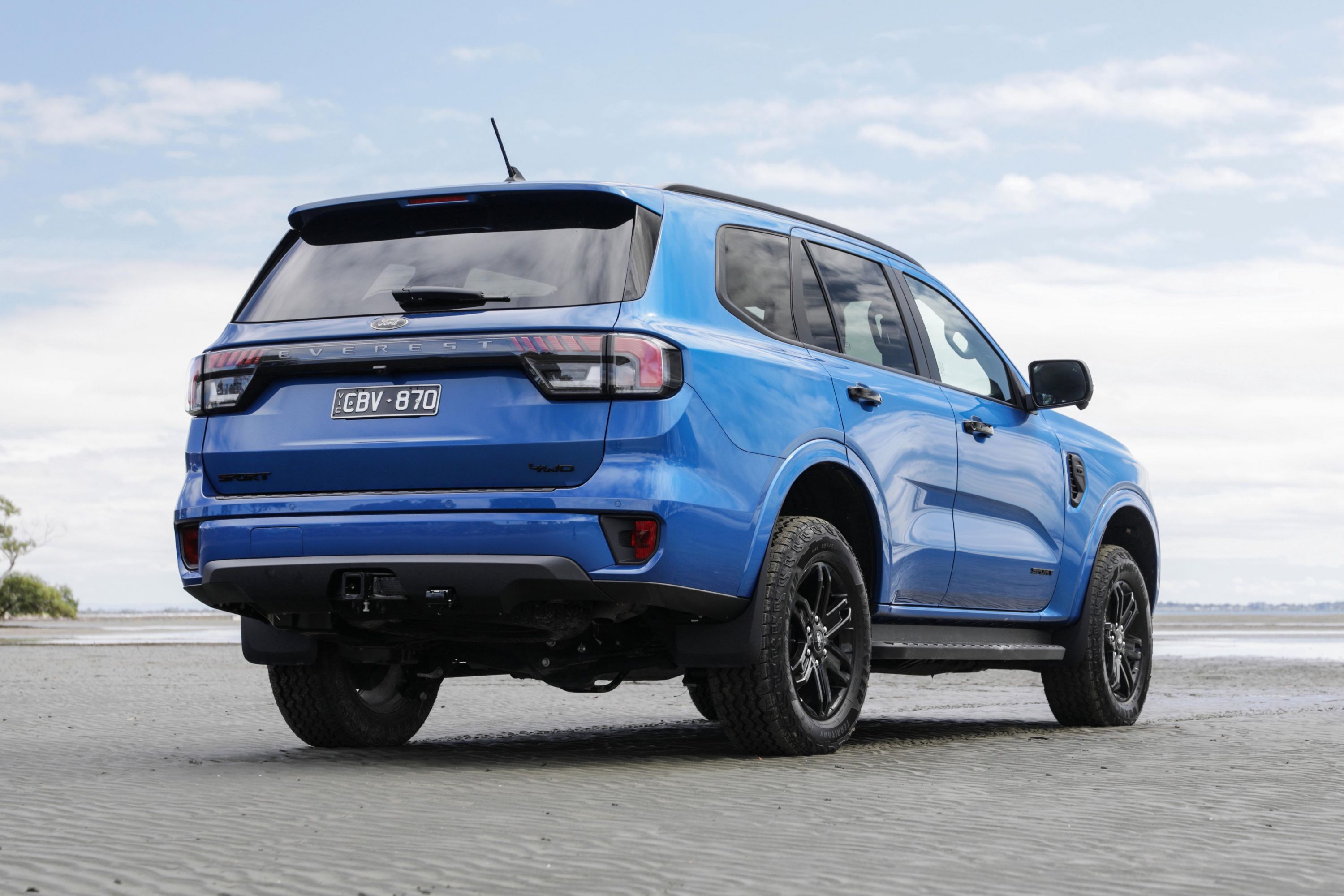
While often viewed as a lifestyle vehicle, the Ford Ranger’s 2018 sales were a significant component of the commercial review. With 50,900 units sold in Europe, the Ranger became the best-selling pickup in the region. The 2023 analysis emphasized that the Ranger’s success was built on its ability to bridge the gap between a rugged utility tool and a professional fleet vehicle, particularly in sectors like construction, forestry, and emergency services.
North American Performance: F-Series and the Transit Transition
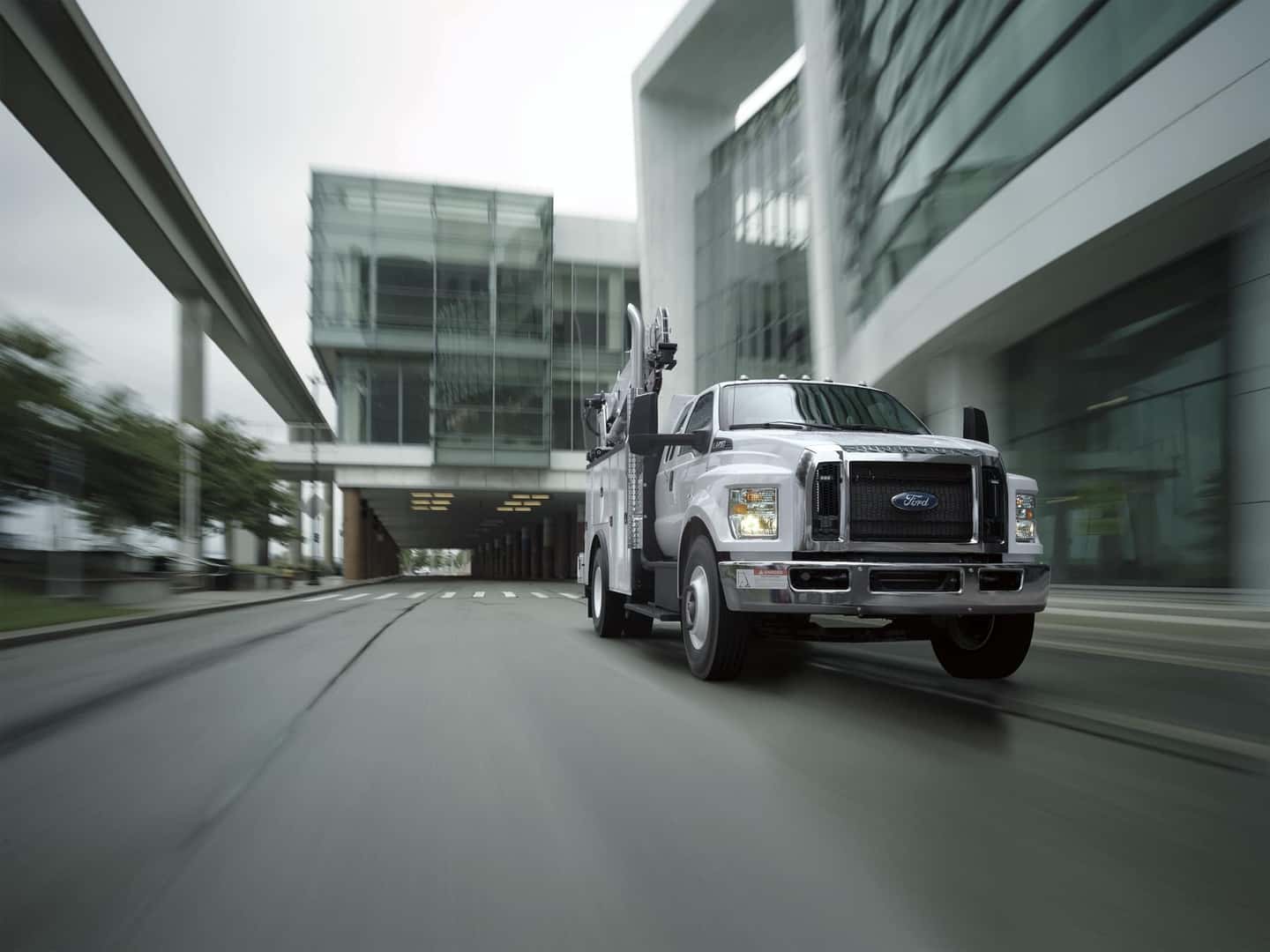
In North America, the 2018 review focuses heavily on the F-Series, which achieved a staggering 909,330 sales in the United States alone. While the F-Series includes both retail and commercial sales, the "Super Duty" and "Chassis Cab" segments are the true barometers of commercial health.
The Shift from E-Series to Transit
One of the most important takeaways from the 2023 review of 2018 sales was the completion of the transition from the legacy E-Series (Econoline) vans to the modern T-Series Transit. By 2018, the Transit had firmly established itself as the best-selling full-size van in America. Commercial fleets embraced the Transit’s unibody construction and varied roof heights, which offered significantly better fuel economy and cargo volume compared to the older body-on-frame E-Series.
The 2023 review highlighted that Ford’s ability to maintain high volume during this transition was a testament to their fleet management relationships. Large-scale logistics companies and last-mile delivery providers (a sector that would explode shortly after 2018) were already beginning to favor the Transit’s efficiency.
F-150 and the Diesel Experiment
2018 also saw the introduction of the 3.0-liter Power Stroke V6 diesel engine for the F-150. While its long-term impact was debated in 2023, its 2018 debut was aimed squarely at commercial users who required high towing capacity combined with better fuel efficiency than the traditional V8 or V6 EcoBoost engines. This move showed Ford’s commitment to providing "power of choice" in the commercial segment.
Technical Specifications and Fleet Impact
A 2023 review of 2018 vehicles is incomplete without discussing the technical advancements that made these sales possible. The 2018 model year was a "sweet spot" for mechanical reliability and the early stages of digital integration.
- EcoBlue Drivetrains: The introduction of the 2.0L EcoBlue engines in 2018 reduced fuel consumption by up to 13% compared to previous 2.2L TDCi units. In 2023, these engines were reviewed for their high-mileage durability, confirming they were robust enough for 200,000+ mile lifecycles.
- SelectShift Automatics: 2018 saw a wider adoption of the six-speed and ten-speed automatic transmissions in commercial fleets, reducing driver fatigue and optimizing gear ratios for heavy loads.
- Connectivity: This was the year Ford began standardizing the FordPass Connect modem. Looking back from 2023, this was the "patient zero" moment for the data-driven fleet management that would later become Ford Pro.
Global Sales Comparison: Ford Commercial Vehicles in 2018
The following table outlines the key sales figures and market positions for Ford’s primary commercial assets in 2018, based on the consolidated data analyzed in the 2023 review.
| Region | Primary Model | Approx. Units Sold | Market Significance in 2018 |
|---|---|---|---|
| Europe | Transit Family | 280,000+ | 4th year as #1 CV brand in Europe |
| Europe | Ranger | 50,900 | Best-selling pickup in the European market |
| North America | F-Series (Total) | 909,330 | Best-selling truck for 42 consecutive years |
| North America | Transit | 137,700 | Leader in the full-size van segment |
| Asia Pacific | Ranger / Transit | 140,000+ | Strong growth in ASEAN and Australian markets |
| Global | Total CV Units | ~1,100,000+ | Consistent global leadership in the CV space |
Why the 2023 Review Targeted 2018 Data
There are several strategic reasons why analysts in 2023 focused so heavily on 2018 as a historical reference point. Understanding these reasons is crucial for interpreting Ford's trajectory into 2026.
Resale Value and Asset Longevity
By 2023, the 2018 models were five years old—the typical point at which large fleets cycle out their vehicles. The 2023 review found that 2018 Ford commercial vehicles held their value significantly better than competitors. Because of the vehicle shortages in 2021 and 2022, 2018 Transits and F-Series trucks became highly sought-after assets in the secondary market. This high residual value reinforced Ford’s reputation for low TCO.
Pre-Pandemic Production Metrics
2018 represented the peak of "Just-in-Time" manufacturing efficiency for Ford. In 2023, Ford executives and industry analysts used 2018 as a target for returning to "normal" throughput. The 2018 sales numbers were used to justify investments in new manufacturing plants, as they proved the underlying demand for Ford’s commercial products when supply is unconstrained.
The Foundation for Ford Pro
Ford Pro, the dedicated commercial service and software division, was officially launched after 2018, but the 2023 review clarified that the 2018 sales success funded its development. The profits generated by the F-Series and Transit in 2018 provided the capital necessary for Ford to invest in the software, charging infrastructure, and telematics that define the brand today in 2026.
Common Pitfalls and Challenges in 2018
Despite the record sales, the 2023 review also identified challenges Ford faced in 2018 that shaped future strategy.
- Complexity of Configurations: In 2018, Ford offered an almost infinite number of configurations for the Transit. While this was good for customers, it created manufacturing complexity. By 2023, Ford had begun streamlining these options based on 2018 sales data to improve production speed.
- Diesel Dependency: In 2018, over 90% of European commercial sales were diesel. The 2023 review noted that while these sales were high, the reliance on diesel made the brand vulnerable to changing urban emissions zones (LEZ/ULEZ), prompting the accelerated development of the E-Transit.
- Tariff and Trade Pressures: 2018 was a year of significant trade uncertainty between the US, China, and Europe. This pressured Ford's margins, even as sales volumes remained high.
Frequently Asked Questions
What was the best-selling Ford commercial vehicle globally in 2018?
The F-Series pickup truck (specifically the F-150, F-250, and F-350) was the highest-volume commercial asset for Ford globally. In the dedicated van segment, the Ford Transit (full-size) was the clear leader, dominating both the North American and European markets.
How did Ford’s 2018 commercial sales compare to its competitors?
In 2018, Ford maintained a significant lead over its primary competitors, including Mercedes-Benz (Sprinter/Vito) and Volkswagen (Crafter/Transporter) in Europe. In North America, Ford’s commercial van share was nearly double that of its closest rival, Chevrolet, largely due to the early adoption and versatility of the Transit platform.
Why is 2018 considered a "benchmark year" in automotive reviews?
2018 is used as a benchmark because it was the last year of stable, high-volume production before the 2019 global economic slowdown and the 2020 pandemic. It provides a "clean" data set for consumer preference, engine reliability, and market share that isn't skewed by supply chain shortages or artificial price inflation.
What role did the 2018 Ford Ranger play in commercial sales?
The Ranger was pivotal in expanding Ford's commercial footprint in regions where full-size vans were less practical. In 2018, the Ranger captured significant market share in the "one-tonne" pickup segment, particularly in the UK, Germany, and Australia, serving as a dual-purpose vehicle for small business owners.
Did Ford sell electric commercial vehicles in 2018?
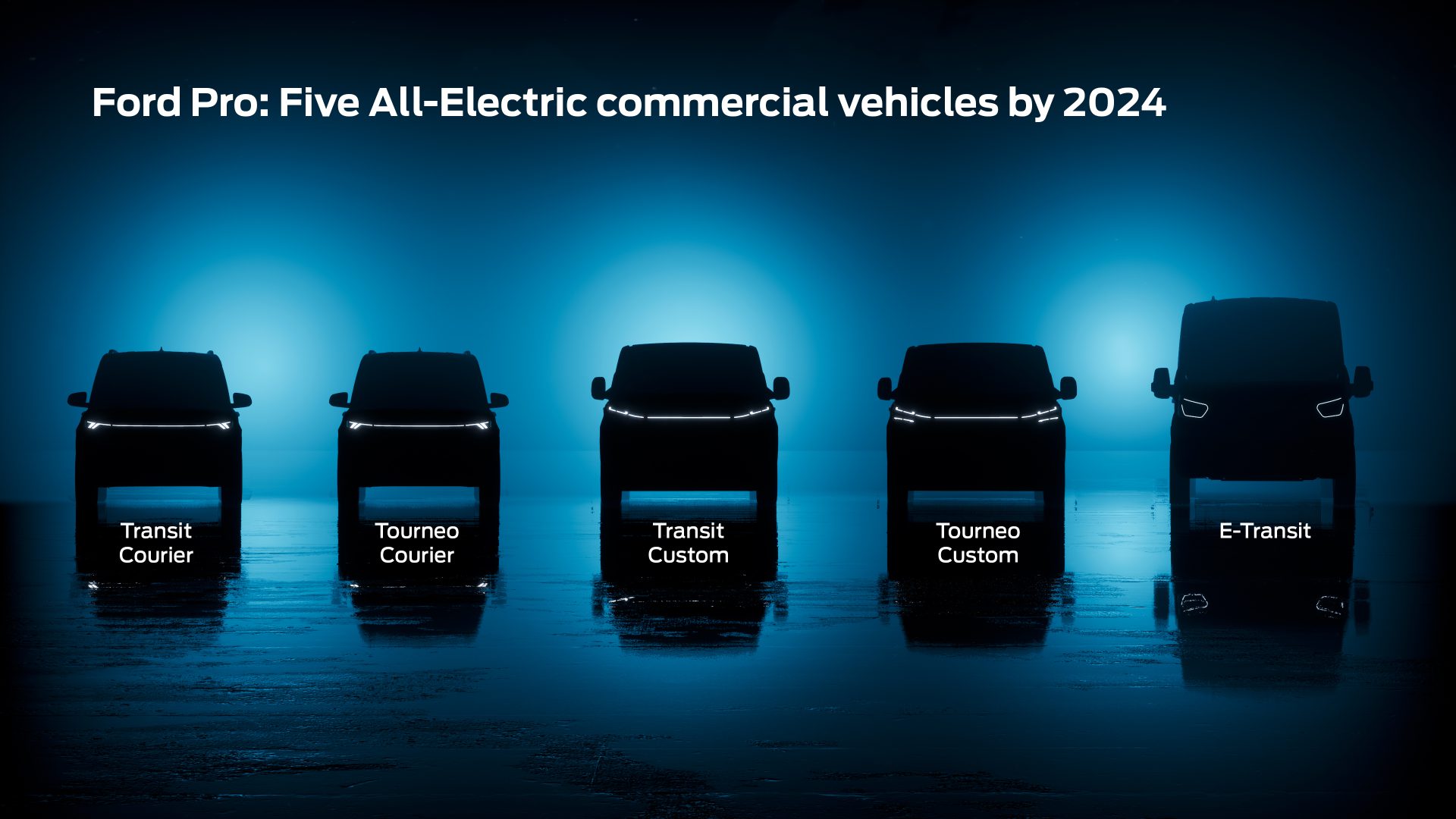
While the E-Transit did not launch until later, 2018 saw the pilot programs for the Transit Custom Plug-In Hybrid (PHEV) in London. The 2023 review of 2018 sales often points to these pilots as the beginning of Ford's commercial electrification strategy, though the actual sales volume of electrified CVs in 2018 was negligible.
Strategic Recommendation for Analysts and Fleet Managers
Based on the 2023 review of 2018 Ford commercial vehicle sales, it is evident that the strength of the Ford brand lies in its holistic ecosystem rather than just the vehicles themselves. For those managing fleets in 2026, the primary takeaway from the 2018 data is the importance of residual value and serviceability.
The 2018 models proved that Ford's wide service network and parts availability are what sustain high sales volumes over time. When evaluating current or future fleet acquisitions, managers should prioritize platforms with the highest historical "uptime" as evidenced by the 2018-2023 lifecycle. Furthermore, the 2018 shift toward factory-fitted connectivity proves that data integration is no longer optional; it is a fundamental requirement for maintaining the competitive advantage that Ford established nearly a decade ago.