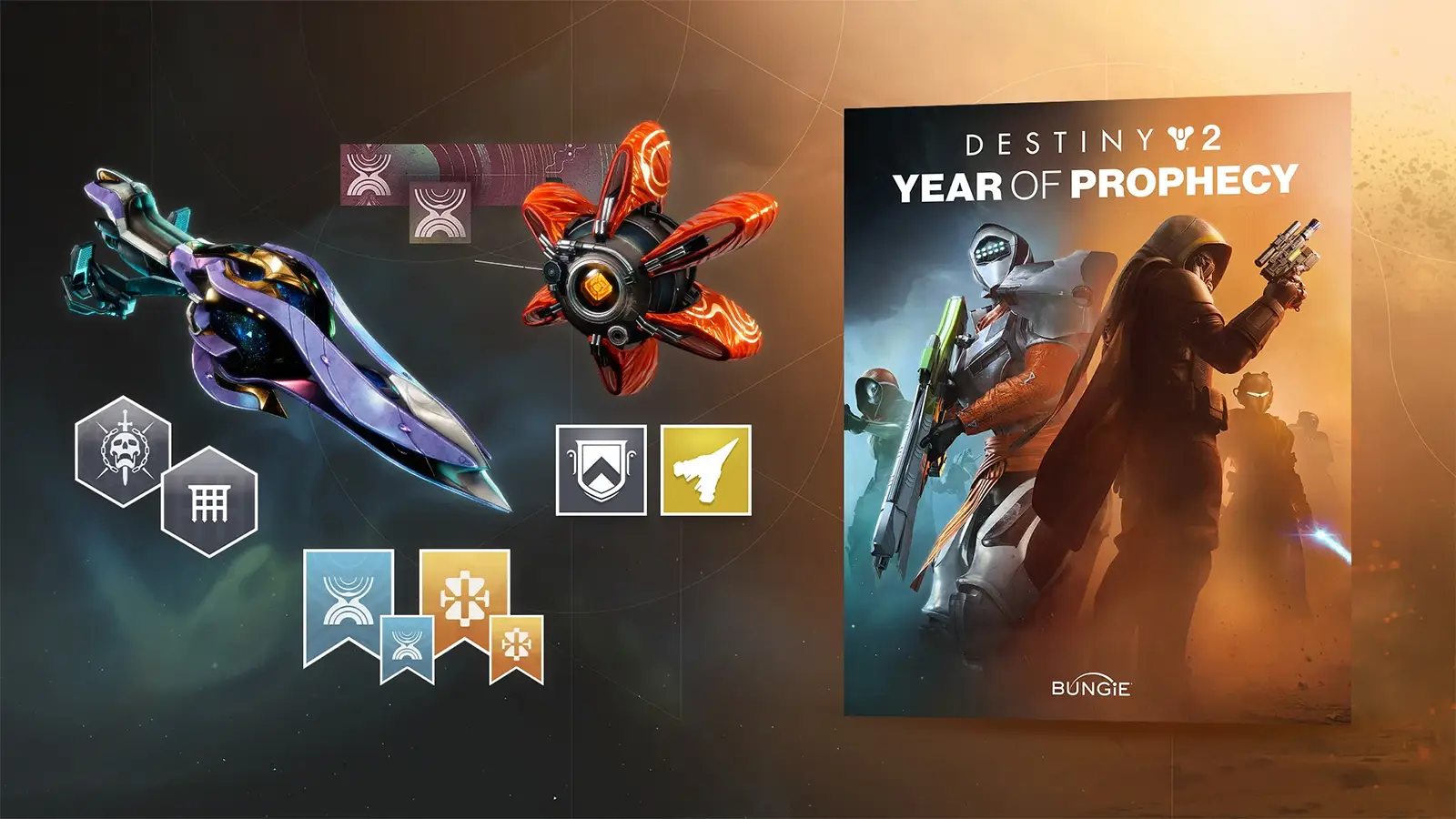
The 2020 Destiny 2 Year 3 roadmap, spanning the launch of Shadowkeep through the Season of the Worthy and the Season of Arrivals, marked a pivotal transition for Bungie as an independent studio, introducing seasonal models, cross-save functionality, and a shifting narrative framework that redefined how players engaged with the game's evolving universe.
Introduction to Destiny 2 Year 3 and the Independent Era
When Bungie separated from Activision in early 2019, the studio assumed full publishing and developmental control over Destiny 2. This transition set the stage for Year 3, which kicked off in October 2019 alongside the Shadowkeep expansion. The overarching goal for this era was to pivot away from the traditional, studio-heavy annual pass model toward a more dynamic, seasonal approach. Bungie designed Year 3 to deliver self-contained, yet narratively connected, content drops that could evolve the game world in real-time.
Understanding this roadmap requires looking at how Bungie structured the live-service experience. Instead of dropping massive, isolated expansions once a year, Year 3 relied on four distinct seasons: Season of the Undying, Season of Dawn, Season of the Worthy, and Season of Arrivals. Each season brought its own ritual loops, artifact mods, armor redesigns, and temporary or permanent world activities. For players and returning veterans, navigating this era meant adapting to a game that changed drastically every three months, featuring sunsetting mechanics, seasonal weapon metas, and temporary narrative arcs that culminated in the lead-up to the Beyond Light expansion.
The Foundation: Shadowkeep and the Season of the Undying
Year 3 officially commenced on October 1, 2019, with the launch of the Shadowkeep expansion and the accompanying Season of the Undying. Shadowkeep returned players to the Moon, a destination not fully explored in its modern form since the original Destiny. The narrative centered on Eris Morn unearthing a mysterious Darkness artifact buried deep beneath the lunar surface, setting off a chain reaction that awakened the Hive and the sinister Black Garden.
Key structural changes accompanied this release:
- Armor 2.0: A complete overhaul of the armor system that introduced customizable stat distributions, energy types, and slot-based mod sockets, replacing the rigid perks of Year 2.
- Finisher Mechanic: A new gameplay addition allowing players to execute low-health enemies with cinematic melee animations tied to specific gameplay perks.
- Free-to-Play Transition (New Light): Bungie launched Destiny 2: New Light, making the base game and all Year 1 content free to play for all users, dramatically expanding the player base.
The Season of the Undying ran concurrently with Shadowkeep and introduced the Vex Offensive activity. This seasonal mode tasked players with stepping into the Black Garden to push back an invasion of the Undying Mind. It also introduced the Seasonal Artifact—the Gate Lord's Eye—which granted temporary power level boosts and unique seasonal mods that heavily influenced endgame builds, such as enhanced anti-champion capabilities.
Expanding the Narrative: Season of Dawn
Following the conclusion of the Vex Offensive, Season of Dawn launched in December 2019, shifting the narrative focus from the Moon and the Vex to Mercury and the Cabal. The primary questline involved working alongside the legendary Warlock Osiris to repair the Sundial, a temporal device capable of manipulating timelines on Mercury. This mission ultimately led to one of the most celebrated moments in the franchise's history: rescuing the legendary Titan Saint-14 from his fate in the Infinite Forest.
| Season Name | Release Window | Primary Location | Main Activity | Major Narrative Focus |
|---|---|---|---|---|
| Season of the Undying | Fall 2019 | Moon, Black Garden | Vex Offensive | Unearthing the Darkness artifact and repelling Vex incursions. |
| Season of Dawn | Winter 2019 | Mercury, Tangled Shore | The Sundial | Repairing timelines and rescuing Saint-14 from the Infinite Forest. |
| Season of the Worthy | Spring 2020 | Earth, Moon, The Almighty | Seraph Towers, Bunker Clears | Preventing the Red Legion's flagship from crashing into the Last City. |
| Season of Arrivals | Summer 2020 | Io, Titan, Mars, Mercury | Contact Public Event | The arrival of the mysterious Black Fleet and the impending loss of destinations. |
Season of Dawn also brought significant sandbox tweaks, including adjustments to solar subclasses, the introduction of the Savior title, and the rollout of new exotic weapons such as the Devil's Ruin sidearm and Symmetry scout rifle. The Sundial activity offered a six-player matchmaking experience that allowed players to target-farm specific weapons, setting a template for how seasonal loot acquisition would function moving forward.
Conflict and Preparation: Season of the Worthy
Launching in March 2020, Season of the Worthy pivoted the player base toward a defensive campaign alongside the Warmind, Rasputin. The plot revolved around a desperate maneuver by the surviving Red Legion of the Cabal, who redirected the Almighty—a massive city-destroying warship—on a collision course with Earth.
To combat this threat, players engaged with several new systems:
- Seraph Bunkers: Found in the EDZ, on the Moon, and on Io, these underground installations required daily and weekly clearing to upgrade Rasputin’s warmind bit economy.
- Seraph Tower Events: Public events on destination planets where players defended plates from aggressive combatant waves to charge kinetic weapons aimed at the Almighty.
- Trials of Osiris: The competitive pinnacle PvP mode made its triumphant return from the original Destiny, offering weekend-based competitive matches for elite rewards and flawless lighthouse trips.
Despite offering compelling cooperative and competitive pillars, Season of the Worthy faced considerable community feedback regarding the repetitive nature of Seraph Tower public events and the heavy reliance on bounty loops. However, the season culminated in a live, in-game event on June 6, 2020, where millions of players watched the Almighty shatter against the traveler after being intercepted by Rasputin's barrage.
The Culmination: Season of Arrivals and the Eve of Beyond Light
The final chapter of Destiny 2 Year 3 was the Season of Arrivals, which launched in June 2020 and was extended through the fall due to development delays caused by remote working conditions during the global pandemic. This season served as the direct narrative prologue to the Beyond Light expansion. Massive, pyramid-shaped ships belonging to the Darkness—known collectively as the Black Fleet—suddenly appeared and hovered over four distinct planets: Io, Titan, Mars, and Mercury.
Season of Arrivals introduced the Contact public event on Io and Titan, alongside the Prophecy dungeon. The Prophecy dungeon, set within the strange realm of the Nine, was universally praised by the community for its surreal visual design, unique physics mechanics, and reprised Trials of the Nine armor sets.
Crucially, this season introduced the concept of Content Vaulting (DCV) and Weapon Sunsetting. Because the game file size had grown unmanageable, Bungie announced that Io, Titan, Mars, Mercury, and the Leviathan raid would be placed into the Content Vault at the start of Year 4, removing them from active play. Furthermore, weapon and armor sunsetting placed a cap on the maximum power level legendary gear could achieve, sparking intense debates within the community regarding gear obsolescence and endgame progression loops.
Technical Milestones and Ecosystem Changes
Beyond seasonal activities and narrative beats, Year 3 modernized the underlying technical infrastructure of Destiny 2. Cross-save functionality launched alongside Shadowkeep, allowing players to link their accounts across PC, PlayStation, Xbox, and eventually Google Stadia, carrying their progress, characters, and gear seamlessly between platforms.
Furthermore, Steam became the exclusive PC home for Destiny 2, migrating players away from the Battle.net launcher. This migration included comprehensive character and entitlement transfers managed by Bungie. The studio also implemented rigorous anti-cheat measures on PC, adjusted matchmaking parameters, and continuously tweaked the sandbox to balance weapon archetypes—such as reigning in the dominance of 150 RPM hand cannons and aggressive-frame pulse rifles.
Frequently Asked Questions
What was the primary theme of Destiny 2 Year 3?
Year 3 focused heavily on the return of the Darkness, the evolution of the live-service seasonal model, and the fallout of Bungie's split from Activision. Narrative themes centered on the awakening of lunar anomalies, the manipulation of time, defense against the Cabal remnants, and the eventual arrival of the Pyramids.
How did the seasonal model work in Year 3?
Instead of a single annual pass filled with fixed content, Year 3 featured four standalone seasons. Each season introduced unique narrative quests, ritual weapon pursuits, temporary or permanent public activities, a seasonal artifact with custom mod sockets, and specific armor sets.
What is content sunsetting, and when was it introduced?
Content sunsetting was a gear-capping mechanic introduced during Year 3 (concretely taking effect in Season of Arrivals and Year 4) that placed a maximum power limit on legendary weapons and armor. This meant older gear could no longer be infused to meet the pinnacle power requirements of endgame activities.
Why was Season of Arrivals extended?
Season of Arrivals was extended through the summer and fall of 2020 due to development adjustments required for Bungie's transition to remote work during the COVID-19 pandemic. This extension provided extra time for the studio to finalize the Beyond Light expansion.
Can players still play Year 3 seasonal content today?
No. Following the implementation of the Destiny Content Vault (DCV) and the shift to subsequent expansions, the specific seasonal activities, seasonal questlines, and destinations from Year 3 (such as the Sundial and Seraph Bunkers) are no longer accessible in the live game.
Conclusion and Next Actions
Reviewing the 2020 Destiny 2 Year 3 roadmap highlights a transformative era where Bungie experimented with real-time storytelling, shifting seasonal ecosystems, and major technical overhauls. For players analyzing historical game design or catching up on lore, understanding this era explains the origins of modern content cycling and the narrative foundations leading into subsequent expansions like Beyond Light and The Final Shape. If you are researching past changes, verify specific weapon metrics and archive resources through official Bungie help articles or dedicated historical databases to ensure accuracy regarding deprecated content.